
Here, in the UK, we’ve been having the dreariest of winters with what seems weeks and weeks of mild temperatures, heavy overcast skies and incessant rain. There have been a few cold, bright days but these have been rare. The view from my window as I write this is of greyness reflected in grey floodwater where our little, winding river has overflown into the field below our house. Some days it has been so dark and gloomy that the electric lights have had to stay on. So it seems appropriate to write now about bringing warmth into the garden especially as it is the perfect time to create a new design whether it’s a single bed or a complete redesign.

Obviously, sun is the most important and easiest way of creating warmth and the garden may already have a patio or other seating area in the sunniest spot. This isn’t always the most sheltered place however, and there is a world of difference between a welcome, cooling breeze on a hot day and a stronger wind that makes sitting there less comfortable. There are a number of ways to temper the wind without having to build a solid structure which quite often can create issues with turbulence elsewhere. The simplest method is by planting, whether a hedge or more open, looser shrubs. Trellis also works well – we’re aiming at filtering the wind rather than blocking it. The height does not have to be great to have the desired effect. The image below shows the early stages of screening using plants – it will also, in time, block out the unwanted view of the road behind.
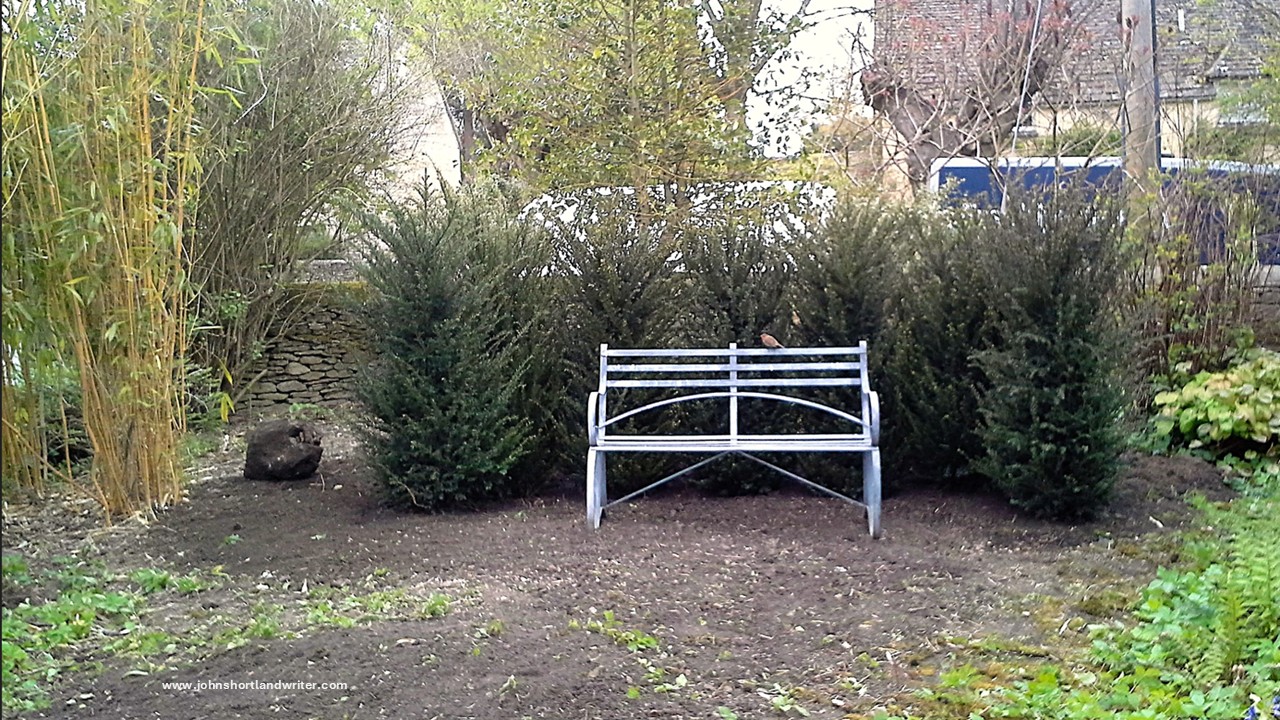
For screening, I often use (as above) yew hedging which gives a good, dark green background and only needs clipping once a year. It can be bought at various heights and being evergreen, looks good all year round. Bamboos, now getting rather a bad reputation for being invasive are also excellent if they can be prevented from spreading too widely. There are some clump forming varieties which are more self-restrained. In fact, more or less any shrub can be used to make the garden or part of it feel warmer; the secret is to use those with coloured stems or leaves, or flowers that have a hint of the exotic about them. Bear in mind, ‘though that flowers are often fleeting.
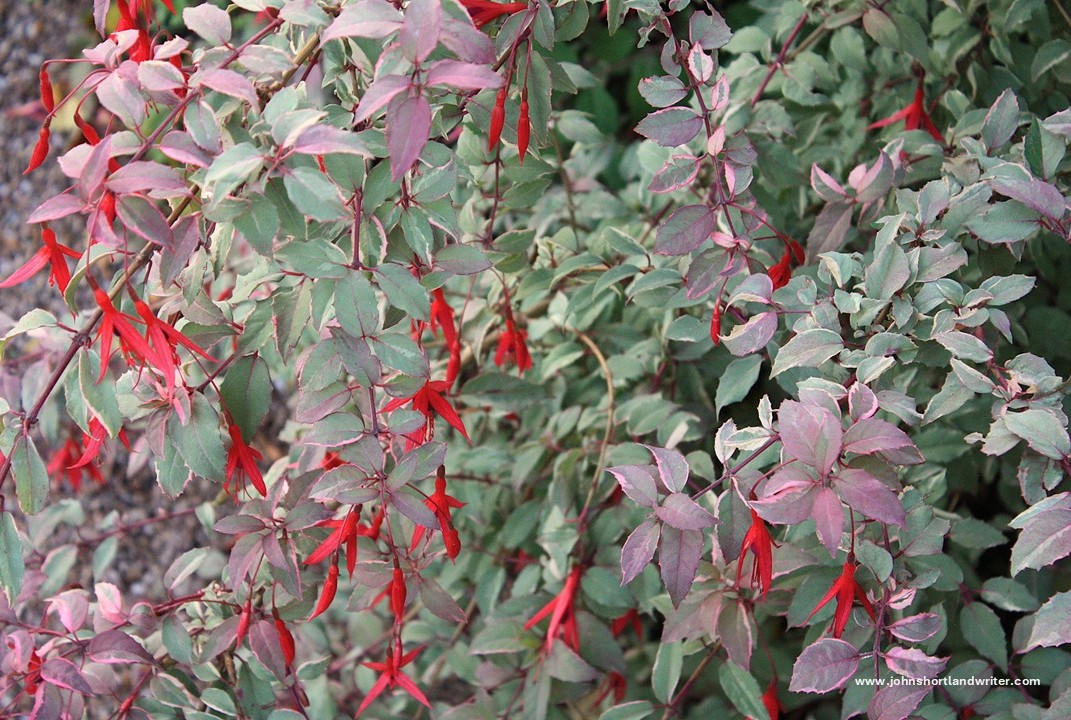
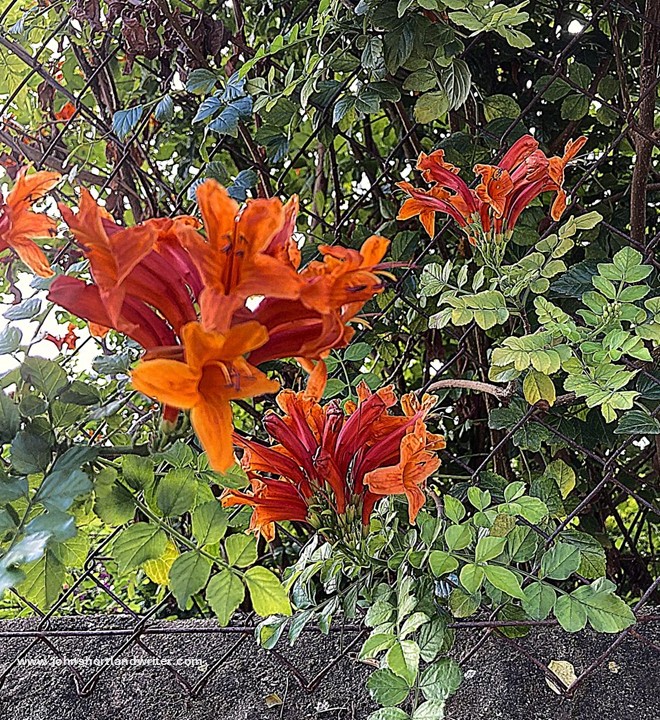
Although we’ve been talking about ways to make the garden feel physically warmer, it is through the planting of the smaller flowering plants that give the real impression of warmth and here the choice is almost limitless. The rule is to use strong colours and to keep the softer shades to the minimum. For the example I’m going to use here, I created this ‘hot’ garden which would be at its best during the summer months when the swimming pool is in regular use. For cooler evenings or for entertaining there is a vine covered pergola adjacent to a built-in fireplace/barbecue. Note the use of terracotta painted walls which immediately transports you to the Mediterranean. In fact. Some don’t believe that the two photos below are really of a garden in one of the coldest parts of southern Britain!
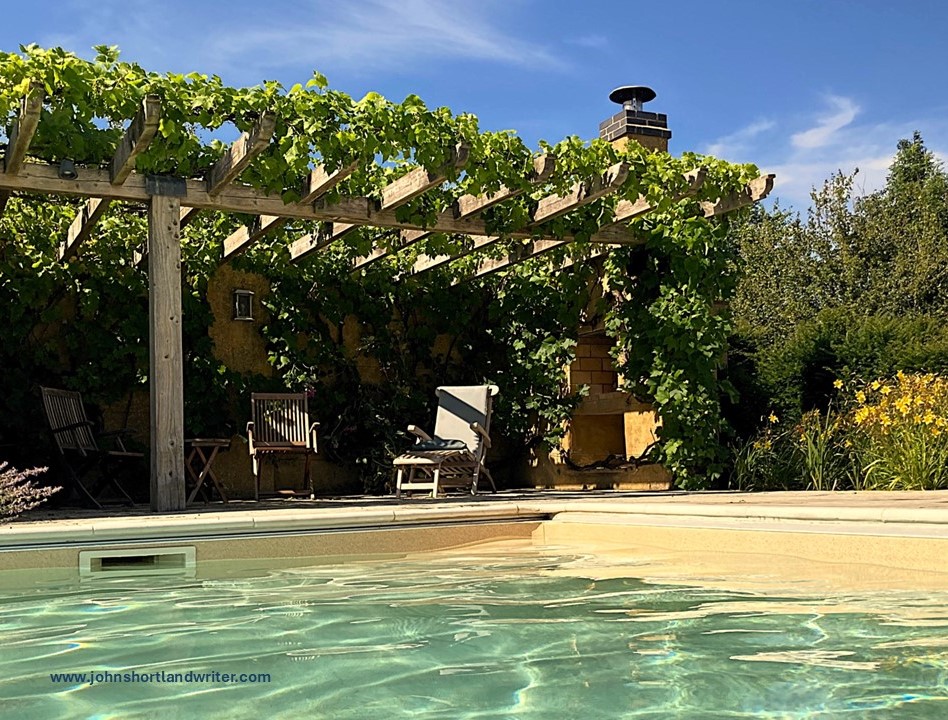
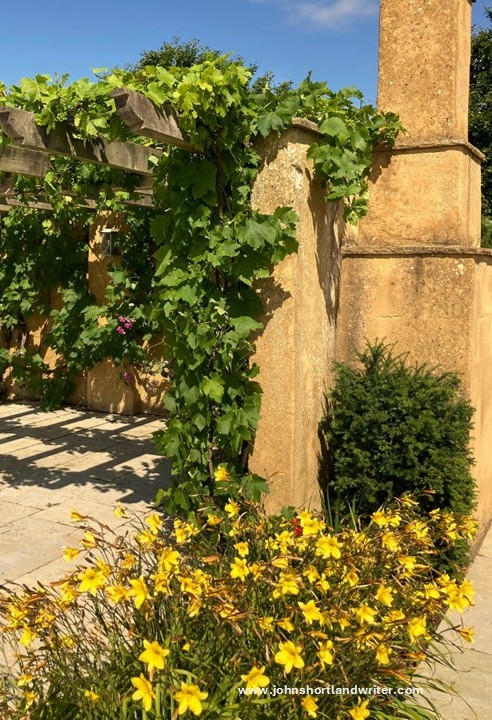
Nearly all of this swimming pool garden is enclosed by yew hedges for shelter and privacy; an existing wall has been coloured terracotta as mentioned above. Shrubs have been kept to the minimum: there are four Physocarpus ‘Lady in Red’ which has fiery new leaves which darken to burgundy as they mature. Using the one variety helps to unify the design as well as giving some structure to the borders. Two figs are trained against the wall and pencil-shaped Italian cypress trees also give that Mediterranean feel (see further note at the end of this blog).
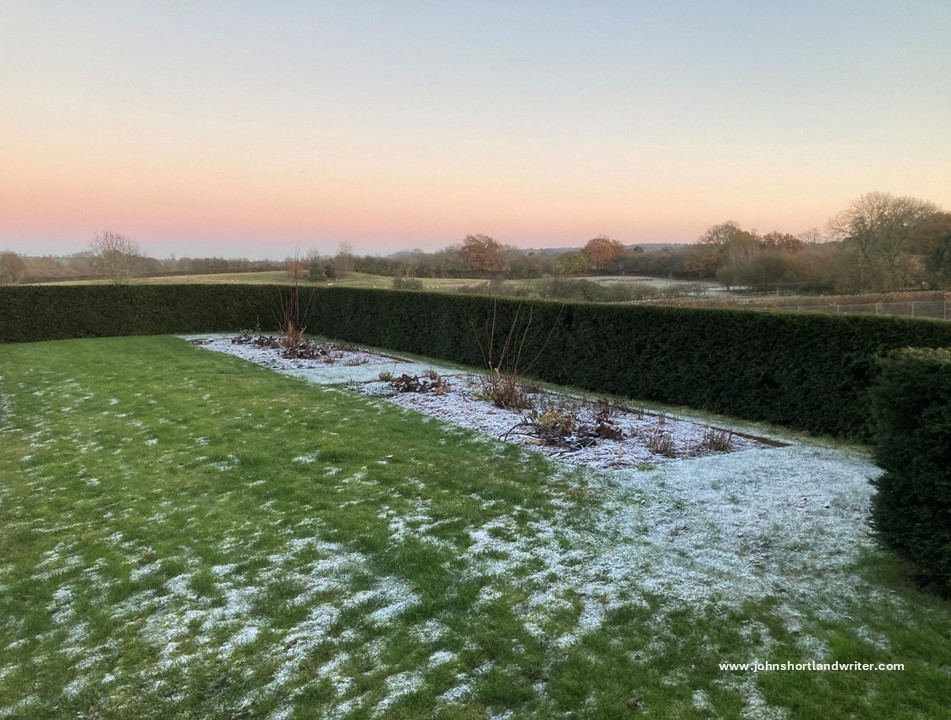
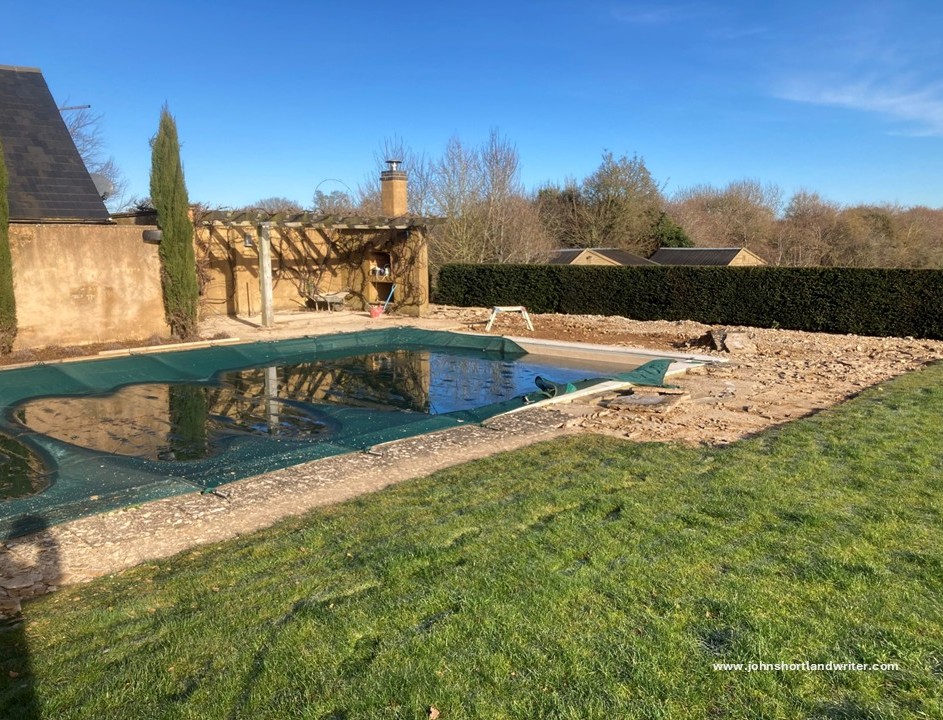
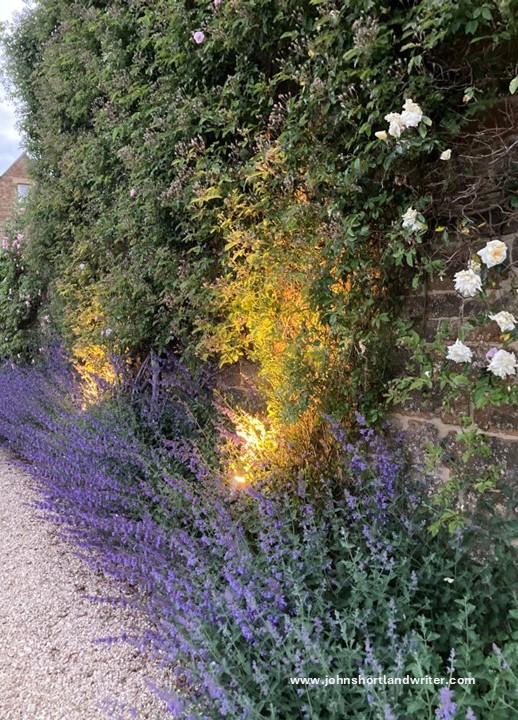
For the planting of the borders, the one against the wall only has catmint (nepeta). This is a useful plant for it smothers weeds and is equally smothered in blue flowers which compliment its silver-grey leaves. It is here that two of the Physocarpus are also planted to give a contrast in both height and leaf colour. As soon as the first of the catmint flowers begin to fade it is important to then cut off every stem to ground level. This may seem ruthless, especially as there will still be quite a lot of flower on it but within two weeks it will regrow and soon be flowering again. If left, the first flowering stems die back and the plant looks messy.
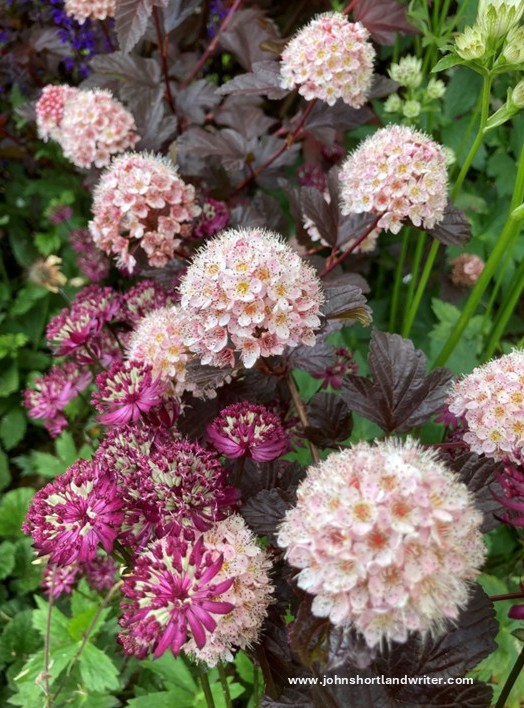
The twin borders are set back from the pool, and again Physocarpus are used as the centrepiece for height. The burgundy theme is continued with the deep wine-coloured leaves of Ligularia, the papery flowers of Astrantia and trumpet-shaped Day Lilies (Hemerocallis). The latter are an especially useful plant for they send out their bright green and sword-like leaves early in the spring and they never look untidy.
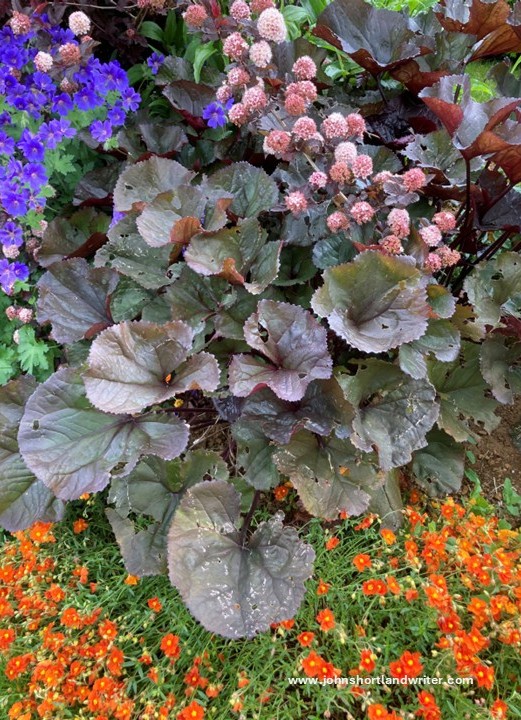
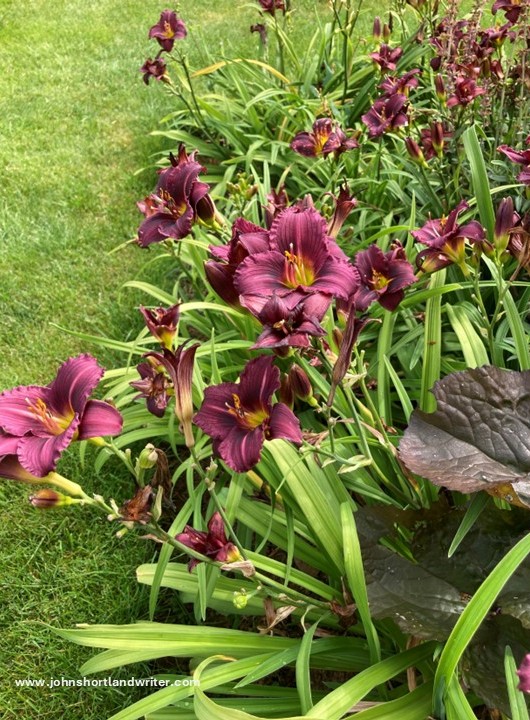
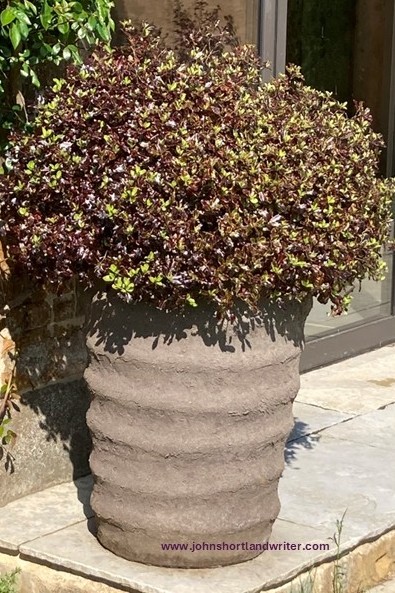
For contrast, and to maintain the hot theme, I have mostly used oranges and golden yellows, the plants chosen to give continuity of display from June to the first frosts. These are interplanted with purple salvias and shocking pink echinacea to break the colour – not too many: just enough to emphasise how much orange/yellow there is, if that makes sense. This part of the garden isn’t used much for the rest of the year but the displays could begin in early spring with golden daffodils, especially the exotic looking orchid varieties, followed by masses of deep-coloured tulips and wallflowers. For the winter, the scarlet and orange stems of dogwoods would brighten the dullest of days. My client didn’t want too many pots or planters but I did manage to squeeze in two planted with the wonderful dwarf Pittosporum ‘Tom Thumb’. Summer pots filled with zinnias and tall spikes of fiery red or orange cannas would really compliment a garden like this, but it’s not to be.
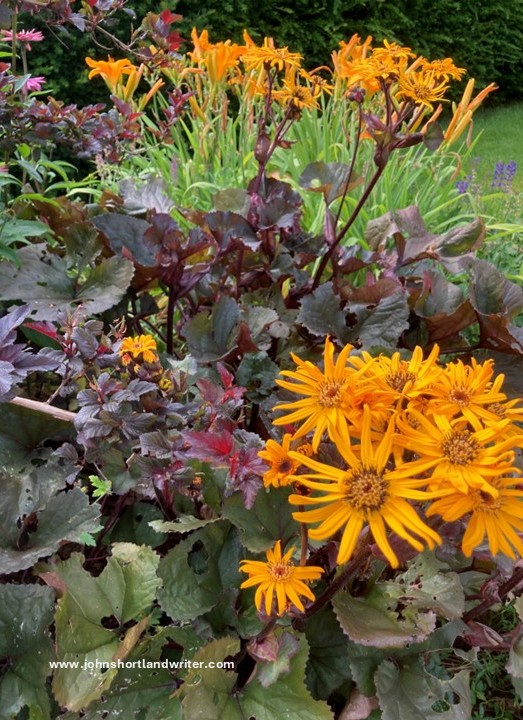
I hope that this post may have inspired you to be bold with your choice of colour. I’ve illustrated it with one garden devoted to this style of planting but it can be greatly scaled down to just a single bed or corner – the twin beds above only measure about 5m x 2m each. Below is a list of the plants that I have used which is by no means, exhaustive for there are endless possibilities to choose from.
Plant List
Astrantia ‘Claret’
Echinacea purpurea
Geranium x magnificum
Geum ‘Princes Juliana’
Helianthemum ‘Hennfield Brilliant’
Hemerocallis ‘Burning Daylight’
Hemerocallis ‘Little Grapette’
Ligularia ‘Desdemona’
Nepeta ‘Walker’s Low’
Physocarpus ‘Lady in Red’
Potentilla fruticosa ‘Tangerine’
Rudbeckia ‘Prairie Glow’
Salvia ‘Mainacht’
A note about the Cypress trees.
The cypress were already established and are now beginning to get too large for the space so may end up being removed. When reduced in size they tend to lose their elegant shape. I am inclined to replace them with Irish Yew which is naturally columnar in shape and withstands pruning. The golden-leaf cultivar would blend well with the walls as well as contrast with the dark green yew hedging.
If you’ve enjoyed this post and found it helpful and interesting don’t forget that there’s my book that reveals all sorts of gardening tips. Written in an informal, no-jargon way for the newcomer to gardening but also for those with more experience. If you’re not that enthusiastic about your own garden or have little time to devote to it then this is the book for you! Available from bookstores and/or Amazon.
Happy Gardening!
 Life in the English Cotswolds