Take Ten Roses

Over the years, as part of my work as a garden creator, I’ve had the pleasure of planting several rose gardens, mostly on quite a modest scale.  However, that changed four years ago when I was asked to design a garden from what was a steeply sloping area close to the house.  I had just retired and so the client, whom I’d known for many years, agreed that I would only create the design and oversee the purchase of plants but everything else others would do.  In effect, it meant that I had all the fun tasks without having to commit to working endless hours as their own team of builders and gardeners would do all the hard labour.  Just as well, as the end design involved considerable earth moving and wall building…

The rose garden will be in the middle section
The rose garden laid out but still some way to go before planting…

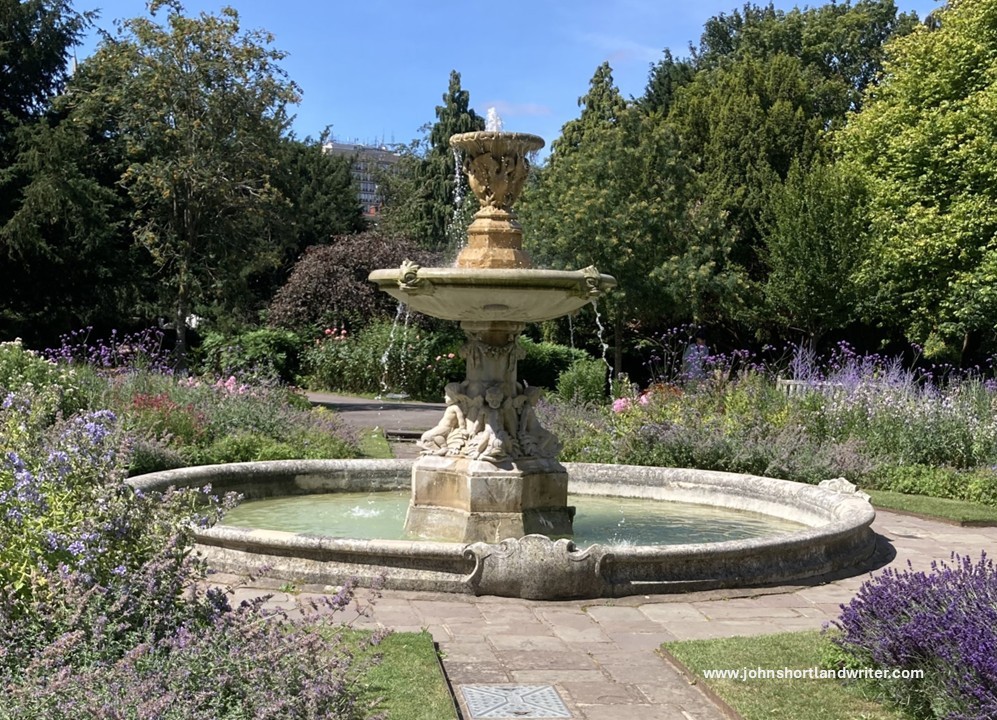
The change of levels meant that a sizeable terrace was needed and at 25m x 8m (82ft x 26ft) I proposed that this would be the perfect place for a formal rose garden.  Roses are beautiful when in flower but look dreary during the winter, especially when seen en masse.  Here they would be hidden from view but during the warm, summer months their heavy scent would rise to entice the garden visitor to literally follow their nose.  Reaching the steps that lead down to the parterre they are hit by a dazzling display of colour creating a (good) visual shock.  With the shelter and warmth provided by the terrace walls and some yew hedging, the roses have thrived.  The photo below was taken this week, just over three years since they were planted.

The rose garden three years after planting

Walking through the parterre I was pleased that I had decided to plant just four varieties, all with rich, vibrant blooms.  However, it also made me ponder on the countless roses that I have grown over the years and which were, to me at least, the best.  Could I restrict myself to just choosing ten?  Well, here goes and not in any special order. 

More images from the rose garden

Queen of Sweden   Surely this must be everybody’s idea of what the perfect rosebud should look like?  It’s a tall, upright rose not unlike the Queen Elizabeth rose although I think it has the edge on that one.  I have only ever grown it in one garden and perhaps unsurprisingly, the owners were Swedish.  I like to think that hasn’t influenced my choice!  It’s good as a cut flower and excellent as a buttonhole.

The Queen of Sweden rose

Rosa de Rescht   I first came across this heavily scented moss rose in the garden of an elderly artist where she grew it as a low hedge lining a pathway.  Over the years, I got to know her well and she told me it had been planted by her mother when she was a child, so it is obviously a long-lived and trouble-free variety.  It is upright, suckers freely but in a good way which means that it never looks straggly or sparce.  Best of all, the suckers flower true to type so can be used elsewhere.  I was given some several years before the artist died and they have flourished in my own garden.  They are disease free and I have discovered that they thrive equally well in semi-shade under trees.  You can read more about this rose here.

Rosa de Rescht, a moss rose

Rosa Ghislaine de Feligonde   This is quite a ‘new’ rose to me.  A climber, I planted it to scramble along the top of a garden wall in a client’s garden where instead it sulked for about three years at its foot.  I was about to remove it as a failure when it suddenly put on a spurt of growth to become the beauty that it is now.  Is it slow to establish or was it just slow in that particular spot?  I don’t know the answer but how glad I am that I didn’t condemn it to the bonfire.

Rosa Ghislaine de Feligonde

Rosa Weichenblau   The so-called ‘blue’ roses are not everybody’s cup-of-tea and I have mixed feelings about them.  Some I love, others, I’m not so keen.  That’s mostly down to colour as the blueness can vary in intensity.  I like this rambling rose enough to have it in my own garden where it flowers happily along an old wooden fence filling the garden with perfume for a relatively short period of time.  This one I tend to let travel where it wants as periodically quite large lengths of it suddenly die.  I’ve never worked out quite why and it doesn’t really matter too much – I just prune it out and fill the space with the new growth which it regularly sends out.

A love it or hate it rose: Weichenblau

The Crocus Rose   A pale, creamy beauty from David Austen.  I grew this shrub rose in a border combined with apricot-coloured roses; the spaces in-between filled with tall spikes of blue campanula and purple salvias.  All were contained behind a clipped box hedge and it created a lot of interest.  One of the advantages of being a working gardener (I always feel the term ‘professional gardener’ sounds rather dismissive to all those very talented and knowledgeable home gardeners) is that I get the opportunity to experiment with both plants and planting styles and in many different sorts of soils.  However, in this instance, I’ve never tried to recreate it despite its success.

The Crocus Rose

Rosa x odorata ‘Mutabilis’   I find this a fascinating shrub rose as it has all the colours of the sunset in one flower: the buds start a very deep pink, the flowers open to a rich pink and gradually fade to apricot.  The result is this multi-coloured rose which, with its single flowers being produced prolifically and over a very long period, the effect is mesmerising.  It is an open shrub rose with rather wiry, lax branches and so it can get a bit straggly over time.  I’ve found that it responds to quite hard pruning although it isn’t as fast to recover as the modern hybrid roses.  In my present garden it copes with quite windy conditions, and in one place it has sneaked its way in amongst a wall-grown climbing rose where it has reached a height of five feet.  I’ve never tried growing it solely in this way, it would be interesting to find out how it looked.  This plant has had several name changes over the years so you may find it offered for sale as Rosa chinensis ‘Mutabilis’ or just Mutabilis Rose.

Rosa x odorata ‘Mutabilis’

Gertrude Jekyll    Named after the Edwardian garden designer, this vigorous rose is usually sold as a climber where it can reach ten feet.  However, if pruned hard each winter and then pruned into shape, it can be grown as a modest sized shrub.  Either way you’ll be treated to these superb blooms.  I grow it as a climber but I do prune some stems quite hard to make sure that I have growth of all heights.  Left to itself all the flowers will be high above eye level on long stems which make fabulous cut flower arrangements in tall vases.

Gertrude Jekyll, usually grown as a climber

Blush Noisette    Probably best described as a short climber.  My experience is growing it in the corner of a high wall where I only tie in the occasional branch, the rest remaining free yet upright.  It is smothered in these small, almost double flowers and if regularly dead-headed will flower throughout the summer.  Completely trouble-free, it never seems to get attacked by disease or pests.

Blush Noisette

Rosa glauca    Don’t be fooled by the garden catalogues showing a pretty pink almost star-like flower for, as can be seen in the lower left corner of the image below, they are fairly insignificant.  This rose (sometimes sold as Rosa rubrifolia) is grown for the colour of its young leaves and stems, making it much more of a foliage plant.  A shrub rose, if left to its own devices the colour fades: to maintain its colour interest it needs to be quite hard pruned during the winter to encourage new growth.  In the photo below, I planted a trio of them in an herbaceous border with the poppy ‘Patty’s Plum’ in their centre.  This poppy always collapses just as it flowers and, as I hoped, here it has become caught on the rose thorns saving me the task of staking and tying them in.  I treat the roses as if they were herbaceous plants and so they are cut to within a few inches of the ground in early winter along with all the other plants in the border.

The poppy ‘Patty’s Plum’ growing through Rosa glauca

Dog Rose   It may surprise you to find included here our wild rose of the hedgerows, Rosa canina.  I’ve only ever grown it once and that is here in my own garden.  Appearing as an unasked-for bird-sown seedling at the foot of iron estate fencing, any attempt I made at cutting it out only increased its vigour.  I don’t like using weedkillers much and so I accepted defeat and decided to try and tame it instead.  We have reached a truce: I prune out only the longest stems it continually produces and it, in return gives me a splendid, if short-lived display of beautiful pink and white blooms that the bees and other insects love.  Left on, I then have another display of bright red rosehips through early winter after which, it has a severe haircut.  The result has become the talking-point of our garden.   As I have learnt over the years, sometimes the most unexpected plants or combination of plants give the greatest pleasure.

A bird-sown wild Dog Rose growing on a garden fence

Remembering Faithful Friends

As any dog owner will tell you there is something very special when you develop a close relationship with an animal.  They provide comfort and company, they are forgiving and unquestioningly loyal and, if you’re that way inclined, they keep your feet warm at night. But it isn’t just dogs that we become devoted to, for cat owners will tell you the same, as do the owners of other types of pet.  People that keep horses rarely, it seems, talk of any other subject (we’ve been a bit guilty of that in the past!) but, and however unlikely this seems to some of us, people form close relationships with cows, tortoises and pretty well any other creature, furry or not.

Thopas, one of several Scottish Deerhounds – and a much younger version of me!

Recently we have lost our much-loved lurcher, Twist, after a short illness.  She was the last of a long line of lurchers and deerhounds that I have owned (or more accurately, have owned me) since being given my first well over fifty years ago.  Taurus, named after my birth sign for he was a 21st birthday gift, was a deerhound x sheepdog and so had brains as well as speed.  Occasionally he would be used to work sheep on a friend’s Exmoor farm and he would cover the rough terrain so quickly that he had to learn to realise that sheep couldn’t run as fast as he would like them to.  When he died back in the early 80s I, as I did with all the subsequent dogs, buried him carefully in our garden.  Although many people would find doing that quite hard, I found that it was comforting knowing that this was the last thing I could do for them, a sort of parting gift.  However, this blog isn’t going to be allowed to dip into sadness for it is a celebration of their and other people’s pets lives, and more especially so about the small, private pet cemeteries that people have created over centuries.

Twist,my last lurcher, left & Taurus, my first, right

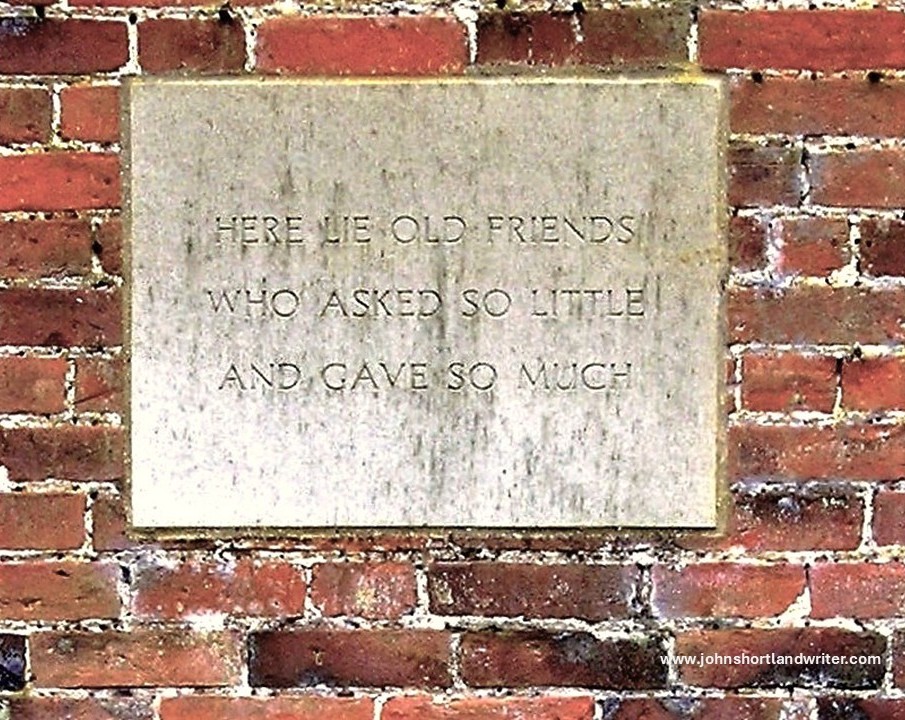
I first came across a pet cemetery in a shaded corner of a garden of a large country house where I was Head Gardener.  I’d not really thought about such a thing before but here were rows of stone markers most with names and dates dating back decades.  Enquiry found that they were, without exception, black or golden labradors, working gundogs as well as much-loved family members.  It was a quiet place, not much visited and easily unnoticed other than by those that remembered them.  The second cemetery was when I worked for another large country estate but this time, the pets, mostly dogs were of all sorts of breeds – spaniels, labradors and mongrels.  This time, however, it was a prominent feature for the owners wanted to be readily visible.  The plaque on the wall above the individual names had, I thought a rather lovely sentiment.

Half-hidden by shade but not forgotten – the first pet cemetery I cam across
“Here lie old friends who asked so little and gave so much”

Pet cemeteries were always small, private affairs for only the wealthiest could afford to honour their pets in this way.  With the rising of a more affluent middle class and a growing sentimentality towards animals in general, the Victorians wished to do the same for their pets as they would do for any other family member.  The first cemetery came about more by chance when a dog named Cherry was buried in the garden of the lodge adjacent to Hyde Park in London.  Word spread, more were accepted and by the time the garden closed in 1903 there were well over a thousand pets buried there.  Although now closed to the public, it is still possible to visit the cemetery on occasion.

The pet cemetery at Hyde Park (photo credit: J Rennocks, CC by 4:0, Wikipedia)

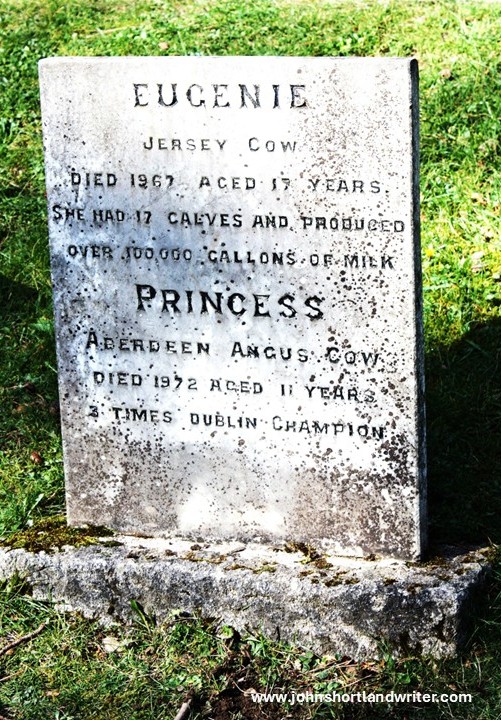
Perhaps the most memorable pet cemetery I have visited is the one found at Powerscourt in southern Ireland. The house and grounds are well worth visiting in their own right but the pet cemetery should not be missed.  It is a grand affair with gravestones and even an obelisk dating back well over a hundred years.  The most recent burials date from the 1960s.  Yet it isn’t the obelisk that makes Powerscourt memorable, it is for the shared grave of Eugenie and Princess – perhaps the most loved and honoured cows of all time.

The pet cemetery at Powerscourt, Ireland
The memorial to two much-loved cows at Powerscourt, Ireland

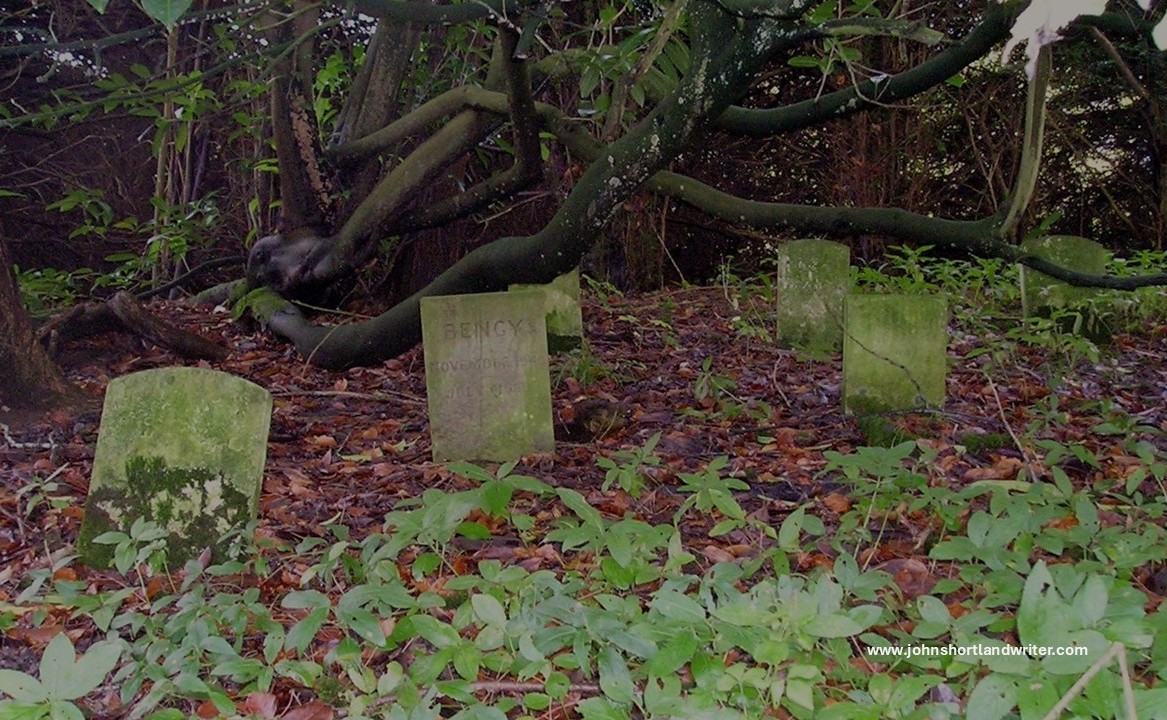
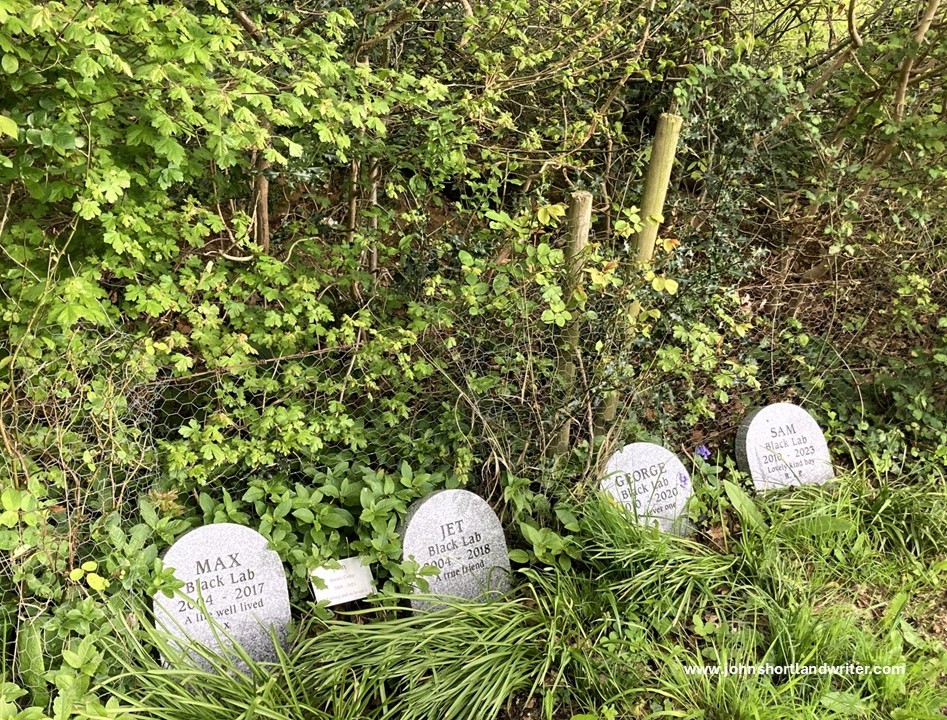
I’m afraid my dogs graves are no such grand affairs for they lie unmarked but no less remembered for that.  Likewise, the graves I found recently when returning to childhood haunts.  Walking along the woodland edge where I once played and made summer camps, I came across more much-loved labradors (they seem to feature prominently in pet graves), obviously quite recent additions.  It is good to know that the simple tradition of burying our pets in the places where they once roamed continues into the present day.

Simple markers for faithful friends on the edge of woodland by my childhood home
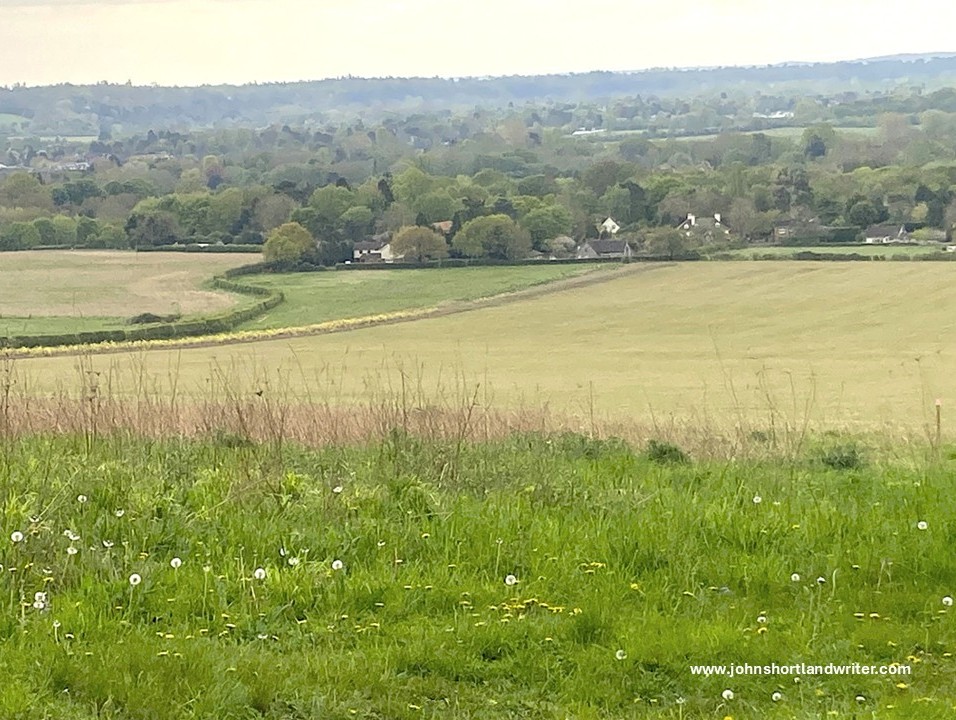
What a view those labradors have! I roamed these fields and woodlands with Taurus, my first lurcher

Before the Swallow Dares: the daffodil in myth, magic & verse

It is a remarkable fact that if you Google search daffodils in poetry, the great bulk of prompts are the same: Wordsworth’s I Wandered Lonely as a Cloud.  Yes, it is a great poem and one I learnt as a very young child at school, now so very many years ago, but how has it come to dominate our thinking?  Like many others, I now only remember the first line and the last, but how lovely it is to imagine William walking in the warm spring sunshine of 1807 through the vales of the Lake District with his sister Dorothy.  Perhaps they had been commenting on the few cotton-wool clouds that drifted across the sky before suddenly coming across a host of golden daffodils

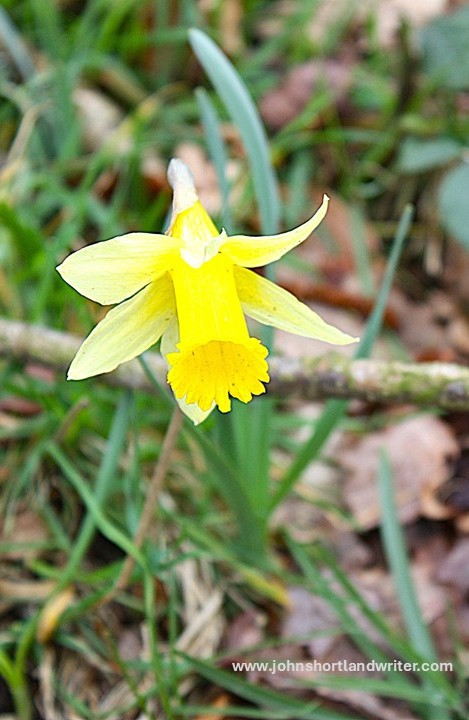
Our native daffodil, Narcissus pseudonarcissus
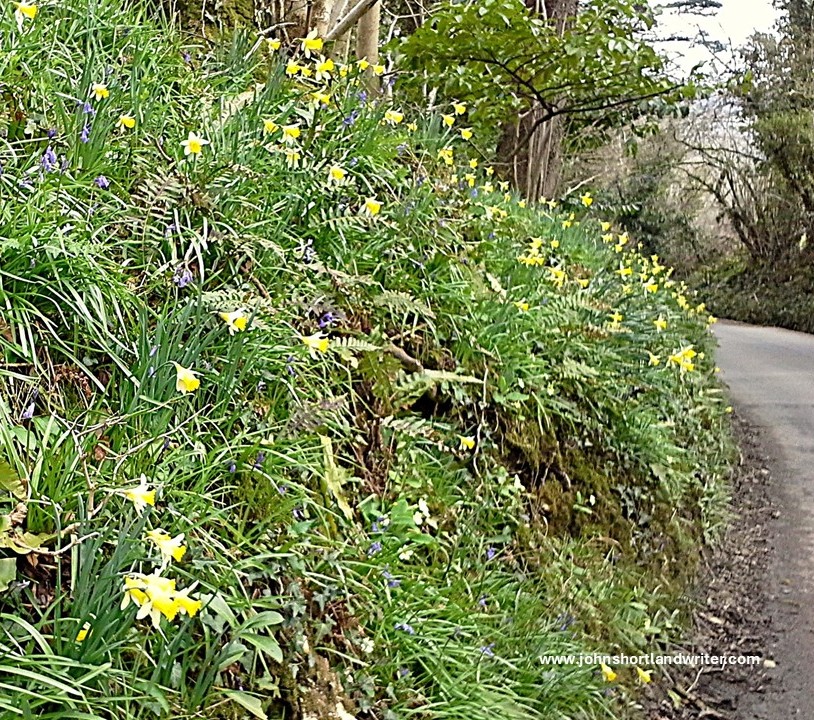
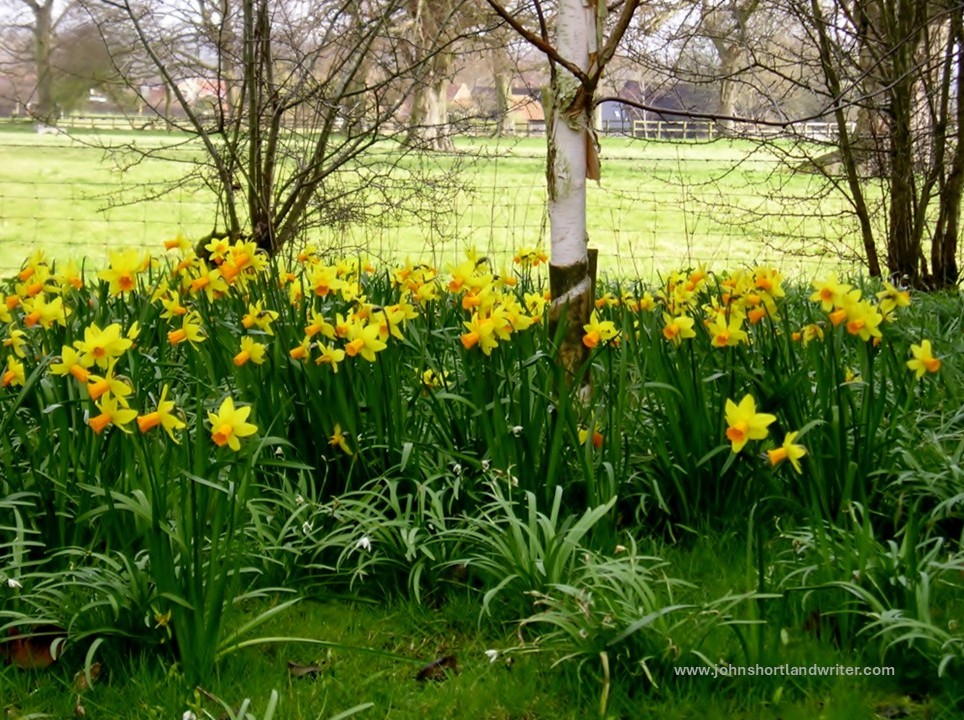
Wild daffodils growing on a Devonshire bank

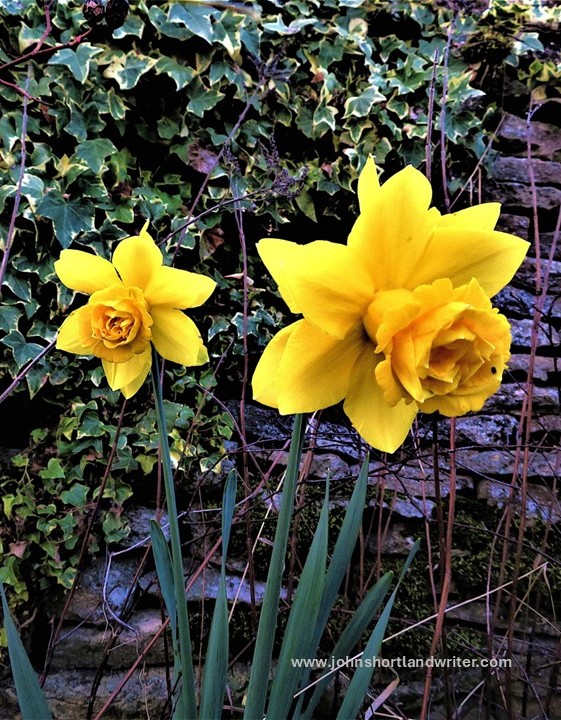
In more recent times, Ted Hughes has been equally moved by their colour – their bloomers of scrambled egg-yolk.  He also captured perfectly how they appeared quite suddenly after lying seemingly dormant for months on a piece of land that he had purchased.  He delighted not just in their beauty but even more in the opportunity to pick and sell them all, sevenpence a bunch.  Only after, did he regret it, recognising his own frailty in theirs.  Robert Herrick, writing verse three hundred years earlier had come to the same realisation.

A double variety showing off their “bloomers of scrambled egg-yolk”

Perhaps it is because the daffodils are so eagerly anticipated each spring that we pine when they are all too quickly over.  How we long for some bright golden colour in our gardens after the greyness of winter yet how we resent their dull, decaying leaves that linger far too long after the flowers fall.  In the past, our grandparents would tidy them by tying their leaves into a knot, or worse, cut them off at ground level.  Now we have learnt that it is necessary to let nature take its course if we want plenty of blooms in future years.  From experience, I have found that it is fine to cut the leaves off six weeks after the flowers have finished.  I describe how to avoid seeing this untidiness further down the page.

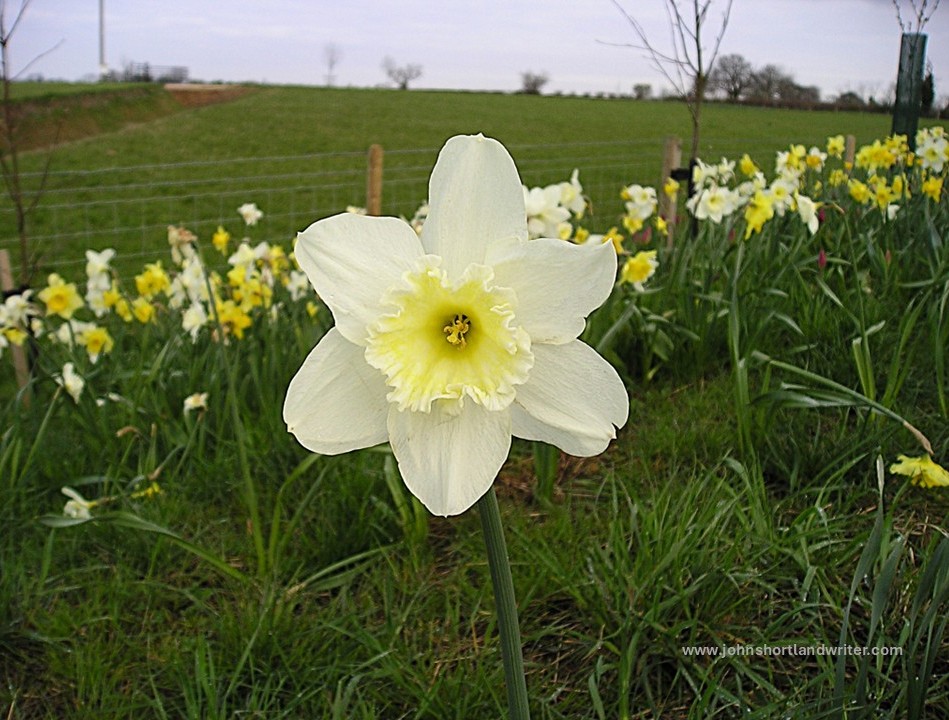
Narcissus ‘Salome’ growing in a garden border

Wordsworth seems to be the only one that ignored the link between the daffodil’s beauty and the mortality of man.  The story of Narcissus reminds us of our own demise.  He was the stunningly handsome youth of Greek mythology who, seeing his own reflection in a pond, became so entranced by it that he remained there and pined away.  From that spot the daffodil sprang and so each year, Narcissus (the botanical name for daffodil) entrances us with its beauty before dying and returning to below ground.

Narcissus gazing at his own reflection by Caravaggio, 1599 [Wikipedia]

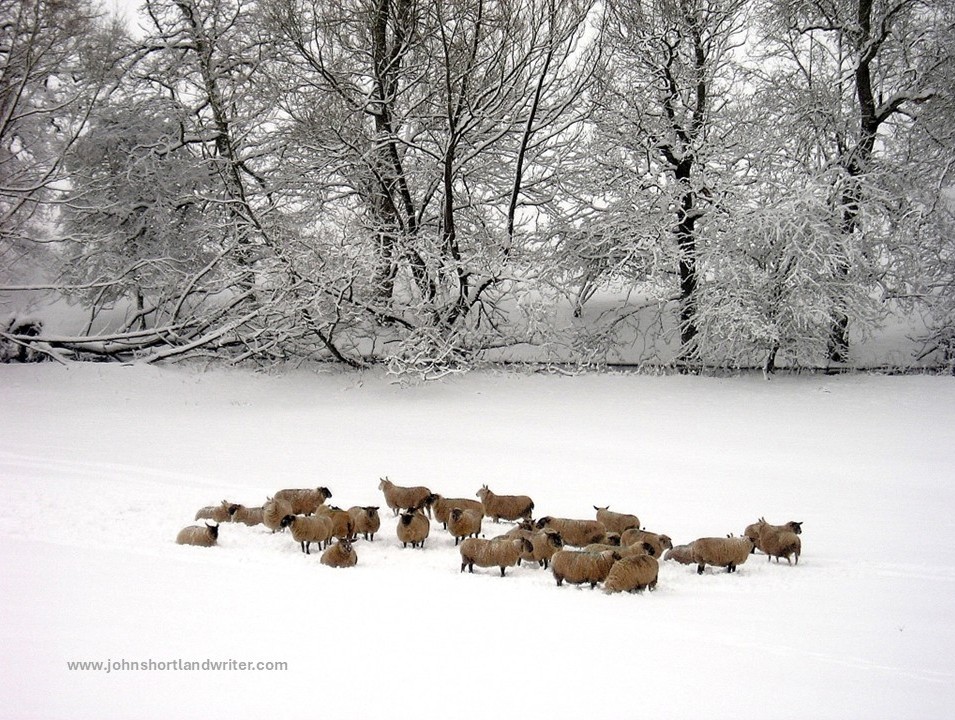
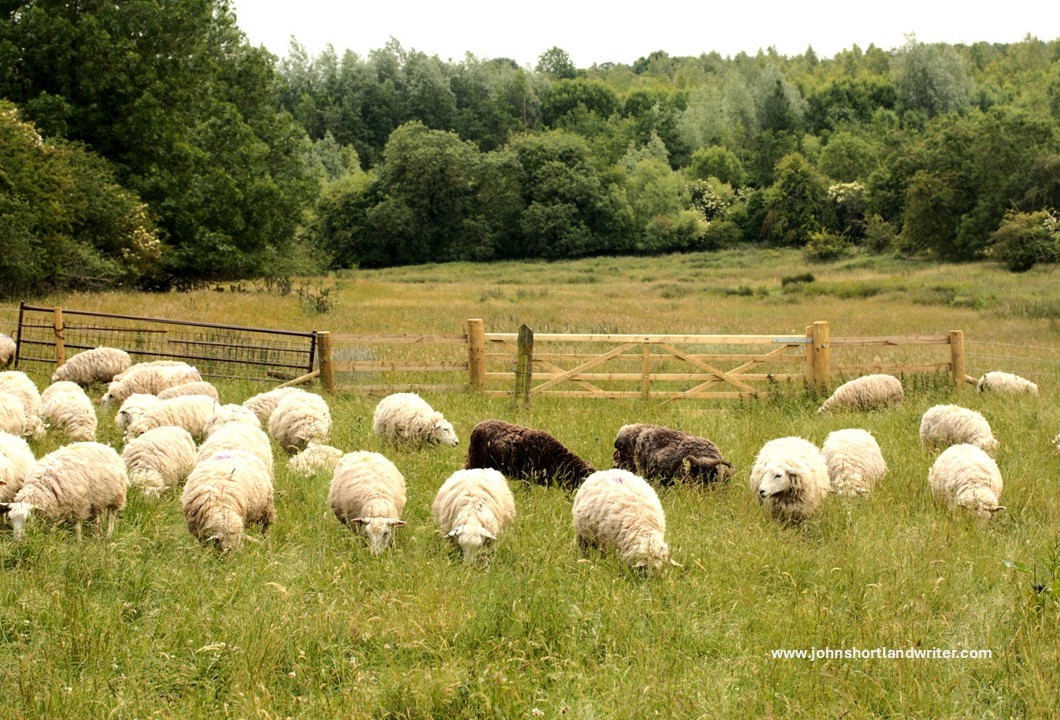
In witchcraft and magic the use of daffodils is mostly associated with fertility (rebirth) and rites of spring.  They bring joy and self-esteem (although I would have thought that what happened to Narcissus might be a warning on overdoing the latter!) and bunches of daffodils in the house are a symbol of luck and renewal.  However, a single daffodil is unlucky, perhaps again because of the story of that unfortunate youth.  It is surprising that little seems to be mentioned in spells of the story of Pluto using the flower to entice Persephone into the Underworld, presumably by using the flowers narcotic qualities.   Perhaps it is for that reason that I have found no use for any part of the bulb in herbal medicines for all parts are highly toxic: I once had them growing in a field where sheep and lambs regularly grazed and they avoided eating them; they don’t seem to be eaten by wild animals either.  Anyone getting the sap from the cut stems on their skin will know just how sticky and unpleasant it is although I personally have never had any adverse reaction from it. 

Narcissus Jetfire

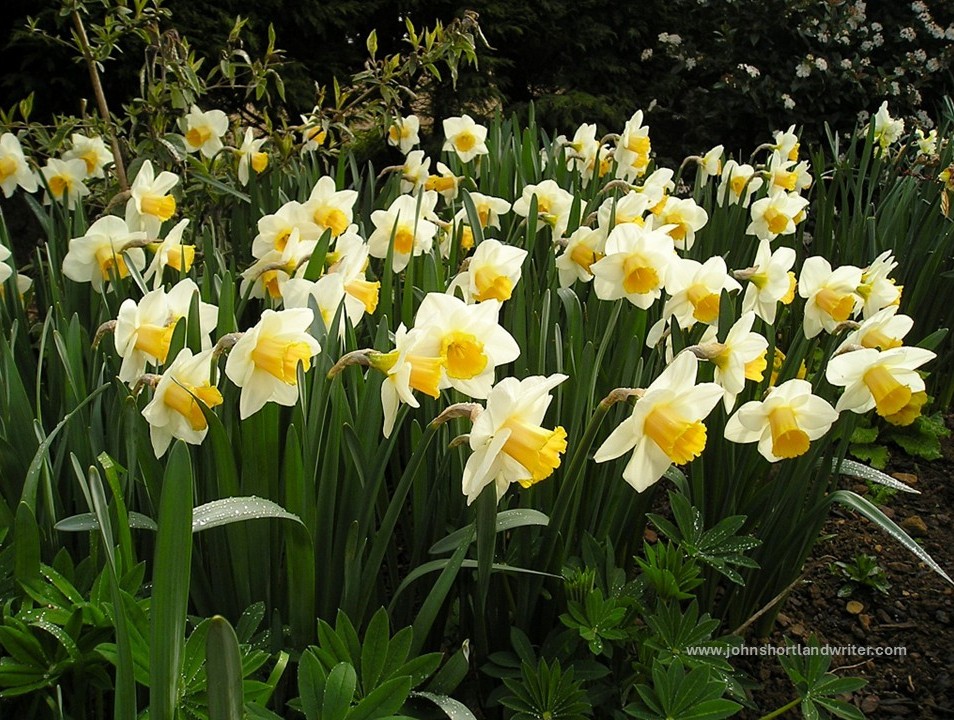
I have written before about planting daffodils in the garden so will concentrate here on growing them in grass and their aftercare.  In borders, I always plant the bulbs far back (the flowers are bright enough to be seen but the untidy, dying leaves will be hidden).  On driveways that isn’t always an option but where possible I plant them behind a strip of mown grass which improves the general appearance.  It is essential that the bulbs are planted in groups for a lonely daffodil looks silly as well as unnatural. To make them look as if they have been growing there for decades gently roll handfuls of the bulbs and plant them where they land, and also in varying densities.  To extend the flowering period mix different varieties – my usual combination is Carlton and St Keverne for all yellow flowers, adding Ice Follies if I want to mix in white ones.  Plant as early as possible, say September although I have planted as late as November if the ground isn’t too wet or frozen.  As mentioned, cut the leaves after six weeks from the end of flowering – usually the first week in June in our Cotswolds garden.

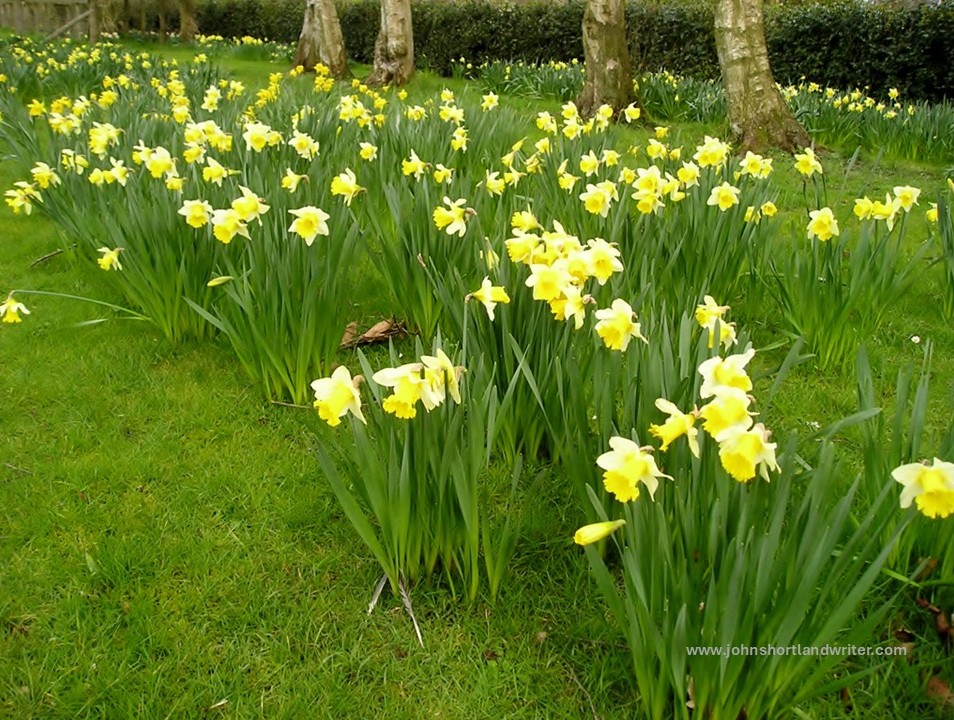
Daffodils naturalised in grass with a short-mown strip in front
Narcissus ‘Ice Follies’ naturalised with yellow St Keverne & Carlton

I Wandered Lonely as a Cloud
That floats on high o’er vales and hills,
When all at once I saw a crowd,
A host, of golden daffodils;
Beside the lake, beneath the trees,
Fluttering and dancing in the breeze.

Continuous as the stars that shine
And twinkle on the milky way,
They stretched in never-ending line
Along the margin of a bay:
Ten thousand saw I at a glance,
Tossing their head in sprightly dance.

The waves beside them danced; but they
Out-did the sparkling waves in glee
A poet could not but be gay,
In such a jocund company:
I gazed – and gazed – but little thought
What wealth the show to me had brought:

For oft, when on my couch I lie
In vacant or in pensive mood,
They flash upon that inward eye
Which is the bliss of solitude;
And then my heart with pleasure fills,
And dances with the daffodils.

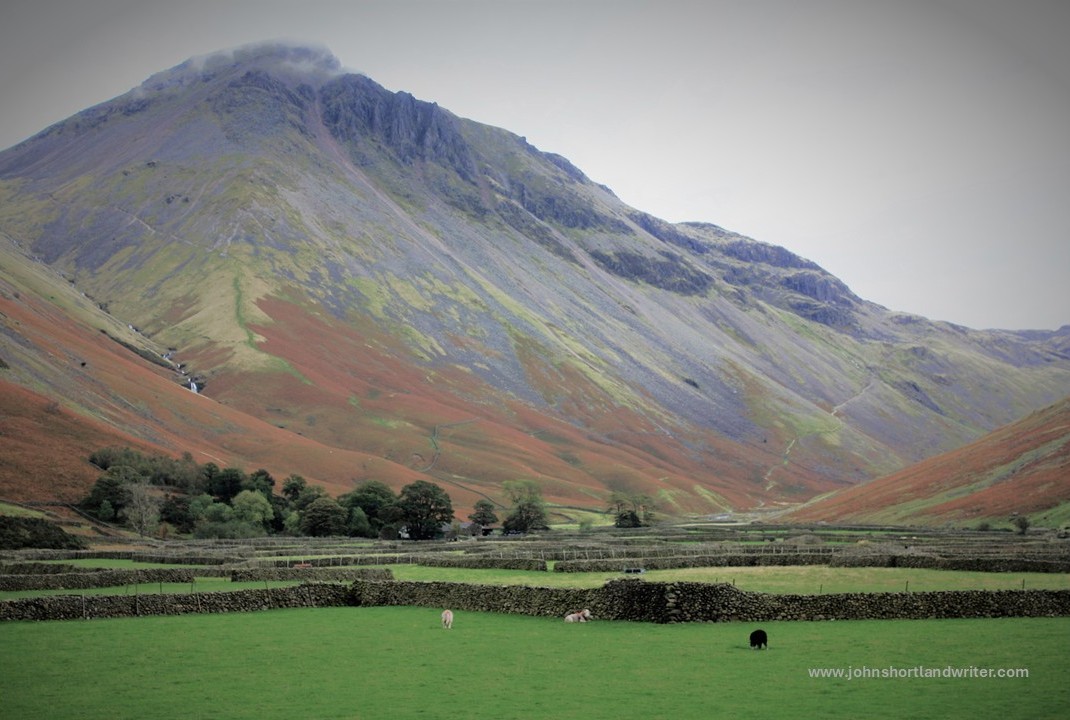
The stunningly beautiful Lake District, now a National Park
Yew Tree Tarn in the Lake District National Park

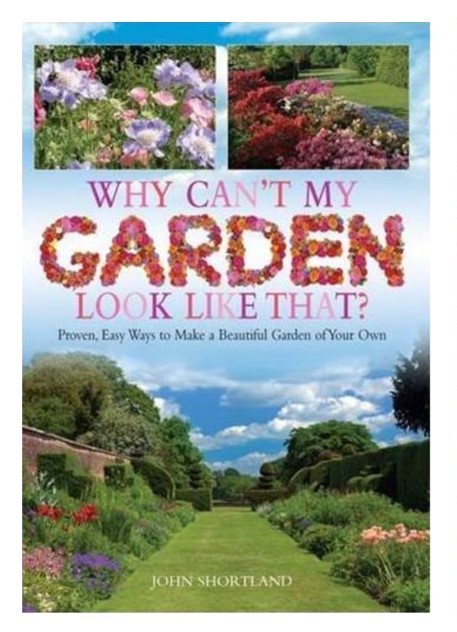
For simple, straightforward ideas and advice on gardening and garden design why not take a look at my book.  Written with no jargon so ideal for first-time gardeners as well as those with more experience.  Available from all good bookshops and Amazon.

Notes:
i)   Before the Swallow Dares is the lovely way Shakespeare writes of daffodils
ii)  Daffodils by Ted Hughes – link here
iii) To Daffodils by Robert Herrick – link here

Still Waters Run Deep

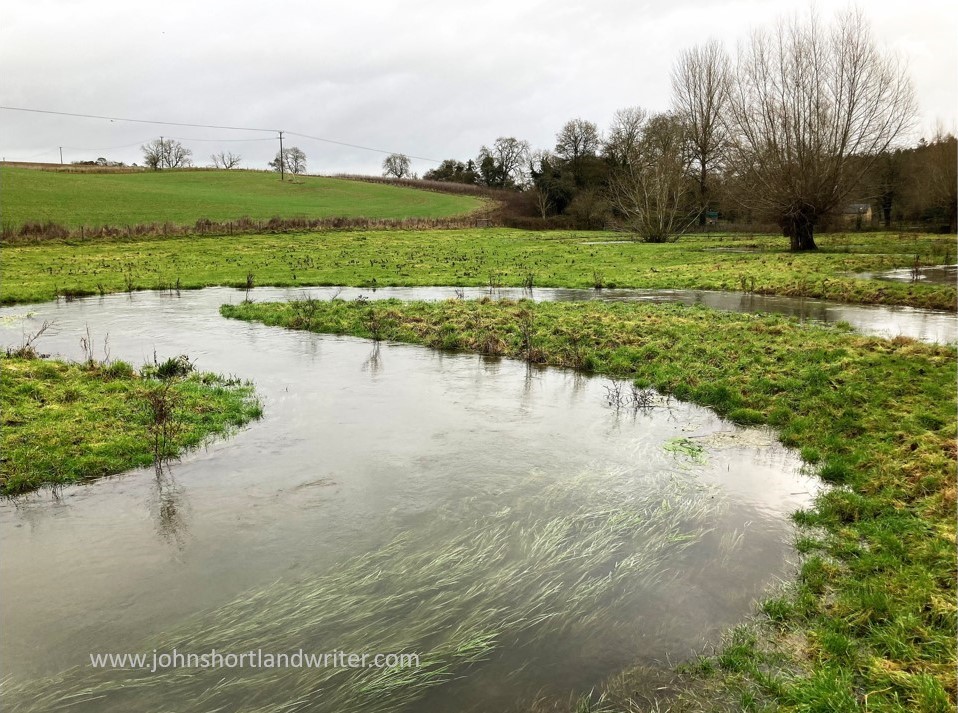
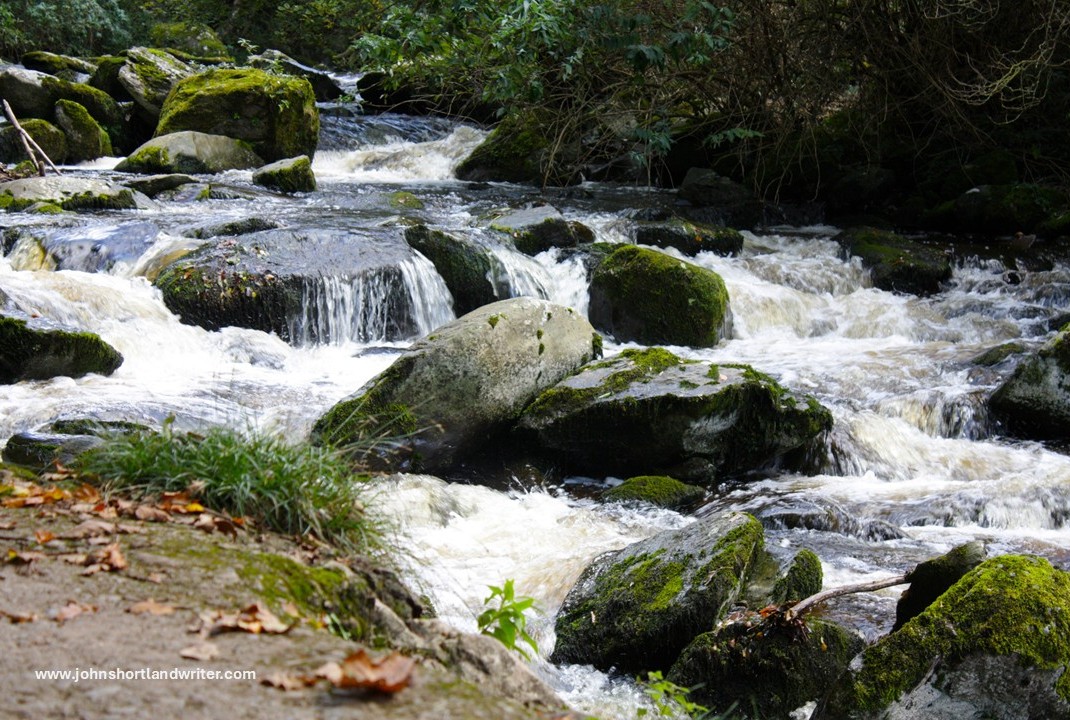
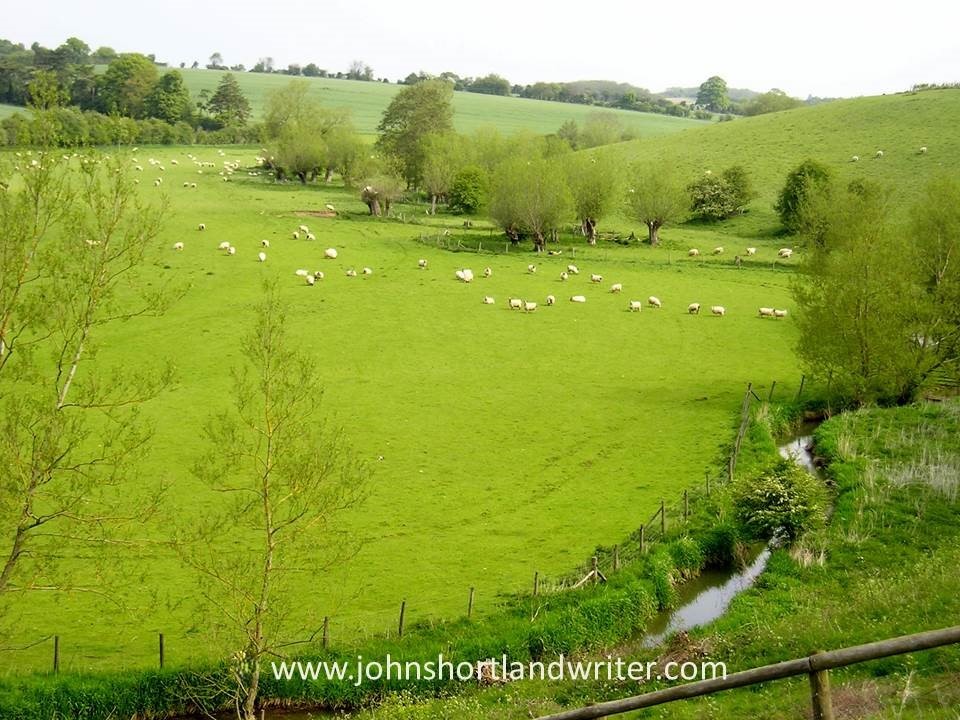
I think this title may be a little misleading, for the river that runs past our little stone-built cottage is neither deep nor that still.  However, it isn’t like the raging rapids that surge through my other secret valley, the one in my beloved Exmoor.  I guess it falls somewhere between the two – perhaps the title should be Still Glides the Stream after the poem by Wordsworth for the water, for much of its course through the valley, does seem to glide rather than flow.

The river seems to glide past our little stone house rather than flow
The river in my other secret valley in the Exmoor National Park is more like a raging torrent

‘Our’ Cotswold river, the Glyme, starts its course in the hills above the town of Chipping Norton.  There is no big fanfare to announce its rising from the ground, instead there is a marshy bit of land and a trickle of water.  How surprising it is to think that this is the source of our drinking water and mill wheel power, as well as two beautiful, landscaped lakes created in the 18th century by Lancelot ‘Capability’ Brown.  One of these lakes is at Kiddington Hall where, when I first moved to live in this area, I was employed as Head Gardener.  Another of the lakes is at Blenheim Palace in Woodstock, a UNESCO World Heritage Site and one of relatively few Grade 1 listed gardens in the UK.  By the time the water has reached these it has flown past our little stone cottage and threaded its way around the series of meanders, the photo of which I use as my blog header.

There is no big fanfare to tell you that this is the start of a most beautiful river
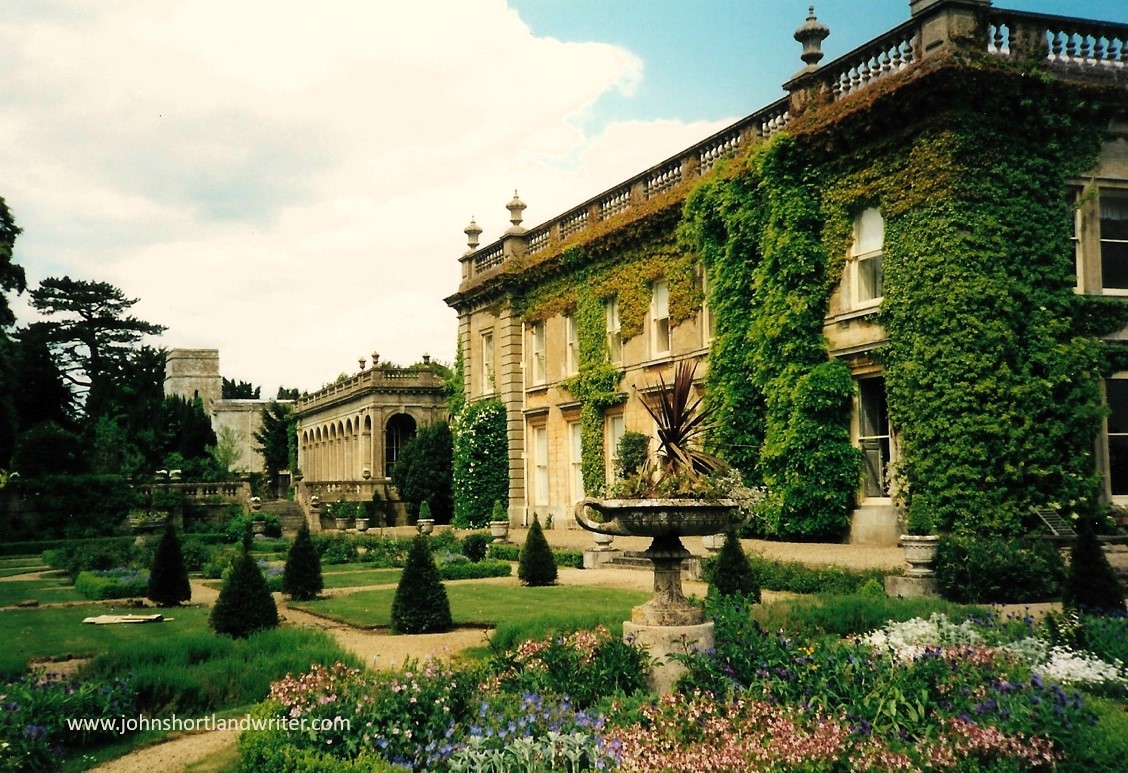
The Italianate gardens at Kiddington Hall at the time I was Head Gardener. They overlook the river

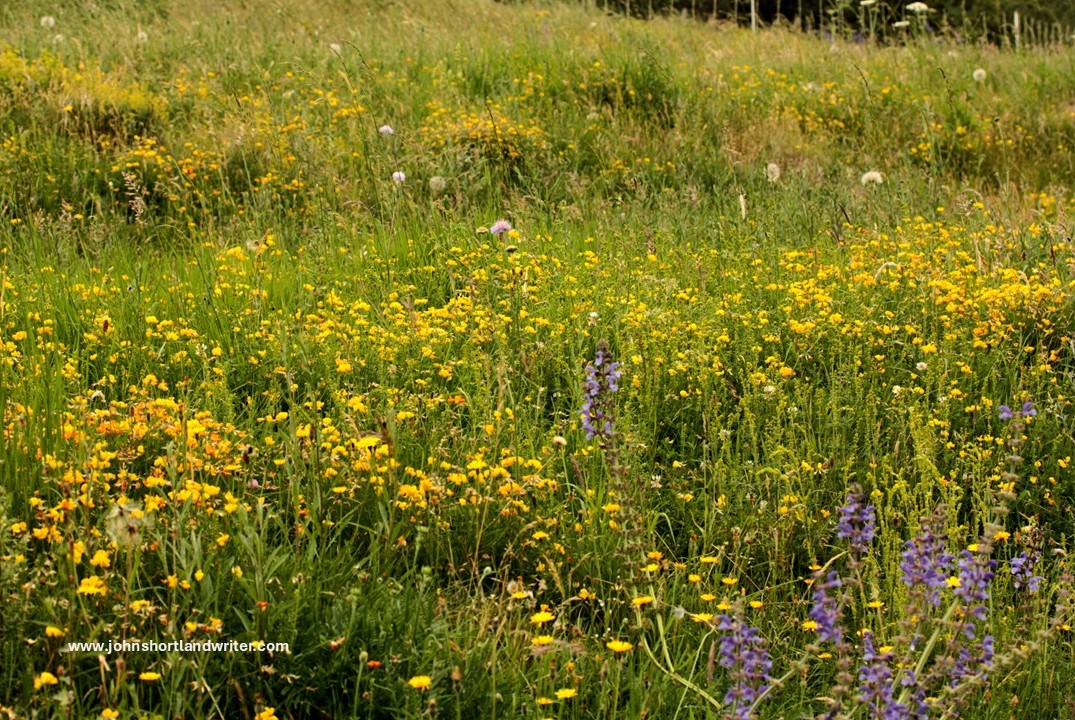
Nature abounds along the whole length of the river.  At its headwaters on a series of natural terraces an abundance of wildflowers grow including the rare native Salvia pratense, more usually thought of as a deservedly popular garden plant.  On the banks around our house and elsewhere, orchids can be found as can, on dryer spots, diminutive wild thyme (see my earlier blog, I Know a Bank Where the Wild Thyme Grows).  In the river both native White-clawed Crayfish and their larger, hungrier cousins American Crayfish thrive, the latter crowding out the former which are now restricted to the higher reaches.  Trout and pike can be caught (although the private fishing rights are jealously guarded) and the much smaller minnows – ‘tiddlers’ to us as children, stickleback and Miller’s Thumb fish are also present.

Purple spikes of the rare Salvia pratense growing amongst a myriad of other wild flowers by the headwaters of the River Glyme
A trio of wild river trout

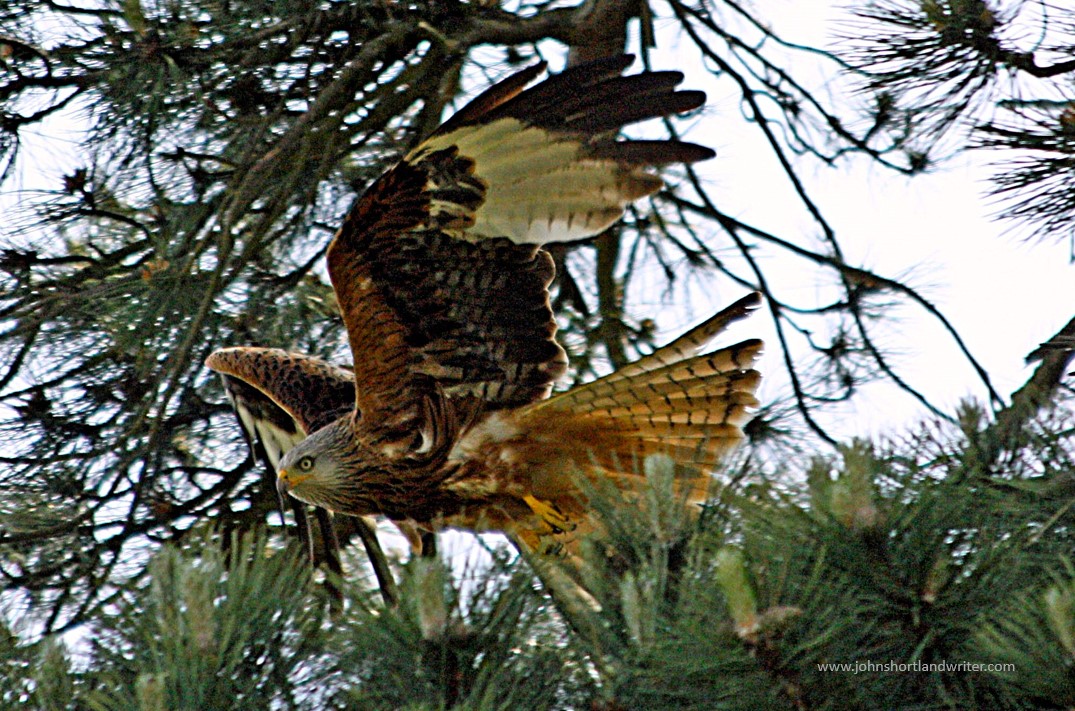
It isn’t just flowers and fish that frequent the river for many of the larger mammals live by or near it – four of the six species of wild deer in England roam here: Fallow, Roe, Muntjac and Chinese Water Deer.  Roe are native, whereas Fallow were reputedly introduced by the Romans two thousand years ago; the Muntjac and Water Deer are more recent introductions.  Badger, Fox and Otter are shy, mostly nocturnal and so are rarely seen other than by the lucky few.  Fortunately, I have been one of them!  Birdsong, especially at this time of the year, announce the many different species that visit or breed here: Red Kite, Spotted Flycatcher, Kingfisher, Little Egret being just a few of my favourites.

Otters frequent the river but are shy and rarely seen
Red Kite, once hunted to near extinction are now a common sight along the course of the river

After Kiddington Hall, the river continues to wind its way through the villages of Glympton and Wootton where it is joined by the even smaller River Dorn.  A mile upstream of that river is where we stabled our horses and like our own valley, it is secluded and not much frequented despite being very pretty.  The Glyme next enters Blenheim Park, and as mentioned earlier, the river has been dammed and landscaped to create the palace’s Queen Pool and Lake.  From there it cascades into the larger River Evenlode which in turn flows into the Thames a few miles from Oxford.

The River Dorn, a tributary of the Glyme, snakes its way through the hils
The lake at Blenheim Palace created by the waters of the Glyme

Human settlement around the banks of the Glyme didn’t just start with the Romans.  Evidence of much earlier Britons can be found all along its length.  Perhaps one of the most prominent, yet weirdly more often overlooked, is the hoar stone in the village of Enstone.  Perhaps the reason for this is that by tradition the Old Soldier, as it is known, takes himself off to the river when thirsty to have a drink (see my blog post on the Old Soldier here).  This may well be true for, despite the stones’ huge size, I have often gone past it only later to realise that I hadn’t actually noticed it being there!  Further downstream there are earthworks known as Grim’s Ditch, a series of banks and ditches that probably served as boundary markers.  When the ditch was being created some 3000 years ago, the Old Soldier was already 2000 years old. I rather like the thought that living and working on the land I and am part of an unbroken chain that dates back five millennia or more.

The Old Soldier, now 5000 years old
This insignificant looking little bridge marks the place where Akeman Street, a road built by the Romans, crosses the River Glyme

Footnote:
i) Still Glides the Stream is from William Wordsworth sonnet, written in the early 1800s – “….Still glides the stream, and shall forever glide….”
ii) Still Waters Run Deep: a proverb dating from the early 1400s or even earlier. Modern use refers to great passion hiding behind quietness. Originally it suggested that silence often hid danger and Shakespeare (who else!) picks up on this theme in Henry IV – “…smooth runs the water where the brook is deep….show he harbours treason….”

Creating Warmth in the Garden

Here, in the UK, we’ve been having the dreariest of winters with what seems weeks and weeks of mild temperatures, heavy overcast skies and incessant rain.  There have been a few cold, bright days but these have been rare.  The view from my window as I write this is of greyness reflected in grey floodwater where our little, winding river has overflown into the field below our house.  Some days it has been so dark and gloomy that the electric lights have had to stay on.  So it seems appropriate to write now about bringing warmth into the garden especially as it is the perfect time to create a new design whether it’s a single bed or a complete redesign.

Floodwater below our house which fortunately sits high enough above it to be ok

Obviously, sun is the most important and easiest way of creating warmth and the garden may already have a patio or other seating area in the sunniest spot.  This isn’t always the most sheltered place however, and there is a world of difference between a welcome, cooling breeze on a hot day and a stronger wind that makes sitting there less comfortable.  There are a number of ways to temper the wind without having to build a solid structure which quite often can create issues with turbulence elsewhere.  The simplest method is by planting, whether a hedge or more open, looser shrubs.  Trellis also works well – we’re aiming at filtering the wind rather than blocking it.  The height does not have to be great to have the desired effect.  The image below shows the early stages of screening using plants – it will also, in time, block out the unwanted view of the road behind.

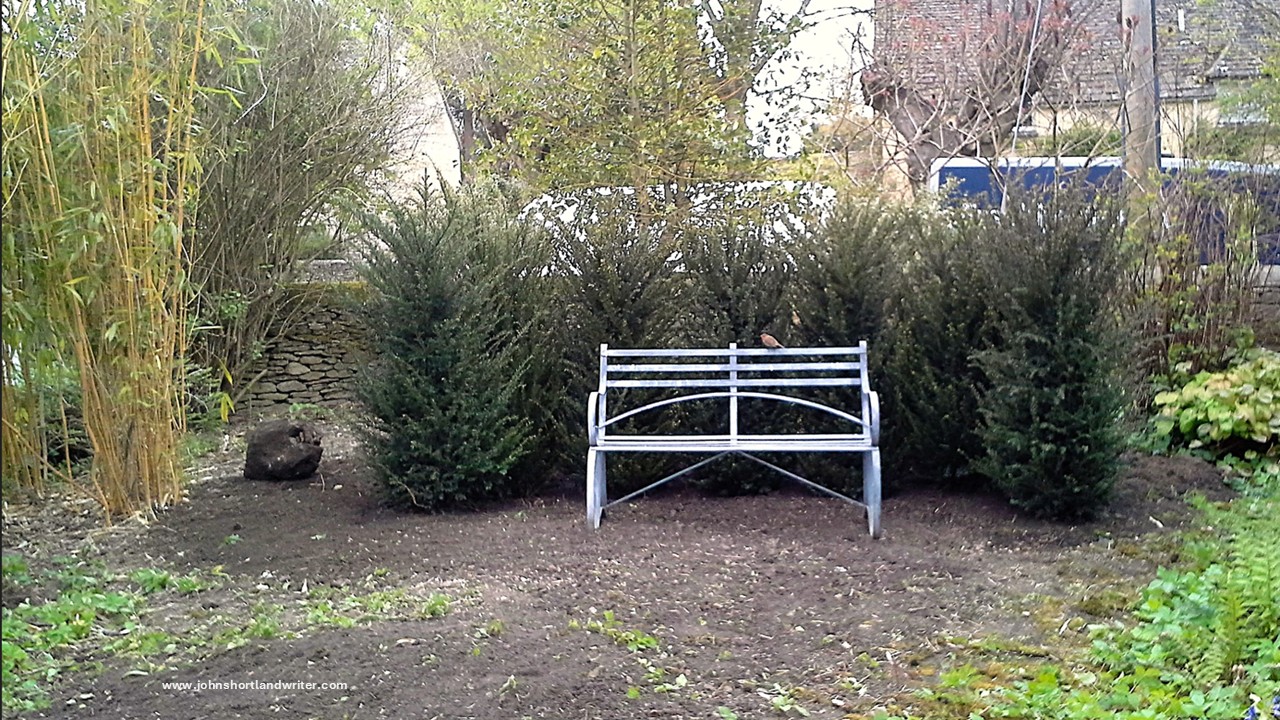
Screening around a small seating area using yew hedging which will become dense within a year. Note the bamboo to the left of the photo with its warm, golden stems

For screening, I often use (as above) yew hedging which gives a good, dark green background and only needs clipping once a year.  It can be bought at various heights and being evergreen, looks good all year round.  Bamboos, now getting rather a bad reputation for being invasive are also excellent if they can be prevented from spreading too widely.  There are some clump forming varieties which are more self-restrained.  In fact, more or less any shrub can be used to make the garden or part of it feel warmer; the secret is to use those with coloured stems or leaves, or flowers that have a hint of the exotic about them.  Bear in mind, ‘though that flowers are often fleeting.

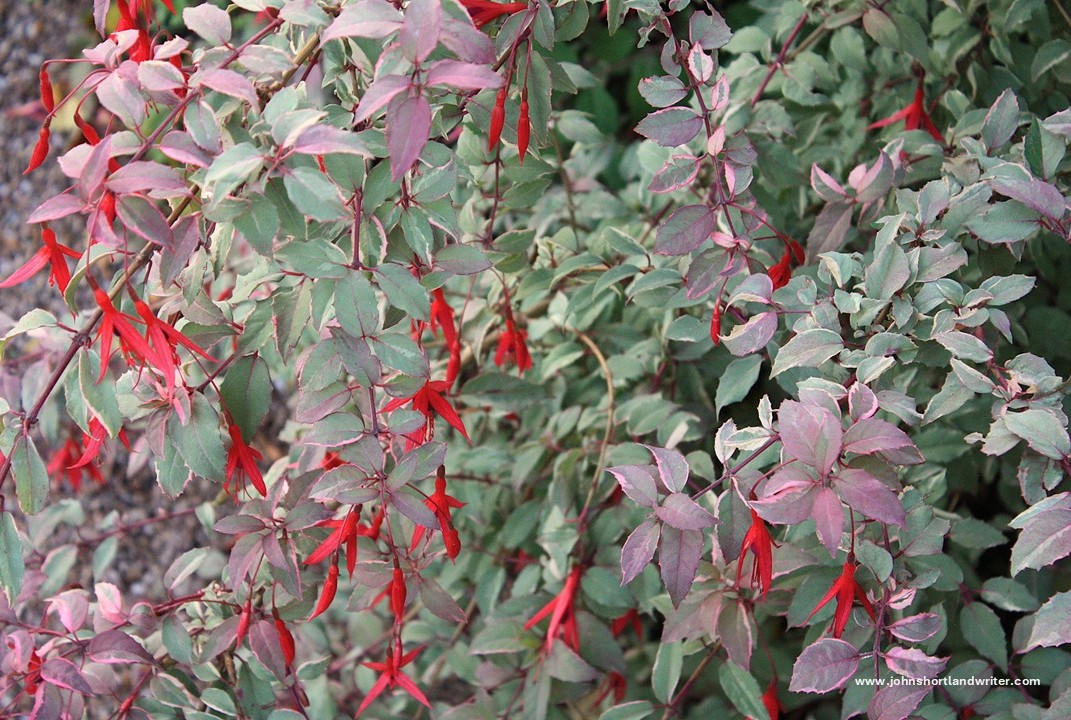
Fuchsia megallanica gracilis ‘Variegata’ : an example of a medium-sized shrub that is hardy, exotic-looking and beautiful
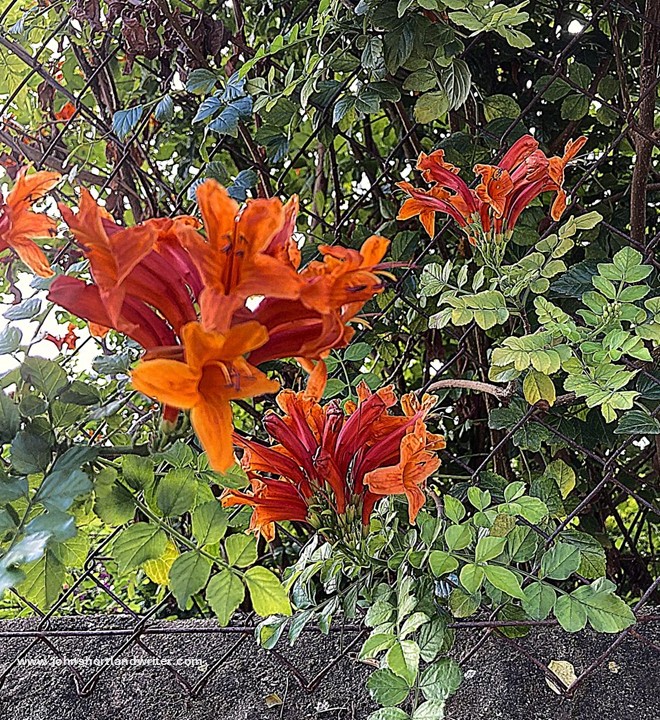
The fiery orange booms of the Trumpet Vine, here climbing through an old wire fence will bring a touch of the Mediterranean to any garden

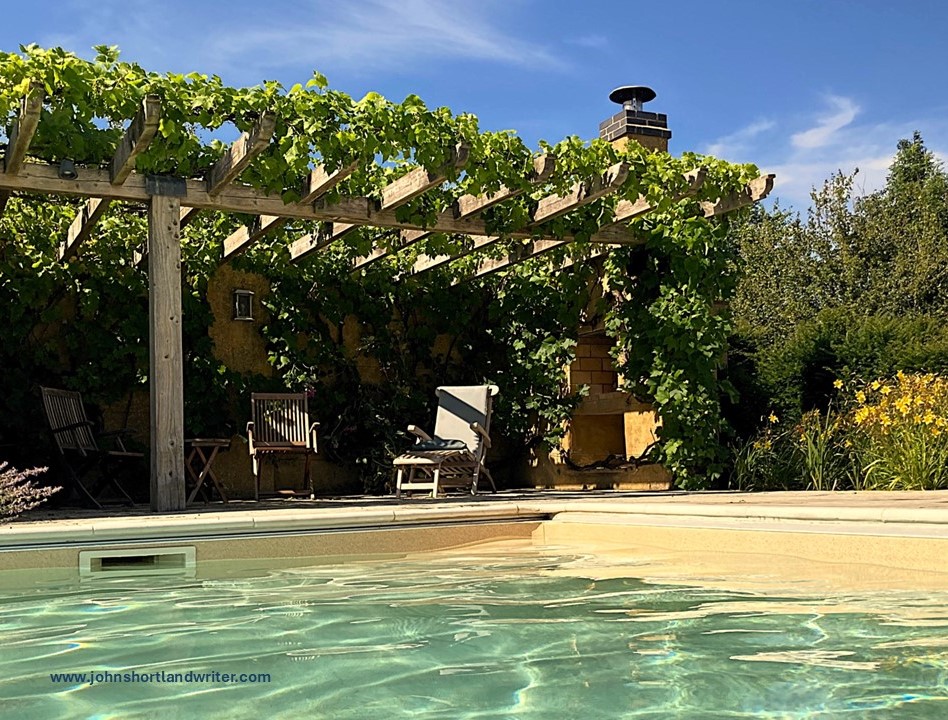
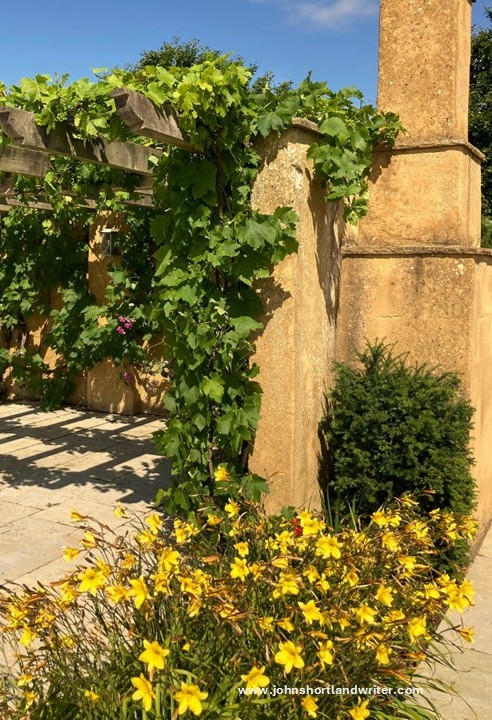
Although we’ve been talking about ways to make the garden feel physically warmer, it is through the planting of the smaller flowering plants that give the real impression of warmth and here the choice is almost limitless.  The rule is to use strong colours and to keep the softer shades to the minimum.  For the example I’m going to use here, I created this ‘hot’ garden which would be at its best during the summer months when the swimming pool is in regular use.  For cooler evenings or for entertaining there is a vine covered pergola adjacent to a built-in fireplace/barbecue.  Note the use of terracotta painted walls which immediately transports you to the Mediterranean.  In fact. Some don’t believe that the two photos below are really of a garden in one of the coldest parts of southern Britain!

The warm tones of the pool, paving and walls transport you to a warmer climate than the realities of an English summer!
Golden day lilies blend beautifully with the walls of this outdoor fireplace and barbecue area. The grape vine hanging loosely over the beams give shade and the sense of being somewhere other than England

Nearly all of this swimming pool garden is enclosed by yew hedges for shelter and privacy; an existing wall has been coloured terracotta as mentioned above.  Shrubs have been kept to the minimum: there are four Physocarpus Lady in Red’ which has fiery new leaves which darken to burgundy as they mature.  Using the one variety helps to unify the design as well as giving some structure to the borders.  Two figs are trained against the wall and pencil-shaped Italian cypress trees also give that Mediterranean feel (see further note at the end of this blog). 

Transforming a cold garden into a hot one!
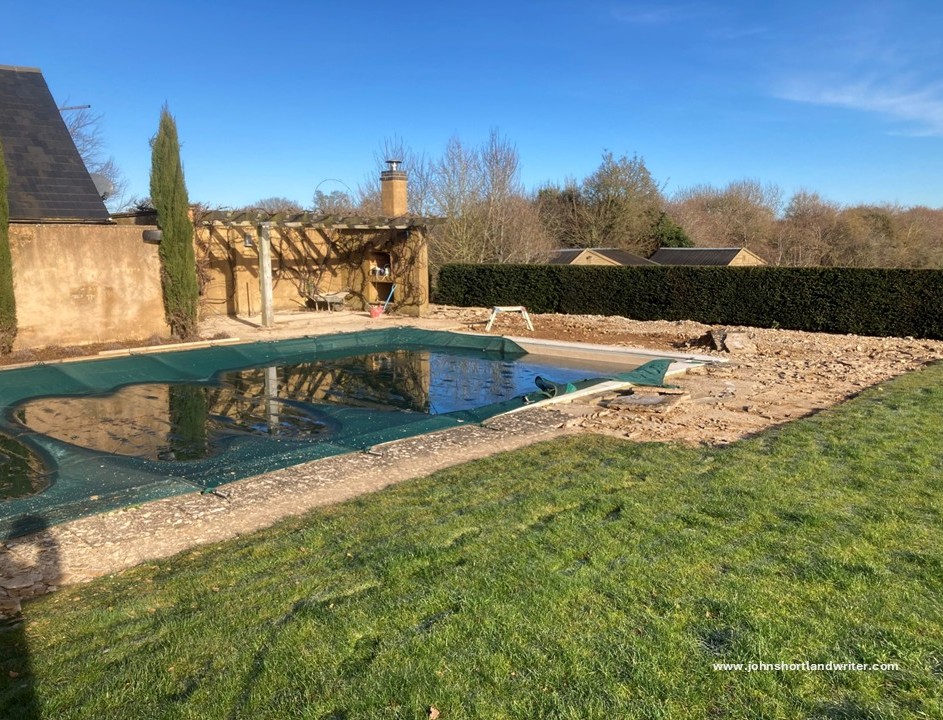
In January the garden was almost derelict, by midsummer it had been completed

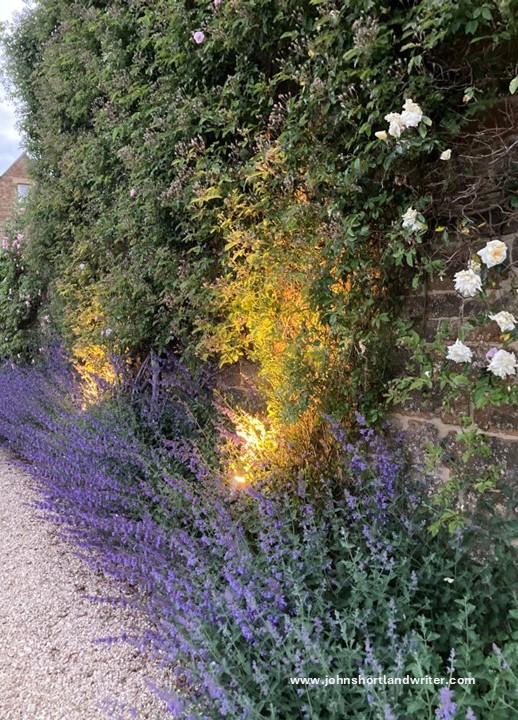
For the planting of the borders, the one against the wall only has catmint (nepeta).  This is a useful plant for it smothers weeds and is equally smothered in blue flowers which compliment its silver-grey leaves.  It is here that two of the Physocarpus are also planted to give a contrast in both height and leaf colour.  As soon as the first of the catmint flowers begin to fade it is important to then cut off every stem to ground level.  This may seem ruthless, especially as there will still be quite a lot of flower on it but within two weeks it will regrow and soon be flowering again.  If left, the first flowering stems die back and the plant looks messy.

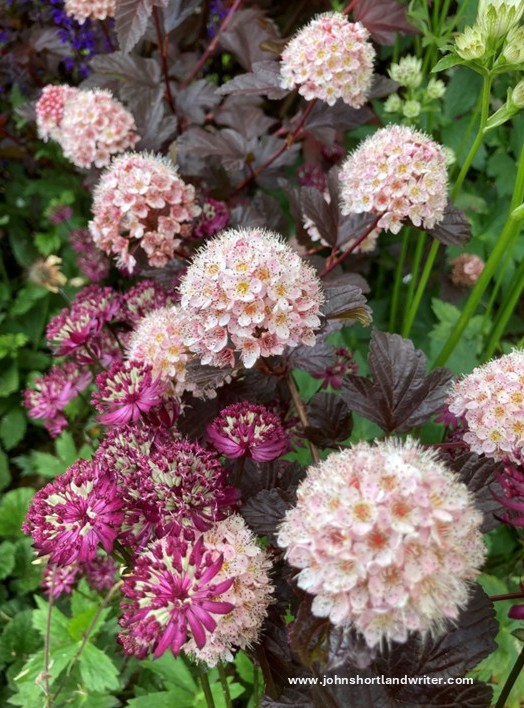
The ball-headed flowers and dark leaves of Physocarpus compliment the contrasting Astrantia ‘Claret’
Catmint (Nepeta) flowering elsewhere in the garden

The twin borders are set back from the pool, and again Physocarpus are used as the centrepiece for height.  The burgundy theme is continued with the deep wine-coloured leaves of Ligularia, the papery flowers of Astrantia and trumpet-shaped Day Lilies (Hemerocallis).  The latter are an especially useful plant for they send out their bright green and sword-like leaves early in the spring and they never look untidy.

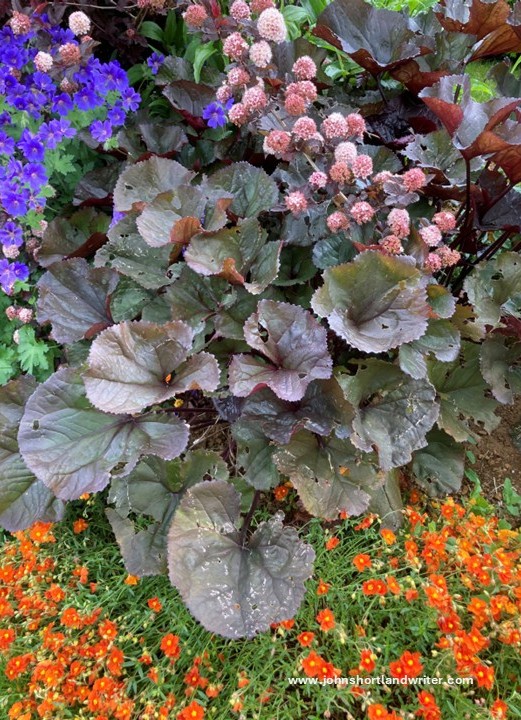
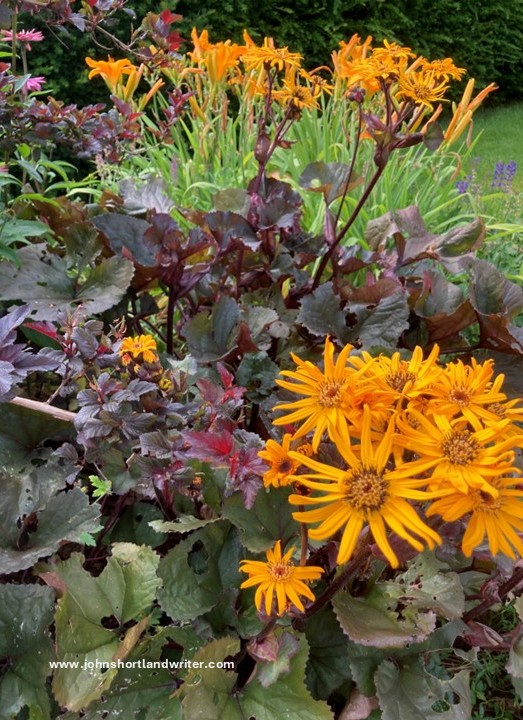
The dark leaves of Ligularia contrast with the tiny orange flowers of Helianthemum. Later the Ligularia will send up spikes of golden flowers
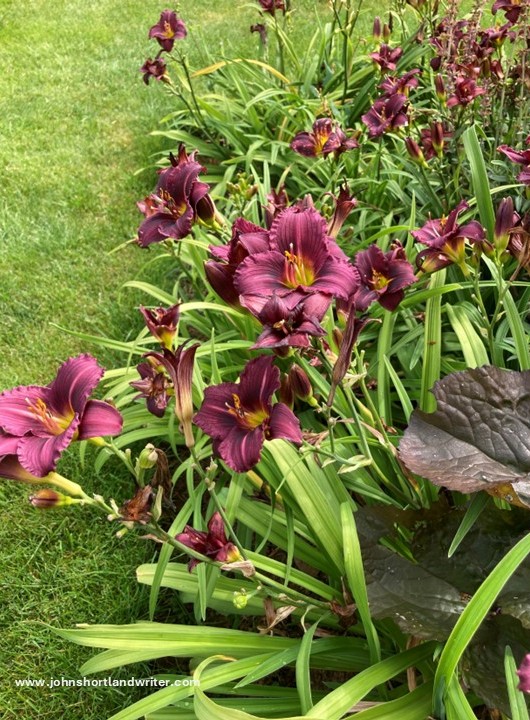
Day Lilies flower all si=ummer if regularly dead-headed. This one is Hemerocallis ‘Little Grapette’

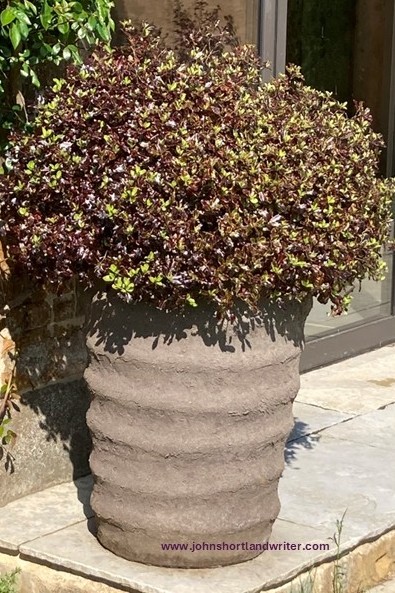
For contrast, and to maintain the hot theme,  I have mostly used oranges and golden yellows, the plants chosen to give continuity of display from June to the first frosts.  These are interplanted with purple salvias and shocking pink echinacea to break the colour – not too many: just enough to emphasise how much orange/yellow there is, if that makes sense.  This part of the garden isn’t used much for the rest of the year but the displays could begin in early spring with golden daffodils, especially the exotic looking orchid varieties, followed by masses of deep-coloured tulips and wallflowers.  For the winter, the scarlet and orange stems of dogwoods would brighten the dullest of days.  My client didn’t want too many pots or planters but I did manage to squeeze in two planted with the wonderful dwarf Pittosporum ‘Tom Thumb’.  Summer pots filled with zinnias and tall spikes of fiery red or orange cannas would really compliment a garden like this, but it’s not to be.

Although the same tone, the shape of the orange daisy-like flowers of the Ligularia contrast well with the trumpet-shaped Hemerocallis ‘Burning Daylight’ in the background
Pittisporum ‘Tom Thumb’: the new pale green leaves turn to burgundy as they age

I hope that this post may have inspired you to be bold with your choice of colour.  I’ve illustrated it with one garden devoted to this style of planting but it can be greatly scaled down to just a single bed or corner – the twin beds above only measure about 5m x 2m each.  Below is a list of the plants that I have used which is by no means, exhaustive for there are endless possibilities to choose from.

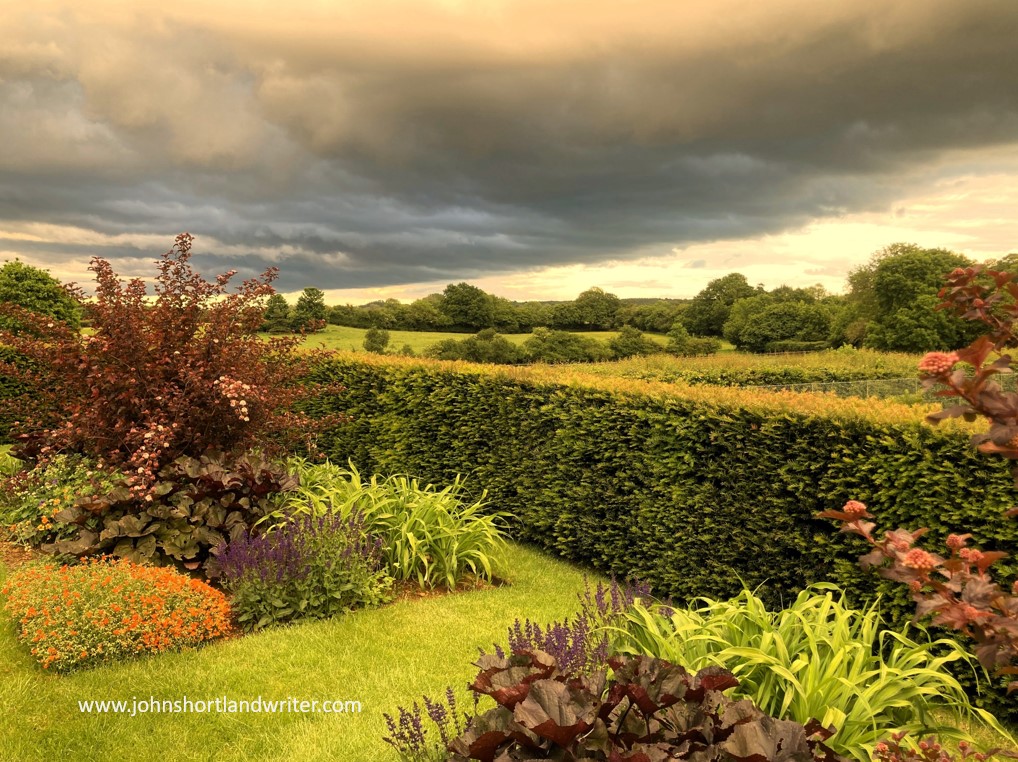
Two year on and the the twin borders glow under the dramatic evening light

Plant List
Astrantia ‘Claret’
Echinacea purpurea
Geranium x magnificum
Geum ‘Princes Juliana’
Helianthemum ‘Hennfield Brilliant’
Hemerocallis ‘Burning Daylight’
Hemerocallis ‘Little Grapette’
Ligularia ‘Desdemona’
Nepeta ‘Walker’s Low’
Physocarpus ‘Lady in Red’
Potentilla fruticosa ‘Tangerine’
Rudbeckia ‘Prairie Glow’
Salvia ‘Mainacht’

A note about the Cypress trees.
The cypress were already established and are now beginning to get too large for the space so may end up being removed. When reduced in size they tend to lose their elegant shape.  I am inclined to replace them with Irish Yew which is naturally columnar in shape and withstands pruning.  The golden-leaf cultivar would blend well with the walls as well as contrast with the dark green yew hedging.

If you’ve enjoyed this post and found it helpful and interesting don’t forget that there’s my book that reveals all sorts of gardening tips. Written in an informal, no-jargon way for the newcomer to gardening but also for those with more experience. If you’re not that enthusiastic about your own garden or have little time to devote to it then this is the book for you! Available from bookstores and/or Amazon.

With a foreword by Josceline Dimbleby

Happy Gardening!

2025: The Year in Review – part 2

2026 has come in with a bit of a blast quite literally for we are experiencing a blast of cold air and snow that has swept down from the Arctic.  Here, in our part of the Cotswolds, the snow and ice are more of a nuisance than anything else for there is very little snow cover and the roads have been quite treacherous.  The country folk of yesteryear always said that if the snow hangs around there’s more on the way – time will tell.  It’s been some years since we had deep snow blocking the lanes.

It’s been a few years since we had snow like this

In part 1 of the review (link here), I reflected on the first six months of the year.  It had been quite a successful year for me researching my family history.  I’m fortunate for I can trace them back very many centuries – at the moment I’m reading a book about them in the 1400s!  I also took the opportunity to finally visit the chapel (link here) where one is buried and nothing had prepared me for the splendour of it or how strangely moving the experience was.  I also met with Canadian cousins (this time, living ones!) for the first time and we all commented how strong family bonds can be.  That, and a prompt from you, one of my readers, made me reflect on those other great influencers in our lives, mentors.

The Beauchamp Chapel, named after one of my ancestors, Richard Beauchamp

In June I had written about my first pair of mentors, Dick and Lorna French who lived on a remote farm in Exmoor National Park.  Their story can be found here.  The following month, I wrote about Cyril and Pamela Heber Percy who I first met in my early thirties.  How different they were from Lorna and Dick but how equally valuable were the life lessons they taught me!  The Heber Percy’s had both been brought up by wealthy, landed parents.  Cyril, who was born in 1908, had come from a background that we now associate more with Royalty: it was a house with liveried footman and a strict regime.  Pamela’s family were very different for she was brought up in Ireland where the discipline was far more relaxed.  Both had a deep love for nature and a huge interest in people.  They, like most mentors, had the ability to make you feel very special.  It was with Cyril that I first learnt to fly fish, and it was he that gave me the ability to recognise where the fox had lain and the badger pushed through a hedgerow – more of them in this link here.

It was back to Exmoor for August (link here) to explore the three churches where according to local rhyme and legend no priest would ever go to.  Was it due to them being so remote or was it due to witchcraft?  Or bandits?  Or lepers? Whatever the reason, they are well worth visiting today for they sit in some of the most stunning countryside that you’ll find in England, and in August the hills are cloaked in a purple haze of heather flowers.  One of the three churches is world famous for it was at Oare that Lorna Doone was shot as she stood at the altar on her wedding day.  As with all my blog posts, there are lots of photos to demonstrate what a beautiful area I have been lucky enough to have spent so much time in since my teens.

Oare Church on Exmoor where Lorna Doone was shot on her wedding day

September found me writing about the chance contact by a Cheltenham art gallery asking me for help with a series of watercolours of London street scenes they had acquired.  It turned out that they had been painted by yet another ancestor of mine (they have since been sold and are now in the United States).  My own artistic talent is restricted (as one kind person described it) to painting with plants – I can visualise garden design and create it but I could never offer clients an artist’s impression!  In the blog I explored the various connections I have to people that are skilled artists ranging from present day to those in the past.  It was a fascinating task and not one I’d ever thought much about until I received the prompt from Cheltenham.  To see the London paintings as well as the others I found click on the link here.

One of the four paintings of London that are now in the USA

It was very much back to the Cotswolds for Halloween.  We live very close to the Rollright Stones, parts of which date back six thousand years – so older than Stonehenge.  It has long been a place of ritual and superstition and Rollright and its surrounding villages have an equally long association with witchcraft.  In 1875, a ritual murder was committed.  Poor, elderly Anne Tennent was harmless enough but accused of witchcraft with brutal consequences.  In my research for the blog, I came across a hand-written eye-witness report and had email correspondence with her 4xgreat-grandaughter.  What I hadn’t expected to find was that a similar murder was committed very many years later although the connection to witchcraft was not disclosed until the late 1960s, so well within my lifetime.  And then there are the tales of the mysterious black, headless dog being seen…  When I visited the stones in October offerings had been lain upon them.  Intrigued?  Click on the link here to find out more.

The mysterious Rollright Stones, over 5000 years old and a centre for witchcraft

It had been some time since I last wrote about gardening which is, of course, my hobby turned profession.  One of the constant questions I’m asked – and often a tricky one to answer – is how to screen an unwanted view.  November would be the perfect month for dealing with a problem like that so in Hide that Ugly Wall I looked at the various options.  In the blogpost (link here) we looked at trellis, climbing plants, and ideas for planting in front of the wall, fence or whatever else needed screening.   At the end of the post there is a list of plants of all types and sizes to help with selection.

Screening an ugly wall – in gardening, there is a solution to every problem!

So the year came to an end with reflection upon what had been and 2026 begins a new year of blogging.  As Life in the English Cotswolds enters its seventeenth year all that is left is for me to thank you all for helping to make it such a success.  When I began in 2009 it was to be a short-lived experiment in combining text with images.  I never anticipated that it would be read let alone develop into this!  Now, I hear from people all over the world and have even met a few of you.  It has received awards and featured in national newspapers, and it led to my being involved in setting up a literary festival. It was through this that I was approached to write my book on gardening, Why Can’t My Garden Look Like That?  Who would have thought it?!

Book signing – the publishing contract came as a direct result of blogging

With every good wish for a happy, healthy and peaceful 2026.  I’m very much looking forward to seeing what adventures arise and sharing them here.  If you have any thoughts on topics, ask questions or just fancy a natter I can be contacted through the Get in Touch tab at the top of the page.

2025: The Year in Review – part 1

So another year has gone by and I find that one of the benefits of ageing (yes, there are some!) is being aware that time is running out.  I say it is a benefit for I don’t find the thought at all depressing, instead it gives an urgency to achieve what I can whilst I can.  There is so much more to do, to see and to learn in what time is left.  It is possible that I may live to be a hundred for many of my family have lived well-into their nineties and beyond but even allowing for that, it still doesn’t give me too many years to waste.

Time waits fir no man – or woman!!

One of my ancestors, Richard Beauchamp died at the age of 57, which although not a great age by modern standards probably wasn’t too bad for someone dying in 1439.  He had a busy and well-documented life but perhaps his biggest achievement was carried out after his death.  In his will he left various bequests, the largest portion to the Collegiate Church of St Mary in the town of Warwick for the building of a chapel.  Upon its completion his body was transferred there to lie beneath his splendid gilt-bronze effigy.  The effigy, along with the chapel’s medieval stained glass and other decorations are considered to be the finest in Europe.  In March, I finally visited the tomb where both he and his parents lie, a remarkably emotional moment perhaps because nothing had prepared me for the chapel’s magnificence.  To judge for yourself, click on the link here which will take you to numerous photographs as well as the story of my ancestral grandparent’s lives.

Richard Beauchamp, my ancestral grandfather lying in the splendour of the chapel he commissioned for the benefit of his soul
detail of the tomb of Richard Beauchamp dating from the 1400s

Spring arrives late in our part of the Cotswolds for the secret valley, although very beautiful, nestles in a ‘frost hollow’.  As a result, the bluebells that flower at the foot of the ancient hedgerow than borders our lane are always a couple of weeks later than in many other places.  However, when they do bloom, the intensity of their colour never fails to delight.  Pretty as they are, they are nothing compared to the bluebell woods of the Cotswolds and the Chilterns, the range of chalk hills where I was raised and lived until I moved here twenty-five years ago.  In May, when the bluebells had reached their peak of flowering, I wrote a blog In Praise of Bluebells.  Apart from photos of the bluebell woods (including one of me as a much younger man with my two Scottish Deerhounds), I explored the bluebell in history and poetry, link here.

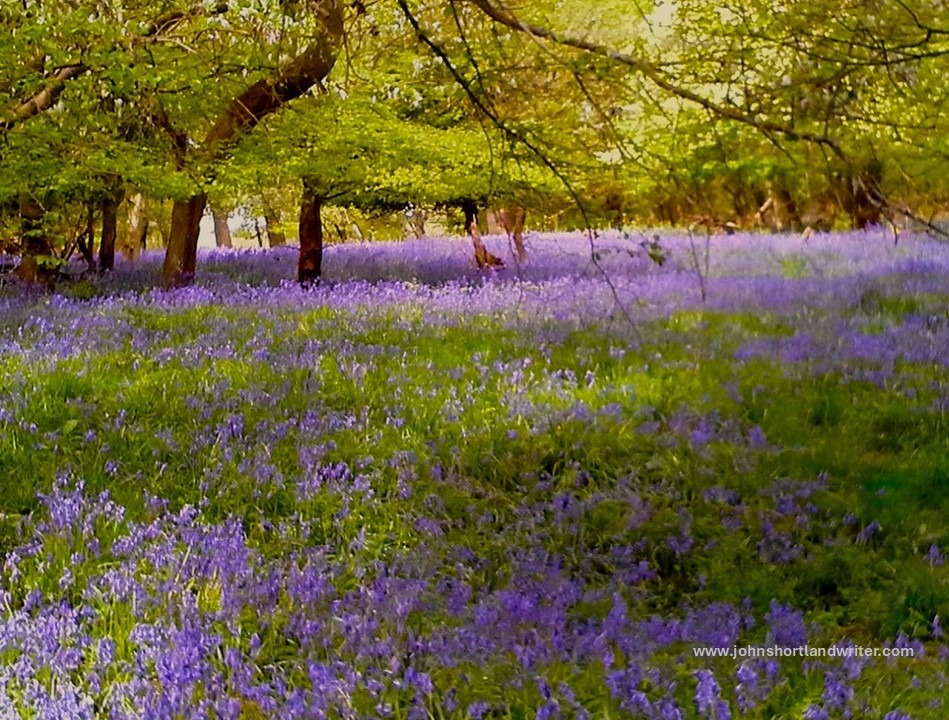
the magnificence of a bluebell wood in May
Occasionally, a white or even a pink bluebell appears

In June, on my Facebook page, I had a casual discussion with a follower about mentors and mentoring.  She asked me if I’d ever had any mentors and my answer was ‘yes’:  two couples, both of whom came from very different backgrounds to one another as well as my own.  She wanted to know more and so I promised to write a blog about them, a post which would honour their contribution to my life and demonstrate the great enrichment such mentors can give.  Mentors – part 1 (link here) tells of my chance meeting at the age of sixteen with Dick and Lorna French, who farmed on Exmoor, a National Park in England’s West Country.  The farm is very isolated, and the post explores how I ended up living with them after turning up one day unannounced on their doorstep.  Regular visitors to my blog or Facebook/Instagram pages will know what a love they imparted on me for this wild and rugged landscape, a place I still visit very frequently.  The blog has numerous photos including some of me from early childhood to that gangly sixteen-year-old that Lorna and Dick first knew.

My first mentors: Dick & Lorna French of Brendon Barton, Exmoor
Exmoor National Park: Aged 16, I suddenly found myself living and working in remote countryside

Find out about my other pair of mentors, Cyril and Pamela Heber Percy, who came from privileged upper-class families in 2025: Part Two (yet to be written but coming shortly!).  The blog will also explore what happened in the last few months of 2025

Cyril & Pamela Heber Percy

Hide That Ugly Wall

We nearly all have one – or, at least, if we haven’t, we have an unwanted view that needs disguising.  Now is the perfect time to deal with it for, if you decide to plant some screening, the soil is moist and still retains some stored summer warmth.  Wait until spring – which you can do – and you run the risk of summer drought and the need for more careful and regular watering.  In the perfect conditions of late autumn/early winter the plant’s roots begin to establish even if you’re unaware of anything happening above ground.

However difficult the position, there is almost always a way to enhance an ugly wall

There are several questions to ask before rushing to the garden centre.  The first is to decide which way the wall faces for the amount of sunlight hitting it will influence the choice of plant – more about that later.  Other factors to consider are will the plants need to be tied into place with strings and wire, and will they need regular maintenance to keep them looking nice and within bounds?  If you’re already beginning to think this sounds like too much hard work or is too complicated, don’t despair – there’s a list of planting options below.  Still baulking at the thought?  An alternative question is, would some sort of decorative screen do the job instead?

A decorative screen masks this unwanted view

One more option to consider is planting in front of the wall, rather than against it.  If there’s room a low maintenance shrub border might be possible.  If space is really tight, then one or two well-chosen plants may work just as well.  For example, trees trained to grow flat against a wall are readily available and can make a statement without hiding the wall completely. Some shrubs will also do this; they are a much cheaper option and usually grow quite rapidly.  In the photo below forsythia, an unusual choice, has been grown against an ugly garage constructed from concrete blocks.  Although it loses its leaves in the winter its dense network of twigs continues to disguise the wall.  For a few weeks in the spring, it looks both exotic and stunning.

Flowering forsythia suddenly looks exotic grown against this ugly garage wall
The Judas Tree (Cercis) flowers on bare wood, its leaves will appear shortly. It has been fan-trained to remain flat against the wall
If space allows, a low maintenance shrub border can work well

For most people, the decision made is to grow a plant that will climb as well as cover the wall.  The plants available can be broken down into two groups – the true climbers (that will need wires on the wall for support), or the ‘clingers’.  These attach themselves to the wall by little sucker-like pads or by hair-like roots.  With the latter it is essential that the wall is in good condition although it is rare for serious damage to happen.  Both types can be sub-divided into deciduous (lose their leaves in winter) or evergreen.  I have found that the majority of clingers benefit from having some wall ties when first establishing to keep them in close contact to the wall.  Once they start climbing they’ll cling without help.

The climbing hydrangea clings to the wall by tiny hair-like roots
Honeysuckle is an example of a climber that needs wires to support it

One option often recommended, is to fix trellis to a wall and it does sound like a quick fix.  My experience is that the plants weave through it – which is, of course, the idea – but that makes for difficult pruning when it is required for it can be tricky to work out which stems need removing and even trickier to disentangle them.  Worse still, trellis has a tendency to rot or break after some years, usually just when the climber has reached its prime.  Replacing it involves cutting the plant back very hard or replacing it along with the trellis.  However, decorative trellis may be an alternative form of wall disguise to consider with, perhaps, just a large pot of plants standing in front of it.

Trellis helps mask this unwanted view. By creating a focal point of the attractive tree, the trellis becomes a feature in its own right and so no plants are being grown on it

Wires are normally very straight forward to fit providing it is done before planting.  I prefer to use a screw-in ‘eye’ rather than the hammer-in ‘vine eyes’ that are the traditional method of fixing.  All that is needed is a drill and a rawlplug and some very basic handyman skills.  The wires should be fitted horizontally and there is no need to create a network of wires heading off in all directions.  The golden rule is to stretch the wire taut and make the plant grow to the wire, don’t add random wires that follow the growth.  Stems should always be tied to the wire rather than pushed behind it and use ties that will stretch or perish in time otherwise they will become strangled as they grow.  It is all much easier in practice – writing down every step makes it sound more difficult than it really is!

A well-trained rose growing on supporting wires. I have enhanced these for clarity they want to be stretched horizontally and spaced about 18″ (45cms) apart
This poor plant has been strangled by its tie; all the upper growth has died

When it comes to planting, whatever the type of plant it is, make a generous planting hole and mix a good quality compost in with the soil.  Often the ground by a wall is dry and full of builder’s rubble or compacted so having a good planting medium around the new plant will set it off on a good start.  At planting, keep the base of the plant at least a foot (30cms) away from the wall if there’s room.  That way it will receive more water when it rains.  One major cause of failure is planting too deep – make sure that the soil is at the same level as the top of the compost that the plant is growing in.  Standing the plant pot in water for a few hours before planting is a good idea too so that the plant is well-watered before it is disturbed – and, if you’re a real beginner to gardening, don’t forget to remove the plant from its pot keeping its soil intact around it.

Solanum crispum (blue) & Clematis montana (white) hiding a garden shed

A list of plant suggestions:
E=evergreen, CL=clinger, N=will cope with north facing wall, Sh=shrub, T=tree

Large walls:
Carpinus (Hornbeam) – N, T, buy pleached or ready shaped
Cercis- T, more tricky to find and you may have to train it yourself but lovely flowers in pink or white and good autumn leaf colour – see photo
Clematis montana – clip back the growth immediately after flowering to keep tidy and within bounds
Ficus (Fig) – N (but won’t fruit), if you like Figs to eat, Ficus is worth considering
Fremontodendron – E, Sh, colourful yellow saucer-like blooms
Garrya – N, Sh, dark green leaves with long green catkins in late winter
Hedera (Ivy) – Cl, E, N, easy to keep under control and provides late nectar sauce for bees and other insects.  Make sure that wall mortar is sound before planting
Hydrangea petiolaris – Cl, Sh, prune after flowering if necessary
Jasminum (Jasmine) – both evergreen and deciduous types are available with scented flowers.  The evergreen (sold as Trachelospermum) needs a warm wall for best results
Magnolia grandiflora – E,Sh, for a high, warm wall.  They need lots of space to thrive
Parthenocissus (Virginia Creeper) – Cl, magnificent autumn color
Prunus lusitanica (Portuguese Laurel) – E, Sh, T, can be grown as a shrub or purchased as a trained tree (see photo)
Solanum crispum – blue or white clusters of flowers.  Vigorous but easily pruned
Vines – prune in winter if necessary
Wisteria – prune twice yearly, midsummer and midwinter

Medium walls:
Actinidia kolomikta – Sh, pretty multi-cloloured leaves best when avoiding strong sunshine
Azara – E, Sh, for a warm wall
Berberis – E, N, Sh, very spiny branches are a good reason for not growing it!  Magnificent red or yellow berries in autumn, much loved by birds
Campsis (Trumpet Vine) – orange trumpet flowers and attractive leaves for a sunny wall
Ceonothus – E, Sh,  smothered in powder-blue flowers during summer
Chaenomoles – E, Sh, white or pink flowers in late winter/early spring
Clematis – plenty of varieties to choose from including evergreen ones – check labels for size as some can require a lot of space
Forsythia – Sh, prune after flowering which takes place in early spring – see photo
Jasminum nudiflorum (Winter Jasmine) – N, Sh, flowers throughout winter
Osmanthus – E, Sh, early-flowering, scented – clip immediately after flowering ends to keep flat against wall
Rhamnus ‘Argenteovariegata’ – E, Sh, variegated foliage, prune to keep flat against wall in spring

Low Walls:
Daphne – E, Sh, very scented flowers but very slow growing
Euonymus – E, N, Sh, Cl, can be grown a sa shrub or clipped flat against a wall, some are self-clinging
Fuschia – Sh, varying heights, the smaller-flowered varieties are more suited for growing against walls
Helianthemum – E,Sh, very low growing but smothered in flowers through summer, clip after flowers to keep tidy
Lavender – E, Sh,likes sunshine for best flowering
Nandina – E, N, Sh – trouble-free, needs no  pruning
Perovskia (Russian Sage) – Sh, silvery foliage and blue spires of flowers from mid-summer.  I’ve grown it successfully on a shady wall although not usually recommend for this.  Prune back by half in late autumn and then again in early spring to keep bushy
Potentilla – E, Sh, bushy long-flowering plants in varying colours

I recommend looking up these plants on Google to see more detail.  Also, there are many roses that can be considered including some that are fine for north walls.  Apples, pears and plums fruit well when grown against walls of any aspect, as do apricots and peaches if the wall is warm and sunny enough.

For similar information on how to make both your garden and gardening more pleasurable, why not take a look at my book Why Can’t My Garden Look Like That? It’s written for newbie gardeners as well as those with more experience and covers everything from design to planting and maintenance.  In it, I reveal some of the secrets that I used when Head Gardener to large, country estates with gardens open to the public, where the garden had to look great all the time.  All written in an informal, no-nonsense approach.  Makes a great gift and is available from bookshops and, of course, Amazon.


A Cotswold Tale for Halloween

The popularity of Halloween in the UK as a fun festival is always considered to be a relatively recent American import.  Nothing could be farther from the truth for it was only with the influx of Scottish and Irish immigrants to the USA during the 1800s that it became a major holiday there.  Halloween’s origins date back to pagan times but it was the Christian calendar that fixed the date for All Saints/Hallows Day as November 1st, (Halloween = Hallows Eve). The traditions that became attached to that, of which there are many, will have to wait another year to be written about.  This blog post is about the Witches associated with Rollright and Long Compton, our very own and tragically real Cotswold story of the Neolithic stone circle and village that lies just a few miles from our home in the secret valley.

Newspaper headlines from 1875
A section of the Kings Men stone circle at the Rollright Stones

The Rollright Stones, prehistoric standing stones dating back almost six thousand years (making them a thousand years older than Stonehenge) consist of a stone circle, and a separate group of three upright stones, plus one large, solitary stone.   Local tradition has it said that the circle known as The King’s Men, The Whispering Knights – the cluster of three upright stones, and the King Stone – the large, solitary stone were all turned to stone by a witch, Mother Shipton.  As early as the 1600s the rhyme (see below) was printed telling of how Mother Shipton challenged the King to take seven steps forward to view the village of Long Compton in the valley below.  He moved forwards but failing to see it the witch turned him, his army and his scheming knights into stone.  All seems too far-fetched and unbelievable?  Then read on…

The Whispering Knights, turned to stone by witch Mother Shipton. They are a thousand years older than Stonehenge
The King Stone stands alone on the hill, still hoping to glimpse the village of Long Compton


In the autumn of 1875 80-year-old Ann Tennant left her home in the village of Long Compton to walk the few hundred yards to the bakers to purchase some bread for her husband’s tea.  It was just like any other day until she met her neighbour’s son, James Heywood.  For many years he had accused her and others in the village of witchcraft, blaming them for various deaths of both people and livestock.  He believed that their evil-eye had prevented him from completing his work in the fields.  He also claimed that they had got inside his drinking water and that was the way they were able to get inside his body and control him.  Meeting her that afternoon on the path he took his opportunity and stabbed her multiple times in the legs with his pitchfork before giving her a blow to the head and stabbing her again.  All this time, Heywood’s father stood nearby not attempting to stop him for he was also convinced there were many witches in the area.

The 17th century lychgate leading to the churchyard where Ann Tennant is buried

It was local farmer James Taylor, hearing her cries, who disarmed James and poor Ann was carried home to die from shock and loss of blood some hours later.  At the inquest, Taylor and a fifteen-year-old lad who had also witnessed the murder gave evidence.  Held in the village pub, The Red Lion, they told of the scene they had witnessed.  Ann’s husband spoke next telling of how the boy’s parents had always said witches wouldn’t leave their son alone.  He also told of how a limb from a tree had fallen onto the boy, leaving him with a scar, and that, too, was blamed on witchcraft.  When Ann’s daughter gave evidence Heywood shouted out, “she’s one as well.  I can name them all and will kill them all.”  Later, at his trial at Warwick Assizes, he was acquitted on grounds of insanity and sentenced to life in Broadmoor mental asylum where he died in 1890.

The Red Lion pub at Long Compton where the inquest into Ann Tennant’s killing took place

You would be forgiven to think that witchcraft and superstition died out with the death of poor Ann Tennant.  Move forward to 1945 – so within living memory for some – to the village of Lower Quinton, some fifteen miles away from Long Compton.   Farm labourer Charles Walton failed to return home from work.  His body was found later that day: his neck had been slashed using his bladed hedging tool and he had been stabbed and pinned to the ground by his pitchfork.  Some reports state that a cross had been cut into his chest.  Several days later a black dog was found hanging from a tree near to the murder scene.

Hedging tools like the ones used by Charles Walton. It was the long-handled slasher on the left
that was used in his killing

It was not until twenty-five years later that Chief Inspector Fabian of Scotland Yard who had led the investigation spoke openly of links to witchcraft.  Apart from warning others not to take part in it he also told of how, when searching the area, he saw a large black dog run past him.  When he mentioned it to a farm lad the boy had turned pale and ran away.   Fabian also told how when questioning local people about the murder, he’d been told that some years earlier a headless black dog had been seen by Charles Walton on nine consecutive days – the following day Walton’s sister died.  Perhaps it was this and his keeping of toads as pets that made some wonder about witches.  However, it was only after Fabian’s public statement that links between Walton’s murder and Elizabeth Tennant’s, all those years earlier, were made.

Handwritten witness account of the murder of Ann Tennent [source: Rachel Cortese-Healey]

So, this is my tale for Halloween.  There is no need for fiction when we live in an area where the belief is still widespread, although rarely openly talked about.  The mystery sightings of black dogs have changed to sightings of large, black cats – are they two of the same?  I visited the Rollright Stones this week and there on one of the stones of the Whispering Knights an offering of thorny, berried hawthorn twigs had been placed.  I’m just glad that a headless, black dog didn’t cross my path.  Do I believe in it all?  Let’s put it this way, I shan’t be venturing anywhere near the Stones on All Hallow’s Eve.

Offerings laid on the Whispering Knights – but are they pagan or witchy?

“…as Long Compton thou cannot see, King of England thou shall not be
Rise up stone to stand alone for thee and thy men shall hoar stone be…”


With special thanks to Rachel Cortese-Healey for permission to reproduce her copy of the handwritten witness account of Ann Tennant’s murder.  Ann is Rachel’s 4x great-grandmother

Sources:
British Newspaper Archive
Wikipedia
Ancestry UK

An Arty Family?

Eighteen months ago I was contacted by a gallery in Cheltenham about their researching an artist for they had acquired four watercolours of London street scenes painted during a ten-year period from 1885.  They were by Edward Angell Roberts who had lived with Mary Ann Shortland, an ancestral cousin of mine.  Although they described themselves as husband and wife in official documents, Edward was already married to the exotically named Josephine Bartolozzi Vestry Anderson.

New Street, Spring Gardens
Edward Angell Roberts, 1885

Edward was born in Kennington in the English county of Surrey in1836.  His father was a tea merchant and aspiring gentleman which presumably he became for by the age of fifteen, Edward was being educated at Christ Church Hospital, a school for sons of clergy and gentlemen.  It was a good springboard for Edward for in 1855 he was promoted to Deputy-assistant to the Commissary of the Inland Revenue before proceeding to becoming Clerk to the War Office.  In his spare time, he painted.

Old Wooden Houses, The Strand
Edward Angell Roberts, 1887

The four watercolours show great artistic detail of places within a stone’s throw of the War Office, in London’s Pall Mall.  They are New Street, Spring Gardens (1885), Old Wooden Houses, The Strand (1887), Garden House, Clements Inn (1895) and Pump Court, Temple (1895). They have since been sold at auction to a buyer in the United States.

Garden House, Clements Inn
Edward Angell Roberts, 1897

Edward had married Josephine in 1858 and the census, three years later shows them living apart.  Whether that was a temporary separation is not known for shortly after they had two children, a girl in 1864 who died in infancy and a boy in 1866. However, by 1871 he was living with Mary Ann and Josephine and the son disappear from record.  It is thought that they may have moved to Ireland for the son reappears in the English 1901 census return and claimed to have spent time there.  As for Edward and Mary Ann, they never married (or had children) for in his will, Edward leaves his estate to Mary Ann Shortland, spinster.

Pump Court, Temple
Edward Angell Roberts, 1897

I began to wonder if we had other artists in the family for several of my cousins, my sister and my father were all artistic,  I always felt that the skill had passed me by until some kind person exclaimed that through my career as a garden designer,  I paint with flowers, a description I rather hold onto.  It is true that there are some similarities for a new garden is a blank canvas waiting to be given a backwash of green and then daubed with the colour shapes and textures of flowers.  Below is a rather poor quality photo of one of my early designs inspired by a Japanese Imari plate which was, I suppose, quite any arty approach to take!!

Garden design inspired by Japanese Imari Plate
John Shortland, 1999

Another ancestral cousin painted and illustrated books on the town of Rye.  Marian Eleanor Granville Bradley was the granddaughter of the Dean of Westminster Abbey, George Granville Bradley.  Mostly remembered for her line drawings, occasionally they or paintings of hers are available for sale at auction.  An only child, born in the United States, she returned to England sometime during the 1880s.  She never married and died in 1951.  Her pencil sketches of Rye appear very simple at first sight and, like Edward Angell Roberts, belie the attention to detail that is executed.  Interestingly, a couple of her close relatives are described as ‘oil and colour merchants’ so it seems that art provided a living for my family in more ways than one…

Ship and Anchor, Rye
Marion Eleanor Granville Bradley,1920

And finally, there is Uncle Les – not my uncle at all but (yet another) cousin of my father and, in the convention of the time, known to me as Uncle.  I only met Les the once for he died quite suddenly when I was young.  However, I did get to know his widow well, so it came as rather a surprise when I was sent this little pen and ink drawing of (I think) a house in Kingston-upon-Thames many years after her death. 

Edwardian House
Arthur Leslie Shortland, 1935

A few lines on Josephine.  With a name like hers, curiosity got the better of me and so enquiries were made and she turned out, as hoped, to be ‘interesting’.  She was a close relative of Madame Vestris, a famous, if not infamous actress, contralto opera singer and theatre manager.  Madame Vestris probably deserves a full article of her own!

Madame Vestris, c1831 [Wikipedia]

Family history research is always uncovering something fascinating, puzzling or new – I wonder what it will turn up next?

With thanks to Andy Shield of Brave Fine Art , Cheltenham www.bravefineart.com }for sending me copies of the four paintings