Still Waters Run Deep

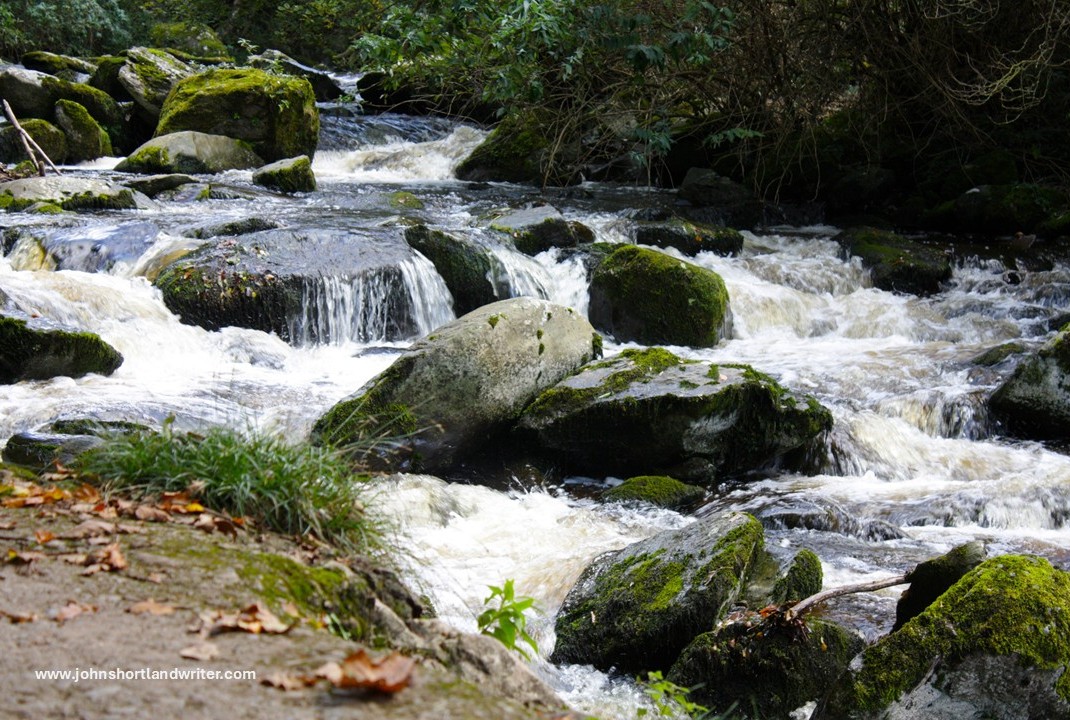
I think this title may be a little misleading, for the river that runs past our little stone-built cottage is neither deep nor that still.  However, it isn’t like the raging rapids that surge through my other secret valley, the one in my beloved Exmoor.  I guess it falls somewhere between the two – perhaps the title should be Still Glides the Stream after the poem by Wordsworth for the water, for much of its course through the valley, does seem to glide rather than flow.
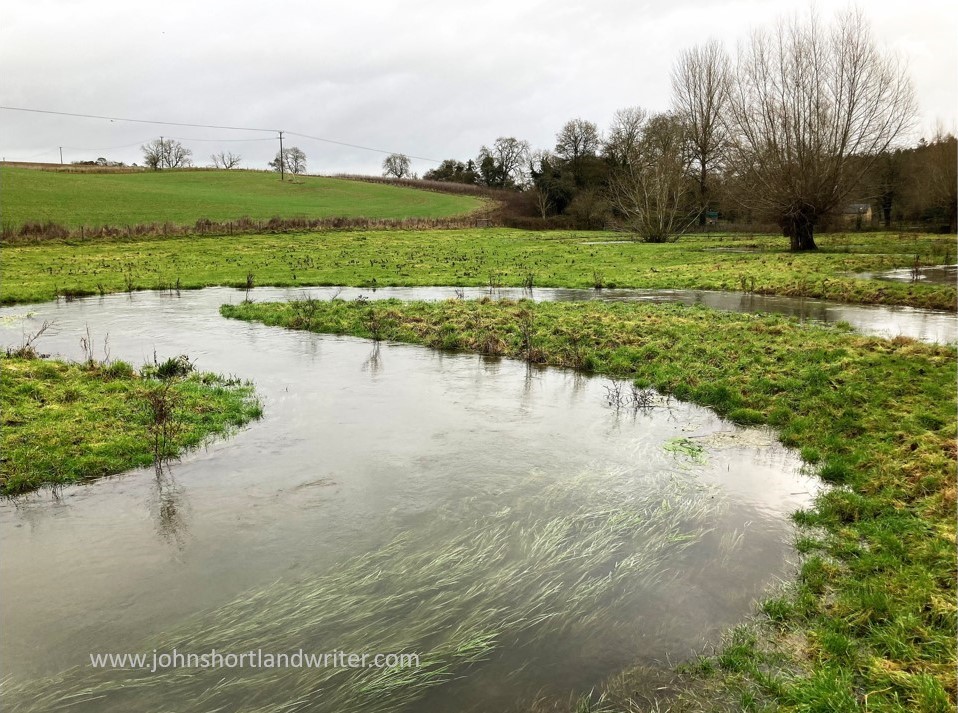
The river seems to glide past our little stone house rather than flow
The river in my other secret valley in the Exmoor National Park is more like a raging torrent

‘Our’ Cotswold river, the Glyme, starts its course in the hills above the town of Chipping Norton.  There is no big fanfare to announce its rising from the ground, instead there is a marshy bit of land and a trickle of water.  How surprising it is to think that this is the source of our drinking water and mill wheel power, as well as two beautiful, landscaped lakes created in the 18th century by Lancelot ‘Capability’ Brown.  One of these lakes is at Kiddington Hall where, when I first moved to live in this area, I was employed as Head Gardener.  Another of the lakes is at Blenheim Palace in Woodstock, a UNESCO World Heritage Site and one of relatively few Grade 1 listed gardens in the UK.  By the time the water has reached these it has flown past our little stone cottage and threaded its way around the series of meanders, the photo of which I use as my blog header.
There is no big fanfare to tell you that this is the start of a most beautiful river
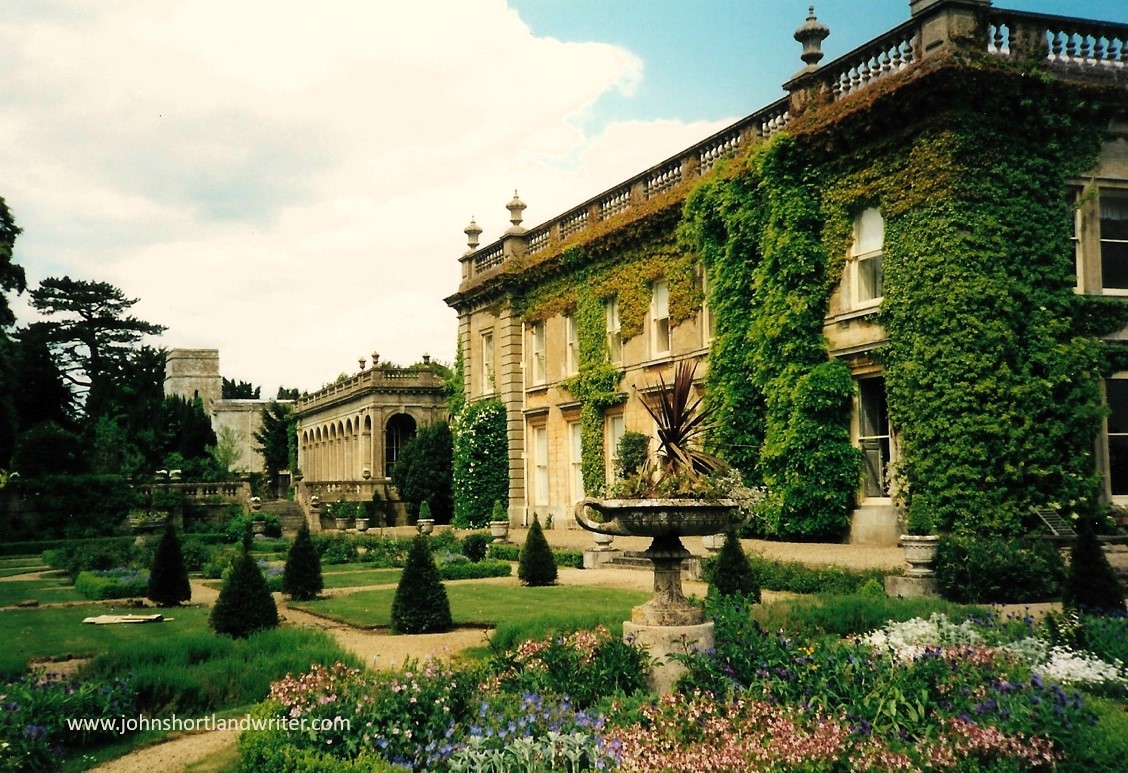
The Italianate gardens at Kiddington Hall at the time I was Head Gardener. They overlook the river

Nature abounds along the whole length of the river.  At its headwaters on a series of natural terraces an abundance of wildflowers grow including the rare native Salvia pratense, more usually thought of as a deservedly popular garden plant.  On the banks around our house and elsewhere, orchids can be found as can, on dryer spots, diminutive wild thyme (see my earlier blog, I Know a Bank Where the Wild Thyme Grows).  In the river both native White-clawed Crayfish and their larger, hungrier cousins American Crayfish thrive, the latter crowding out the former which are now restricted to the higher reaches.  Trout and pike can be caught (although the private fishing rights are jealously guarded) and the much smaller minnows – ‘tiddlers’ to us as children, stickleback and Miller’s Thumb fish are also present.
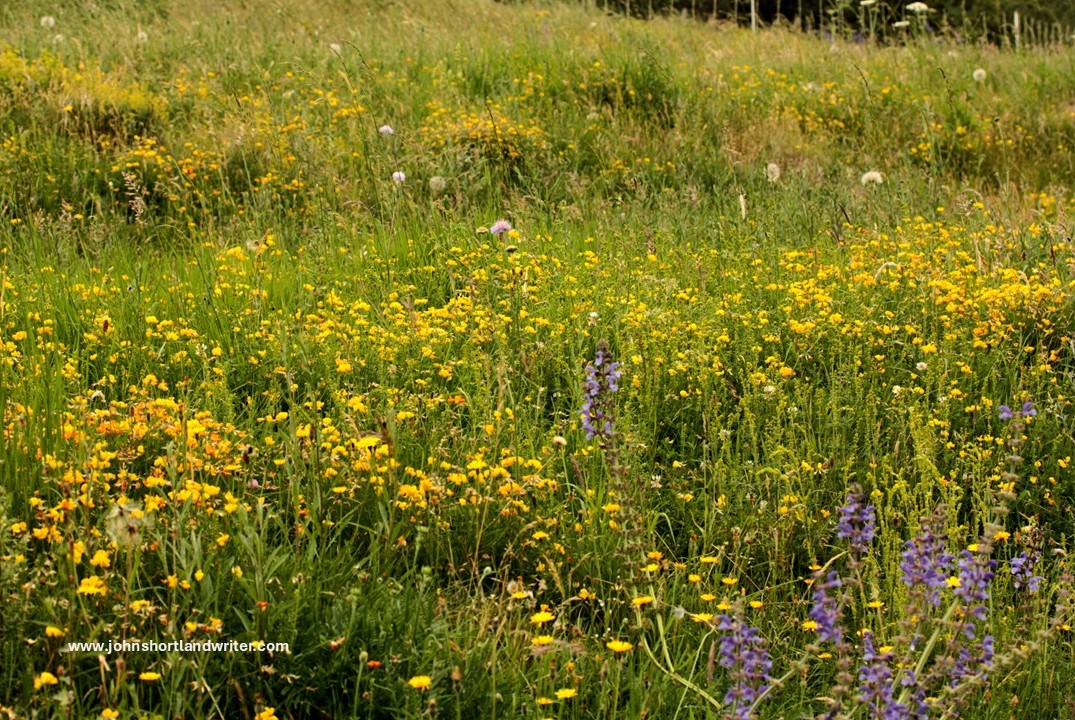
Purple spikes of the rare Salvia pratense growing amongst a myriad of other wild flowers by the headwaters of the River Glyme
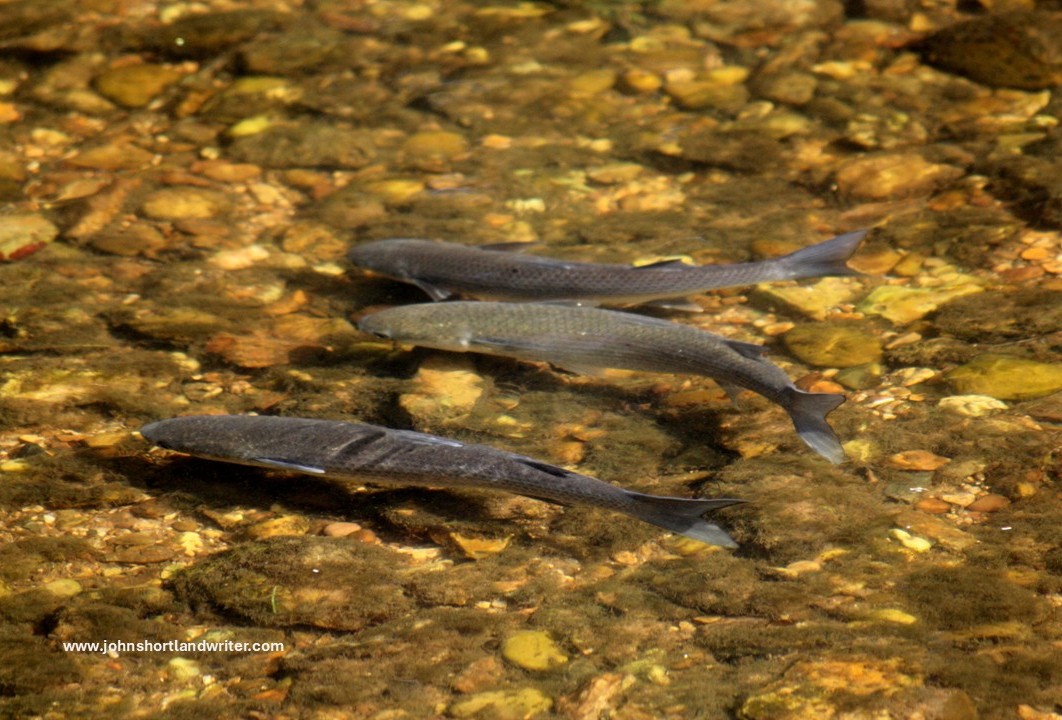
A trio of wild river trout

It isn’t just flowers and fish that frequent the river for many of the larger mammals live by or near it – four of the six species of wild deer in England roam here: Fallow, Roe, Muntjac and Chinese Water Deer.  Roe are native, whereas Fallow were reputedly introduced by the Romans two thousand years ago; the Muntjac and Water Deer are more recent introductions.  Badger, Fox and Otter are shy, mostly nocturnal and so are rarely seen other than by the lucky few.  Fortunately, I have been one of them!  Birdsong, especially at this time of the year, announce the many different species that visit or breed here: Red Kite, Spotted Flycatcher, Kingfisher, Little Egret being just a few of my favourites.
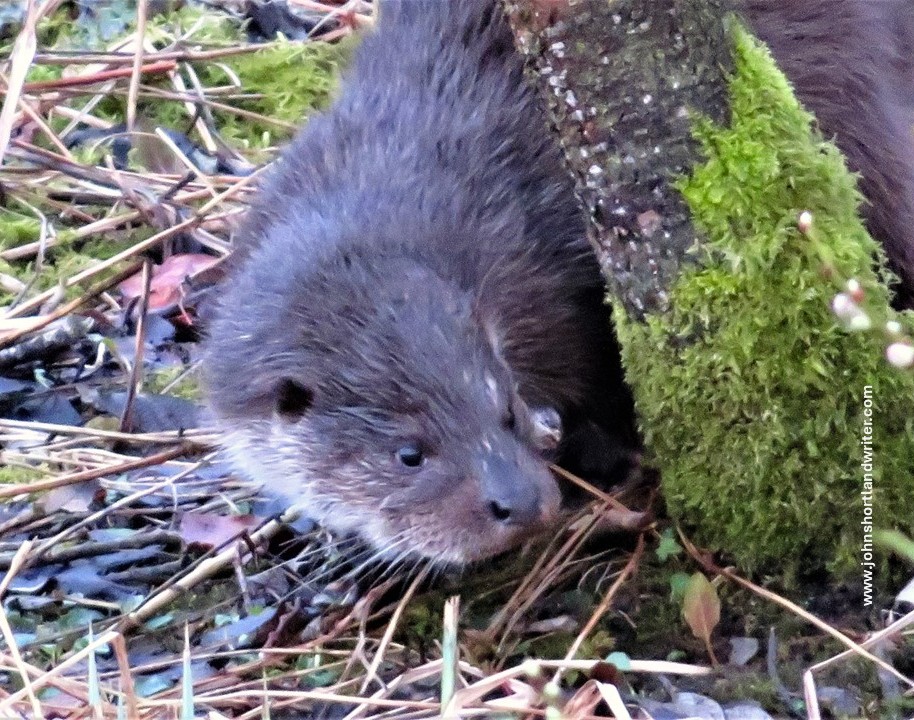
Otters frequent the river but are shy and rarely seen
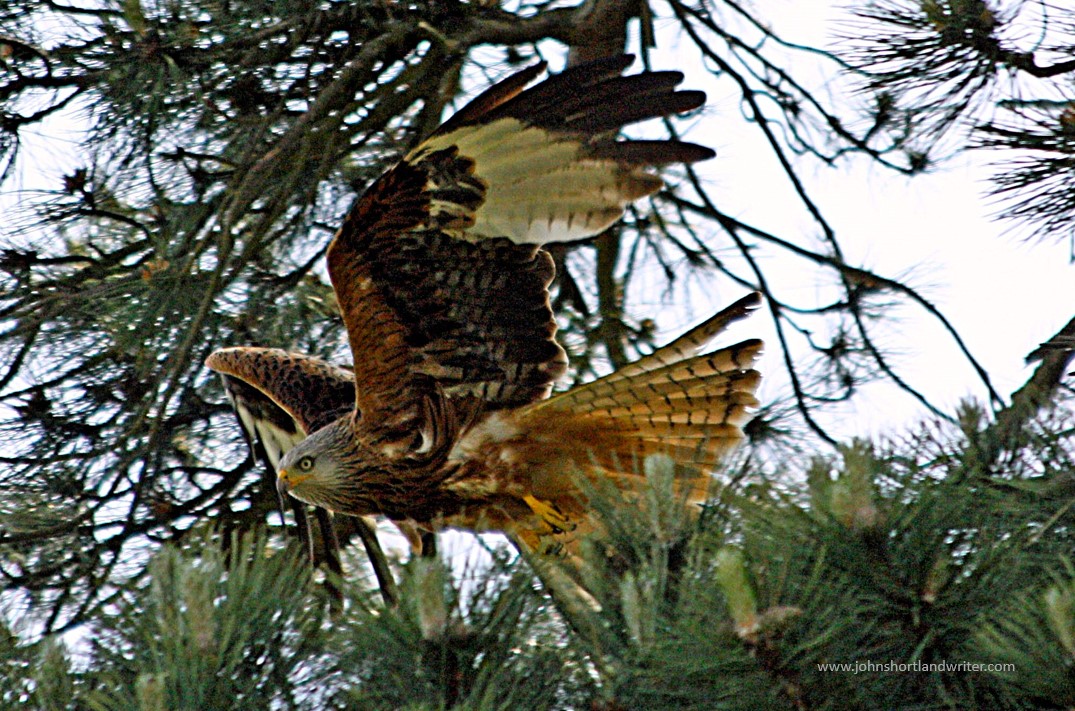
Red Kite, once hunted to near extinction are now a common sight along the course of the river

After Kiddington Hall, the river continues to wind its way through the villages of Glympton and Wootton where it is joined by the even smaller River Dorn.  A mile upstream of that river is where we stabled our horses and like our own valley, it is secluded and not much frequented despite being very pretty.  The Glyme next enters Blenheim Park, and as mentioned earlier, the river has been dammed and landscaped to create the palace’s Queen Pool and Lake.  From there it cascades into the larger River Evenlode which in turn flows into the Thames a few miles from Oxford.
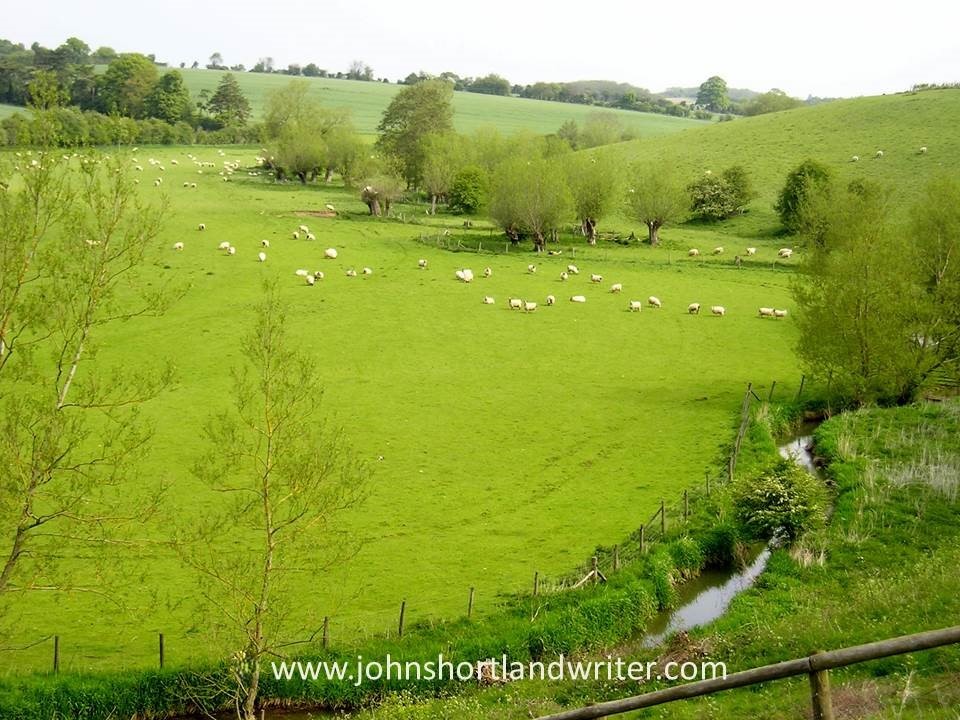
The River Dorn, a tributary of the Glyme, snakes its way through the hils
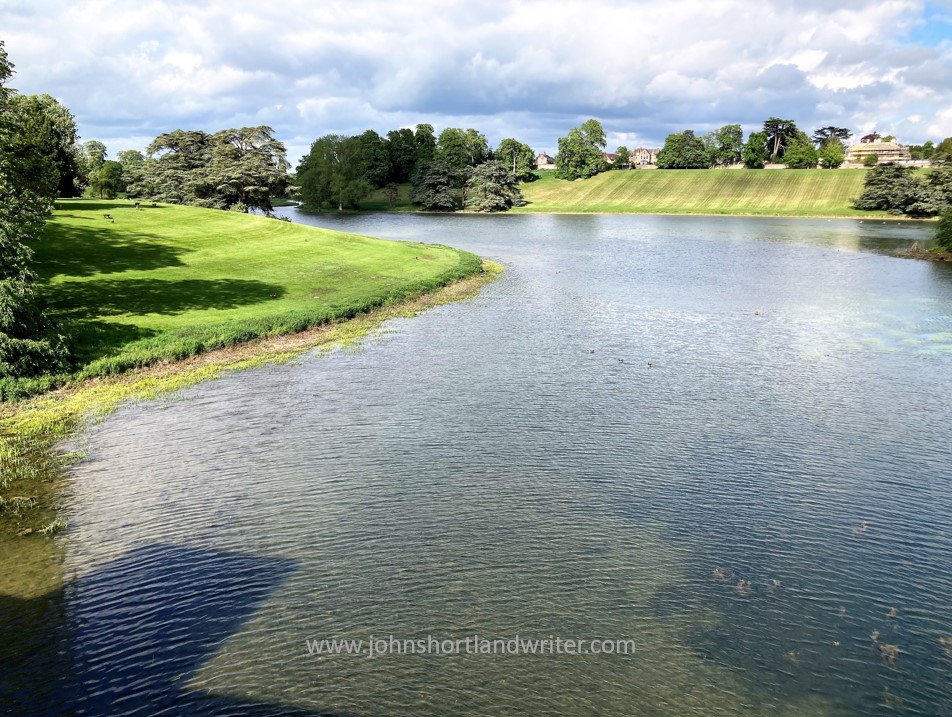
The lake at Blenheim Palace created by the waters of the Glyme

Human settlement around the banks of the Glyme didn’t just start with the Romans.  Evidence of much earlier Britons can be found all along its length.  Perhaps one of the most prominent, yet weirdly more often overlooked, is the hoar stone in the village of Enstone.  Perhaps the reason for this is that by tradition the Old Soldier, as it is known, takes himself off to the river when thirsty to have a drink (see my blog post on the Old Soldier here).  This may well be true for, despite the stones’ huge size, I have often gone past it only later to realise that I hadn’t actually noticed it being there!  Further downstream there are earthworks known as Grim’s Ditch, a series of banks and ditches that probably served as boundary markers.  When the ditch was being created some 3000 years ago, the Old Soldier was already 2000 years old. I rather like the thought that living and working on the land I and am part of an unbroken chain that dates back five millennia or more.
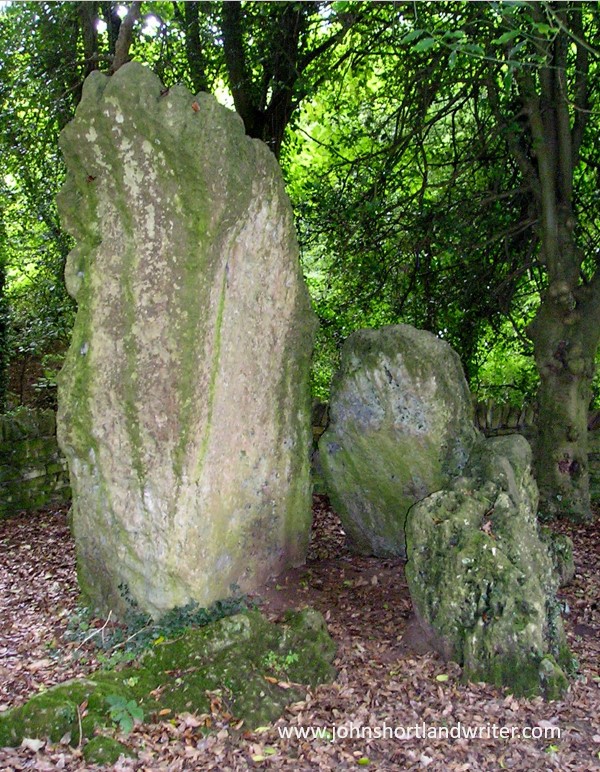
The Old Soldier, now 5000 years old
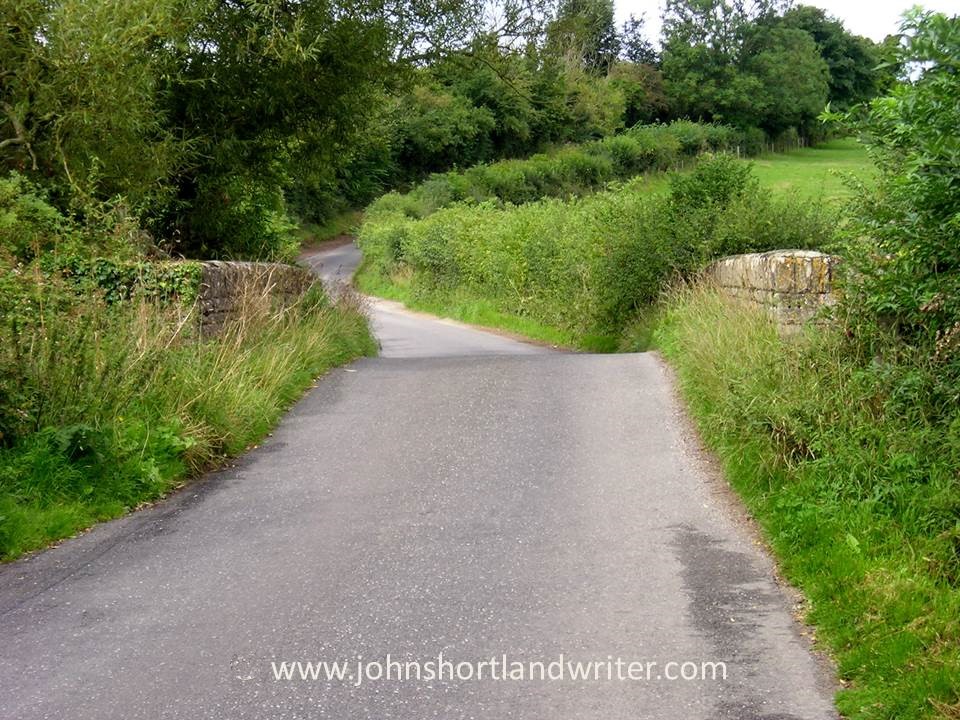
This insignificant looking little bridge marks the place where Akeman Street, a road built by the Romans, crosses the River Glyme

Footnote:
i) Still Glides the Stream is from William Wordsworth sonnet, written in the early 1800s – “….Still glides the stream, and shall forever glide….”
ii) Still Waters Run Deep: a proverb dating from the early 1400s or even earlier. Modern use refers to great passion hiding behind quietness. Originally it suggested that silence often hid danger and Shakespeare (who else!) picks up on this theme in Henry IV – “…smooth runs the water where the brook is deep….show he harbours treason….”
2025: The Year in Review – part 1

So another year has gone by and I find that one of the benefits of ageing (yes, there are some!) is being aware that time is running out.  I say it is a benefit for I don’t find the thought at all depressing, instead it gives an urgency to achieve what I can whilst I can.  There is so much more to do, to see and to learn in what time is left.  It is possible that I may live to be a hundred for many of my family have lived well-into their nineties and beyond but even allowing for that, it still doesn’t give me too many years to waste.

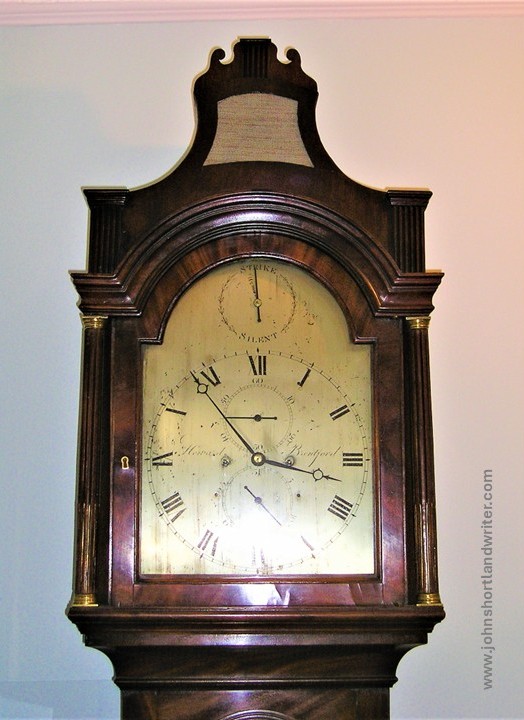
Time waits fir no man – or woman!!

One of my ancestors, Richard Beauchamp died at the age of 57, which although not a great age by modern standards probably wasn’t too bad for someone dying in 1439.  He had a busy and well-documented life but perhaps his biggest achievement was carried out after his death.  In his will he left various bequests, the largest portion to the Collegiate Church of St Mary in the town of Warwick for the building of a chapel.  Upon its completion his body was transferred there to lie beneath his splendid gilt-bronze effigy.  The effigy, along with the chapel’s medieval stained glass and other decorations are considered to be the finest in Europe.  In March, I finally visited the tomb where both he and his parents lie, a remarkably emotional moment perhaps because nothing had prepared me for the chapel’s magnificence.  To judge for yourself, click on the link here which will take you to numerous photographs as well as the story of my ancestral grandparent’s lives.

Richard Beauchamp, my ancestral grandfather lying in the splendour of the chapel he commissioned for the benefit of his soul
detail of the tomb of Richard Beauchamp dating from the 1400s

Spring arrives late in our part of the Cotswolds for the secret valley, although very beautiful, nestles in a ‘frost hollow’.  As a result, the bluebells that flower at the foot of the ancient hedgerow than borders our lane are always a couple of weeks later than in many other places.  However, when they do bloom, the intensity of their colour never fails to delight.  Pretty as they are, they are nothing compared to the bluebell woods of the Cotswolds and the Chilterns, the range of chalk hills where I was raised and lived until I moved here twenty-five years ago.  In May, when the bluebells had reached their peak of flowering, I wrote a blog In Praise of Bluebells.  Apart from photos of the bluebell woods (including one of me as a much younger man with my two Scottish Deerhounds), I explored the bluebell in history and poetry, link here.

the magnificence of a bluebell wood in May
Occasionally, a white or even a pink bluebell appears

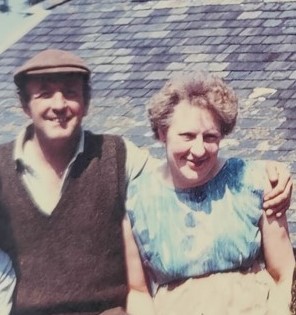
In June, on my Facebook page, I had a casual discussion with a follower about mentors and mentoring.  She asked me if I’d ever had any mentors and my answer was ‘yes’:  two couples, both of whom came from very different backgrounds to one another as well as my own.  She wanted to know more and so I promised to write a blog about them, a post which would honour their contribution to my life and demonstrate the great enrichment such mentors can give.  Mentors – part 1 (link here) tells of my chance meeting at the age of sixteen with Dick and Lorna French, who farmed on Exmoor, a National Park in England’s West Country.  The farm is very isolated, and the post explores how I ended up living with them after turning up one day unannounced on their doorstep.  Regular visitors to my blog or Facebook/Instagram pages will know what a love they imparted on me for this wild and rugged landscape, a place I still visit very frequently.  The blog has numerous photos including some of me from early childhood to that gangly sixteen-year-old that Lorna and Dick first knew.

My first mentors: Dick & Lorna French of Brendon Barton, Exmoor
Exmoor National Park: Aged 16, I suddenly found myself living and working in remote countryside

Find out about my other pair of mentors, Cyril and Pamela Heber Percy, who came from privileged upper-class families in 2025: Part Two (yet to be written but coming shortly!).  The blog will also explore what happened in the last few months of 2025

Cyril & Pamela Heber Percy

France in the Slow Lane

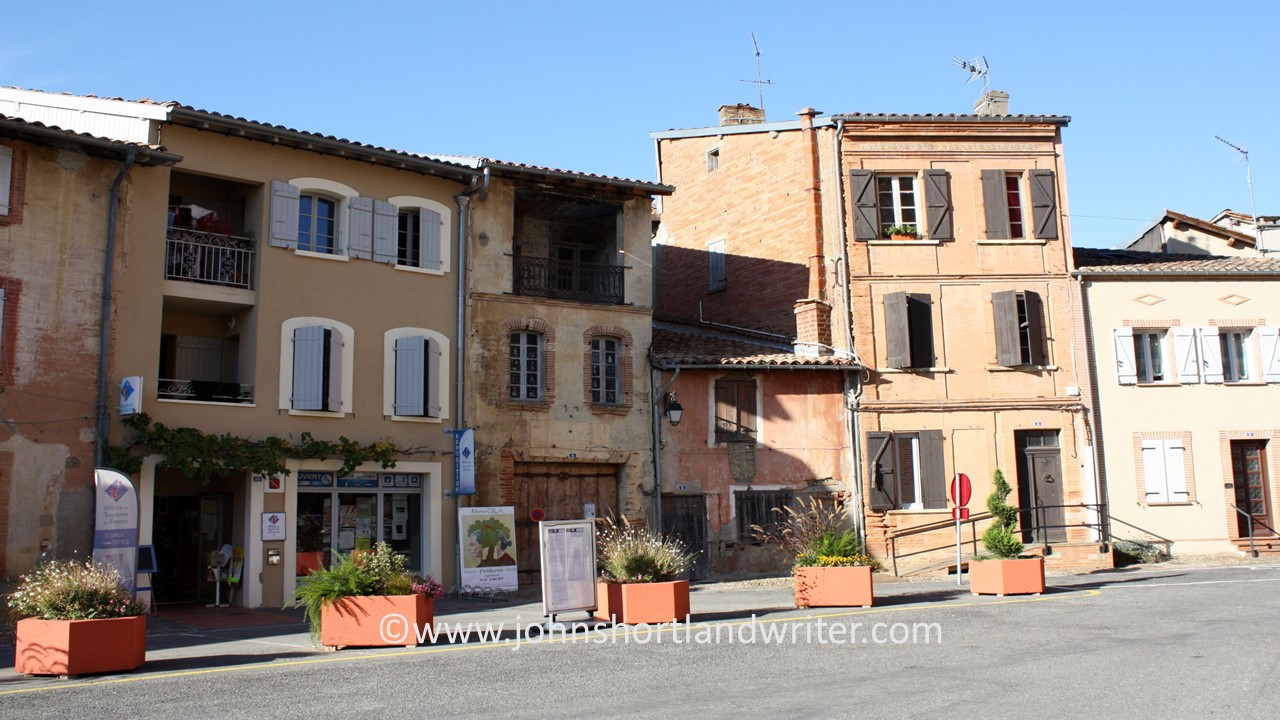
Everything about the compact town of Lombez oozes history and Gallic charm; its narrow streets are lined with ancient buildings. Discovering it as we did by chance confirms the principle of always taking the slow route – drive along motorways and you miss so much.

Lombez (21)   copyright

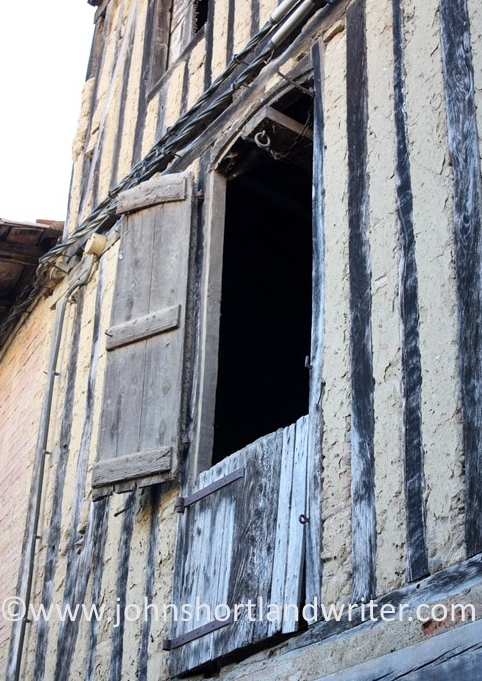
Walking through Lombez takes you back to a time when life too was slower; amongst its buildings are images that conjure up the France portrayed by the great artists – rich colours, faded paintwork, closed shutters keeping out hot sunshine.Lombez (22)   copyright.jpg

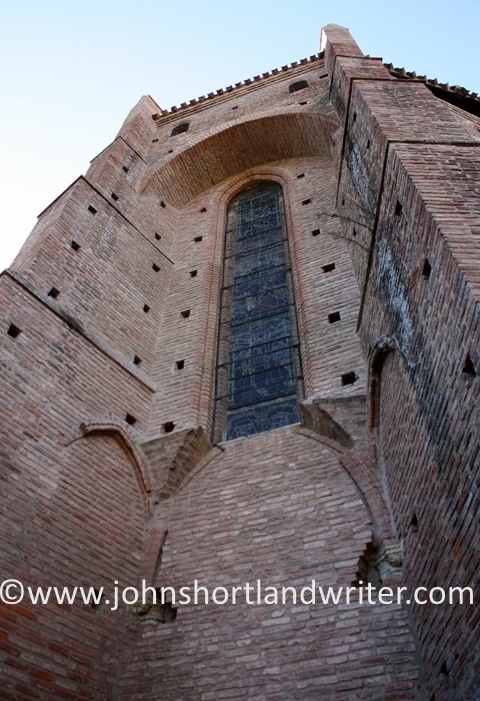
Dominating the town, the pink and white octagonal bell tower of the fourteenth century cathedral is in ornate contrast to the austere façade of the brick built body of the church. The severity of the style accentuates its height and gives no hint of its splendid interior.

Lombez (4)   copyright.jpgLombez (18)   copyright.jpg

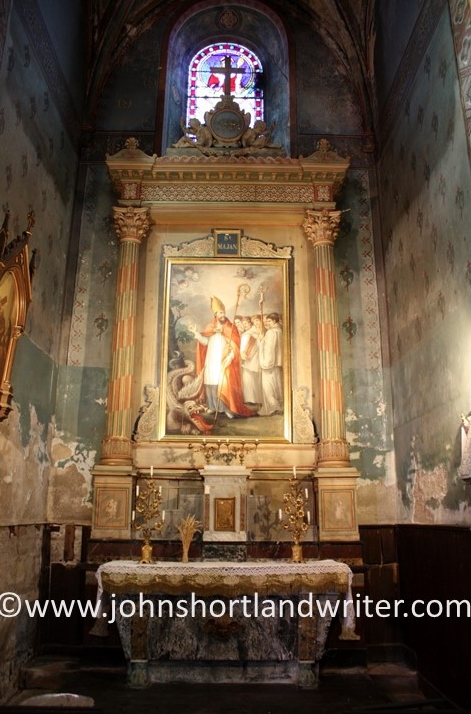
Fine stained glass, some dating back to the 1400s, marble altars, decorative carvings and statues all demand careful exploration and give good reason to linger inside away from the summer heat.

Lombez (10)   copyrightLombez (16)   copyright.jpg

The cathedral is a listed monument historique and preservation work of the exterior was being carried out during our visit. With such an ancient building, work is on-going and there are areas of the interior that still have to be restored, although they do have a special charm and serenity about them that may be lost when renovated.Lombez (11)   copyright.jpg

Stepping back outside, the sun appears to be even brighter than before and gives an excuse to find a bistro for a cold beer. Unlike the UK, where bars and coffee shops crowd the pavements to draw in the visitors, outside the cathedral there are few signs of life and very little traffic. This part of France remains true to its laid-back style and does not woo the tourist: when in Lombez behave like a native – stay calm, slow down, relax.Lombez (6)   copyright.jpg

Lombez is in the Gers region of southwest France, 55km west of Toulouse and within sight of the Pyrenees Mountains.