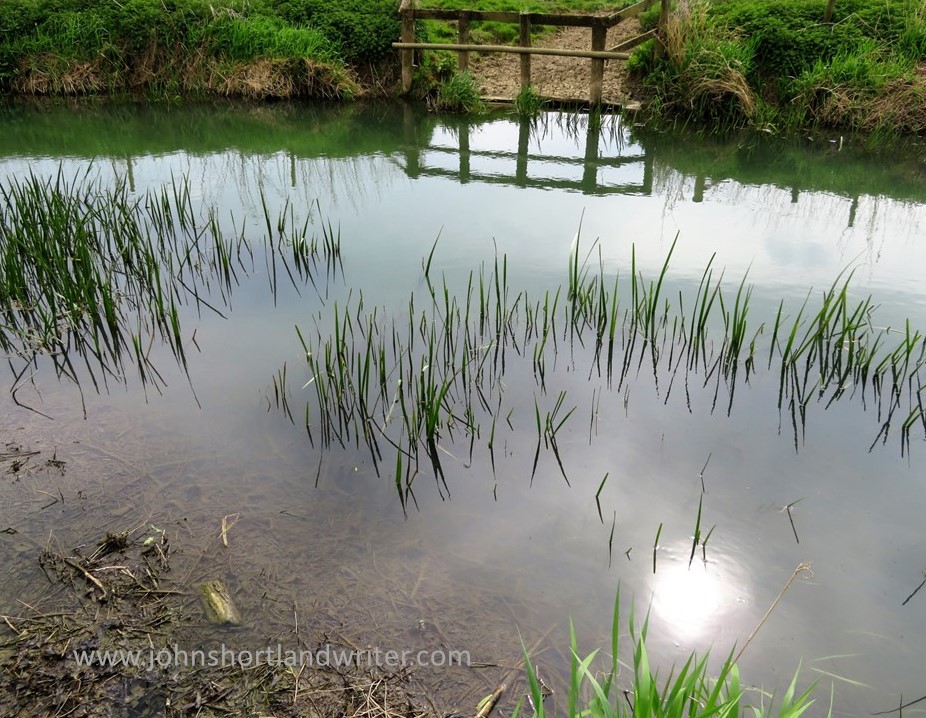
Still Waters Run Deep

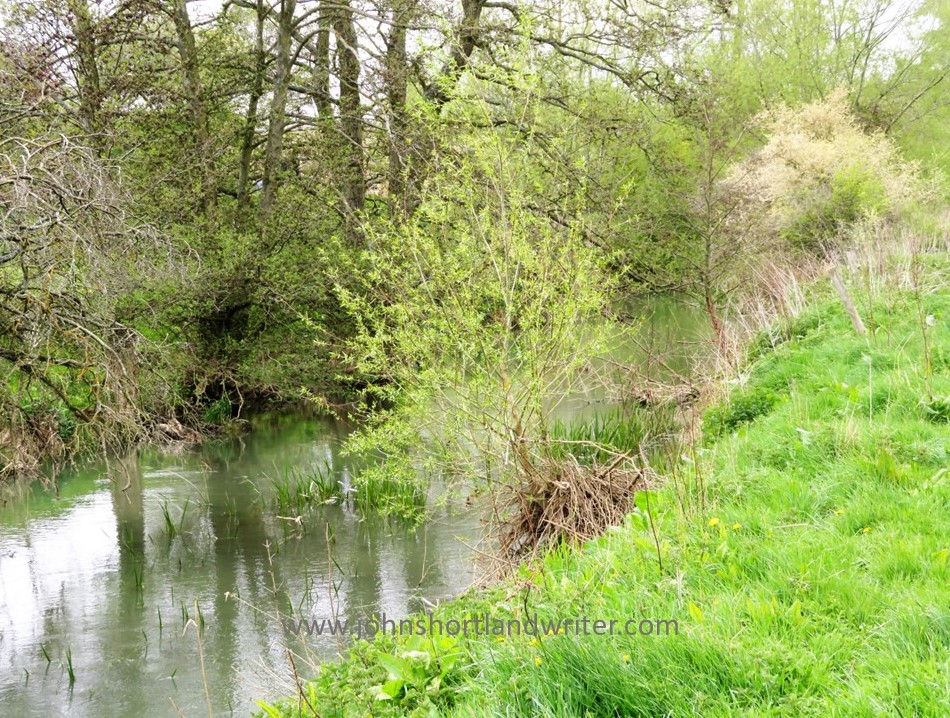
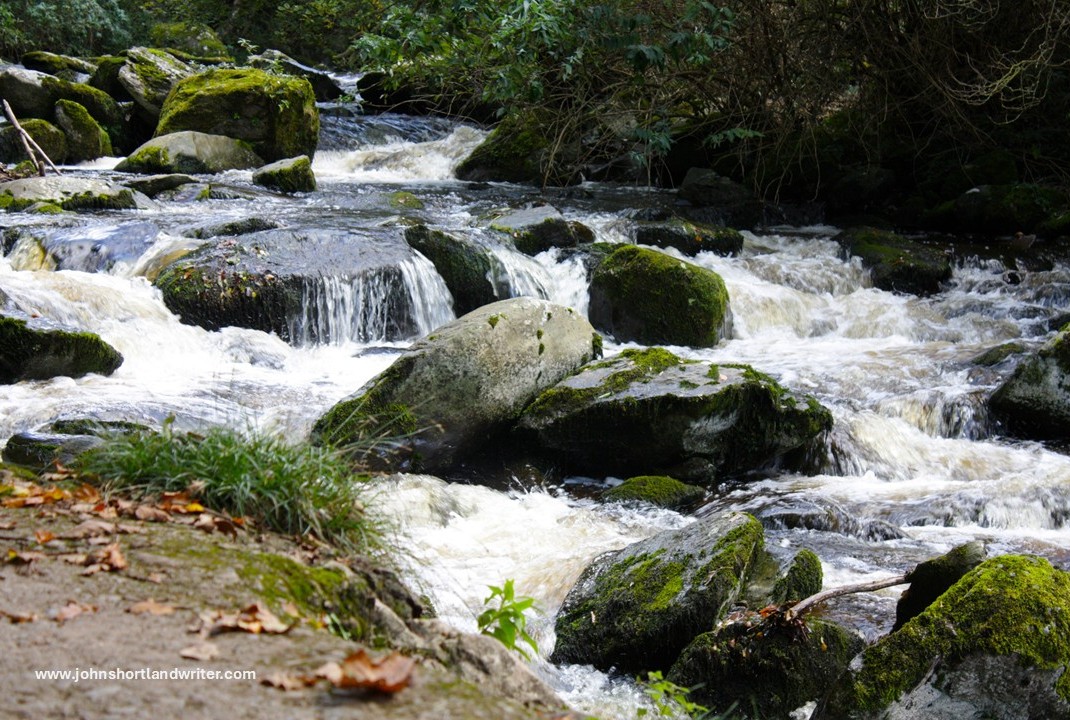
I think this title may be a little misleading, for the river that runs past our little stone-built cottage is neither deep nor that still.  However, it isn’t like the raging rapids that surge through my other secret valley, the one in my beloved Exmoor.  I guess it falls somewhere between the two – perhaps the title should be Still Glides the Stream after the poem by Wordsworth for the water, for much of its course through the valley, does seem to glide rather than flow.
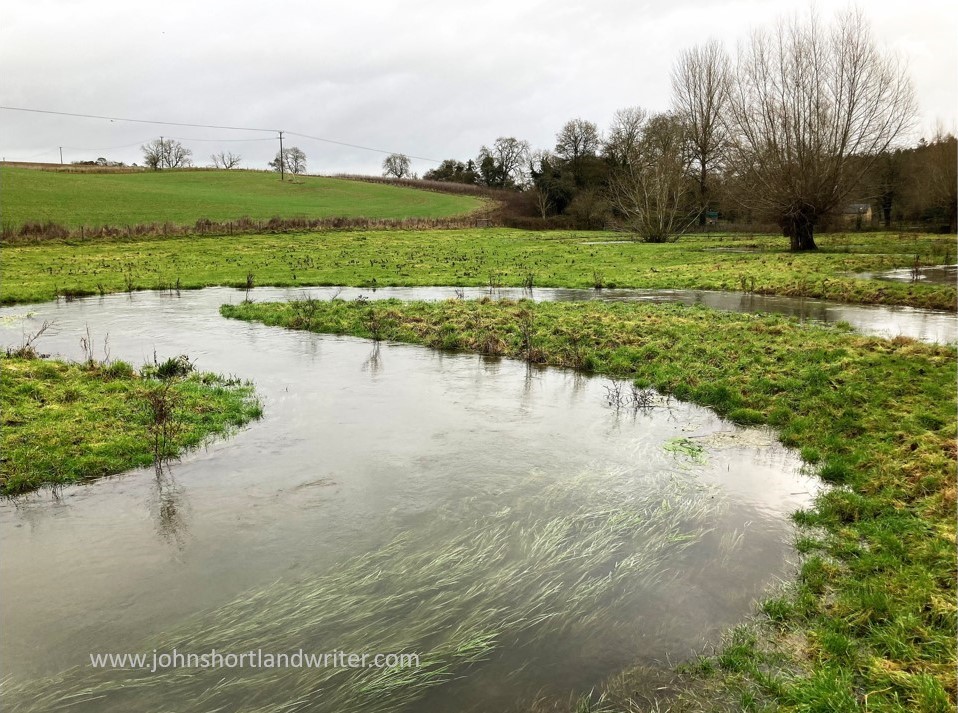
The river seems to glide past our little stone house rather than flow
The river in my other secret valley in the Exmoor National Park is more like a raging torrent

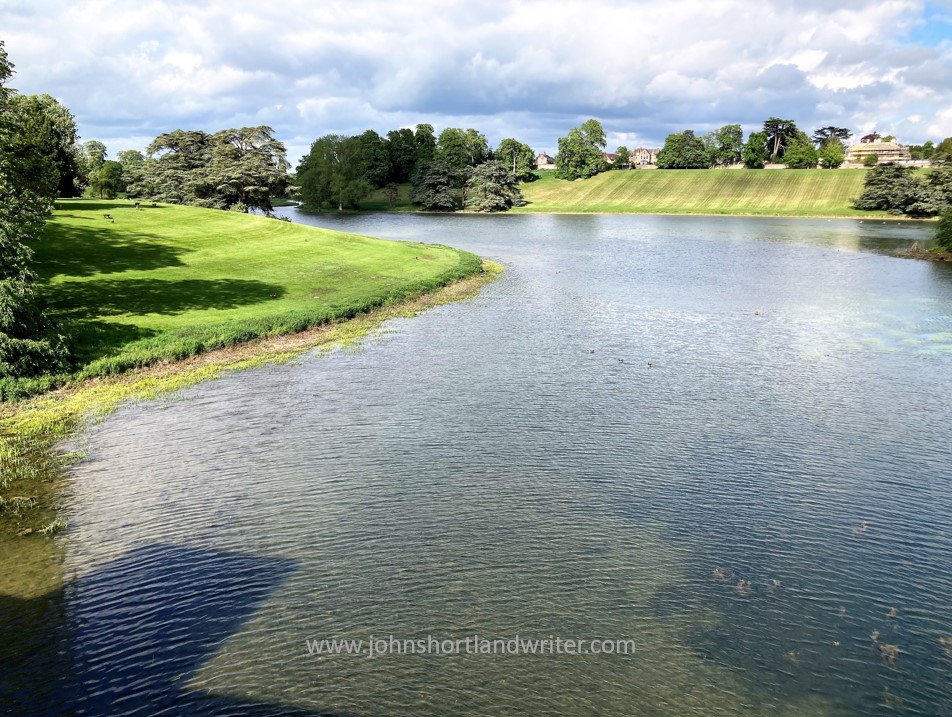
‘Our’ Cotswold river, the Glyme, starts its course in the hills above the town of Chipping Norton.  There is no big fanfare to announce its rising from the ground, instead there is a marshy bit of land and a trickle of water.  How surprising it is to think that this is the source of our drinking water and mill wheel power, as well as two beautiful, landscaped lakes created in the 18th century by Lancelot ‘Capability’ Brown.  One of these lakes is at Kiddington Hall where, when I first moved to live in this area, I was employed as Head Gardener.  Another of the lakes is at Blenheim Palace in Woodstock, a UNESCO World Heritage Site and one of relatively few Grade 1 listed gardens in the UK.  By the time the water has reached these it has flown past our little stone cottage and threaded its way around the series of meanders, the photo of which I use as my blog header.
There is no big fanfare to tell you that this is the start of a most beautiful river
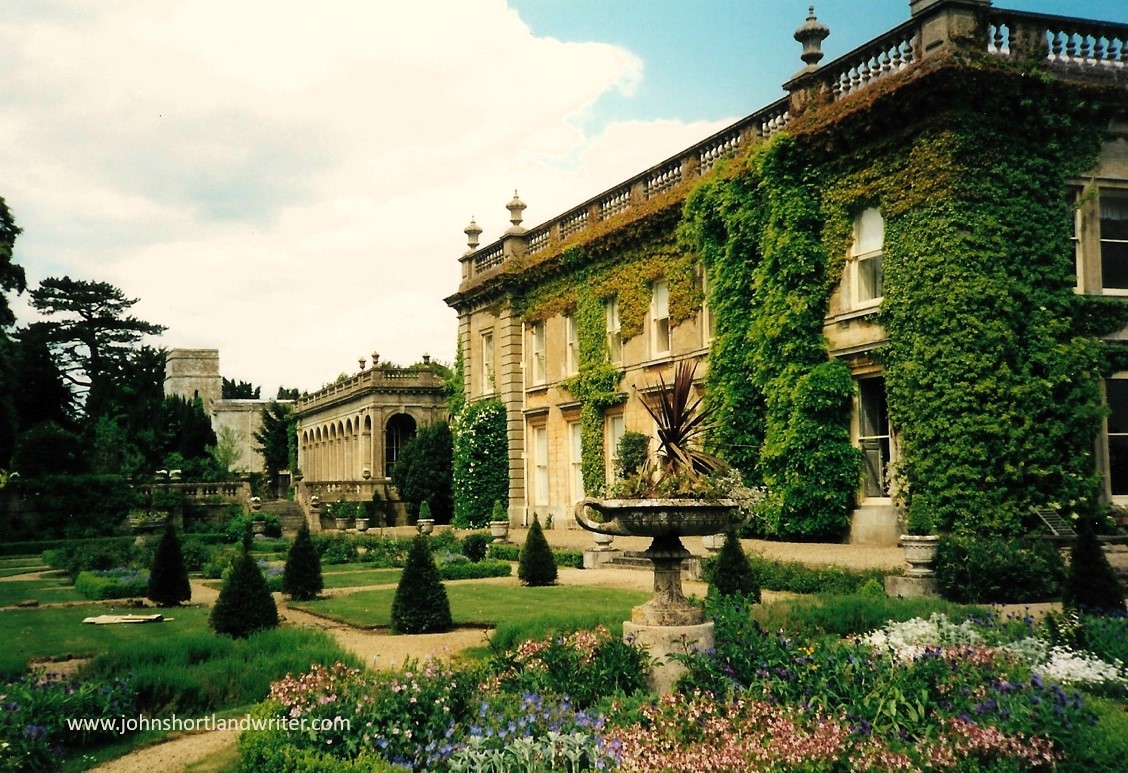
The Italianate gardens at Kiddington Hall at the time I was Head Gardener. They overlook the river

Nature abounds along the whole length of the river.  At its headwaters on a series of natural terraces an abundance of wildflowers grow including the rare native Salvia pratense, more usually thought of as a deservedly popular garden plant.  On the banks around our house and elsewhere, orchids can be found as can, on dryer spots, diminutive wild thyme (see my earlier blog, I Know a Bank Where the Wild Thyme Grows).  In the river both native White-clawed Crayfish and their larger, hungrier cousins American Crayfish thrive, the latter crowding out the former which are now restricted to the higher reaches.  Trout and pike can be caught (although the private fishing rights are jealously guarded) and the much smaller minnows – ‘tiddlers’ to us as children, stickleback and Miller’s Thumb fish are also present.
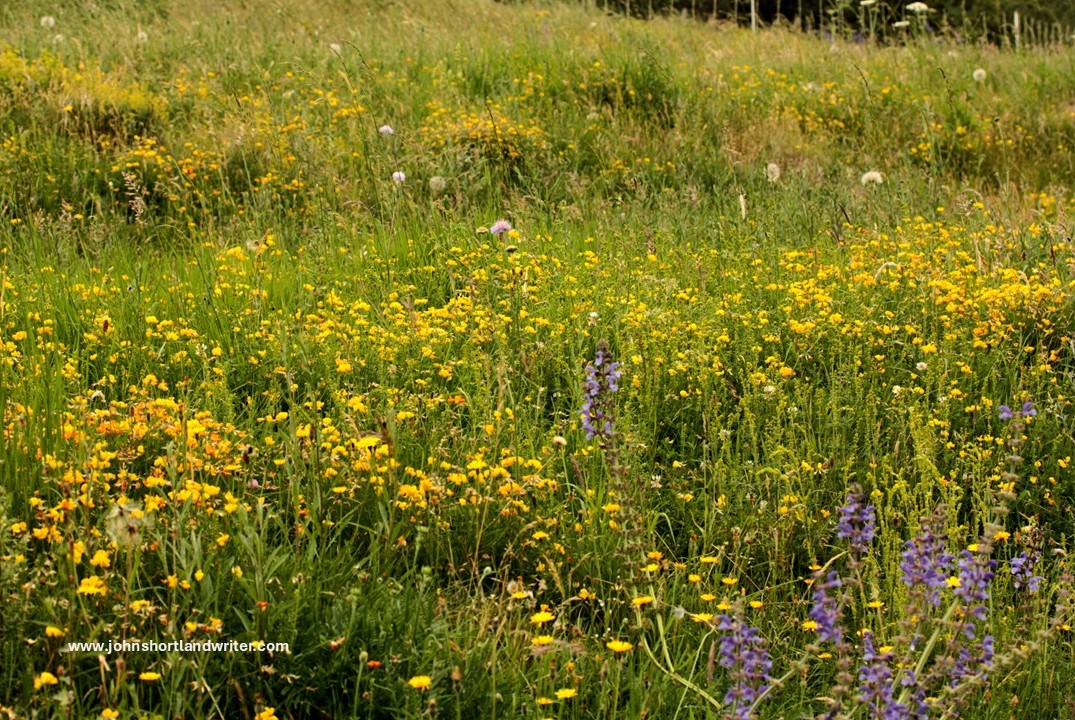
Purple spikes of the rare Salvia pratense growing amongst a myriad of other wild flowers by the headwaters of the River Glyme
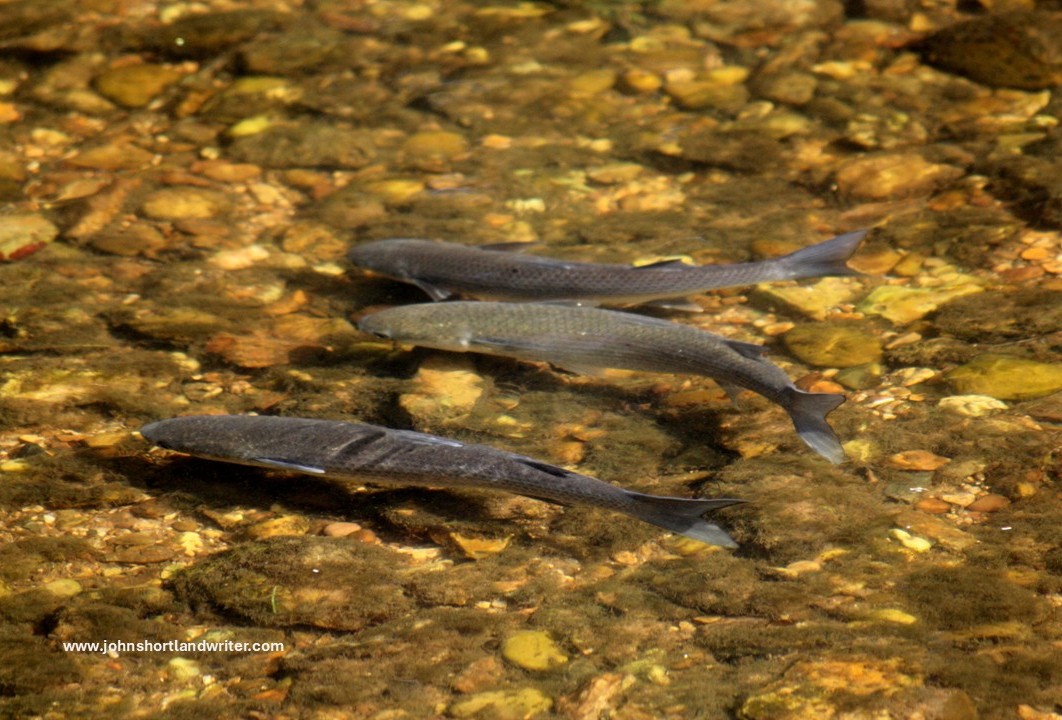
A trio of wild river trout

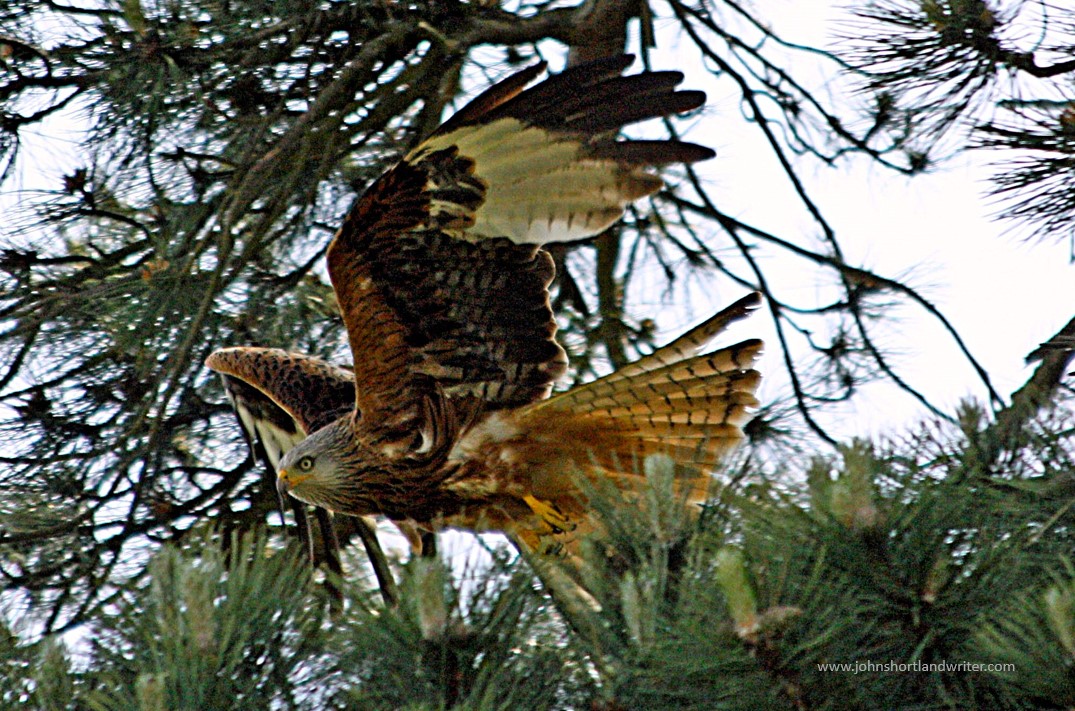
It isn’t just flowers and fish that frequent the river for many of the larger mammals live by or near it – four of the six species of wild deer in England roam here: Fallow, Roe, Muntjac and Chinese Water Deer.  Roe are native, whereas Fallow were reputedly introduced by the Romans two thousand years ago; the Muntjac and Water Deer are more recent introductions.  Badger, Fox and Otter are shy, mostly nocturnal and so are rarely seen other than by the lucky few.  Fortunately, I have been one of them!  Birdsong, especially at this time of the year, announce the many different species that visit or breed here: Red Kite, Spotted Flycatcher, Kingfisher, Little Egret being just a few of my favourites.
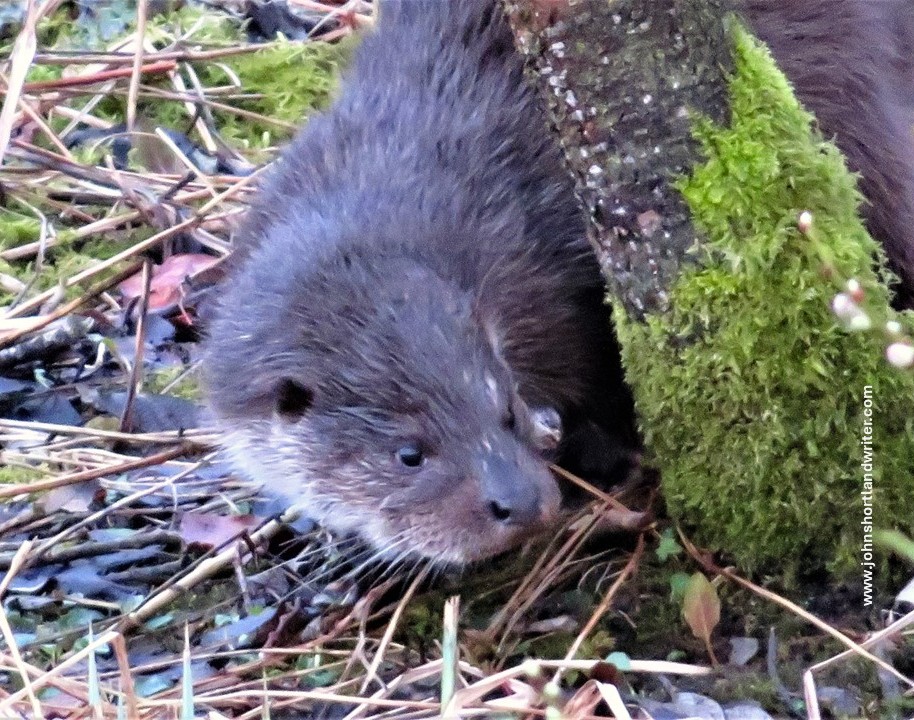
Otters frequent the river but are shy and rarely seen
Red Kite, once hunted to near extinction are now a common sight along the course of the river

After Kiddington Hall, the river continues to wind its way through the villages of Glympton and Wootton where it is joined by the even smaller River Dorn.  A mile upstream of that river is where we stabled our horses and like our own valley, it is secluded and not much frequented despite being very pretty.  The Glyme next enters Blenheim Park, and as mentioned earlier, the river has been dammed and landscaped to create the palace’s Queen Pool and Lake.  From there it cascades into the larger River Evenlode which in turn flows into the Thames a few miles from Oxford.
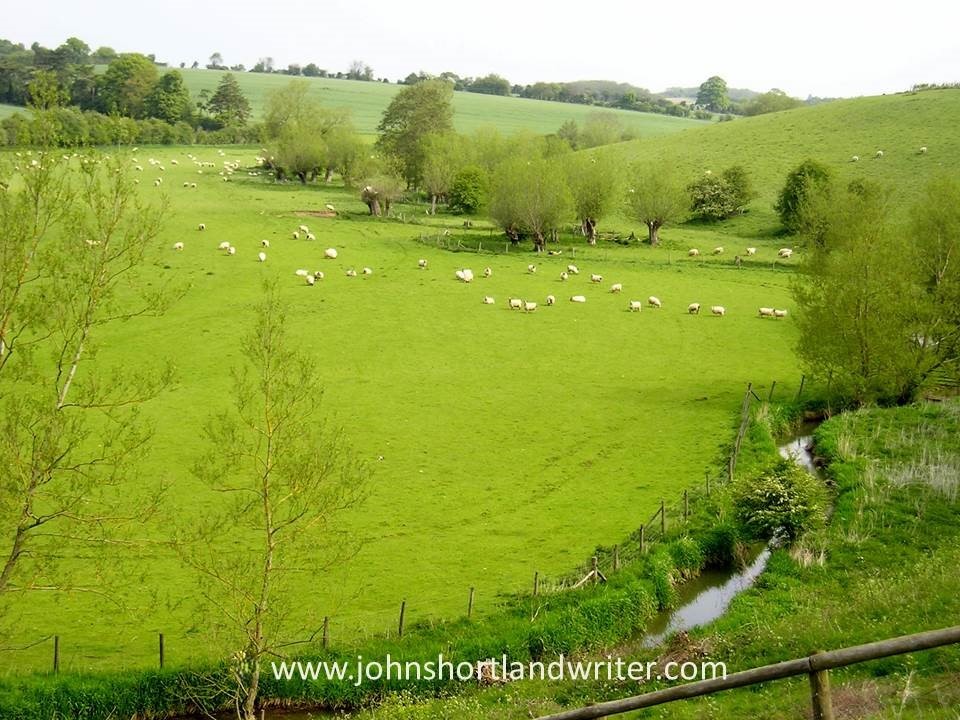
The River Dorn, a tributary of the Glyme, snakes its way through the hils
The lake at Blenheim Palace created by the waters of the Glyme

Human settlement around the banks of the Glyme didn’t just start with the Romans.  Evidence of much earlier Britons can be found all along its length.  Perhaps one of the most prominent, yet weirdly more often overlooked, is the hoar stone in the village of Enstone.  Perhaps the reason for this is that by tradition the Old Soldier, as it is known, takes himself off to the river when thirsty to have a drink (see my blog post on the Old Soldier here).  This may well be true for, despite the stones’ huge size, I have often gone past it only later to realise that I hadn’t actually noticed it being there!  Further downstream there are earthworks known as Grim’s Ditch, a series of banks and ditches that probably served as boundary markers.  When the ditch was being created some 3000 years ago, the Old Soldier was already 2000 years old. I rather like the thought that living and working on the land I and am part of an unbroken chain that dates back five millennia or more.
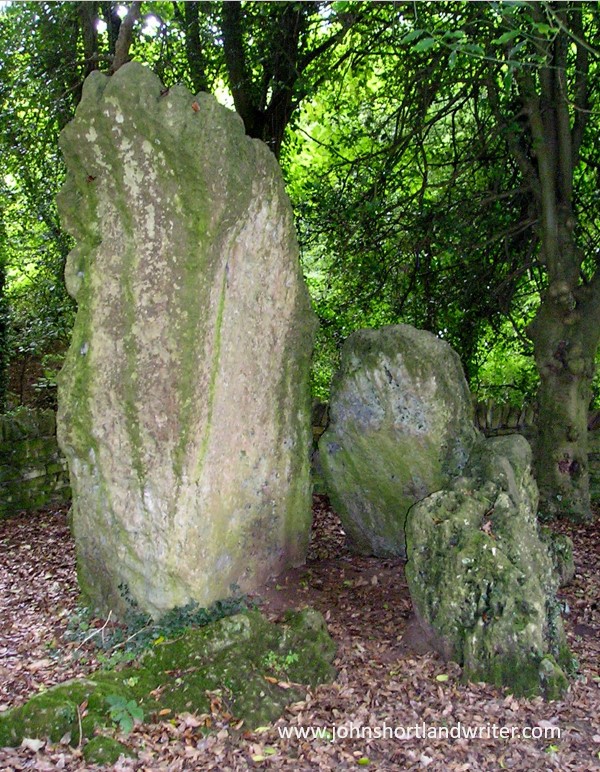
The Old Soldier, now 5000 years old
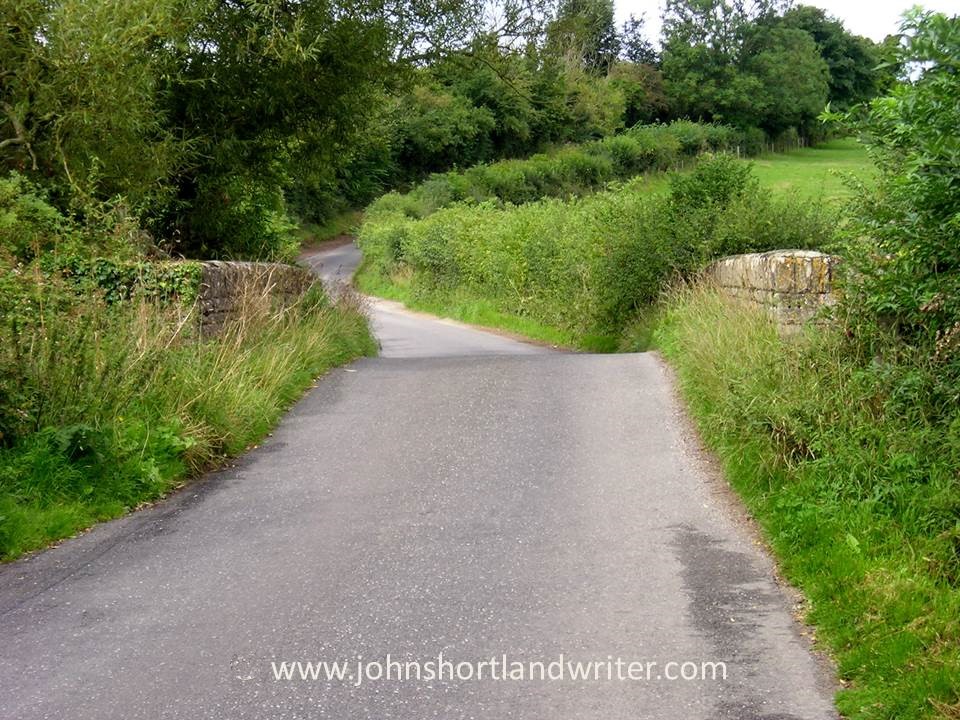
This insignificant looking little bridge marks the place where Akeman Street, a road built by the Romans, crosses the River Glyme

Footnote:
i) Still Glides the Stream is from William Wordsworth sonnet, written in the early 1800s – “….Still glides the stream, and shall forever glide….”
ii) Still Waters Run Deep: a proverb dating from the early 1400s or even earlier. Modern use refers to great passion hiding behind quietness. Originally it suggested that silence often hid danger and Shakespeare (who else!) picks up on this theme in Henry IV – “…smooth runs the water where the brook is deep….show he harbours treason….”
A Walk With Dinosaurs and Romans

One of the perks of getting older is retirement or, in my case, semi-retirement.  Suddenly, I no longer need to keep checking my watch to see if I have enough time to do things without racing onto something or somewhere else.  It has given me time to re-visit some of the pleasures that I enjoyed in the past. One of these is walking.  When I was much younger I used to walk the long-distance footpaths and trails that were then just beginning to be created.  Now there are literally dozens of them to be enjoyed varying in length from a few dozen miles to several hundred.  I’m not up to the lengthy walks of my youth yet – the longest took a fortnight to complete.  At present, I’m content to be out for a few hours and, hopefully, the mileage will increase over time. 

England is criss-crossed by public footpaths and longer trails

The other day my partner and I decided to visit the Roman villa at North Leigh not far from the small, Cotswold town of Woodstock.  Unlike the Roman villa where you rarely see anyone, Woodstock is visited by thousands of international visitors every year, for it is where Blenheim Palace, a World Heritage Site, is located.  The two houses, six miles apart in distance but fifteen hundred years apart in their building, are very different.  Whereas the Palace is full of priceless treasures, all that is left of the villa are the foundations and a single mosaic floor.  At its peak in 300AD, the villa was one of the largest in Britain with suites of rooms, many mosaics and several baths.  Now it is quiet, wildflowers scramble over the walls and it is set in glorious countryside close to the River Evenlode.  With parking close-by, this was the starting point for the walk.

The Roman Villa, once busy – now a haven of peace and quiet
Wildflowers scramble over the ruins of the Roman villa

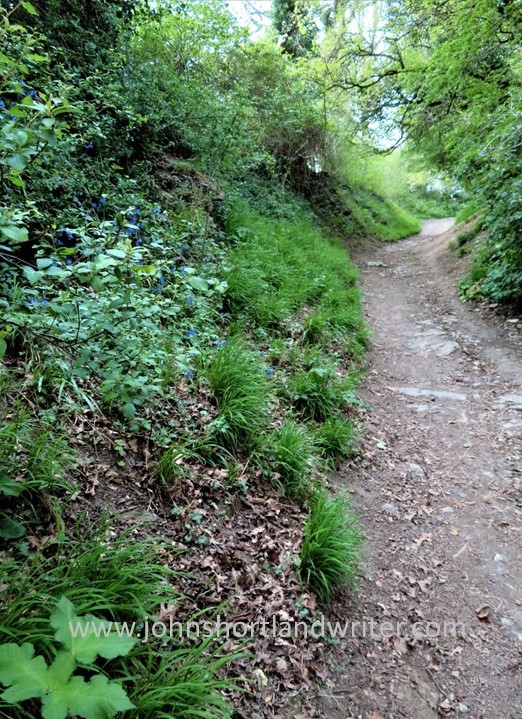
The path to the villa and those leading away from it are well maintained and marked, making the trail easy to follow.  Most of the route we took was on the network of public footpaths that criss-cross England, most of them dating from the time when all travel was either on foot or horse.  At one point, the paths joined the Oxfordshire Way, a path of 66 miles in length.  This in turn links to other long-distance paths so how long you walk for is entirely up to you!  After ten minutes or so, the Evenlode was reached and crossed.  Originally known as the Blade, its present name is relatively modern, first being recorded in use in the 1880s.  It meanders through the Cotswolds for nearly fifty miles before entering the River Thames. Crossing the river, the path turns to the west and the country changes in character with steep grassy banks rich in wildflowers rising high to our right, the river to our left.  Here we’re walking along Akeman Street, an ancient Roman road, once busy but now a quiet, grassy track.

The paths cross meadows until the river is reached

“The tender Evenlode that makes her meadows hush to hear the sound of water…”

Before long, the character of the path changes once more.  The Evenlode changes in character too for there is a wide ford – perfect for wild swimming.  Various paths meet here but we walked the steep path towards the village of Stonesfield, known locally for its history of making the stone rooftiles that are a feature of old Cotswold properties.  In pre-history, the Cotswold Hills were submerged by a warm sea and now fossils can be found quite easily; they can even be seen occasionally in the stones that have been used to build the houses.  It was in the Stonesfield loose and flaky rock that the very first dinosaur fossil to be found anywhere in the world was discovered.  Close to where it was found, a steel bench inscribed with the words of the French poet Hilaire Belloc has recently been placed – welcome indeed, after clambering up the steep path that leads from the ford to the village.

The view of the river from the ford
The rocks around the village of Stonesfield yielded the world’s first dinosaur fossil
The steel bench engraved with the words of Hilaire Belloc

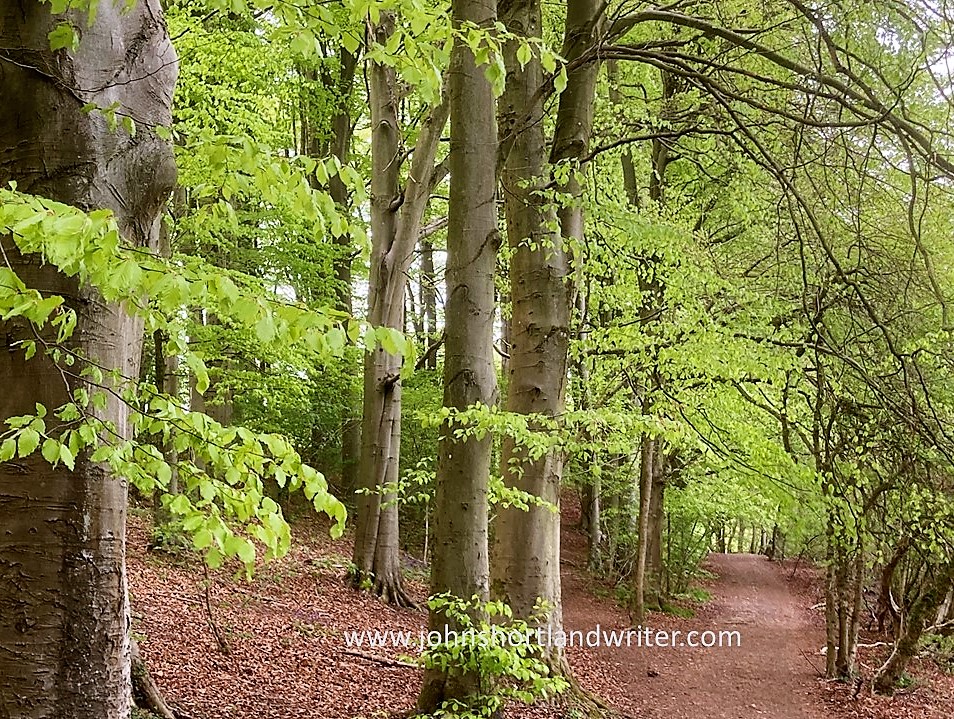
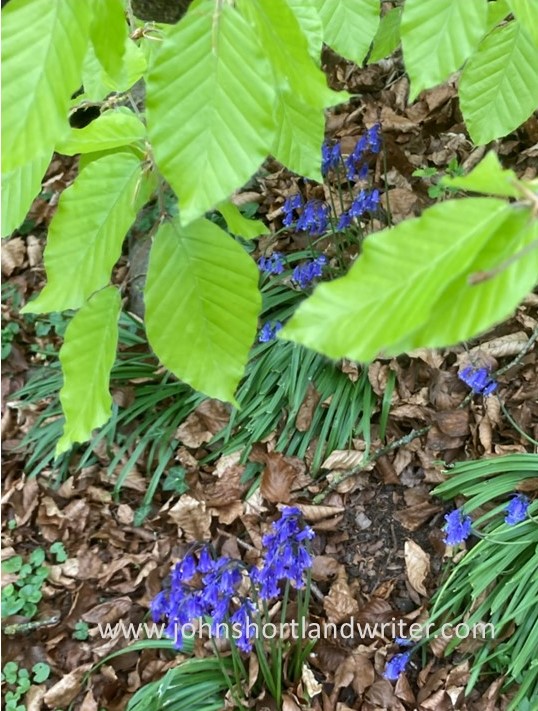
After a short walk along the edge of the village, our path left the Oxfordshire Way to descend steeply through meadows before reaching a strip of woodland, Stockey Plantation.  Although there are firs planted there, there are also many native beech trees which are, arguably, at there most glorious at this time of year.  The newly unfurled leaves are of the most intense green which, along with the deep blue of bluebells and the yellows of other spring flowers are almost too bright for the eyes to bear.

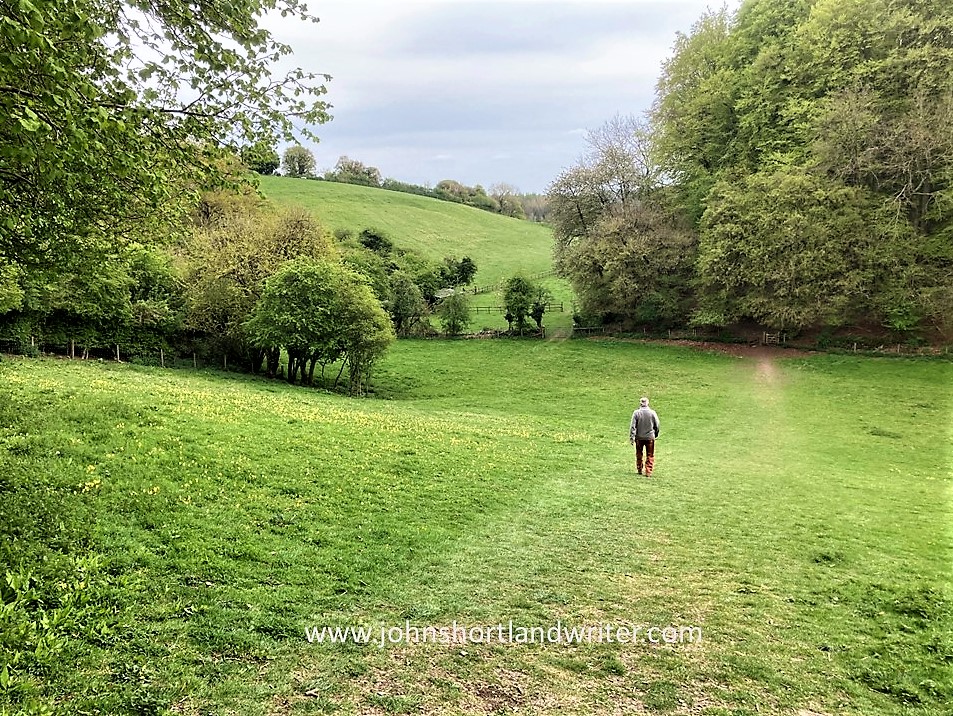
The descent to the woods becomes more gentle as it crosses the meadow
The path through the beechwood
The intense colours of the beech leaves and bluebells almost hurt the eyes

Leaving the woodland we reach the Evenlode ford once more but this time cross it – there is a footbridge, so no need to get wet – before striking off across the fields again to return by an alternative route to the Roman villa and the car beyond.  The walk probably took no more than a couple of hours and is relatively easy.  The weather, this April has been very dry.  At other times, the paths can be muddy and so sensible, walking shoes or boots are recommended.  The route we chose does have some steep hills to climb but these can be avoided for there are many paths that keep to the level ground.  An Ordnance Survey map of the area is handy to work out routes – I used the app on my phone but paper maps covering all parts of the UK are readily available. 

The sun seemed to shine brighter in the water than overhead
In the damper woodlands Ramsons, the wild garlic, carpeted the floor

To see more photos of the Roman villa and read of its history take a look at one of my earlier posts by clicking on the link here.

To read the full text of Hilaire Beloc’s poem of the Evenlode river click here