


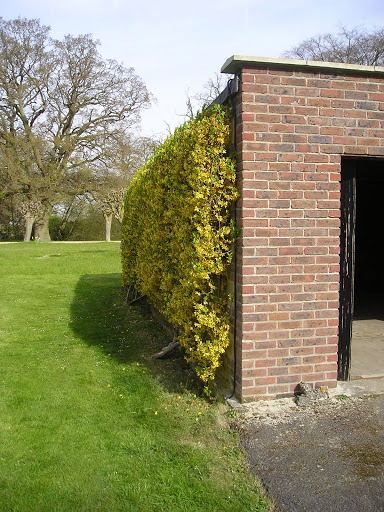
Forsythia: Another spring bloomer and again just the odd flower rather than branches being smothered in flower. Perhaps not so surprising, as flower arrangers would know – the tight buds that cluster along the bare stems will burst into flower early when brought into the warmth of a house in a similar way to the ‘sticky buds’ of the horse chestnut bursting into leaf indoors. Here, forsythia has been trained as a tightly clipped shrub to screen an ugly garage wall, the warmth and protection of which also makes the flowers open a week or two before normal.

Ferns: Some of the shabbier looking ferns had been cut dowm to ground level as part of the autumn tidy. I hadn’t expected them to burst back into growth …..


Daisy: There have even been odd wild daisies flowering in the lawn (we have mowed twice this month too). The Erigeron daisy that you see growing in profusion amongst the ruins of ancient Rome has been flowering in our garden as if it was still midsummer; it is smothered in blooms.

Geraniums: The hardy herbaceous sort. Like the ferns, they had been given the chop some time ago but are coming back into leaf and flower. Some of the hardy salvias are doing the same thing.
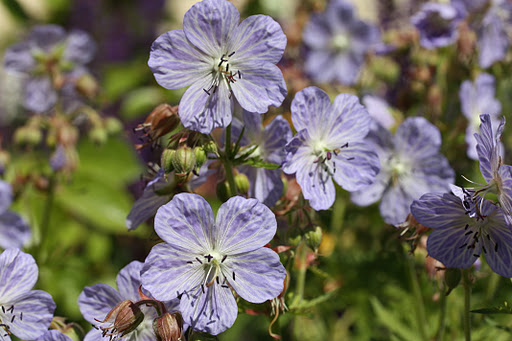
Mallows: I have seen hollyhocks still in flower on my travels around the Cotswolds. They are majestic when they are grown well but my favourite of all is the musk-mallow, Malva moschata, which is a wild flower that is often brought into gardensl. I grow both the pink and the white versions and they self sow happily in the borders without ever becoming a nuisance. It wouldn’t matter, you couldn’t have too many!

Roses: There are nearly always roses out on Christmas Day and we always exclaim how extraordinary a sight it is. They are poor, wet, bedraggled specimens carefully left in place by even the hardest pruners as a reminder of warm summer days. For the most part that is the case this year too. What we don’t expect to find are bushes smothered in beautiful blooms still wafting scent but this is the case in one rose garden I attend. I am uncertain as to the variety but there are three of these amongst forty other bushes – all shrub roses. They really are a joy to see.


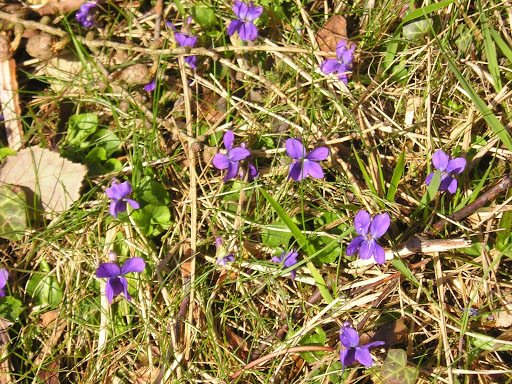
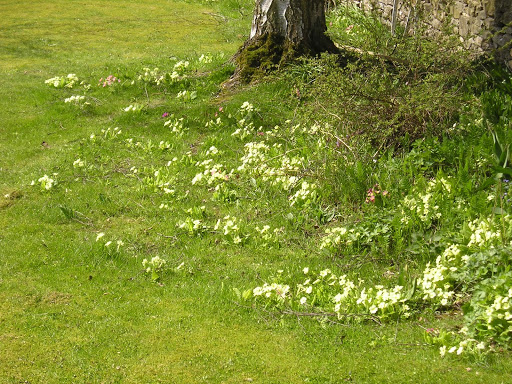

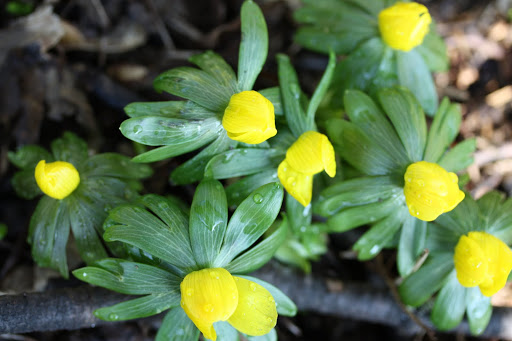


 The pretty, native Wood Anemone, Anemone nemerosa, blooms in profusion in favoured places – usually in sheltered woodland. Sometimes they are found on banks, perhaps showing where ancient woodland once stood, for Anemone nemerosa is one of the ‘indicator’ plants. Ancient woodland is classified in England as woodland growing prior to 1600 and although a number still stand many were cleared centuries ago.
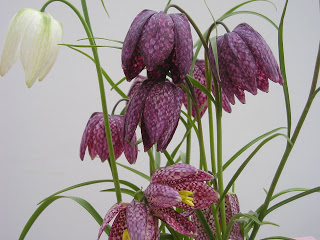
 The Snake’s Head Fritillary, Fritillaria meleagris, is an extremely rare plant in the wild although there are water meadows around Oxford and the Cotswolds where they carpet the ground – a spectacular sight. Fortunately, they grow quite easily in our gardens and the corms are readily available from reputable bulb merchants, who only source them from grown stock. Sadly, there are still occasions when bulbs and corms are marketed from illegally collected wild stock.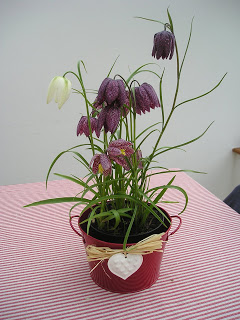
 It is not only flowers at Easter that should be thriving. The wild birds are singing and building their nests and sheltered beneath a large clump of Oat Grass, the wild Mallard duck, lay their eggs each year in our garden. As soon as they hatch, their mother leads them to the safety of the river below the house.


 Life in the English Cotswolds