Living with Nature

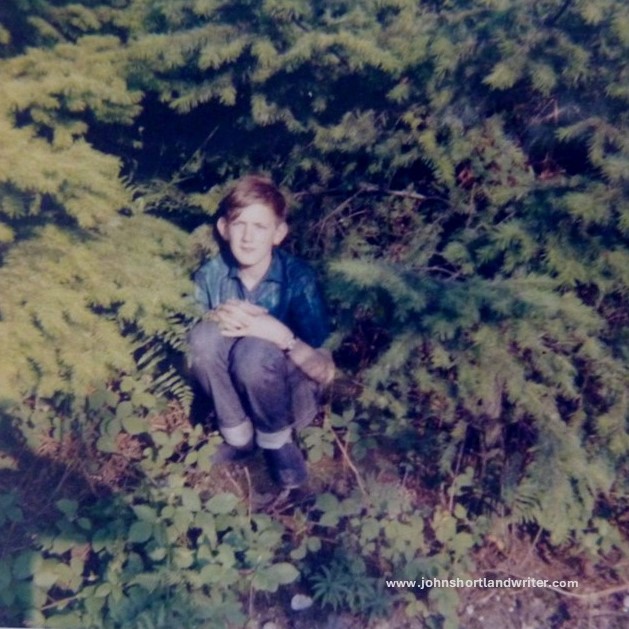
The tag line of my blog and other social media platforms describes me as ‘countryman’ and that’s how I see myself for I have lived in the countryside all my life.  One of my earliest memories is at kindergarten, aged four, and being taken on a nature walk.  There our teacher introduced us to a row of larch, the perfect tree to spark a small child’s imagination.  Soaring into the sky, straight and tall, their drooping branches almost touch the ground – “like gracious ladies curtseying to the mighty oak, the king of trees,” she told us, a description I have never forgotten.  An older cousin introduced me to butterflies and birds, collecting eggs and catching butterflies to mount on a board.  Back in the 1950s there were no concerns about such things, it was only later that the practice became frowned upon.  In my twenties I discovered the writing of Richard Jefferies, the Victorian naturalist; his quote below (and also attached to this favourite photo of myself with my father) sums up so accurately my feelings today.
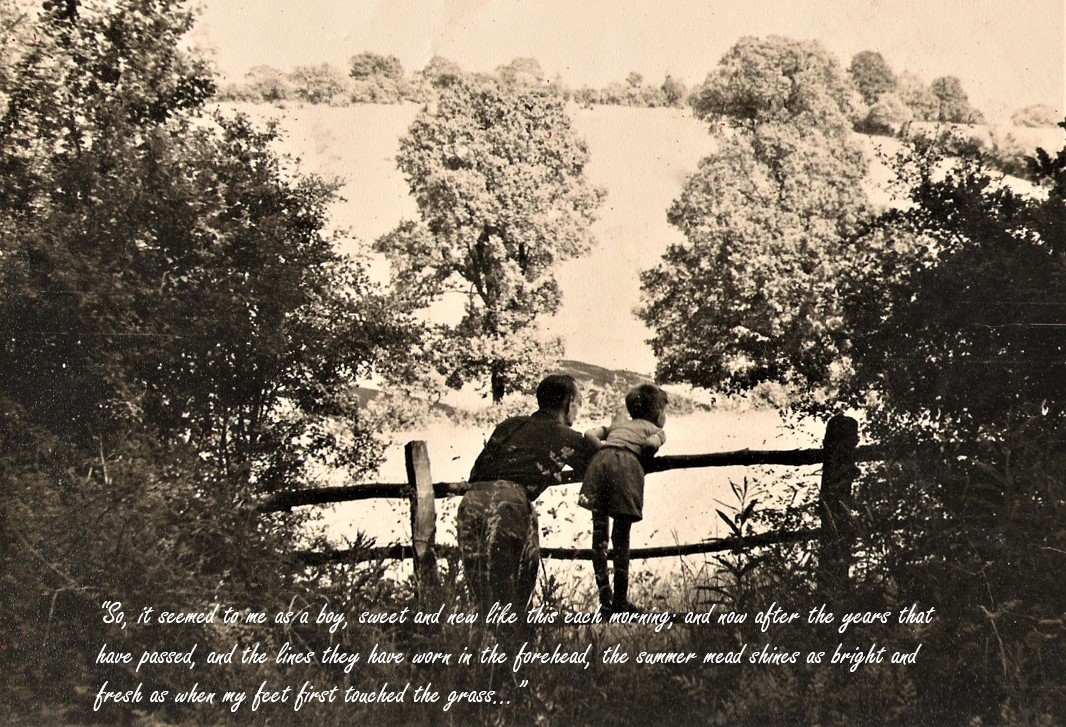
My childhood home backed first onto wheatfields and later onto a cherry orchard under-grazed by a herd of gentle Guernsey cows.  We would walk to the farm to collect pints of their rich, creamy milk and eggs.  The first home of my own looked out towards Watlington Hill, one of the high points of the Chilterns and one which I knew well from long walks and family picnics.  After a few years I moved up the hill to a home fronting a wild bracken-covered common, its scrubby hawthorn trees the home of dormice.  Behind the house were the bluebell beechwoods for which the Chilterns are so famed.  After eighteen years there, I moved fifty miles up the road to the Cotswolds and the secret valley, a very different landscape of which I have so often written and blogged about.
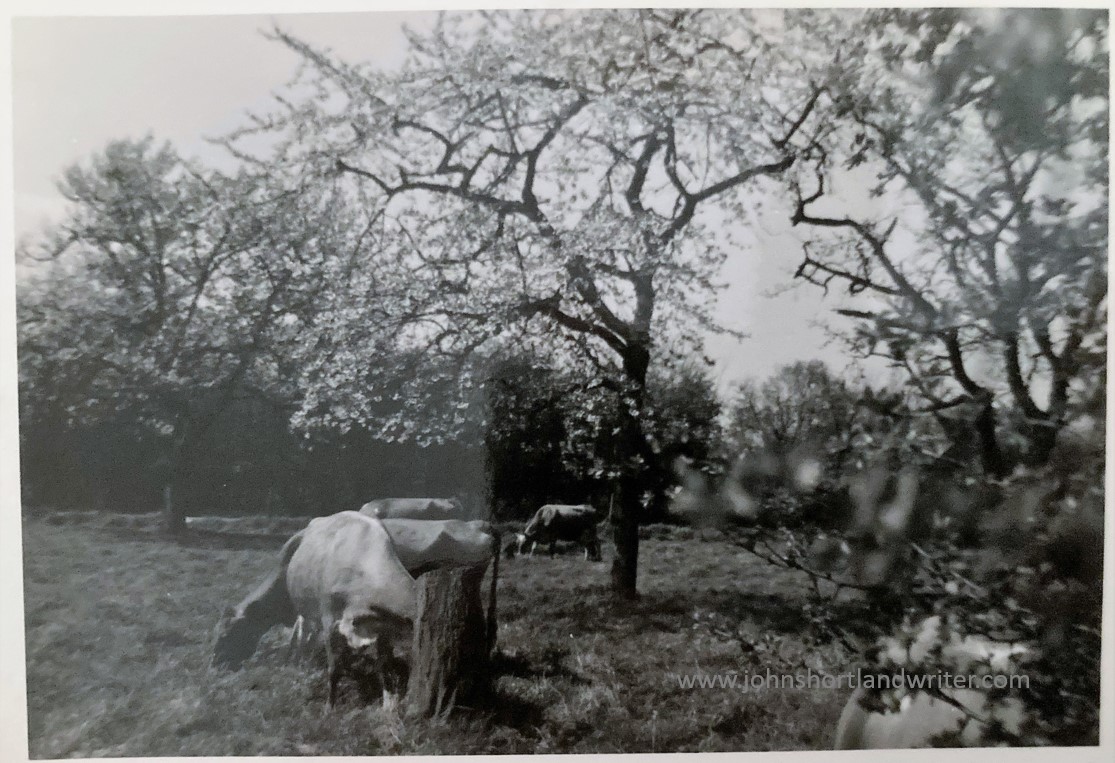
A herd of gentle cows grazed the cherry orchard behind my childhood home
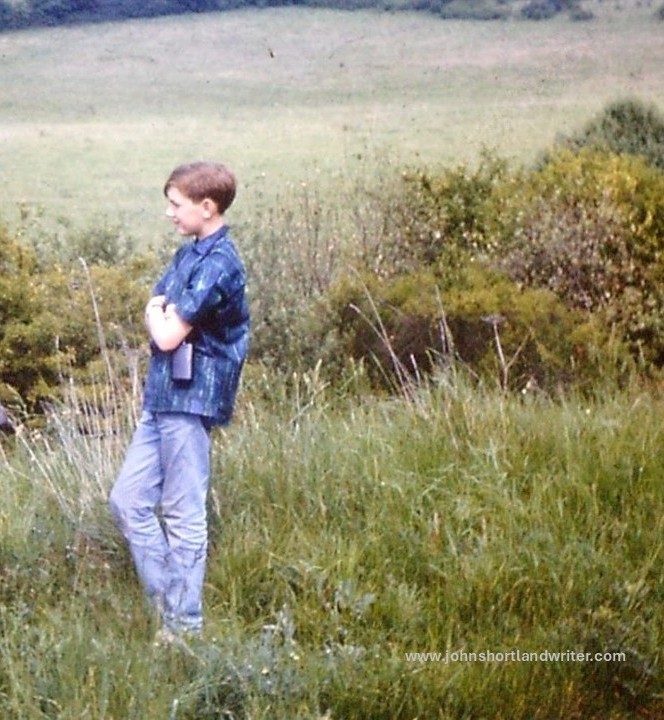
John on Watlington Hill, c1965I was rarely without binoculars or camera in my hand
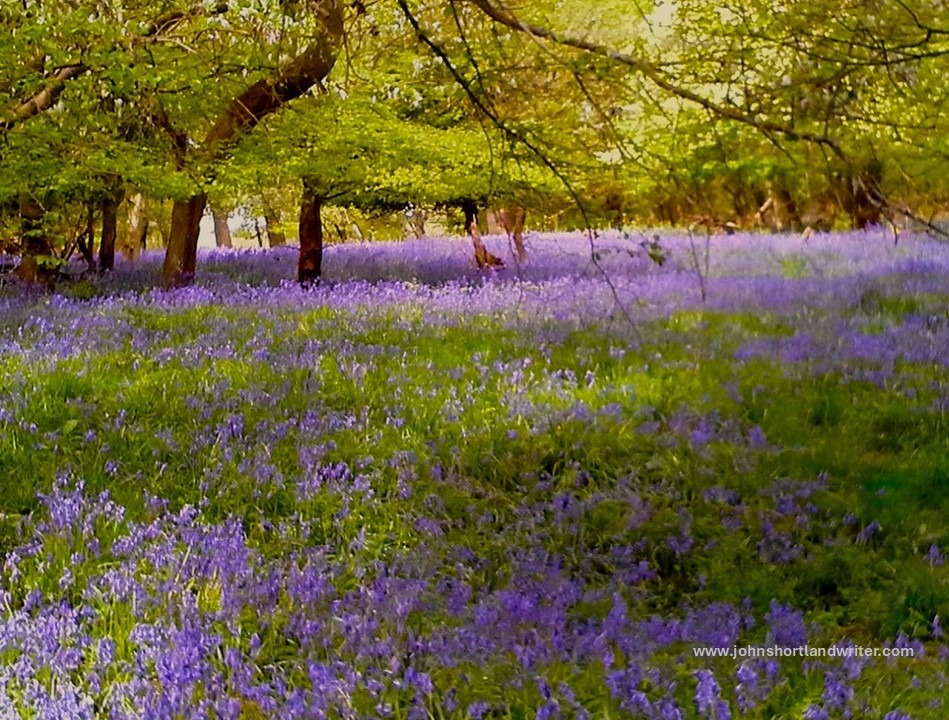
Behind my Chilterns home were bluebell woods, the glory of spring

It was here, in this tiny, hidden Cotswold valley, that my horticultural career developed beyond my wildest expectations, where I finally learned to ride a horse properly (I’d ridden badly from childhood) and where I became involved with both the Blenheim and Burghley International Horse Trials.  It was here where I was instrumental in the founding of both a County Gardens Trust and a Literary Festival, and where I received my commission to write my book, Why Can’t My Garden Look Like That?  It was here where I made new friends and became part of a new family: all of this wouldn’t have been so readily obtained without the constant support and encouragement of my long-suffering partner.  In fact, it was him seeing me writing away in a corner one day and asking what is the point if no-one ever read it, that sparked the idea of blogging regularly.
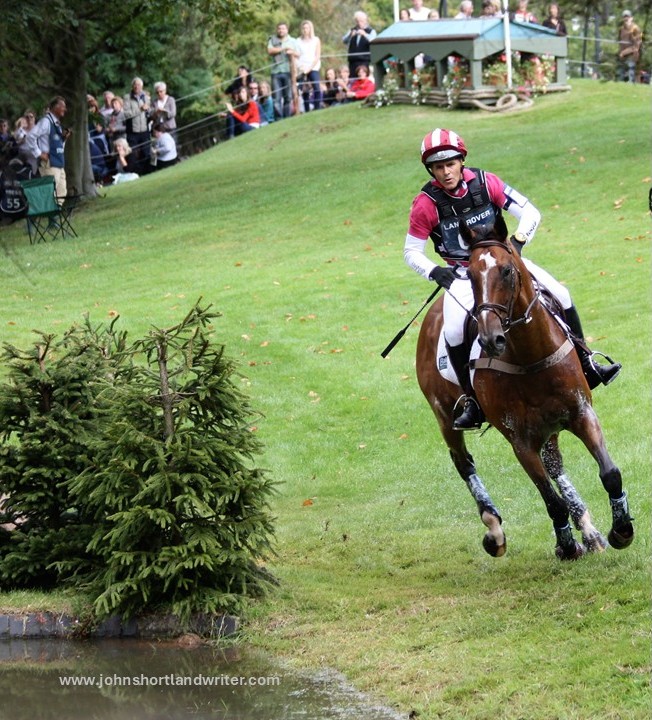

Working behind the scenes at the Burghley Horse Trials gave me a close-up view of the action
Being interviewed at the Chipping Norton Literary Festival

Considering all of the above, along with my passion for the remote and seemingly empty landscape of Exmoor, a National Park in England’s West Country, it comes as a surprise to many others – and perhaps even more to myself – that I/we shall be moving very shortly not just to a built-up area but to the very centre of a town, Cheltenham.  So after twenty-five years in the secret valley I am becoming a ‘townie’. Or, perhaps, a fish out of water?  I doubt it somehow for Cheltenham has some very special and unique qualities which I am looking forward to exploring.  It will be interesting to see how I adapt to town life and I am also looking forward to sharing my discoveries and thoughts through my writing, so watch this space…
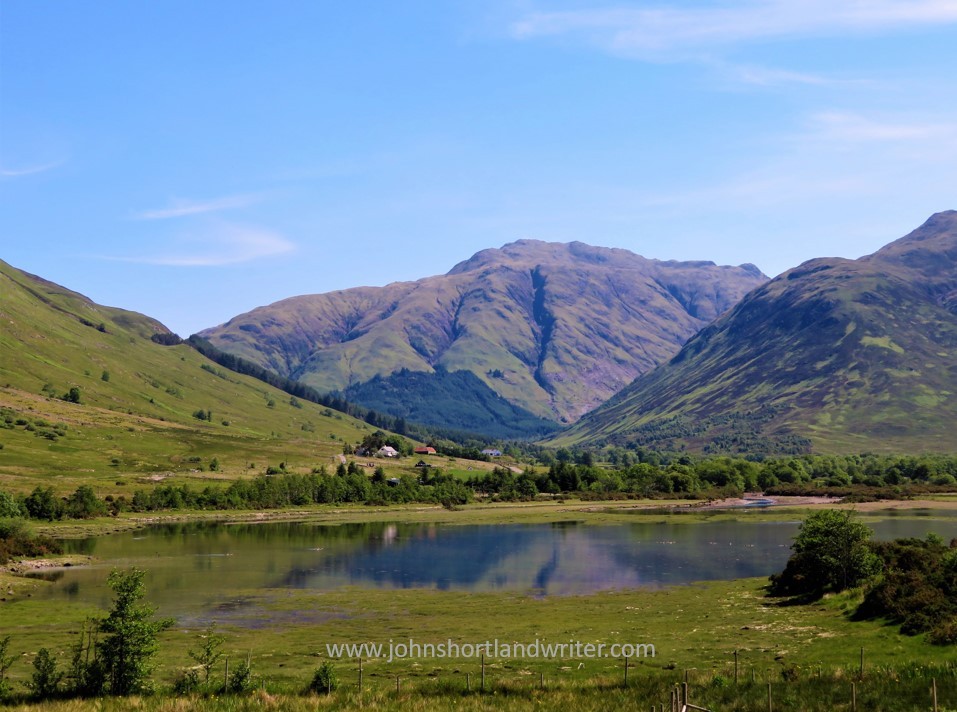
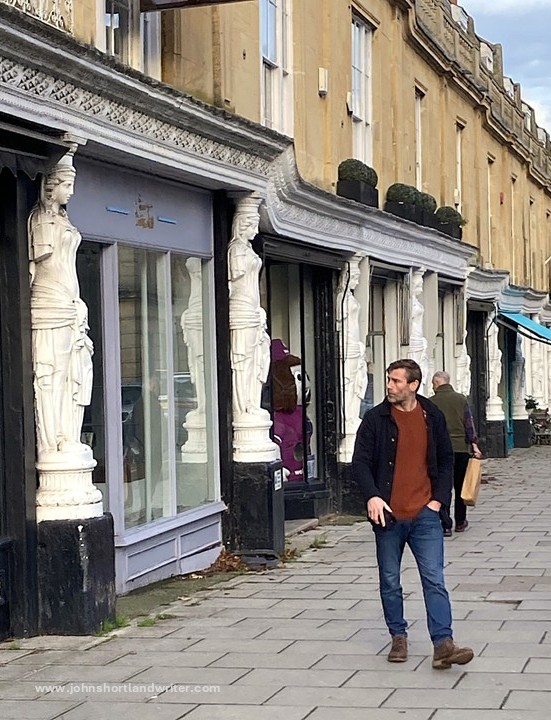
I feel so at home in remote countryside, how will I fare living in a town? This is Scotland, not Exmoor!
Perhaps the Caryatids – all thirty-two of them – will watch over me when living in Cheltenham

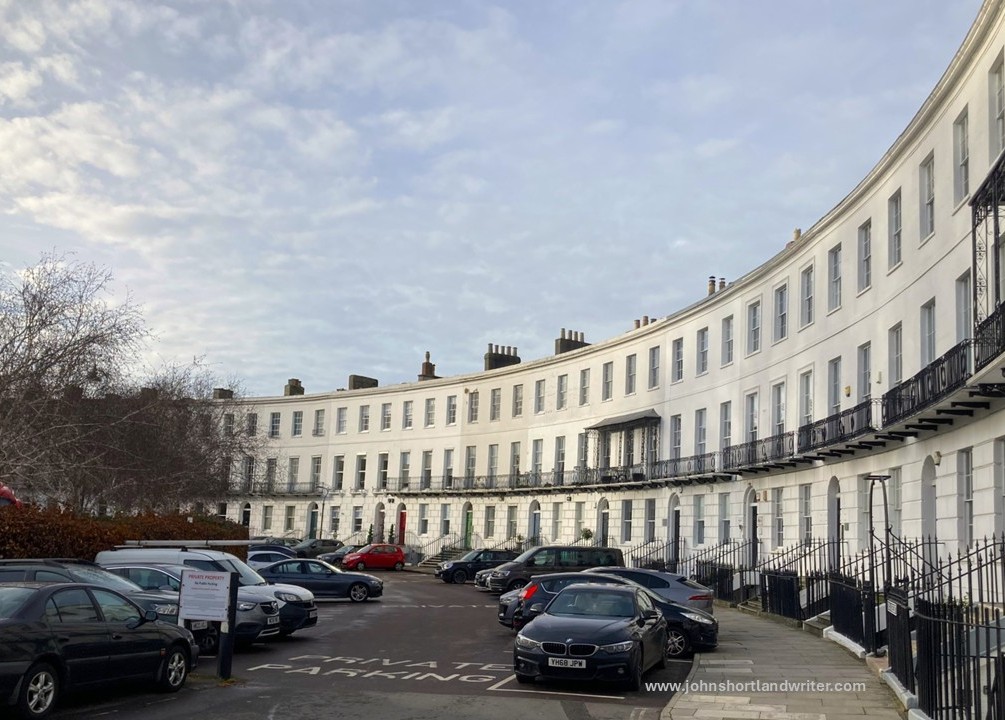
Here are a few facts that I have gleaned during my time visiting Cheltenham.  First and perhaps of the greatest importance to me, it is very leafy for it boasts more trees than people.  It also has numerous green spaces, many award winning and these along with the little river that flows through the town are home to a great array of wildlife: I have been told of brown trout, kingfishers, otters and badgers all living there and, of course, foxes I am sure will pop up everywhere. Peregrine falcons breed on the church towers and, to my surprise, seagulls can be heard with their constant mewing. Another surprise has been the numerous fountains in the town although, perhaps I shouldn’t be, for it was developed in Georgian times for its natural mineral waters, very much like the more famous city of Bath. As a result of this, Cheltenham also boasts some very splendid architecture including its own version of the famous Bath crescent. Finally, Cheltenham is considered one of the Cotswold Gateways for the hills rise steeply from the town’s edge. To the west flows the River Severn, and the Malvern Hills and the Welsh Black Mountains are not far either. There will be so much to explore and write about both of town and of country so Life in the English Cotswolds, after seventeen years, is very much set to continue. I very much hope that you will be joining me on my latest adventure.
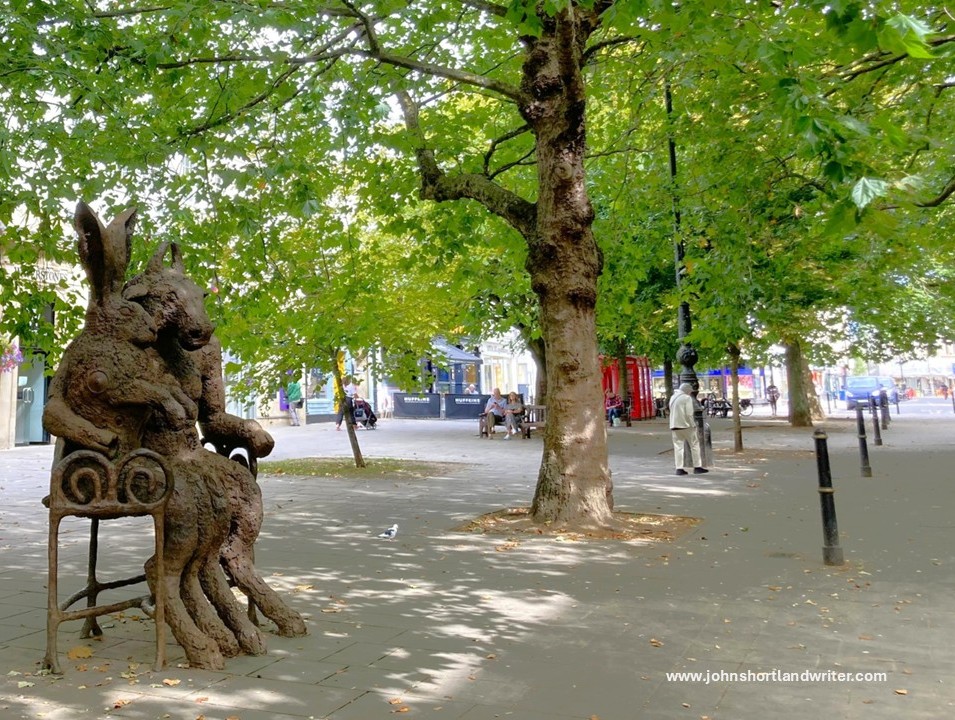
There are more trees than people in Cheltenham. This is one of the main shopping streets, Promenade
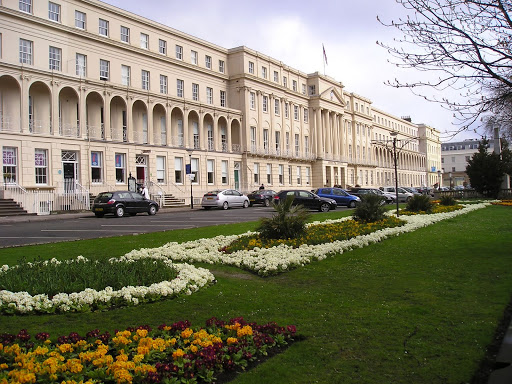
The Royal Crescent – splendid Georgian architecture lines the streets of Cheltenham

With so many open, green spaces, walks along the river that made the town so famous (more of that to come in the future), the architecture and fountains, let alone all the festivals and restaurants of which there are many, I think I’ll be fine. In the meantime, I shall remember my two favourite quotes from Richard Jefferies both written in 1885:

i) Those who love nature are the real artists

ii) So it seemed to me as a boy, sweet and new like this each morning; and now after the years that have passed, and the lines they have worn in the forehead, the summer mead shines as bright and fresh as when my foot first touched the grass…

Brasserie Blanc Cheltenham

Cheltenham, on the western edge of the Cotswolds, is full of historic Georgian buildings which make it an interesting place to visit if you are readily bored by the now characterless towns that have had their hearts ripped out in the interest of modernisation.  Although it has all the major chain stores there are still very many smaller, independent shops which help to make the centre busy and vibrant.  There are, however, plenty of opportunities to escape the throng of shoppers by relaxing in its parks and green spaces which are close to hand and beautifully maintained.  With so many positive attributes, it is not surprising to find that there are also numerous cafes, bistros and restaurants – great news if, like me, you prefer your relaxation to revolve around food and drink.

Cheltenham (3)   copyright

One street that incorporates all of the above elements is The Promenade, a wide tree-lined boulevard.  We made our way to the top end of it, walking past the splendid Town Hall with its fountains, to reach Brasserie Blanc where we had booked a table for a Saturday lunch.  Set in a delightful Georgian townhouse, it has very recently been completely refurbished and, judging by the number of diners there, has retained its loyal clientele.

Cheltenham (4)   copyright

Any culinary venture that has Raymond Blanc’s name attached to it is bound to be a good choice and Brasserie Blanc didn’t disappoint whether in its understated interior design, the friendliness and efficiency of the staff and, most important of all, the quality of the food.

Slide1

The huge arched windows and high ceilings give a feeling of space and natural light, both of which prevent the L-shaped marble bar, which runs almost the full length of the building, being too dominant.  It is visually impressive and imparts a delightfully informal atmosphere to the dining area.

Slide2

Our Italian waitress, Chiara, who was both charming and efficient, guided us through an extensive menu.  For the starter my partner selected the cheese soufflé with a rich cheese sauce which came with the most wonderful, crispy outer crust.  I went for the salt beef salad, chosen to test the chef’s expertise for, having a Jewish grandmother, I consider myself to be rather an expert when it comes to salt beef.  It didn’t disappoint, the combination of flavours being both subtle and mouth-watering.

Slide5

For our mains, I chose the slow-braised Scottish venison casserole.  I was impressed when Chiara advised me that it was both quite gamey and rich which wouldn’t suit everyone’s taste but was just perfect for me.  My partner had scallops with poached, smoked bacon.  In the interest of research, I insisted upon tasting and it was beautifully soft and tender.  Puddings also didn’t disappoint.  My pears with salted caramel would be worth a special trip to Cheltenham just for those and my partner’s meringues were just as they should be, soft and chewy.

Slide3

Brasserie Blanc Cheltenham is one of twenty mostly situated in London or the south of England.  This does, for me, create rather a problem: do I return to Cheltenham or do I try some of the other locations?  One thing is certain, I will definitely be returning!

Slide4

Brasserie Blanc Cheltenham is located at The Promenade, Cheltenham GL50 1NN

All photographs of Brasserie Blanc are taken from their website.  More information including booking details can be found here

Cheltenham: a Regency Treasure

From the moment you enter the town of Cheltenham you are struck by the number of Georgian and Regency houses and municipal buildings – there are hundreds of them dating back to the late 1700’s. In fact, the town has one of the largest concentrations of listed buildings in the country. The style of building is as pleasing to the eye today as it was 250 years ago: clean, fresh lines, mostly built of local, cream coloured stone.

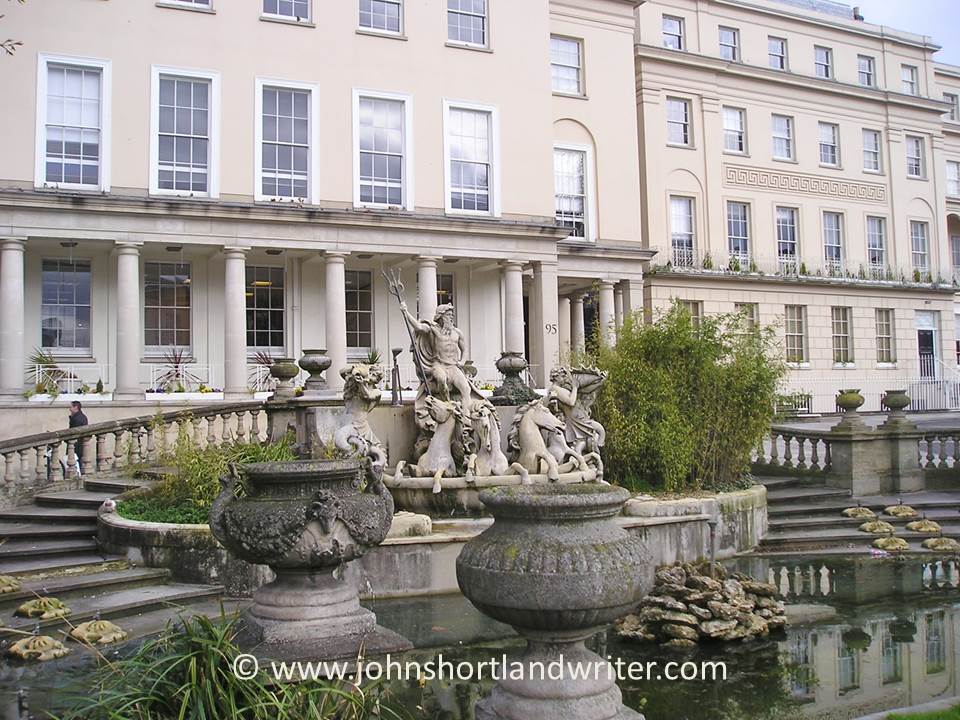
The most prestigious street in the town is Promenade, situated in its heart, in the area known as Montpelier, a mix of designer shops, offices, bistros, sculpture, flower bedding and fountains. The photographs below demonstrate the grandeur of the area – the large building is the Borough Council offices.

Montpelier came into existence in 1808 when a new well was discovered there. A hundred years before, salt springs were discovered and, after George III visited in 1788 to ‘take the waters’, the town became even more popular. Montpelier’s well ensured the success of the area and Promenade was laid out as a wide, tree lined walk in 1818.
.
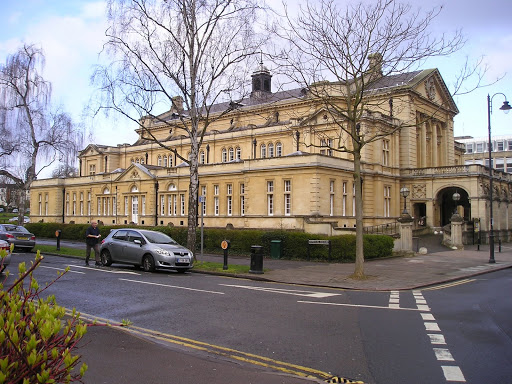
Today, Cheltenham still thrives, busy and loved by both local residents and tourists alike. The Town Hall, below, is the centre for many exhibitons and concerts and each year the town plays host to both literary and music festivals attracting a world wide audience.

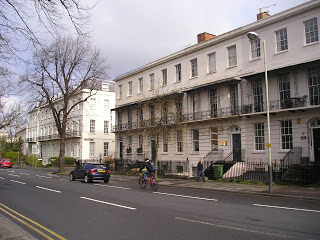
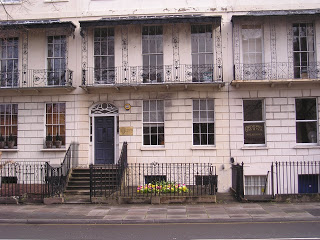
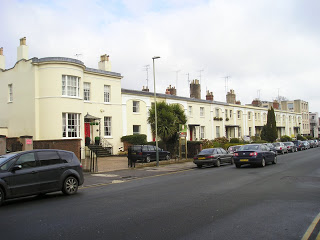
It is not just the grand buildings and streets that contain architectural gems. The photographs below demonstrate the houses and apartments that can be found down many of the side streets. These photographs are of original buildings; many new buildings are also built in the style and blend in so well that, in many cases, they have to be sought out. Not many new buildings can afford the elaborate iron work railings as in these genuine, Regency flats. Ironwork is another major architectural feature of the town.

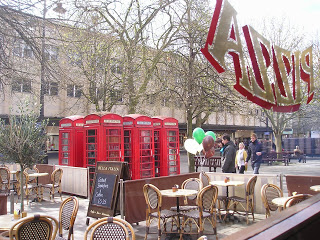
Cheltenham is a place that really has to be explored on foot to discover all of its secrets and eccentricities. Sitting in a street cafe on Promenade I realised I was looking out onto a cluster of red telephone boxes – a very traditional, English sight, rather akin to red double decker buses. These boxes are almost a thing of the past now, having been replaced by modern kiosks that look the same whichever city in the world you might be in.
.
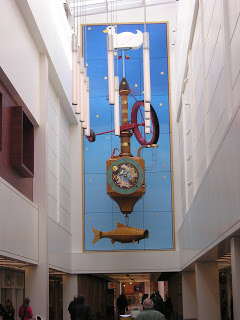
The Wishing Fish Clock is totally eccentric! The tallest mechanical clock in existence, on the hour the fish blows bubbles while the clock plays the tune ‘I’m Forever Blowing Bubbles’!
.
The Cotswold Hills rise steeply from the edge of Cheltenham and driving back to the secret valley through unknown country lanes, I came across another eccentricty. This stream that runs through the tiny village of Compton Abdale has had a witty crocodile waterspout added to it. There was no sign to explain the reasoning behind it: another case of British humour, I imagine!
Add to Technorati Favorites