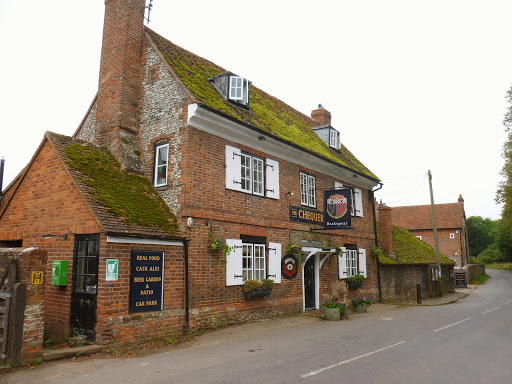
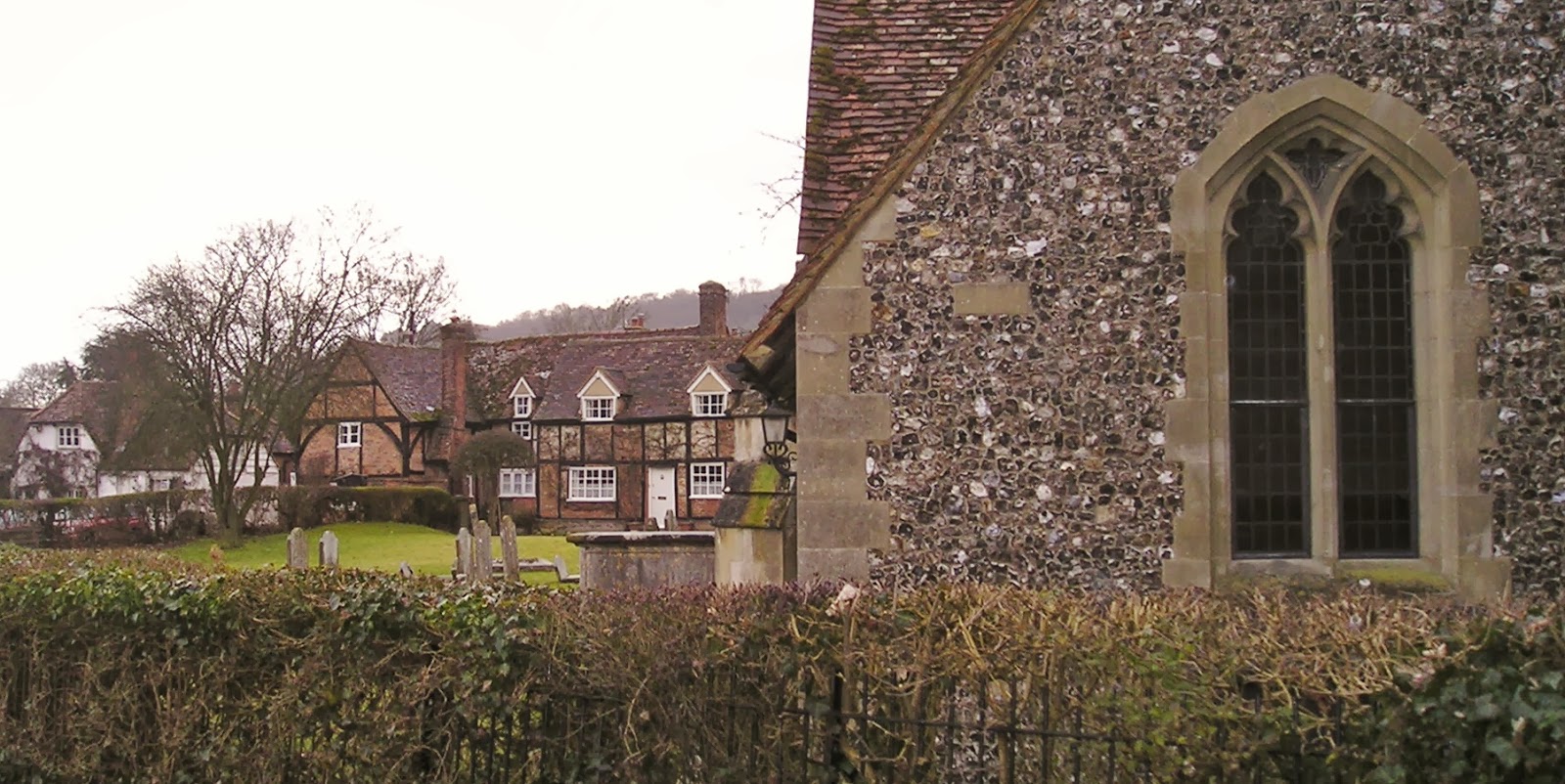
Slaughter may not sound the most promising of names but Lower Slaughter situated in the heart of the Cotswold Hills is one of the prettiest and most unspoilt villages you can visit. Its unusual name is a derivation of the Old English word ‘slough’ meaning muddy patch but, if it was many years ago, it is certainly not one now. In fact, three years ago it was described in a poll as having ‘the most romantic street in Britain’.

Although there is some more recent housing discreetly tucked away most of the buildings date from the mid sixteenth to mid-seventeenth centuries. Its origins are even older for it was well established even before being recorded in the Domesday Book; this means that it has been continuously inhabited for over a thousand years.
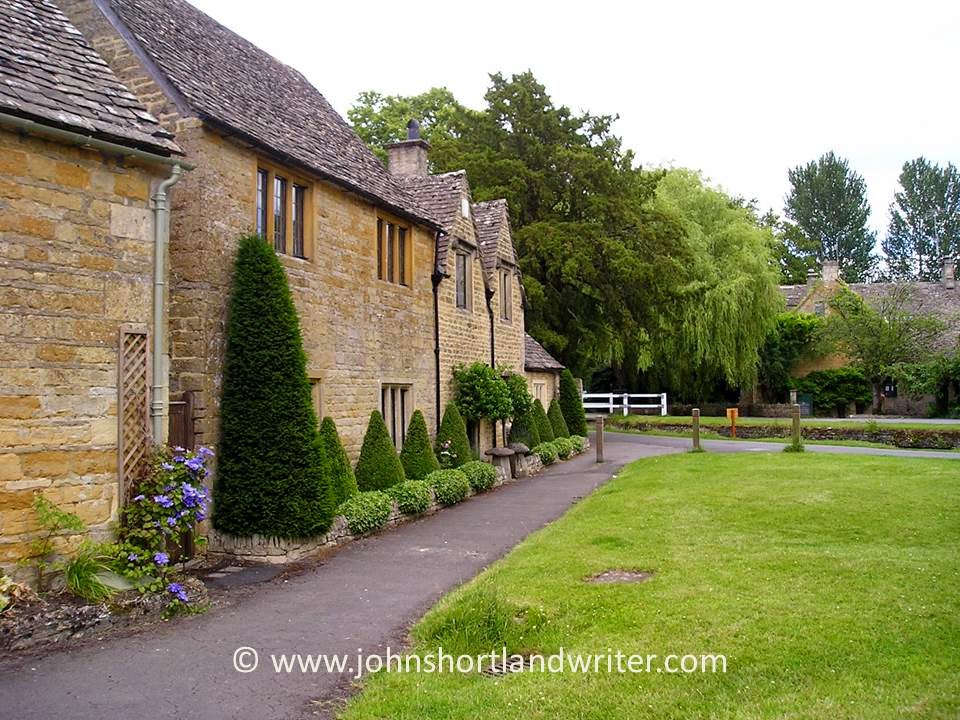
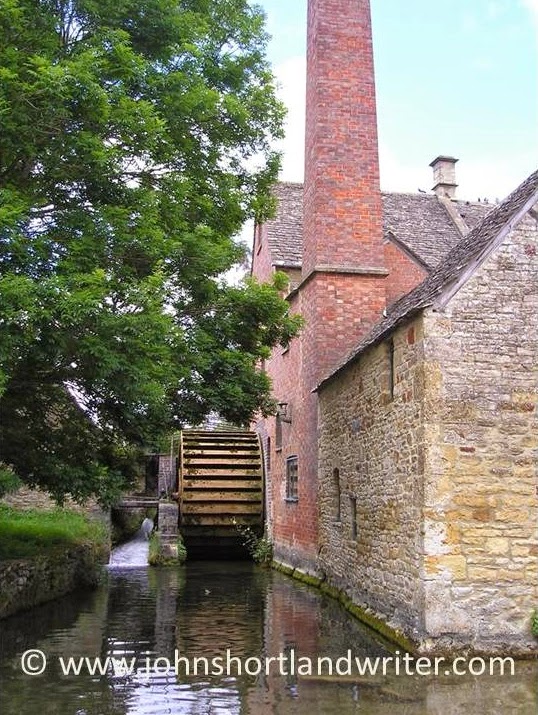


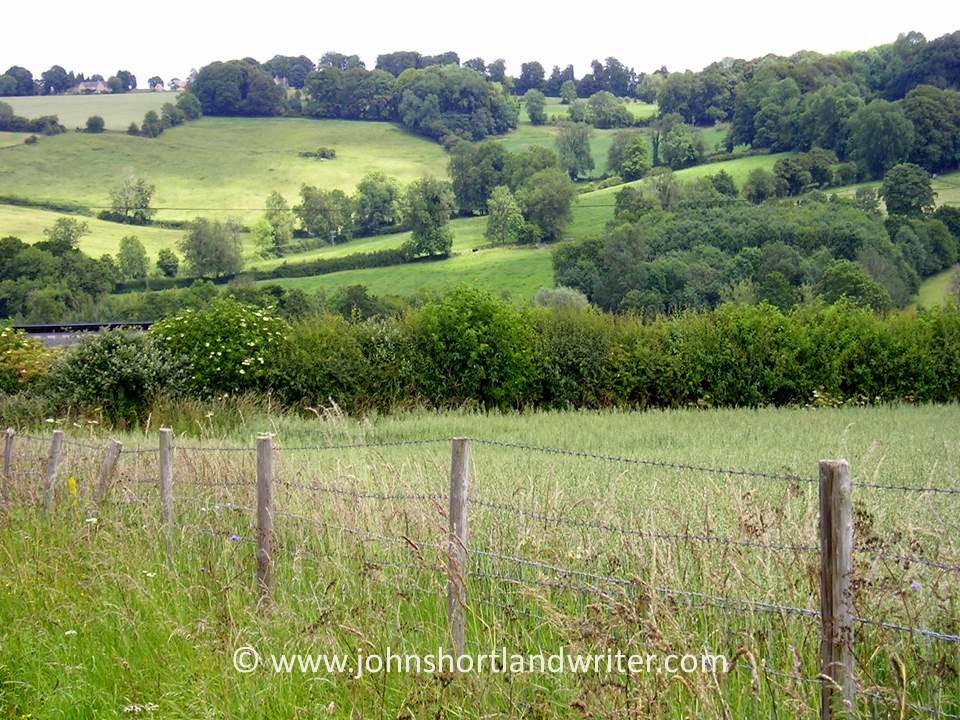
The countryside surrounding Lower Slaughter, and also the village itself, may not appear to have changed much in centuries but there is no doubt that they are very much ‘tidier’ than they once were. An old Pathe News clip shows the banks of the Eye overgrown – there probably wasn’t the same enthusiasm for cutting its grassy banks when it has to be done by scythe. Another change the film shows is the ‘locals’ sitting on the benches: nowadays, many of the houses are owned by the wealthy as weekend retreats and those exploring its lanes are visitors.




 The layout of this garden near the village of Oddington is beautifully illustrated from the air – I wonder if the owners were ever so fortunate to see it from above?
 The walled, organic gardens at Daylesford, too, are shown to be quite an unusual shape: the intricate design of the parterre giving way to a less formal area uses this to its advantage – a study in good design.
 Saxon ridge and furrow field systems are also shown in sharp relief. There are a lot of these around the Cotswolds and they can originate from as far back as a thousand years although many were worked up until a couple of hundred years ago. Now preserved and retained as pasture, often the drier, warmer ridges have quite different wild flowers growing compared with the damper furrows.
 We ‘touched down’ in a field not far from the small town of Stow-on-the-Wold, shown in the photo below. Stow is famed for its twice annual Gypsy Horse Fair where travellers gather from all over the UK to buy and sell ponies and catch up with news. It is also well known for its exposed climate as in the local saying “Stow-on-the-Wold where the wind blows cold”.
 The balloon’s shadow chasing us is a favourite photo as also is this one of the burners in full flame!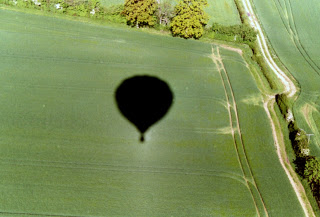

 Life in the English Cotswolds