
…..or should it be There’s no Blossom like Sloe Blossom?
This winter was long and cold and, by the standards of southern England, very snowy. Spring has not been much better with little in the way of warmth for, even on sunny days, there has been a chill wind blowing from the north or east. Frosts have been commonplace and are still occurring – our last one, a hard one, was only a couple of days ago: in recent years we have had our last frosts in early April. This was the view of the entrance to the secret valley not so very long ago.
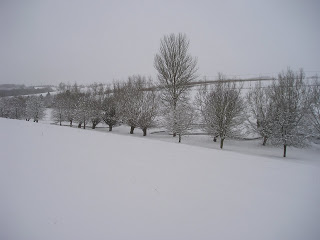
Now, just a few weeks later – and despite the efforts of our friend Jack (Frost) – the secret valley has been transformed by the best blossom for many years. Whether any fruit will set is another matter altogether.
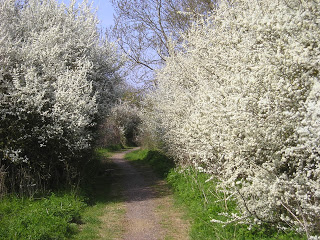
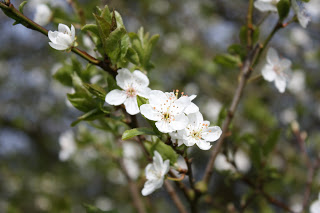
One of the first trees to bloom is the Sloe, Prunus spinosa. The second half of its Latin name gives a hint of its nasty thorns, as does its other common name, Blackthorn. These thorns break off as you touch the plant, entering the skin and festering readily. The old country folk talk of “Blackthorn Winters” as, when it blooms, the weather always turns very cold once again. This year the tree has been caught out: it is flowering five weeks later than normal and the weather has been cold all the time with no warmer spells to fool us into thinking summer has come.
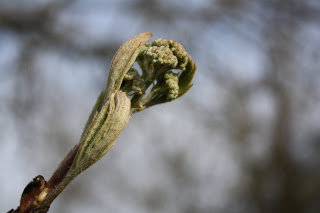
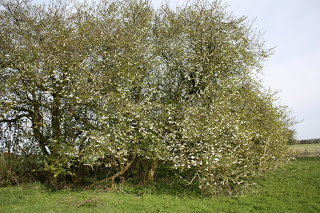
The Sloe is one of those remarkable species which flowers on bare wood in such profusion it gives the plant the appearance of being snow covered (photos above and below).
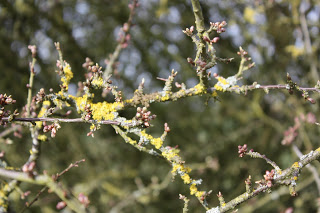

However, country people hold it in affection not for its early blossom or for making impenetrable, stockproof hedges. They even have a reason to forgive it for all the painful splinters it inflicts upon them, year in, year out. And that reason is alcohol. For despite being incredibly bitter when picked, its blue-black fruits, the size of a marble and equally hard, give rise to that most delicious and sweetest of drinks, Sloe Gin. Traditionally, the drink of hip flasks to be passed around amongst friends on a frosty shooting or hunting day, it is a good drink at all times – which is why I have none left to show you here. I have had to make do with a picture ‘lifted’ from one of the commercial makers of Sloe Gin, for it really is a business venture for some .
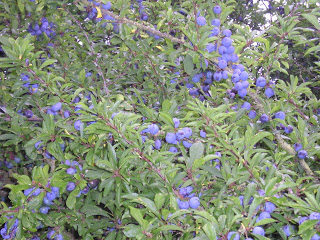
Nothing beats home brewed and our recipe, made each year, is below. The Sloes are picked after the first frosts, which softens them and brings out their flavour, although a couple of days in the freezer works just as well. And if Sloes aren’t available where you are, don’t despair: damsons or plums would be just as potent. Cheers!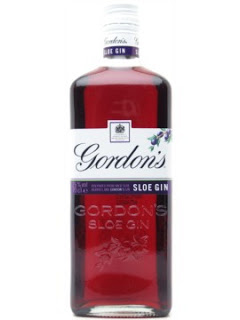
Recipe:
* Frosted or frozen, then thawed, sloes – weight not too important, probably about a pound.
* Place in a bottle/bowl and cover with gin (or vodka)
* Add a similar quantity of sugar
* Shake well every day until sugar has completely dissolved
* Top up with more gin (we add, at this stage, a quarter bottle of brandy as well – our secret weapon for making fellow imbibers ‘legless’. It also helps to give much needed courage when jumping a big hedge on Barney!
* Leave for several weeks, then strain and enjoy
PS. The fruit will now be sweet and full of alcohol – absolutely delicious eaten with vanilla ice cream.

.






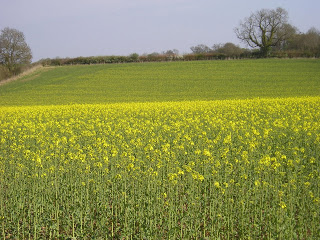


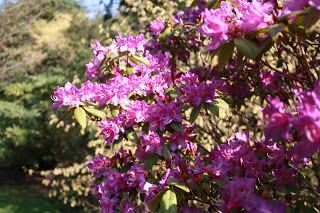
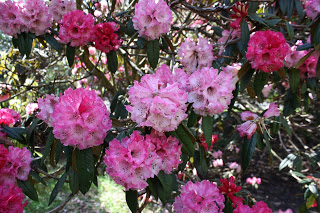 Beyond this glare of colour and at the highest point of the garden is the pinetum, where sunlight is filtered through the dark, pendulous branches of this conifer, whose name I have already forgotten.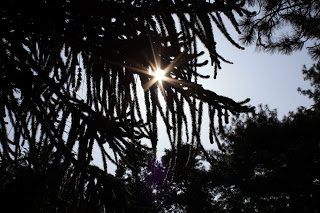
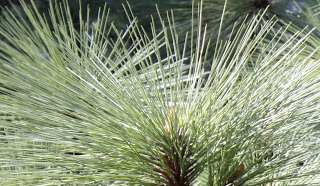
 But perhaps the most outstanding tree at Glasnevin is the Montezuma Pine. Originating from Mexico (hence it’s name), it stands at the very brow of the hill, shining in the sunshine like a beacon. Seen close to, the irridescent, radiating needles give the branches the appearance of chimney sweeps brushes.


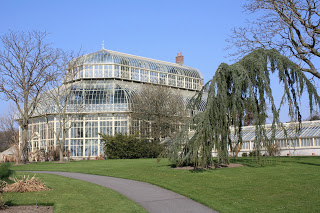
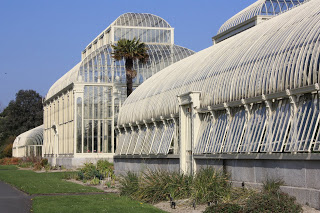
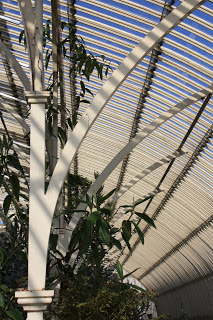

 insect catching sundews
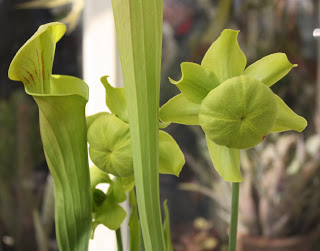 an insectivorous pitcher plant








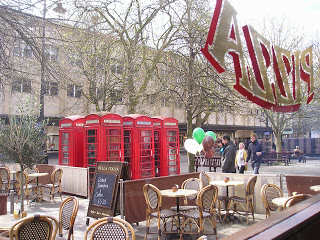 The Wishing Fish Clock is totally eccentric! The tallest mechanical clock in existence, on the hour the fish blows bubbles while the clock plays the tune ‘I’m Forever Blowing Bubbles’!





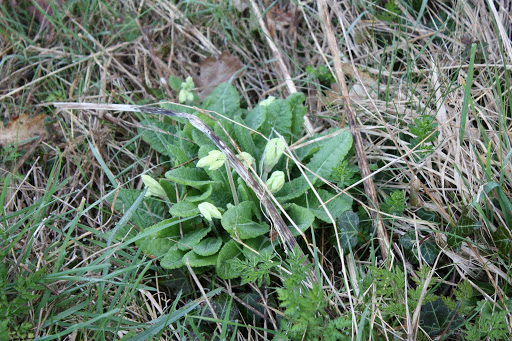


 The pretty, native Wood Anemone, Anemone nemerosa, blooms in profusion in favoured places – usually in sheltered woodland. Sometimes they are found on banks, perhaps showing where ancient woodland once stood, for Anemone nemerosa is one of the ‘indicator’ plants. Ancient woodland is classified in England as woodland growing prior to 1600 and although a number still stand many were cleared centuries ago.
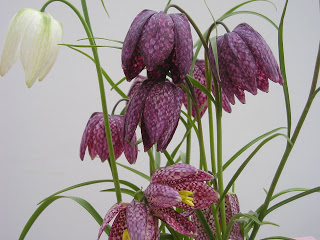
 The Snake’s Head Fritillary, Fritillaria meleagris, is an extremely rare plant in the wild although there are water meadows around Oxford and the Cotswolds where they carpet the ground – a spectacular sight. Fortunately, they grow quite easily in our gardens and the corms are readily available from reputable bulb merchants, who only source them from grown stock. Sadly, there are still occasions when bulbs and corms are marketed from illegally collected wild stock.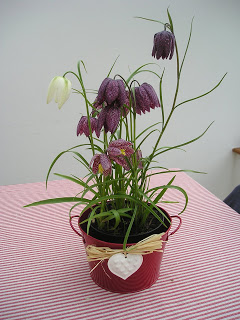
 It is not only flowers at Easter that should be thriving. The wild birds are singing and building their nests and sheltered beneath a large clump of Oat Grass, the wild Mallard duck, lay their eggs each year in our garden. As soon as they hatch, their mother leads them to the safety of the river below the house.





 Life in the English Cotswolds