Remembering Faithful Friends

As any dog owner will tell you there is something very special when you develop a close relationship with an animal.  They provide comfort and company, they are forgiving and unquestioningly loyal and, if you’re that way inclined, they keep your feet warm at night. But it isn’t just dogs that we become devoted to, for cat owners will tell you the same, as do the owners of other types of pet.  People that keep horses rarely, it seems, talk of any other subject (we’ve been a bit guilty of that in the past!) but, and however unlikely this seems to some of us, people form close relationships with cows, tortoises and pretty well any other creature, furry or not.
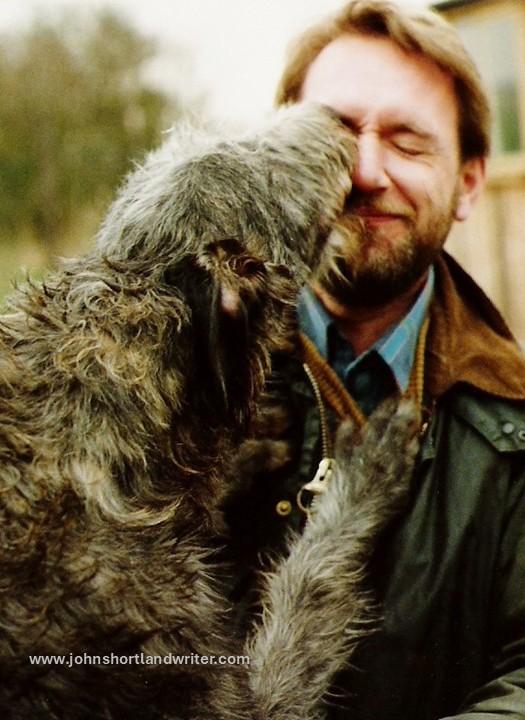
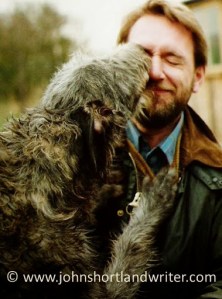
Thopas, one of several Scottish Deerhounds – and a much younger version of me!

Recently we have lost our much-loved lurcher, Twist, after a short illness.  She was the last of a long line of lurchers and deerhounds that I have owned (or more accurately, have owned me) since being given my first well over fifty years ago.  Taurus, named after my birth sign for he was a 21st birthday gift, was a deerhound x sheepdog and so had brains as well as speed.  Occasionally he would be used to work sheep on a friend’s Exmoor farm and he would cover the rough terrain so quickly that he had to learn to realise that sheep couldn’t run as fast as he would like them to.  When he died back in the early 80s I, as I did with all the subsequent dogs, buried him carefully in our garden.  Although many people would find doing that quite hard, I found that it was comforting knowing that this was the last thing I could do for them, a sort of parting gift.  However, this blog isn’t going to be allowed to dip into sadness for it is a celebration of their and other people’s pets lives, and more especially so about the small, private pet cemeteries that people have created over centuries.
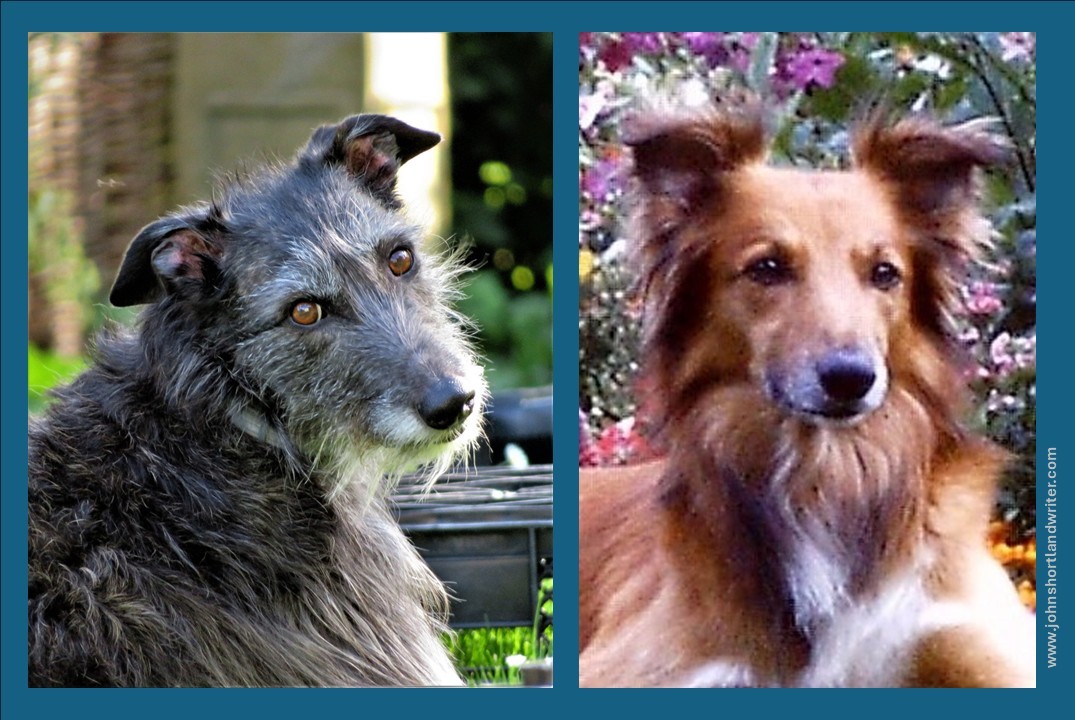
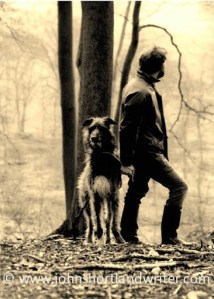
Twist,my last lurcher, left & Taurus, my first, right

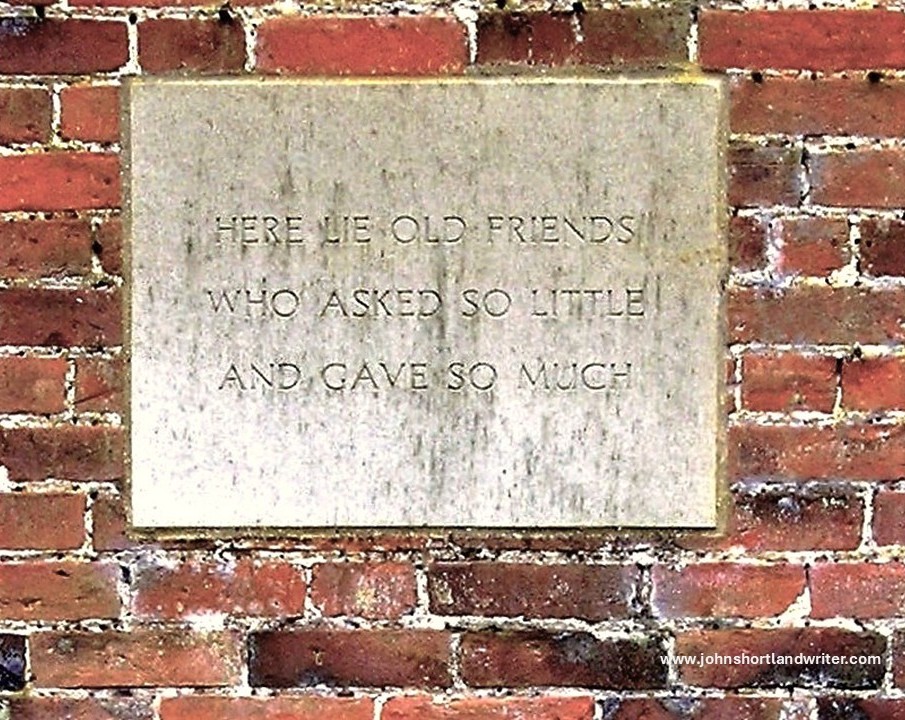
I first came across a pet cemetery in a shaded corner of a garden of a large country house where I was Head Gardener.  I’d not really thought about such a thing before but here were rows of stone markers most with names and dates dating back decades.  Enquiry found that they were, without exception, black or golden labradors, working gundogs as well as much-loved family members.  It was a quiet place, not much visited and easily unnoticed other than by those that remembered them.  The second cemetery was when I worked for another large country estate but this time, the pets, mostly dogs were of all sorts of breeds – spaniels, labradors and mongrels.  This time, however, it was a prominent feature for the owners wanted to be readily visible.  The plaque on the wall above the individual names had, I thought a rather lovely sentiment.
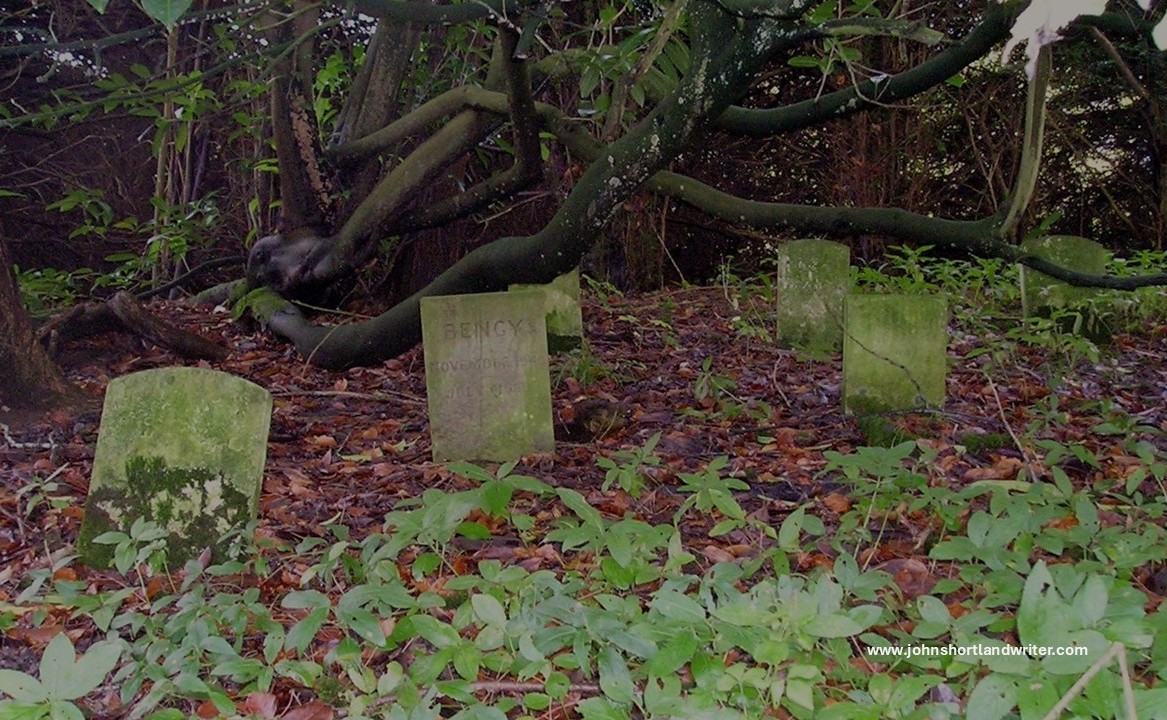
Half-hidden by shade but not forgotten – the first pet cemetery I cam across
“Here lie old friends who asked so little and gave so much”

Pet cemeteries were always small, private affairs for only the wealthiest could afford to honour their pets in this way.  With the rising of a more affluent middle class and a growing sentimentality towards animals in general, the Victorians wished to do the same for their pets as they would do for any other family member.  The first cemetery came about more by chance when a dog named Cherry was buried in the garden of the lodge adjacent to Hyde Park in London.  Word spread, more were accepted and by the time the garden closed in 1903 there were well over a thousand pets buried there.  Although now closed to the public, it is still possible to visit the cemetery on occasion.
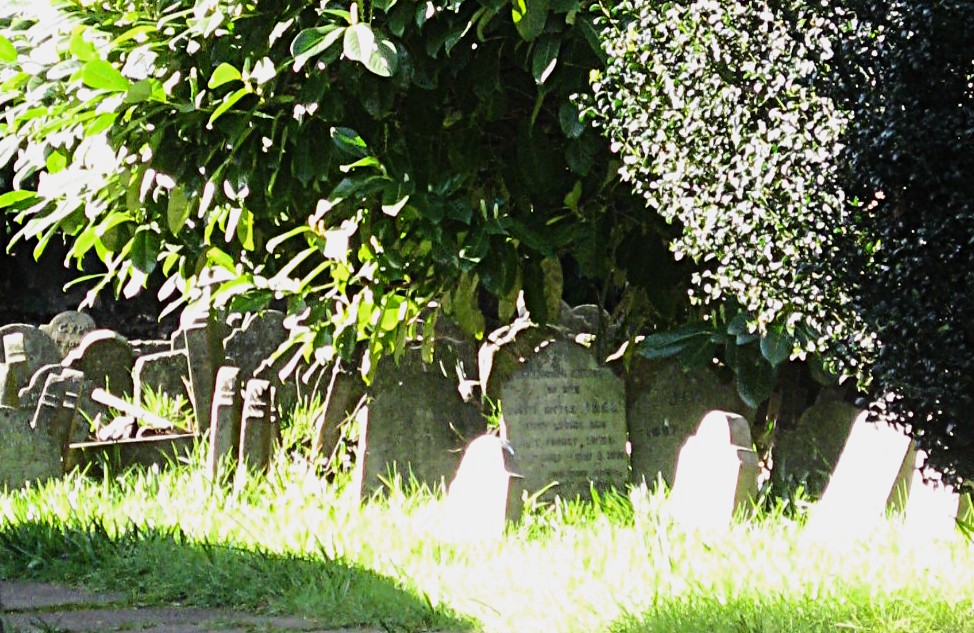
The pet cemetery at Hyde Park (photo credit: J Rennocks, CC by 4:0, Wikipedia)

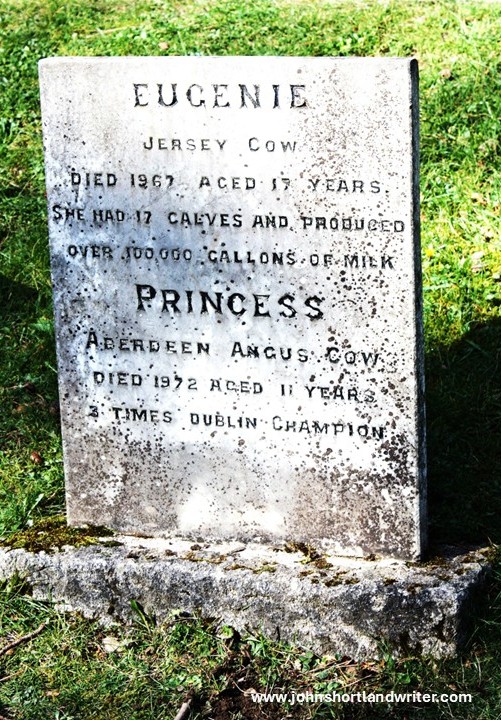
Perhaps the most memorable pet cemetery I have visited is the one found at Powerscourt in southern Ireland. The house and grounds are well worth visiting in their own right but the pet cemetery should not be missed.  It is a grand affair with gravestones and even an obelisk dating back well over a hundred years.  The most recent burials date from the 1960s.  Yet it isn’t the obelisk that makes Powerscourt memorable, it is for the shared grave of Eugenie and Princess – perhaps the most loved and honoured cows of all time.
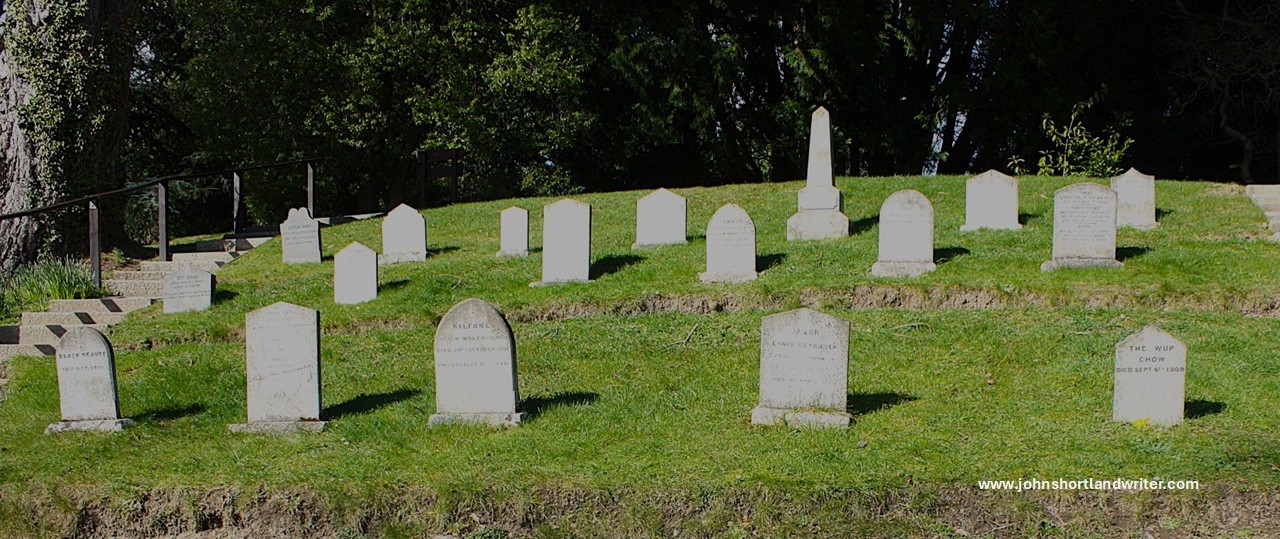
The pet cemetery at Powerscourt, Ireland
The memorial to two much-loved cows at Powerscourt, Ireland

I’m afraid my dogs graves are no such grand affairs for they lie unmarked but no less remembered for that.  Likewise, the graves I found recently when returning to childhood haunts.  Walking along the woodland edge where I once played and made summer camps, I came across more much-loved labradors (they seem to feature prominently in pet graves), obviously quite recent additions.  It is good to know that the simple tradition of burying our pets in the places where they once roamed continues into the present day.
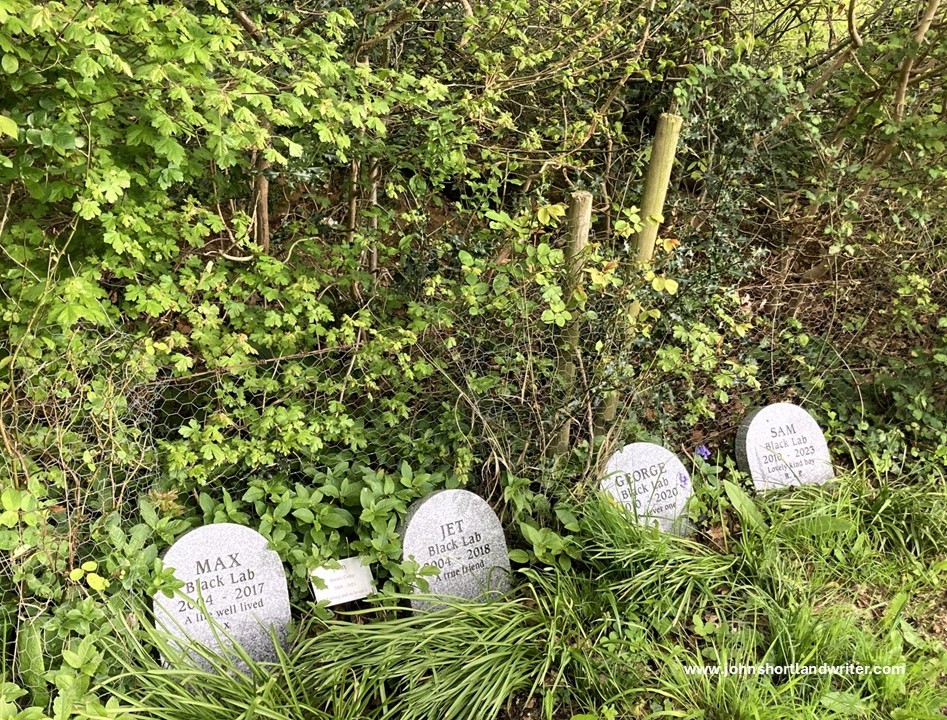
Simple markers for faithful friends on the edge of woodland by my childhood home
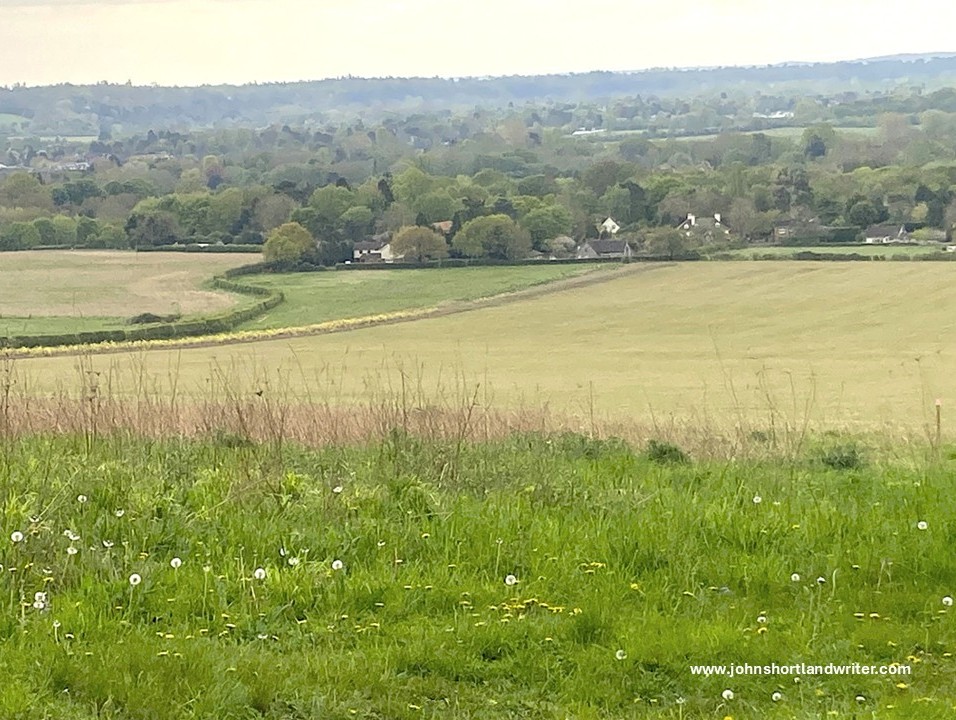
What a view those labradors have! I roamed these fields and woodlands with Taurus, my first lurcher

The Dog with the Poorly Paw

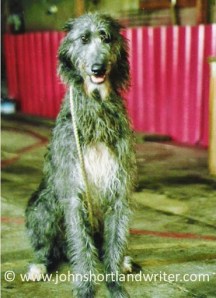
Deerhounds are the gentle giants of the canine world: despite their size and, to some people, fierce looks (never fathomed that one out!) they are docile, kind and trustworthy.
Sometimes known as Scottish Deerhounds, they are one of the oldest and least changed of breeds.  Scenes depicting hunting with dogs almost identical in appearance to them can be found on ancient pottery or manuscripts and because they have never become a ‘fashionable’ breed the excesses of inbreeding for the showring has not occurred.
  Deerhounds are not for the faint-hearted!
Similar in bone structure to the greyhound, this is most obvious when the dog is wet and its wiry, long coat clings to its body.  Although not as fast on the flat, over difficult ground it can easily outrun them.  It is also slightly larger reaching 32” in big males and can weigh up to 50kgs.  There is little variation in colour, blue-grey being the most prized but in earlier times there were a variety of colours, now all lost.
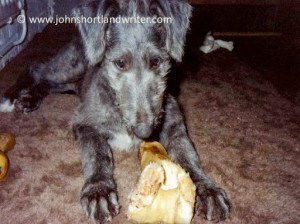
     the dog with the poorly paw
Tarff, my first deerhound and named after a Scottish loch, proved to be a near disaster.  Soon after he arrived and playing in the garden, he knocked his leg.  After a moment’s yelping it was forgotten by both him and me until his paw started to turn outwards; he had damaged the leg’s growth plate, resulting in the bones growing at different rates.  By the time of his first operation his paw faced backwards; treatment and further operations made it gradually turn again towards the front.  It never quite made it and as a result he was instantly recognisable by his 45 degree turned out foot.  Once strong and hardened it really made no difference to his mobility. 


unruly teenager

Having been told that he was unlikely to survive the operations and during that time was to have no exercise he was spoilt unmercilessly.  Proving the pessimists wrong, he became the deerhound from hell – an unruly and totally undisciplined teenager. An uncontrollable dog with the weight, power and speed of a deerhound can be lethal and a rigorous training regime had to start, carried out in short and frequent bursts.  He excelled himself and became a great companion for several years.

the ‘butter wouldn’t melt in my mouth’ look
It is always heartbreaking when a much loved pet dies, regardless of its age but sadly, as is common with the other giant breeds, deerhounds are not long lived.  Tarff died at just seven years old although others that followed lived to thirteen, a great age for a deerhound.
  just twelve weeks old, the ‘greyness’ comes later

Would I recommend a deerhound?  Probably not, despite their many good traits: they are docile, kind and trustworthy and have no agression in them.  They are also quite silent which can be an advantage – but not if you are looking for a guard dog.  However, they need frequent, although not especially lengthy, excercising and it is essential that they have free running.  Being sighthounds, they are great chasers which can be an issue, especially in suburban areas.  Mine have all proved to be great pets but I doubt if I shall have more despite having unlimited access to open countryside from the back door.   These days I am content to pet other people’s deerhounds assuming the dog allows it for this is another of their odd traits: a deerhound can be aloof at times.  It is the one that decides if cuddles are allowed, if not it will pretend you just don’t exist.


at rest

Links:

UK  The Deerhound Club

USA  Scottish Deerhound Club of America

Update:  I’ve just come across this great new resource for dog-loving visitors and residents of the Cotswolds alike  Dog Friendly Cotswolds