Remembering Faithful Friends

As any dog owner will tell you there is something very special when you develop a close relationship with an animal.  They provide comfort and company, they are forgiving and unquestioningly loyal and, if you’re that way inclined, they keep your feet warm at night. But it isn’t just dogs that we become devoted to, for cat owners will tell you the same, as do the owners of other types of pet.  People that keep horses rarely, it seems, talk of any other subject (we’ve been a bit guilty of that in the past!) but, and however unlikely this seems to some of us, people form close relationships with cows, tortoises and pretty well any other creature, furry or not.
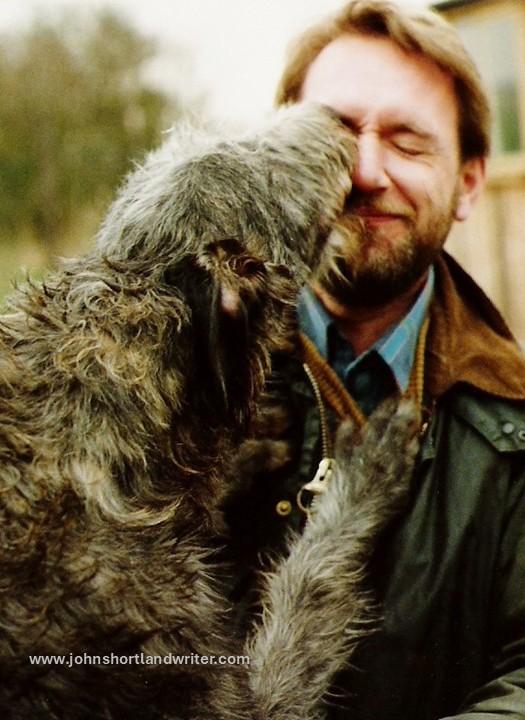
Thopas, one of several Scottish Deerhounds – and a much younger version of me!

Recently we have lost our much-loved lurcher, Twist, after a short illness.  She was the last of a long line of lurchers and deerhounds that I have owned (or more accurately, have owned me) since being given my first well over fifty years ago.  Taurus, named after my birth sign for he was a 21st birthday gift, was a deerhound x sheepdog and so had brains as well as speed.  Occasionally he would be used to work sheep on a friend’s Exmoor farm and he would cover the rough terrain so quickly that he had to learn to realise that sheep couldn’t run as fast as he would like them to.  When he died back in the early 80s I, as I did with all the subsequent dogs, buried him carefully in our garden.  Although many people would find doing that quite hard, I found that it was comforting knowing that this was the last thing I could do for them, a sort of parting gift.  However, this blog isn’t going to be allowed to dip into sadness for it is a celebration of their and other people’s pets lives, and more especially so about the small, private pet cemeteries that people have created over centuries.
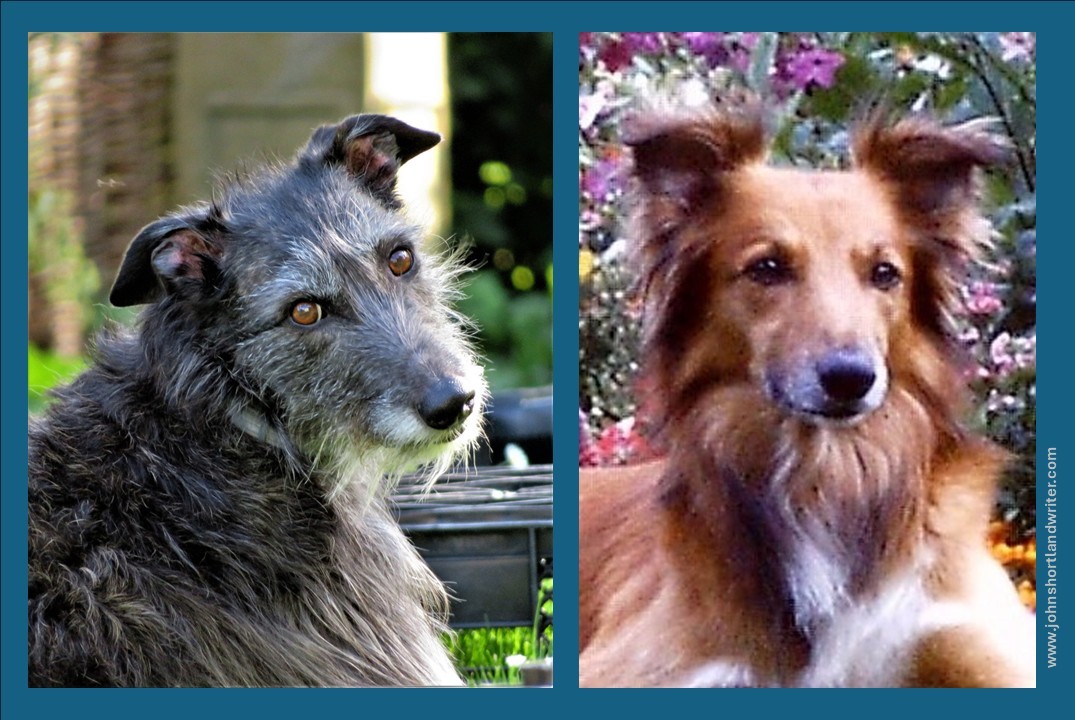
Twist,my last lurcher, left & Taurus, my first, right

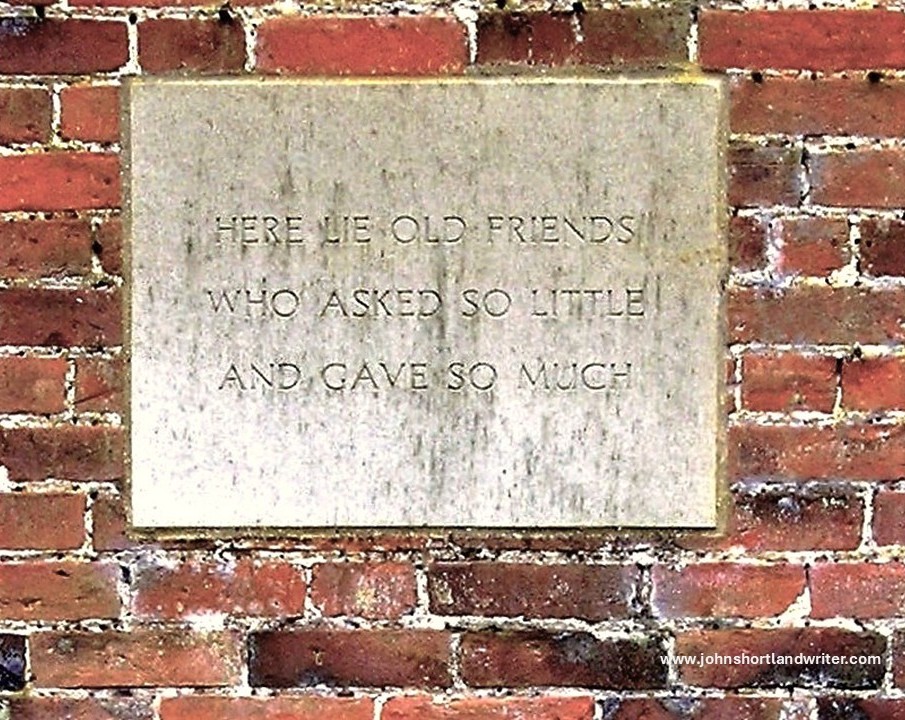
I first came across a pet cemetery in a shaded corner of a garden of a large country house where I was Head Gardener.  I’d not really thought about such a thing before but here were rows of stone markers most with names and dates dating back decades.  Enquiry found that they were, without exception, black or golden labradors, working gundogs as well as much-loved family members.  It was a quiet place, not much visited and easily unnoticed other than by those that remembered them.  The second cemetery was when I worked for another large country estate but this time, the pets, mostly dogs were of all sorts of breeds – spaniels, labradors and mongrels.  This time, however, it was a prominent feature for the owners wanted to be readily visible.  The plaque on the wall above the individual names had, I thought a rather lovely sentiment.
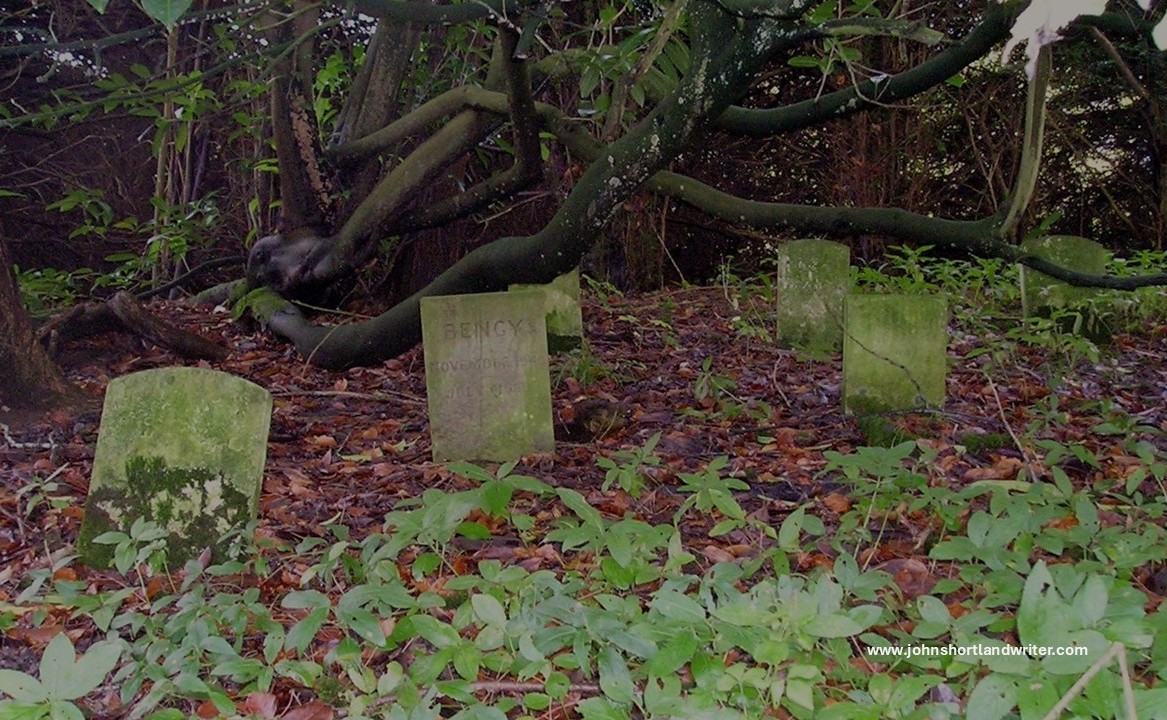
Half-hidden by shade but not forgotten – the first pet cemetery I cam across
“Here lie old friends who asked so little and gave so much”

Pet cemeteries were always small, private affairs for only the wealthiest could afford to honour their pets in this way.  With the rising of a more affluent middle class and a growing sentimentality towards animals in general, the Victorians wished to do the same for their pets as they would do for any other family member.  The first cemetery came about more by chance when a dog named Cherry was buried in the garden of the lodge adjacent to Hyde Park in London.  Word spread, more were accepted and by the time the garden closed in 1903 there were well over a thousand pets buried there.  Although now closed to the public, it is still possible to visit the cemetery on occasion.
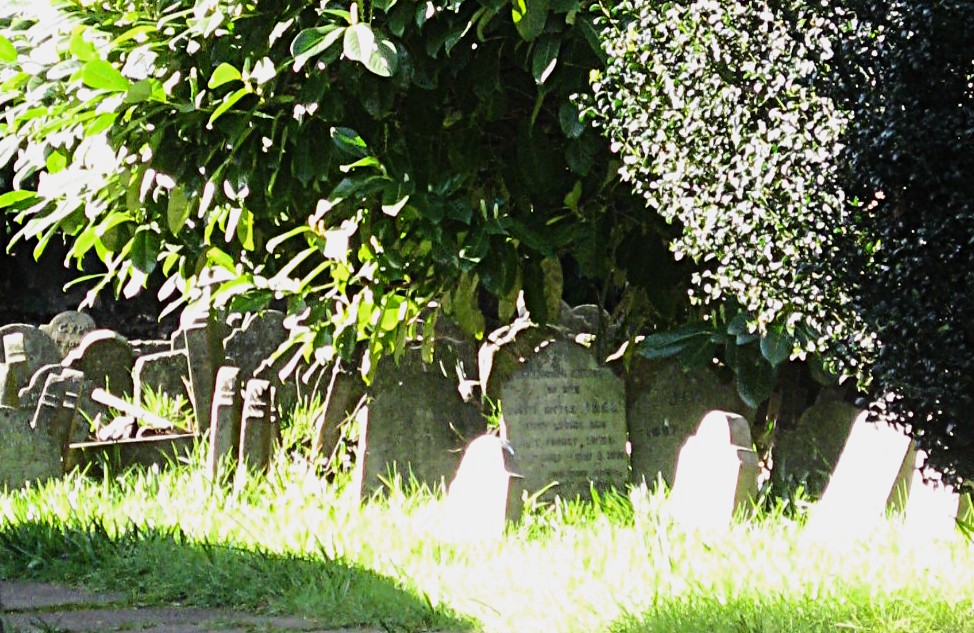
The pet cemetery at Hyde Park (photo credit: J Rennocks, CC by 4:0, Wikipedia)

Perhaps the most memorable pet cemetery I have visited is the one found at Powerscourt in southern Ireland. The house and grounds are well worth visiting in their own right but the pet cemetery should not be missed.  It is a grand affair with gravestones and even an obelisk dating back well over a hundred years.  The most recent burials date from the 1960s.  Yet it isn’t the obelisk that makes Powerscourt memorable, it is for the shared grave of Eugenie and Princess – perhaps the most loved and honoured cows of all time.
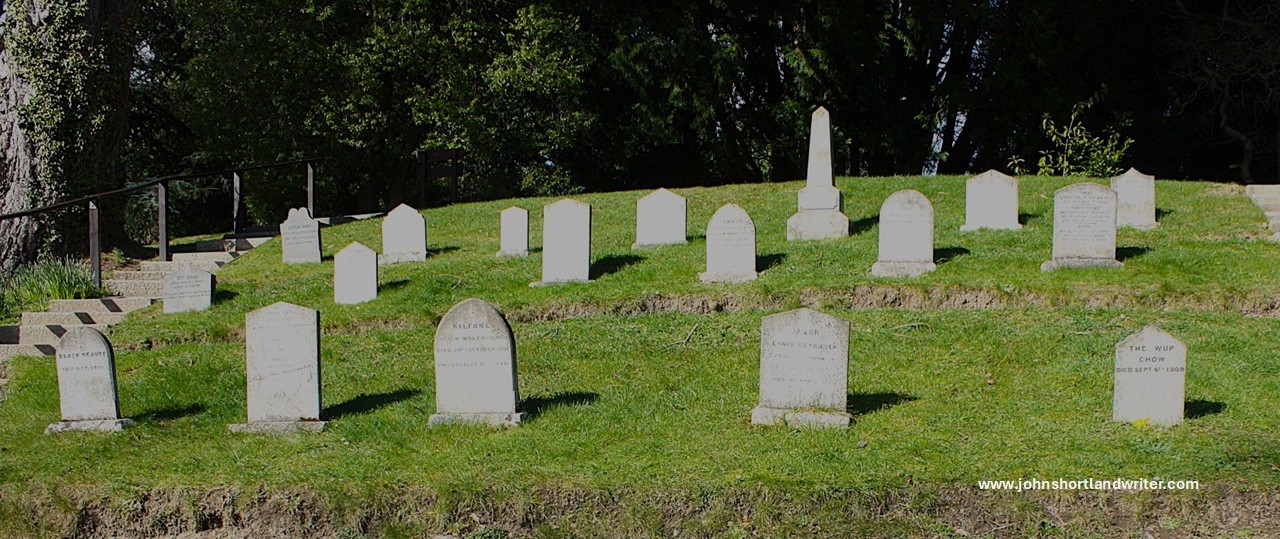
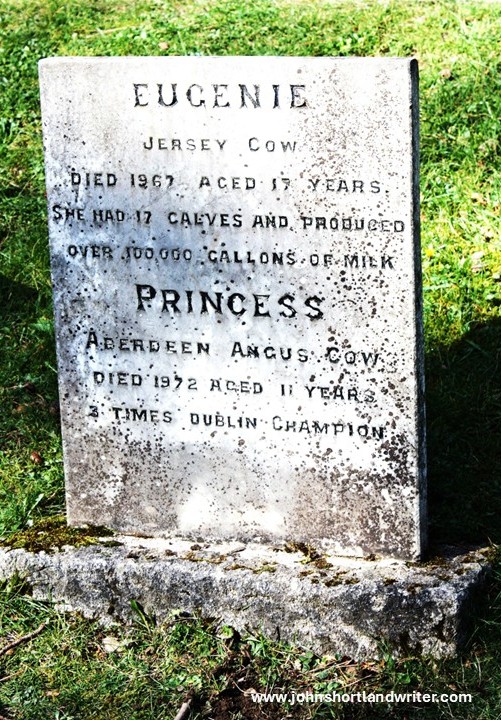
The pet cemetery at Powerscourt, Ireland
The memorial to two much-loved cows at Powerscourt, Ireland

I’m afraid my dogs graves are no such grand affairs for they lie unmarked but no less remembered for that.  Likewise, the graves I found recently when returning to childhood haunts.  Walking along the woodland edge where I once played and made summer camps, I came across more much-loved labradors (they seem to feature prominently in pet graves), obviously quite recent additions.  It is good to know that the simple tradition of burying our pets in the places where they once roamed continues into the present day.
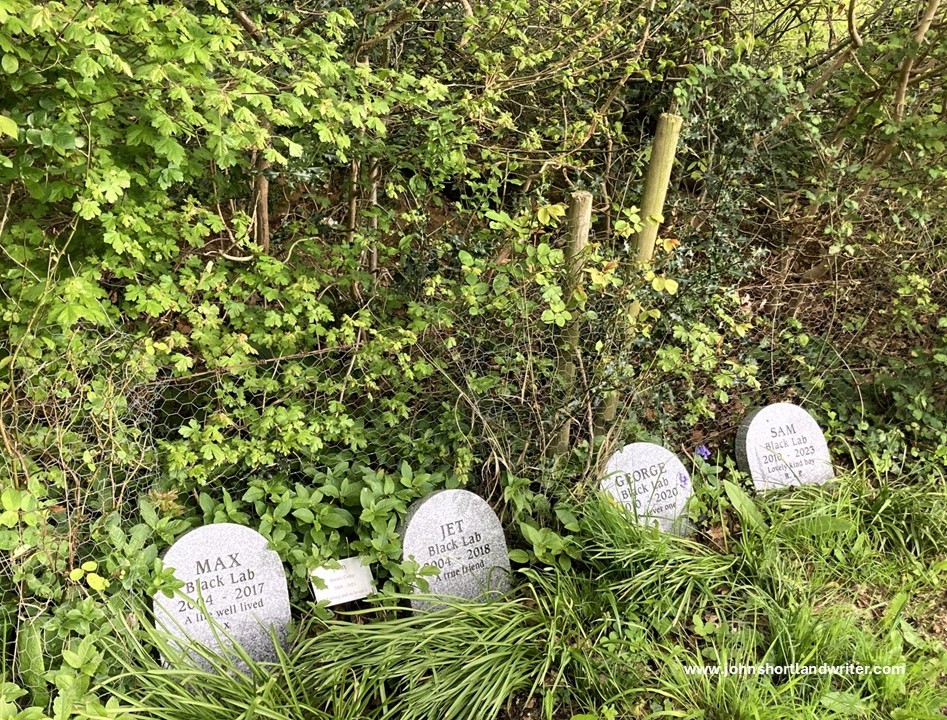
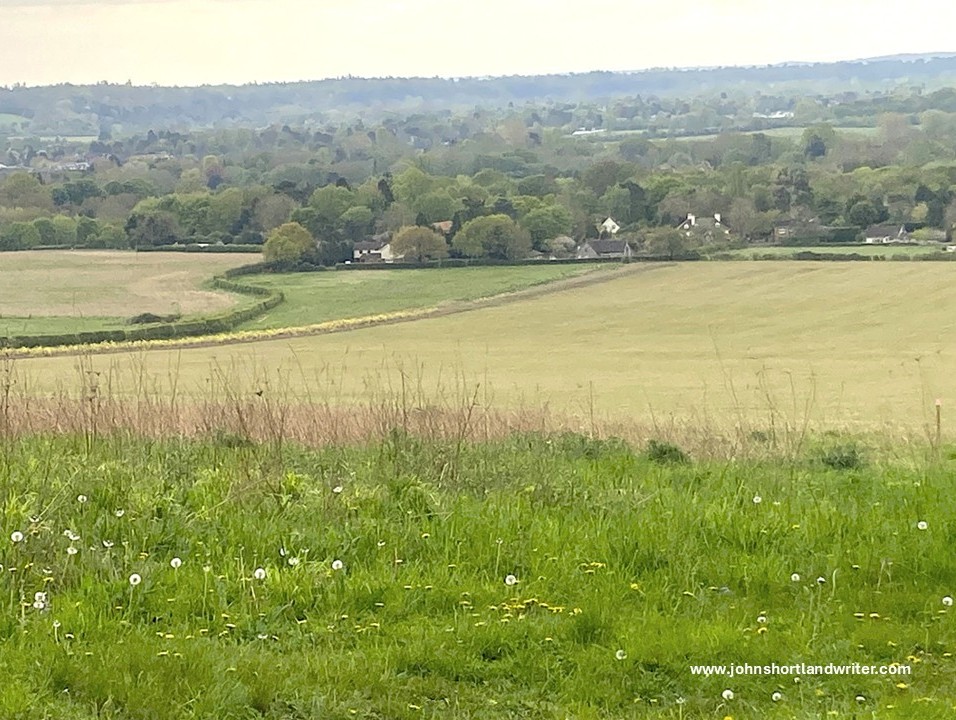
Simple markers for faithful friends on the edge of woodland by my childhood home
What a view those labradors have! I roamed these fields and woodlands with Taurus, my first lurcher

The Silent Stones of Baltinglass

One and a half hours drive southwest of Dublin and close to the Wicklow and Carlow counties of Ireland lies the small town of Baltinglass. When I visited briefly a week or so ago, the town centre seemed very empty of people which gave it a certain charm as well as the impression that you didn’t come here if in need of excitement. Google searches appear to confirm it – a website that seems to have last been updated in 2013; even the Wicklow tourism website couldn’t find much to say that would bring the hordes flocking. Although these are all reasons why I would rather like it there is also another very good reason to visit Baltinglass and that is the remains of the Cistercian abbey founded in 1148 by the King of Leinster, Dermot Mac Murrough.

Baltinglas Abbey, Co. Wicklow (16) watermark

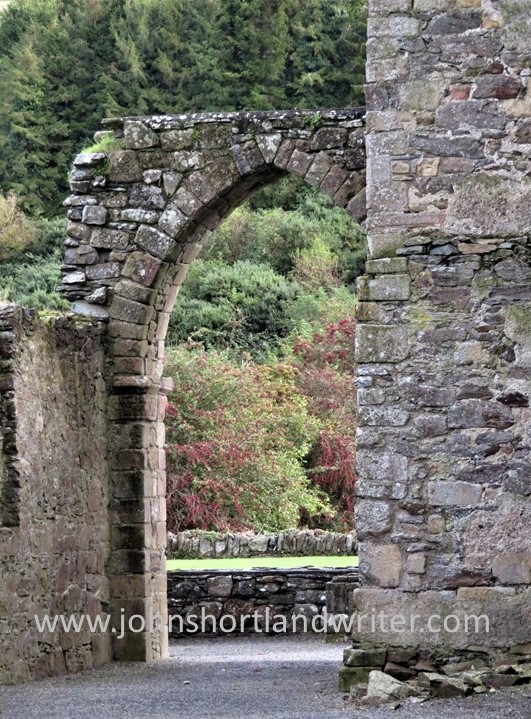
The dramatic entrance to Baltinglass Abbey

Baltinglas Abbey, Co. Wicklow (8) watermark

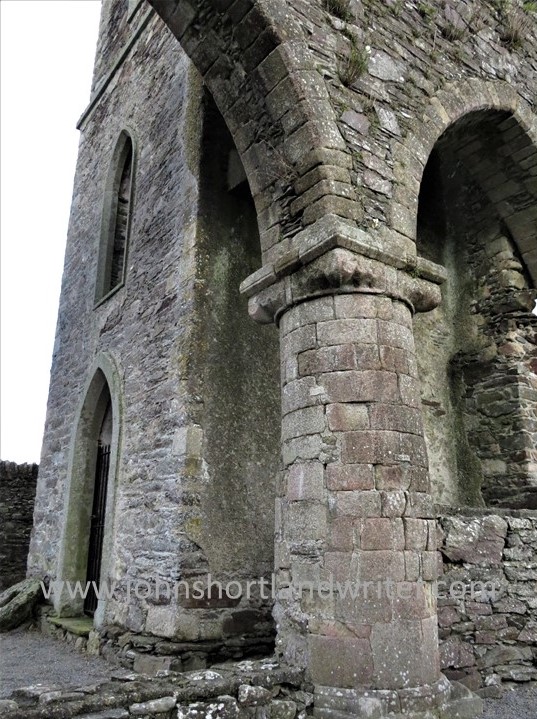
Today, the ruins consist mainly of the church although there would have been dormitories and other domestic buildings for the monks but of these there is no visible trace. The rather fine tower is of much more recent age for another church was built within the ruins in 1815, itself becoming obsolete by the 1880s.

Baltinglas Abbey, Co. Wicklow (5) watermark

The ruined tower of the 19th century church set within the much older ruins of the abbey

Many of the capitals of the stone pillars are heavily carved with decorations that are similar to the abbey ruins of Jerpoint 40 miles to the south. However, the finest of the stone carvings can be found mounted in a doorway – the tomb lid of James Grace who died 23rd February 1605, sixty-nine years after Henry VIII’s dissolution of the monastery. There are numerous other and later graves within the ruins but none as fine as the Grace memorial, for it continued to be used as a graveyard right up to recent times.

Baltinglas Abbey, Co. Wicklow (9) watermark

The intricately carved coffin lid of James Grace

Baltinglas Abbey, Co. Wicklow (10) watermark

Detail of the James Grace coffin lid

Entry to the ruins is free and compared to many other historic sites, little visited. Certainly, at the time of my visit, I was the only person exploring them. This gives the perfect opportunity to explore at length and to absorb the abbey’s silent history. Although the site is quite small, there are countless interesting features to be discovered and the equally tranquil River Slaney is just a field away, a place for yet further quiet contemplation.

Baltinglas Abbey, Co. Wicklow (4) watermark

A Thunderbolt and a Broken Cross

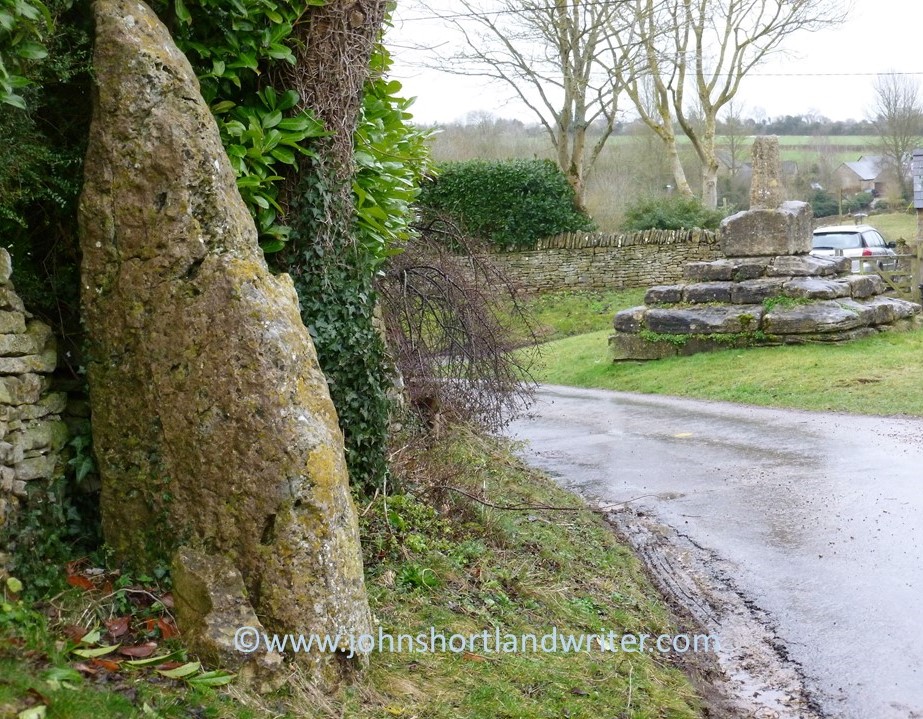
For so tiny a place, the Cotswold village of Taston, or more accurately ‘hamlet’, has more than it’s fair share of interesting features.  None can be so dramatic – in the most understated of ways – than the lump of rock hurled in rage by the Norse God, Thor and now wedged between the roadside and a wall.Taston (1) copyright

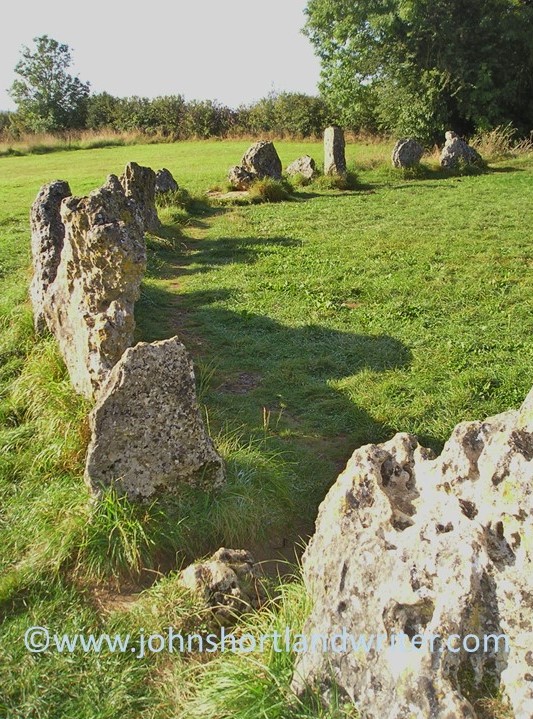
The Thorstone (from which the village’s name is derived) is one of a number of standing stones that litter this part of the Cotswolds.  They range in size from the extensive Rollright Stone Circle to the single unnamed stone that can be found in the town centre of Chipping Norton.Rollright Stones (5) copyrightChipping Norton Stone copyright

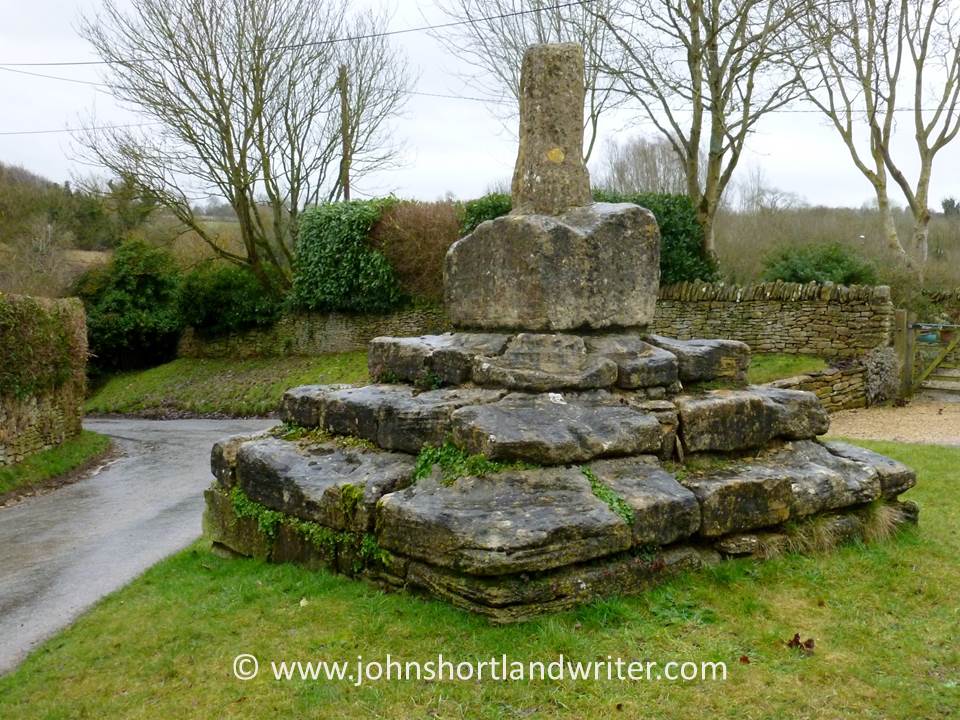
Close to the Thorstone are the remains of a medieval preaching cross.  Many were destroyed during the Puritans time of Cromwell (mid 1600s) but their base, as here, still remain.Taston - Broken Cross copyright

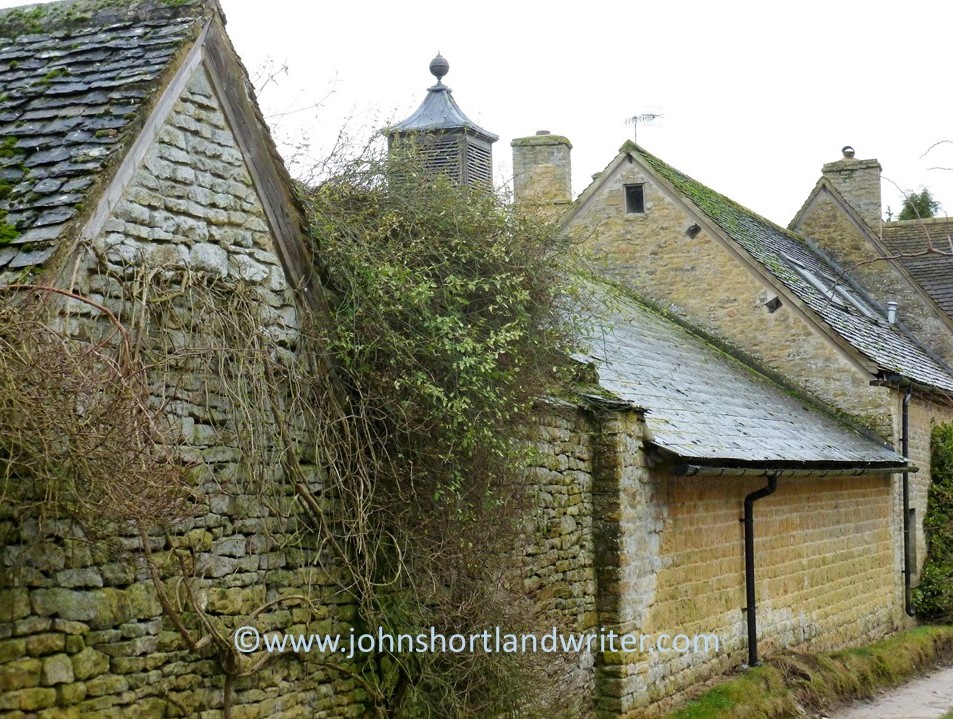
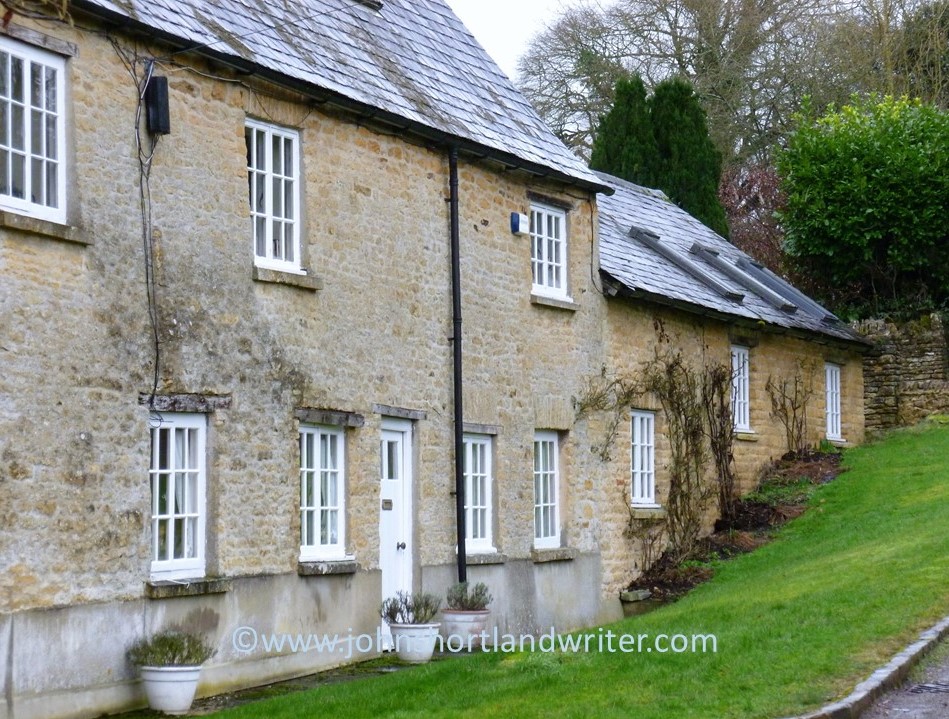
Ancient stone houses, many of them listed by English Heritage, line the three narrow streets of Taston.  Exploring on foot is the best way to see them and to absorb the villages tranquil atmosphere.  It is highly unlikely that you will meet others doing the same! Taston (2) copyrightTaston (4) copyright

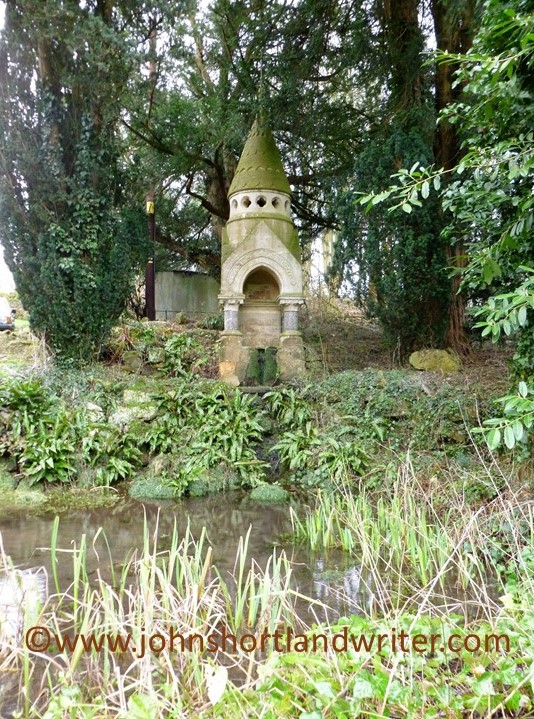
It is on foot, that you will find, tucked away beneath the trees, the memorial fountain to Henrietta, Viscountess Dillon.  Built in 1862 of limestone, granite and pink sandstone, it has the words In Memorium in a decorative arched band beneath its spire.Taston (5) copyright

Taston lies 4 miles southeast of Chipping Norton and 1.5 miles north of Charlbury.

A Celtic Church on Exmoor

Exford lays claim to the title of ‘Capital of Exmoor’ owing to its central location (one assumes) in Exmoor National Park. It certainly has more facilities than most others of similar size – a village green, a post office, two shops and a garage, although the days when it sold petrol pumped by hand have long passed.Exford - St Mary Magdalene   copyright

The church of St Mary Magdalene pre-dates the Norman Conquest of 1066 and, unlike much of England, originates from the Celtic tradition brought from Wales or possibly Ireland. Centuries ago, much of Exmoor’s trade and travel links were by sea, the Welsh coast being only a few miles across the Bristol Channel; journeys overland were fraught with difficulty and danger.

Exford - St Mary Magdalene (13)   copyright

During the twelfth century mass was said by monks from Neath Abbey, giving another Welsh connection. As a Celtic church it was dedicated to St Salvyn although at an unknown later date it was rededicated to St Mary Magdalene. The east window depicts St Salvyn with St George and St Francis.

St Salvyn depicted in the left panel of the east window

St Salvyn depicted in the left panel of the east window

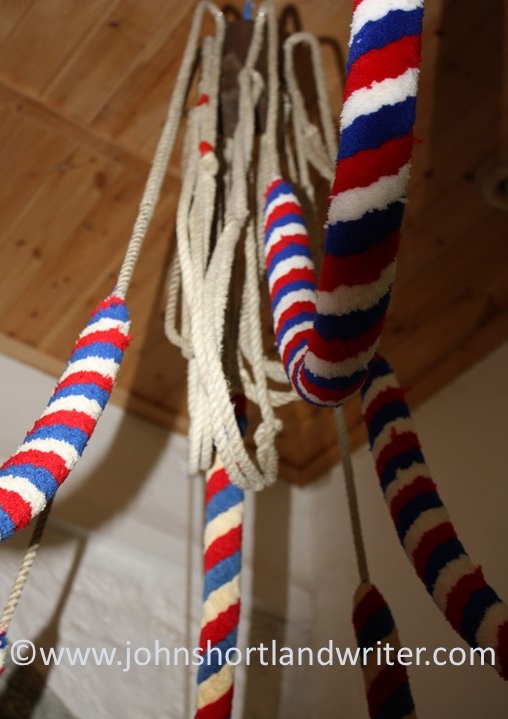
Despite its ancient origins the earliest part of the church still standing – the tower – only dates from the mid-1400s. It has a fine set of bells. The south aisle was built around 1532.

Exford - St Mary Magdalene (5)   copyright

The exquisitely carved rood screen dates from the fifteenth century and has a rather remarkable recent history. Discarded when the church of St Audries at nearby Watchet was rebuilt, it was rediscovered in the early 1900s in pieces in an old hay barn. It was beautifully restored and placed in Exford.

Exford - St Mary Magdalene (4)   copyright

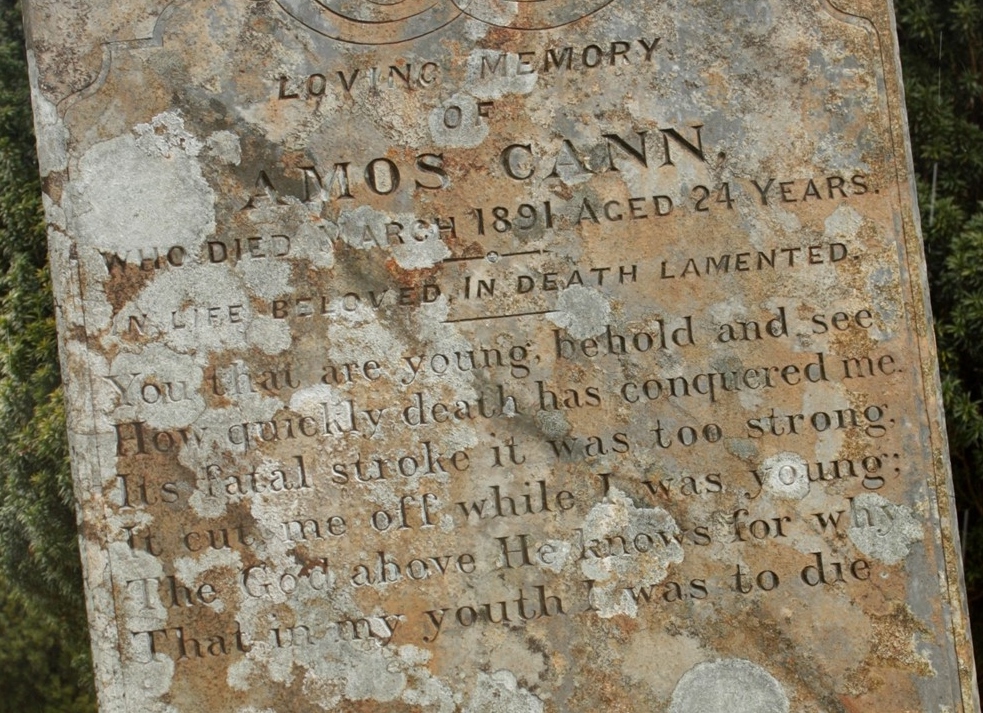
Close to the entrance gate of the churchyard stands the memorial to Amos Cann, a young man who froze to death walking home one night in the extreme winter of 1891. His body was found some three weeks later.

click on image to enlarge

click on image to enlarge