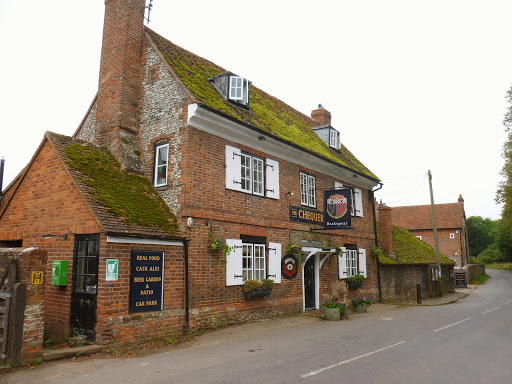
The very earliest tools known to man were made of flint or antler and in the Chiltern Hills, where I was brought up and lived for most of my life, it wasn’t that unusual to dig up stone scrapers or even an occasional arrowhead, perhaps 4000 years old or more. One scraper that I found many years ago is shaped perfectly to fit between the thumb and forefinger and still has an edge so sharp that it cuts card.
To create these tools, the flints had to be chiselled or ‘knapped’, a technique that requires hitting the stone at an oblique angle with another hard object – such as another stone – to make it flake. With the coming of the Iron Age, the need for stone tools was no longer required but the skill did not die out and even today there is a requirement for the finished material.

Flint, a type of quartz, is extremely hard and durable and, being found in quantity in the chalk hills of the Chilterns, was the natural material for housing there. All types of properties used it from the humblest cottage to larger homes and churches.
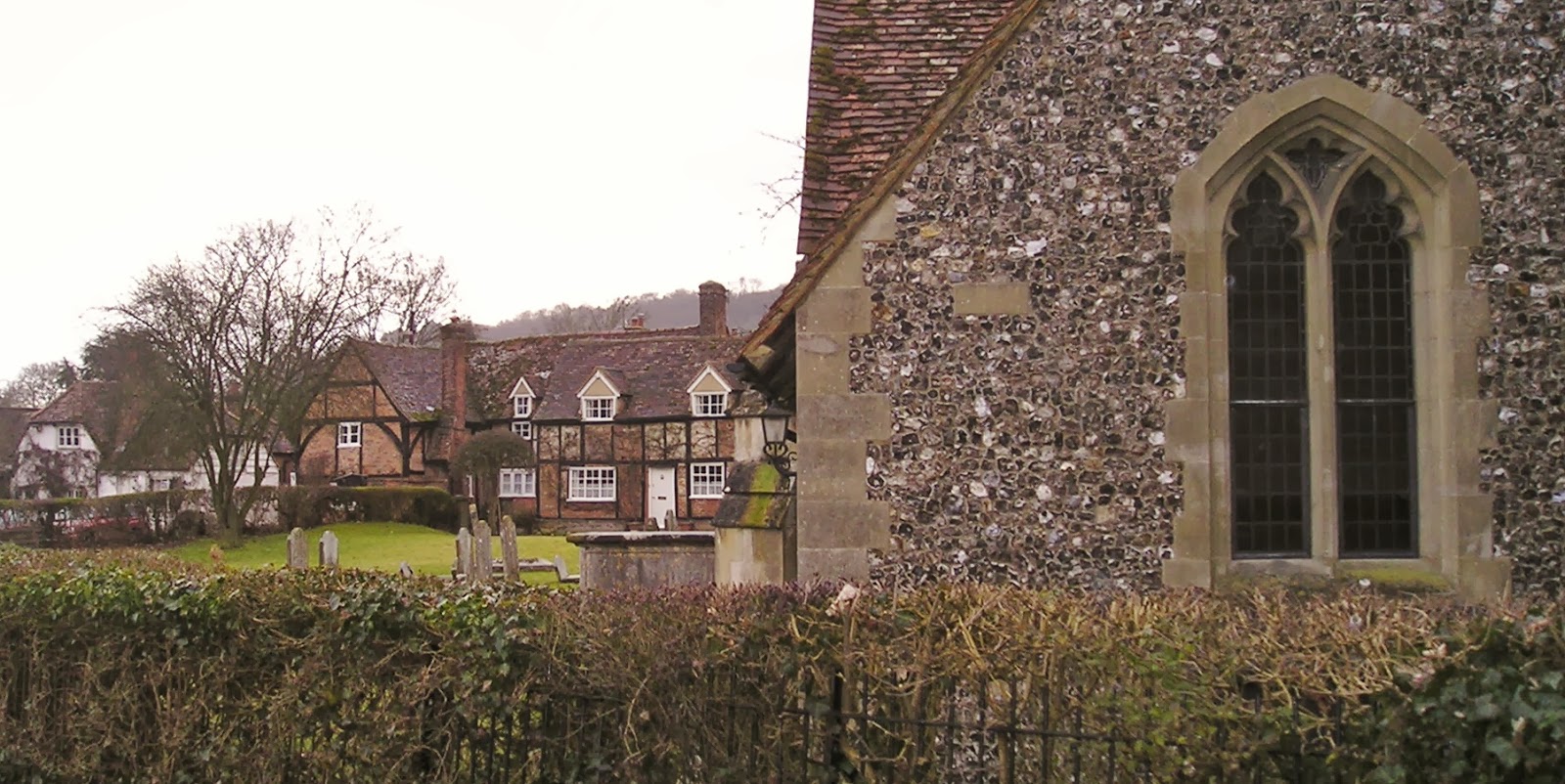
One of the finest flint built villages can be found at Turville. If the two photos below look familiar this is because they feature in the comedy television series, The Vicar of Dibley with actress Dawn French, playing the part of the Revd. Geraldine Grainger. The village also featured in the 1998 film Goodnight Mr Tom, starring John Thaw. The church dates back to the twelfth century.

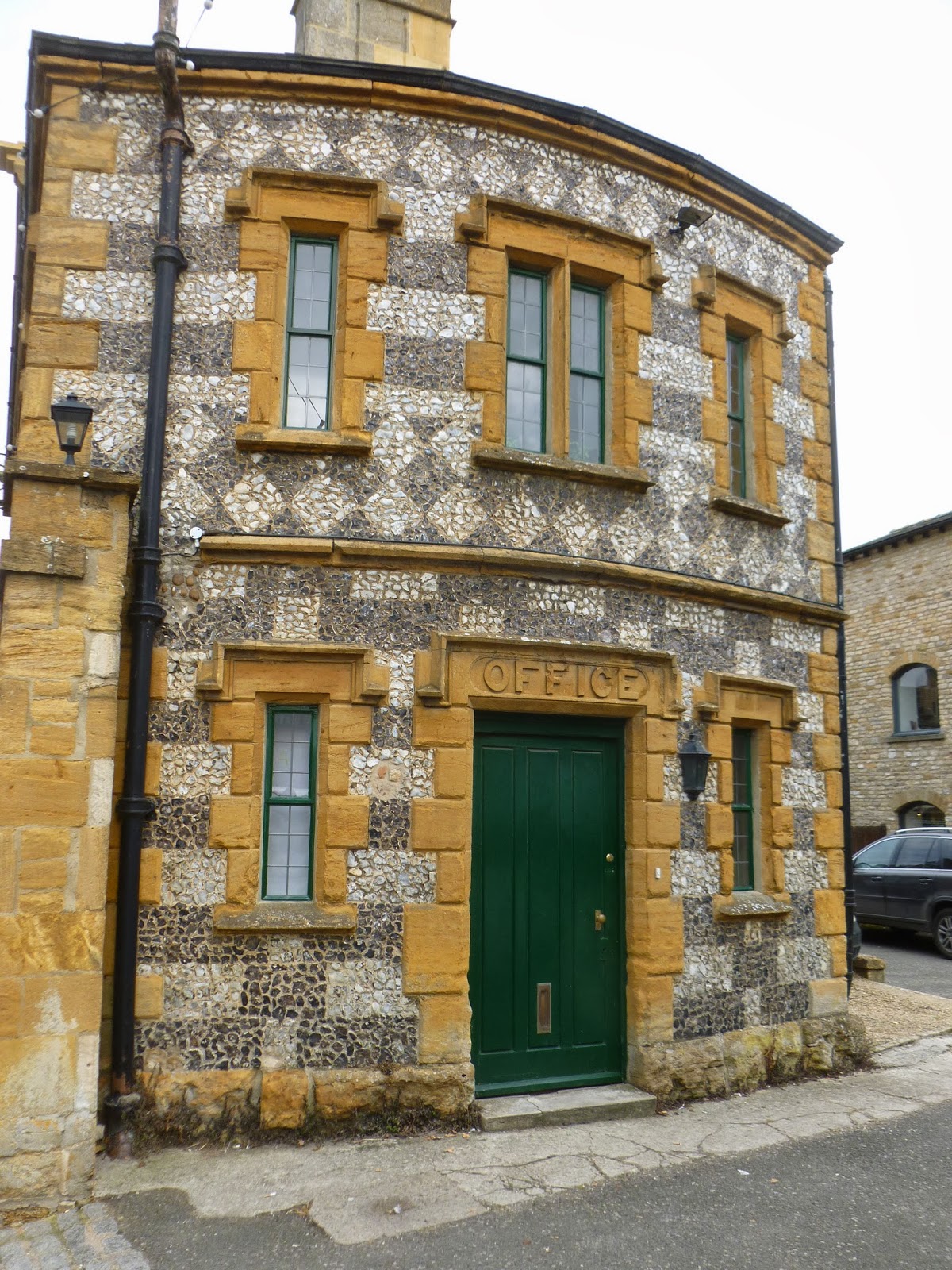
In the hills of the Cotswolds, the honey coloured limestone is the premier building material for almost everything but is especially well-known for its use in the dry stone field walls and village houses. At Stow-on-the-Wold in the centre of the region is the building below, once the office of the local brewery. It is rare to find flint used in the area and, as can be seen, it has been used decoratively, something that is not found to my knowledge in the Chilterns.
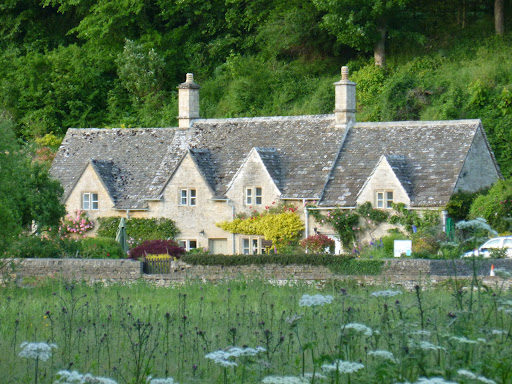
Although all of these images show properties that date back at least 150 years or more, flint continues to be occasionally used in modern housing and was even used as embankment supports on the M40 motorway when it was widened in the Chilterns a few years ago. As found throughout the centuries, when digging through the chalk, it proves to be the cheapest and most readily sourced building stone.

To find out more about flint knapping or to book a course to learn the art visit www.flintknapping.co.uk . It is worth looking at just to hear the magical sound of primitive flutes made from elder tree stems.







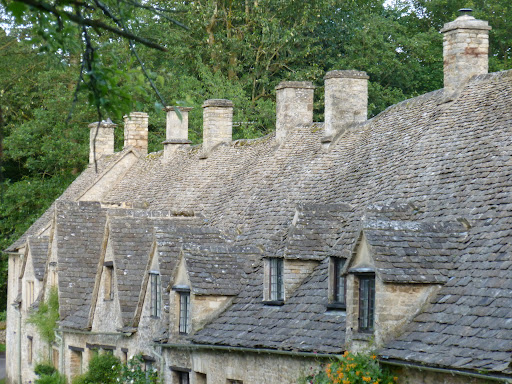
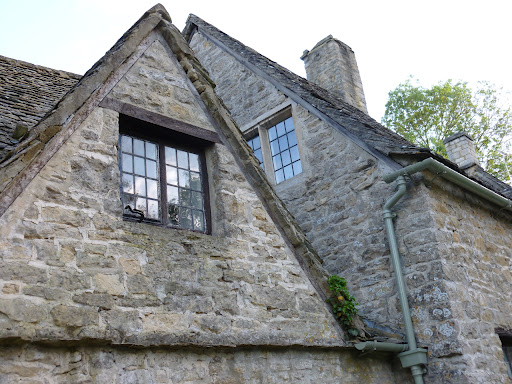

















 .
. .
. Well, it’s almost a white Christmas!
 The holly is one of those species (relatively few in number) that have separate male and female plants. To have a crop of berries like the ones above it is necessary to have both sexes growing within pollination distance and, of course, it is only the female that will carry berries. In our garden we have a magnificent specimen of England’s wild holly, Ilex aquifolium, but being male, is relatively boring (that isn’t meant to be as sexist as it reads!). It towers above roof height and doesn’t deserve the space it takes other than it provides us with shelter and a place to hang the bird feeders. How much better value it would be if it had been a variegated leaf sort. Fortunately there are lots of berried hollies growing wild in the secret valley for picking.
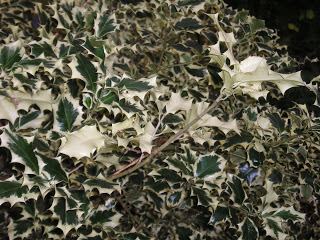 This holly is Argentea Marginata, a variegated form of our native holly and, being female, carries berries, making it very garden worthy. The occasional stem has pure white leaves. Ilex aquifolium grows naturally throughout the west and south of Europe, North Africa and west Asia. An oddity of holly common names is that many of the male plants have female names, and female plants male, so the variety Silver Queen, for example, is a non-berrying male. Very confusing!
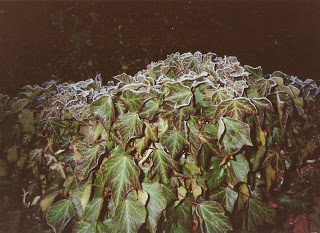 I’m not a great fan of Ivy. There are lots of different leaf shapes and colours but, generally, I think they are rather dull, although, I do admit, they can be useful in dark, dry corners where little else will grow. This wild ivy, Hedera helix, above, growing on a corner of our
  Mistletoe – the plant of lover’s, or at least, of those trying to sneak a kiss from the unsuspecting. In England it grows wild, often on fruit trees in orchards or on poplars and always difficult to reach. Invisible for much of the year, once the tree’s leaves have fallen in the Autumn, there it is hanging in great bunches high, high up.
 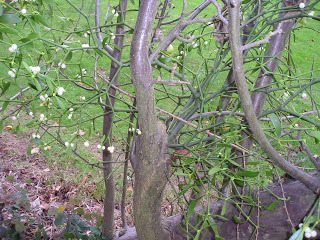 It is rare to find a plant growing as low as in the photo above and it gives a great opportunity to see how it attaches to the host plant. There are no visible roots: the stems of the mistletoe just grow from the trunk like young branches, easily identified by their dull green (as against brown) bark. Does mistletoe, Viscum album, ever kill the host tree? I have never seen this but I have seen quite sizeable boughs torn off a tree by the weight of the mistletoe bunches and, one assumes, the mistletoe must sap the strength of them. But then, mistletoe does carry green leaves so must produce a certain amount of its own food. Any idea, anyone?
 Life in the English Cotswolds