
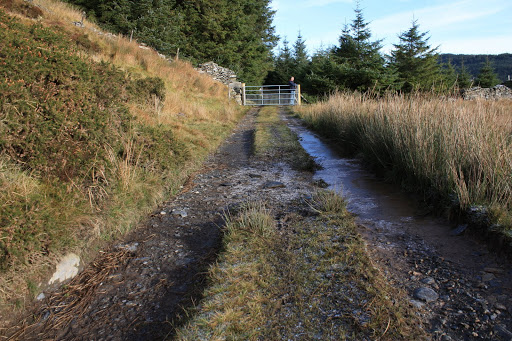
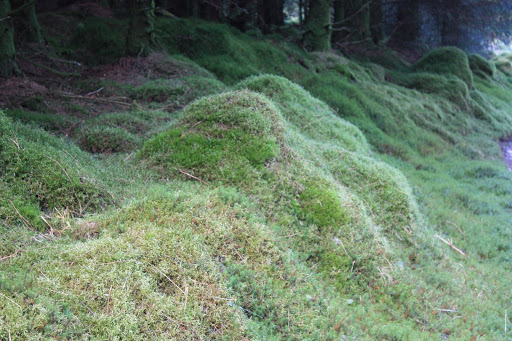
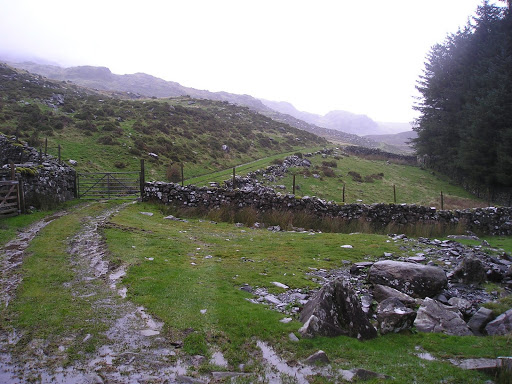
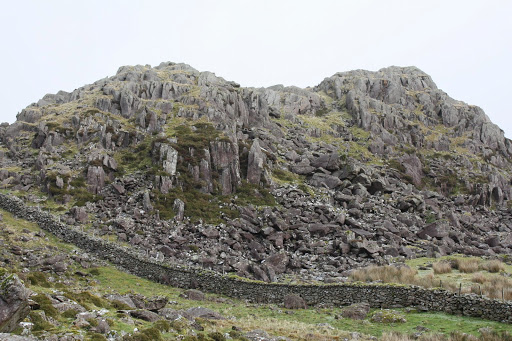
The tiny road that passes the converted chapel that we have been staying in once again for a late holiday continues to climb further into the mountains. The grassy areas, cropped short by sheep, give way to bracken, heather and stunted gorse, also shortened by the harsh climate. And an hours walk along this road – now little more than a stone track – brings you to the Enchanted Forest. At first, it is barely noticed: a tongue of dark green that appears to be sliding down the mountain as if desperate to reach the richer soil of the valley below.
.
 .
.
But suddenly, as you walk round a bend in the path, there it is in front of you. The trees look inviting; beckoning you to shelter from the cold north-easterly wind that cuts through to your bones. Yet, as you approach, the gate barring your way makes you hesitate, for the first
 .
.  .
.
 .
..
 .
.
 .
. .
. .
. .
..
 .
. .
.
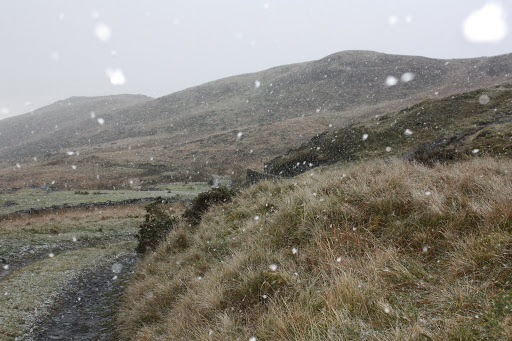
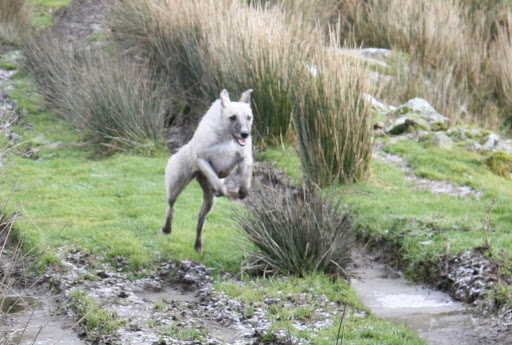
The sun had been shining brightly when we had stepped into the trees. Now, in an instant, the weather has turned and we are being threatened by snow flurries. She-dog, our lurcher, who recognises these problems better than we do, had been wandering on far ahead. Now, knowing that danger could be approaching, she hurtles down the track back towards us, agitated, beckoning us to return home.
.
 .
.
 .
.
 .
. .
.








 .
.




 .
.

 .
.

 .
.
 .
.
 .
. .
.






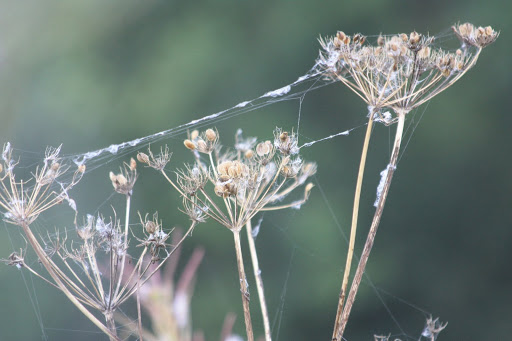

 .
.
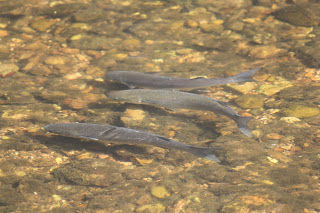

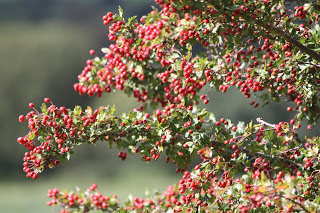


 .
.
 .
.


 .
.
 .
.


 .
. .
.
