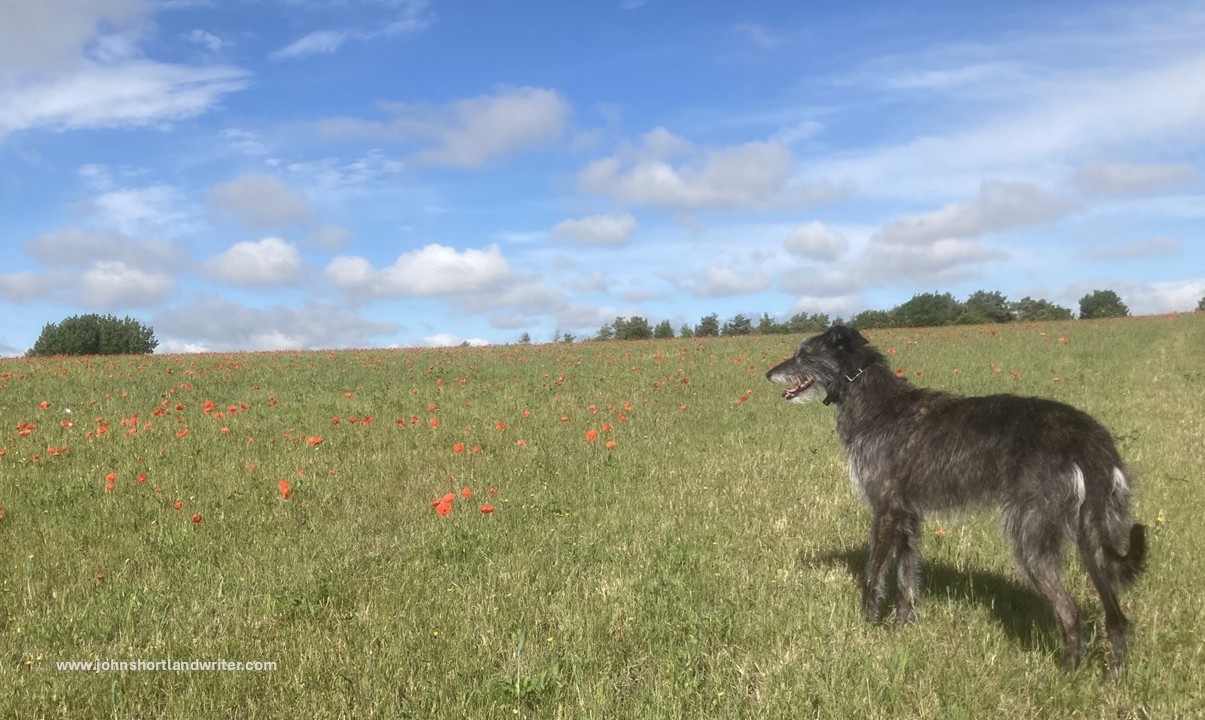
It is now over two months since we made the most drastic change to our lifestyle and cannot quite believe how quickly we have adapted from country to town life. We were obviously more ready for it than we realised and perhaps the title for this blog should really be ‘settled in’ for this already feels very much like home. There are a number of reasons why we felt ready to move away from the secret valley, not least the loss of our much-loved lurcher, Twist. We still miss her enormously but she would have hated losing the freedom of living surrounded by fields which is why we waited to move until she was no longer with us.
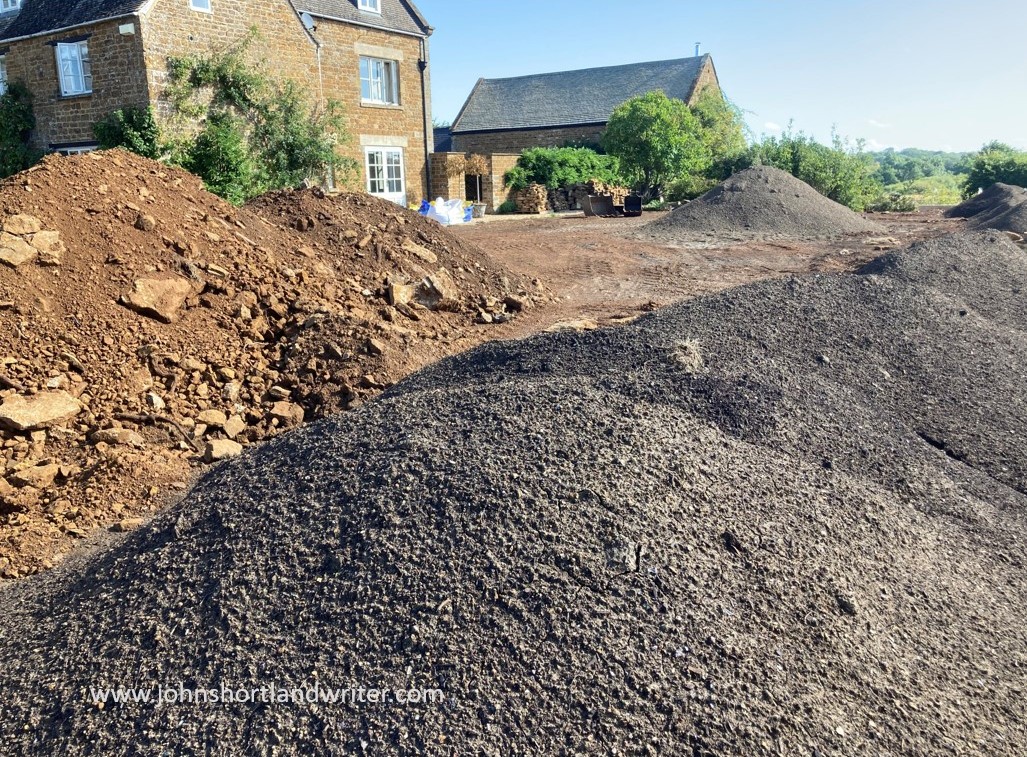
With the move came another life-changing moment – my thirty-year gardening career came to an end. For the past few years, I’ve had the perfect lead into retirement for although I was overseeing a large design project I was able to take time away from it as I wished. To have been given free rein to design whatever I liked and to see it fully implemented, and with so little pressure, has been a huge privilege that most designers only ever dream of. Best of all, the project has been enormous fun working alongside skilled teams of builders, electricians, welders and hard landscapers. None of that would have been possible without the moral as well as financial support of my clients and working so closely with them has been an additional pleasure.
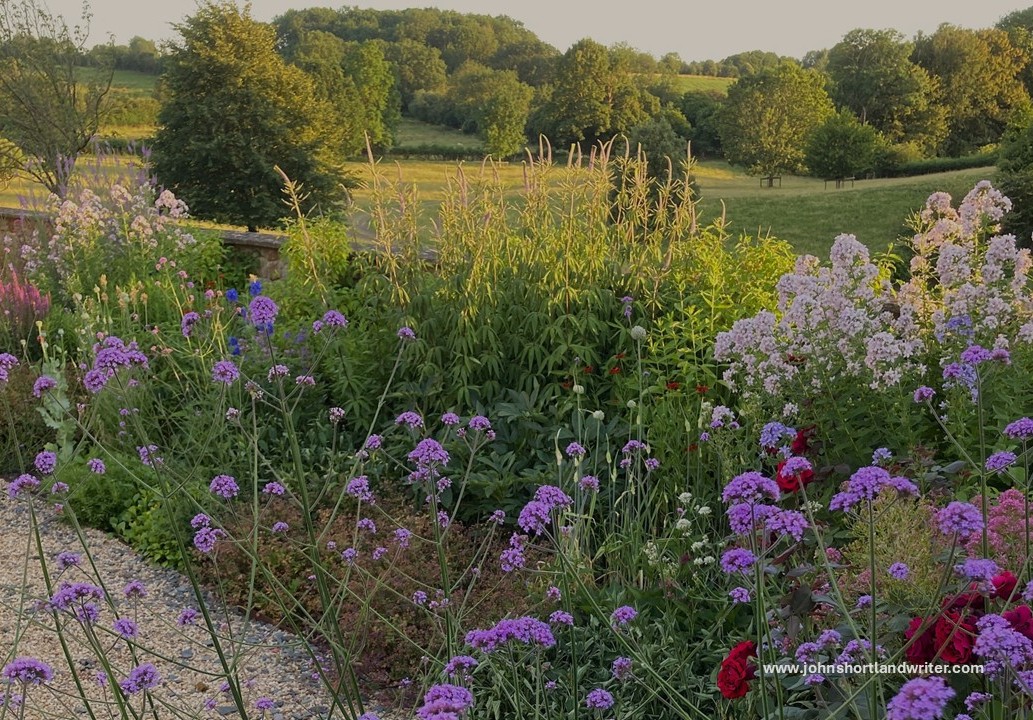
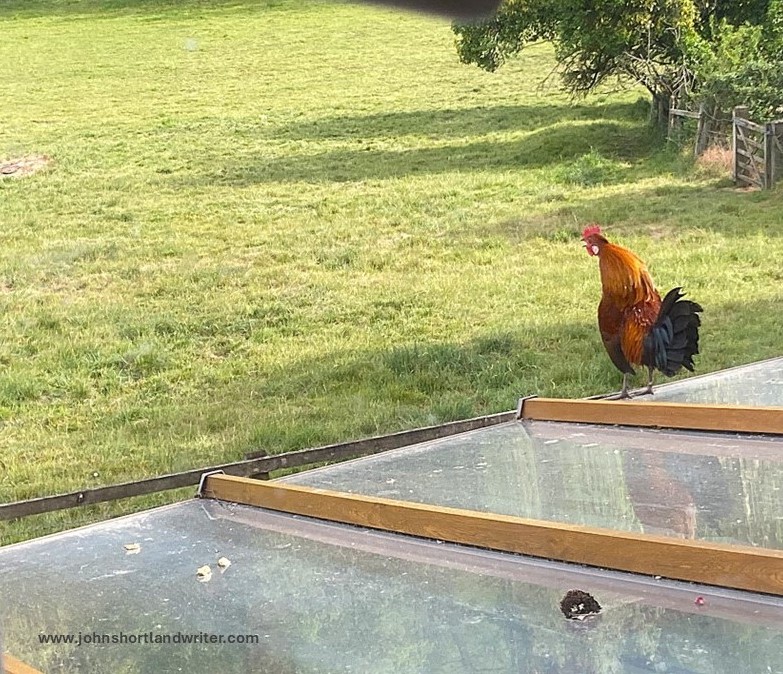
Retirement and the change to town life brought an abrupt end to my daily routines. Suddenly, there is no (or not very much) forward planning and juggling of diary dates. Suddenly, there is no dog to walk, no horses to exercise or chickens to feed. And, of course, there is no garden of my own that needs care and attention. Fortunately, our flat in Cheltenham, whilst structurally in good order needed a complete refurbishment and our old, heavy country furniture now inappropriate also needed replacing. Now all that has been sorted what will I do with my time?
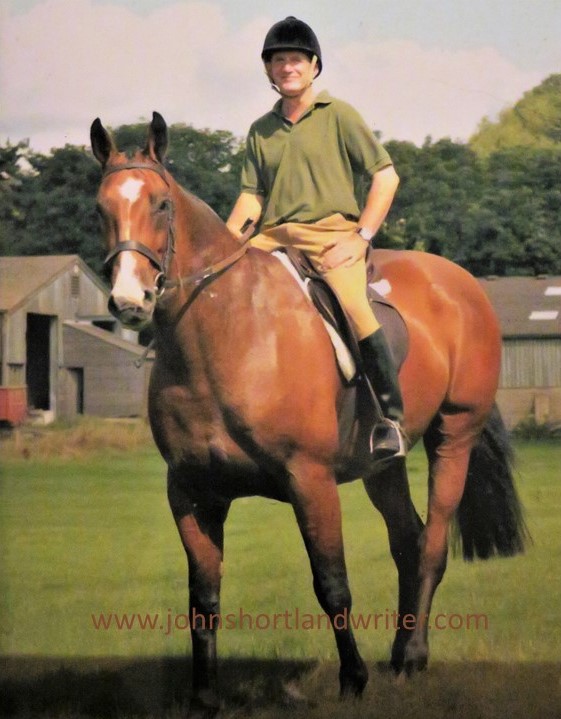
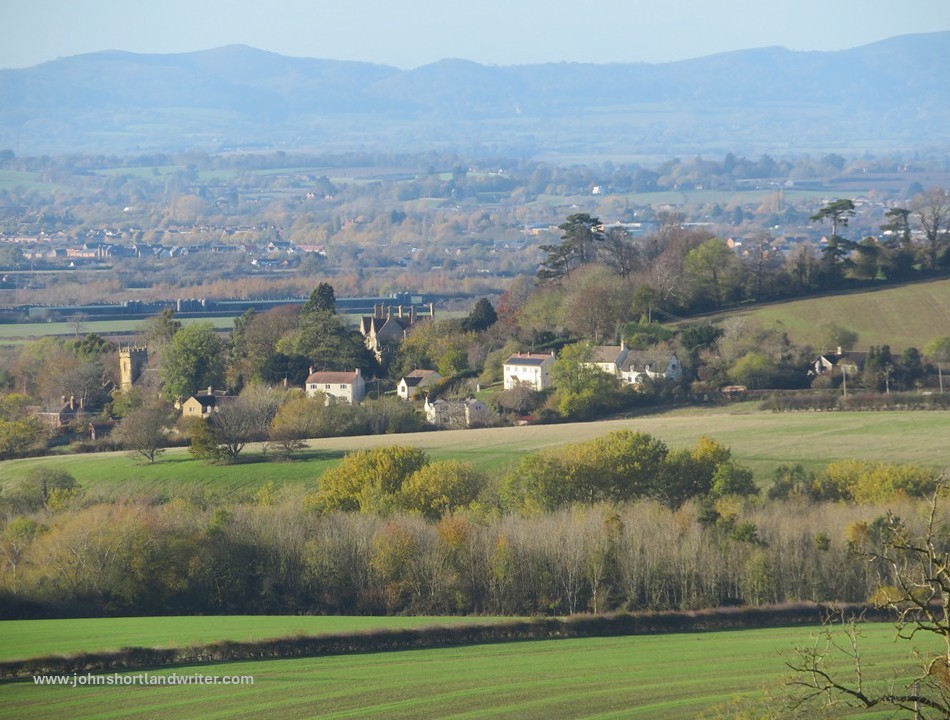
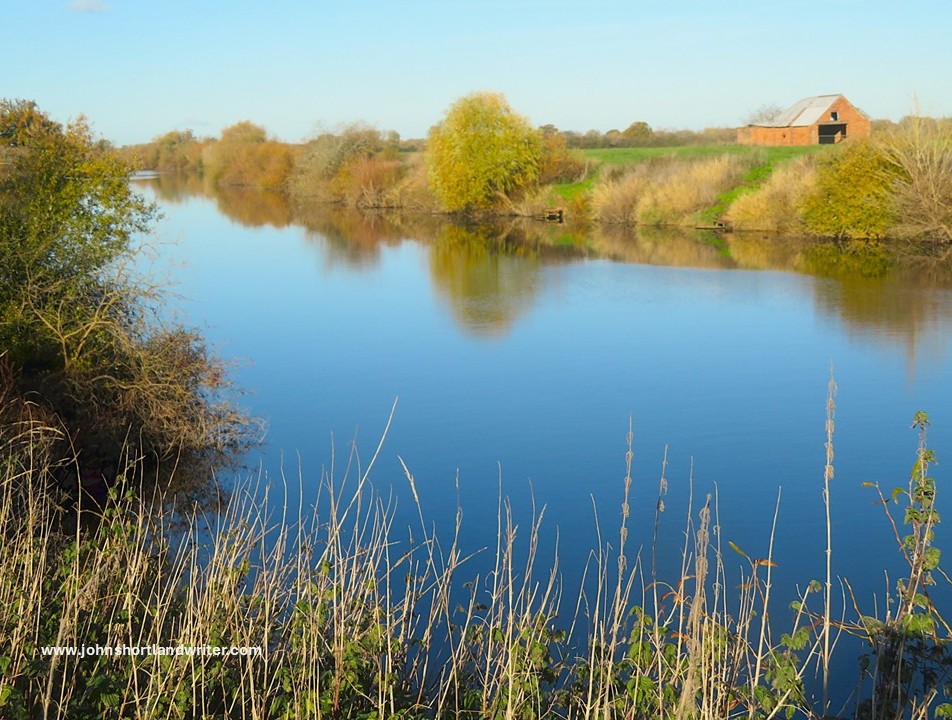
In my youth I would spend many hours walking which included several long-distance trails taking several days to complete. Now I have the time to do this again and so I have been upping my daily total of miles walked. I’m already managing twelve quite comfortably but despite the encouraging signs, I can’t ever see me returning to the twenty or twenty-five mile day walks of years ago! As mentioned in my last post, I have found some good paths that lead out of town and up into the hills and I’ve also walked along the banks of the Severn – England’s longest river. I’m finding it exciting exploring places new to me.
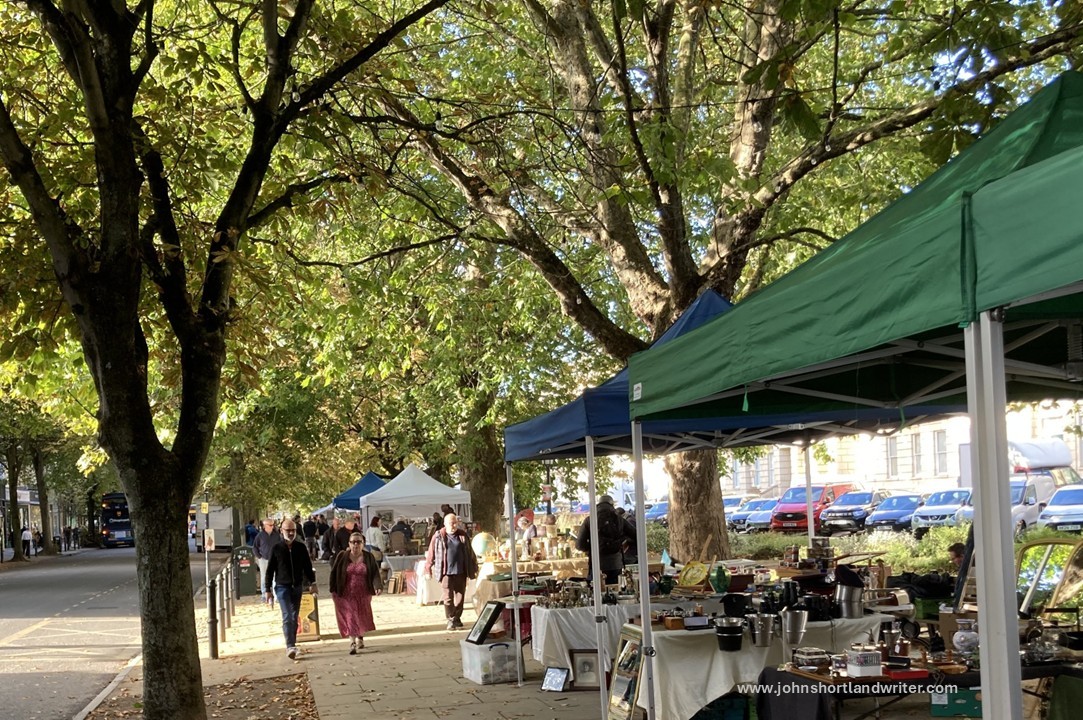
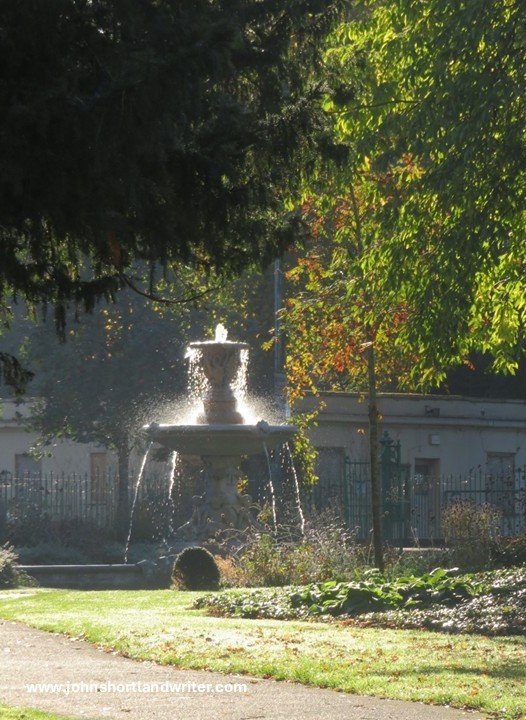
I’ve also been enjoying walking the streets of Cheltenham. Often claiming to be the most complete Regency town in England, there is street after street of beautiful architecture. It became the fashionable spa resort for Victorian England and so apart from the houses and parks, there are the splendid spa buildings themselves. Statues and fountains are commonplace here too and all help to make the town feel quite different from the average English town. With its tree lined streets, markets, numerous festivals and a rapidly developing food and drink culture I feel as if I’m a holiday visitor rather than a resident! In time, I will write in more detail of these aspects of town life. At present, I’m having to learn their stories.
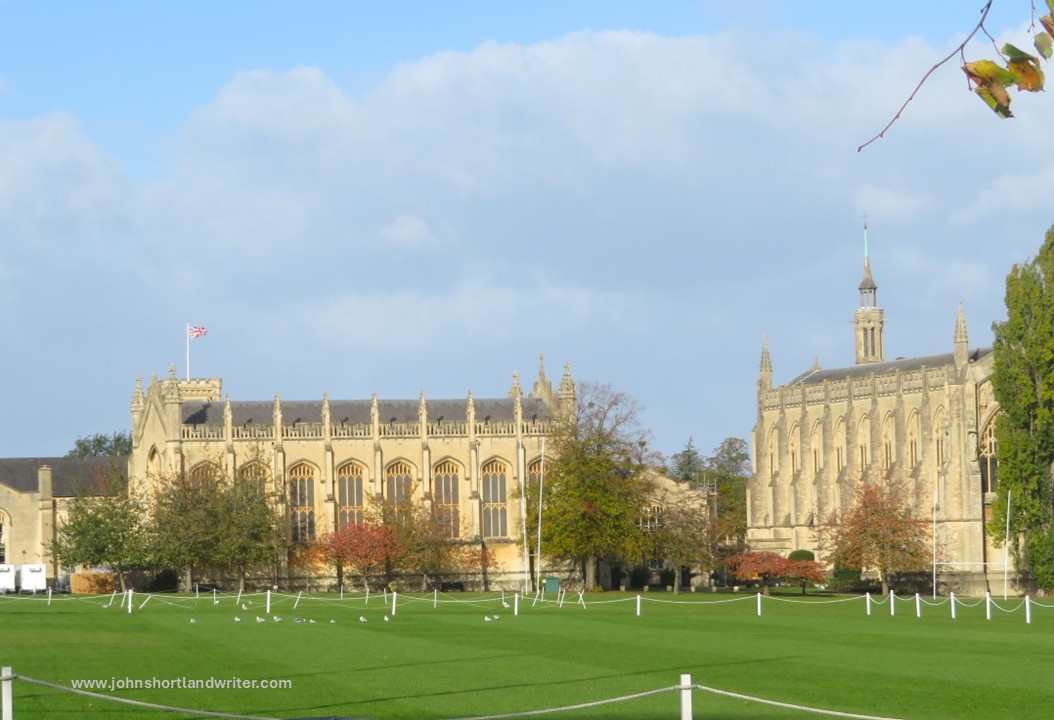
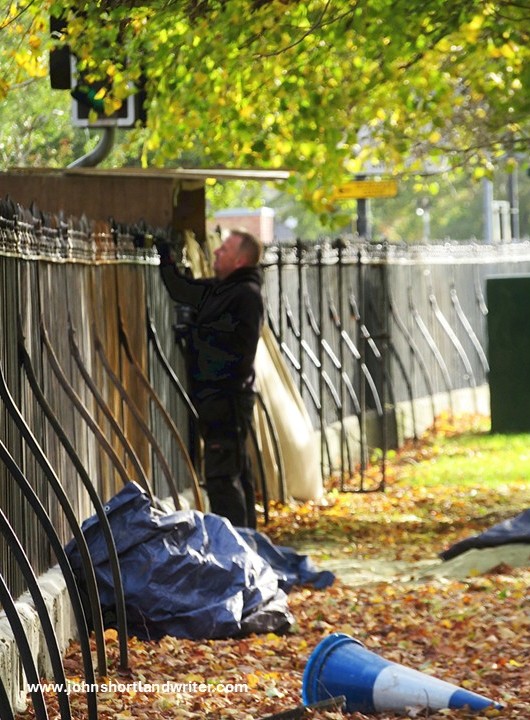
One of the town’s famous buildings is Cheltenham College, a leading public (in the UK, ‘public’ = exclusive, fee-paying) school. Founded in 1841 to educate “young gentlemen”, it became fully co-educational a hundred and fifty years later. Through my family history research, I have discovered that an ancestral uncle and cousins lived in Cheltenham from 1854 and some of the cousins were educated at the College. When I walked past the other day, the miles of railings surrounding the grounds were being restored and repainted, all meticulously by hand which must seem like a never-ending task.
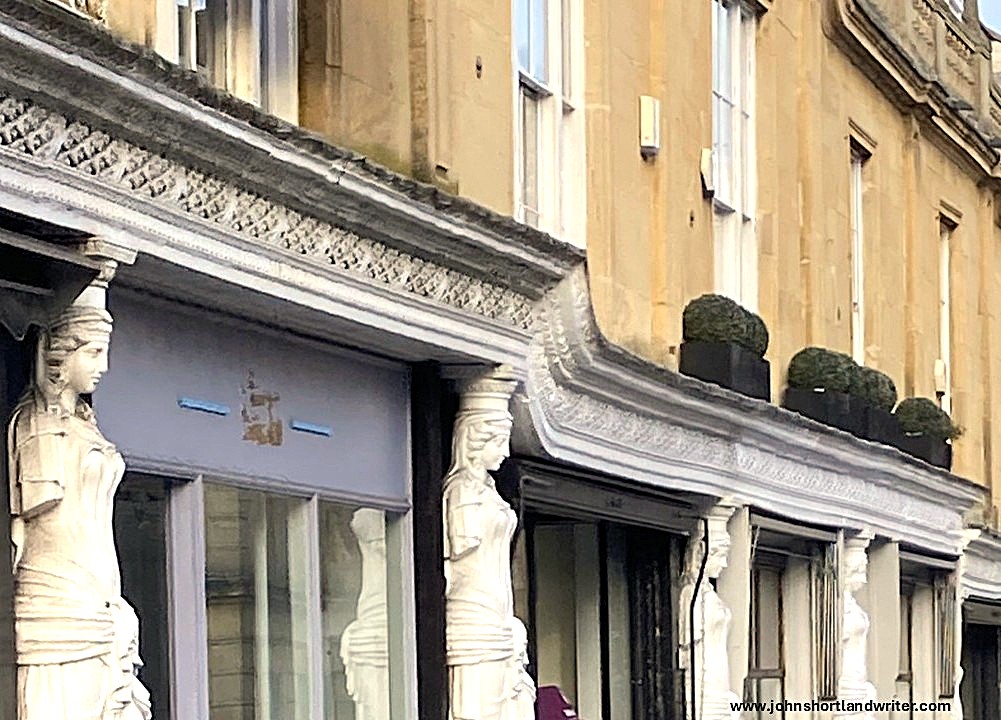
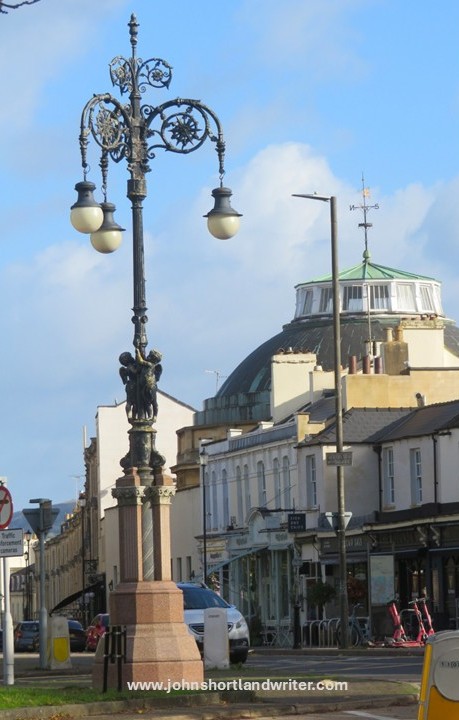
Montpellier is one of the town’s most desirable areas to live and another lovely place to walk and shop. There are some great restaurants and cafes here too. The thirty-two arm-less statues built into the shop fronts – The Caryatids – were placed there in the 1840s and each is reputed to differ from the others. The Montpellier spa building known as the Montpellier Rotunda was also built in the early 1800s and is now home of The Ivy restaurant. To eat in such an historic building is memorable but we love the little cafe, Lazy Graze, tucked away behind it in the Montpellier courtyard. The ornamental streetlamp in front of the Rotunda was commissioned in 1885 to commemorate (General) Gordon of Khartoum who had been killed in Afghanistan earlier that year.
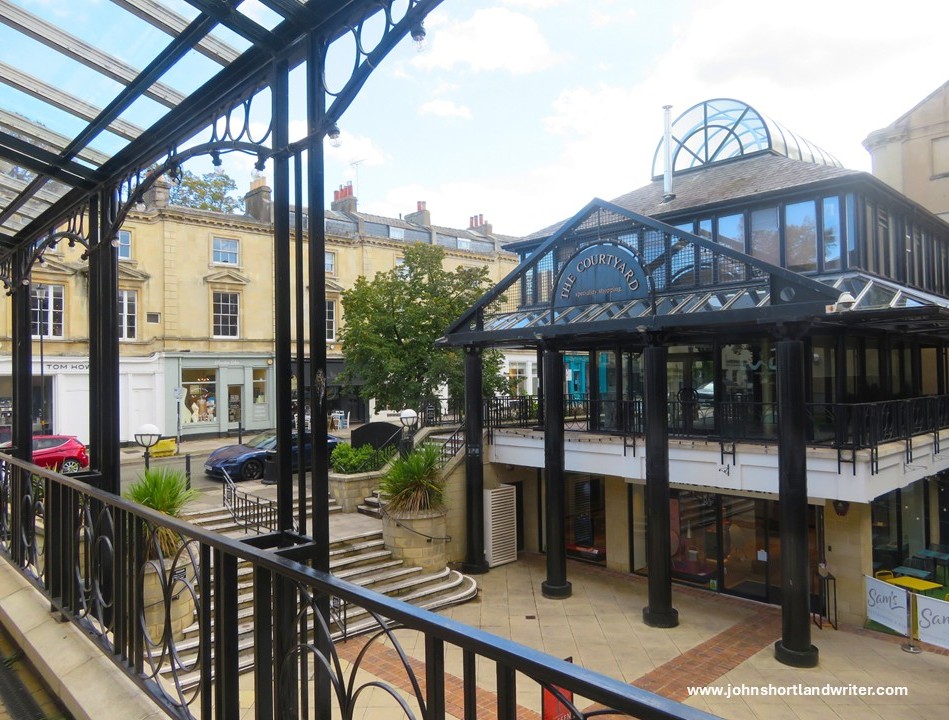
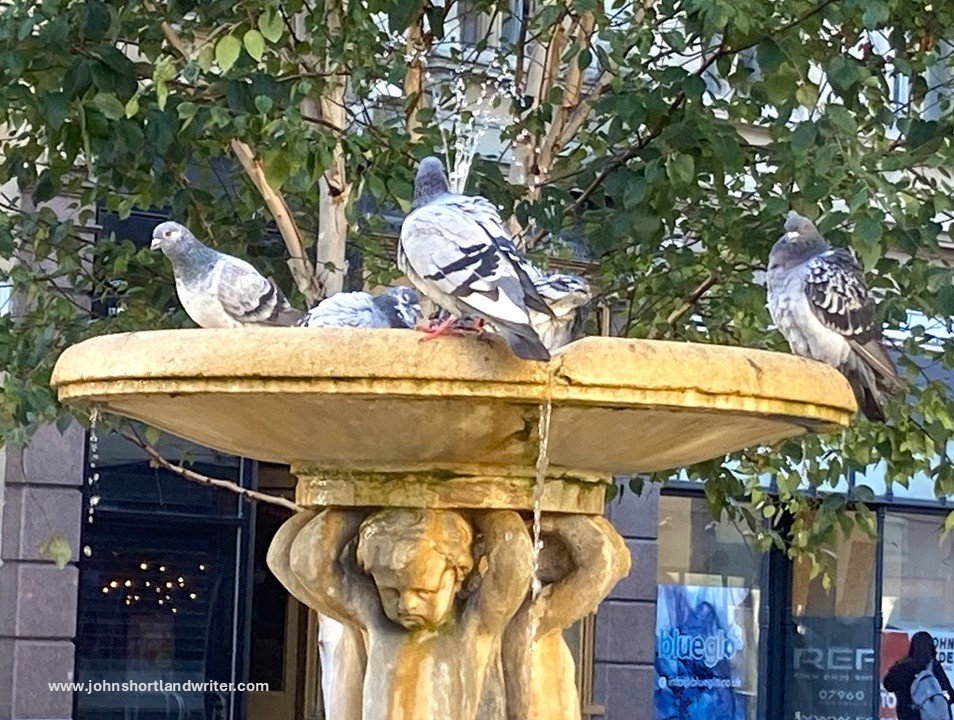
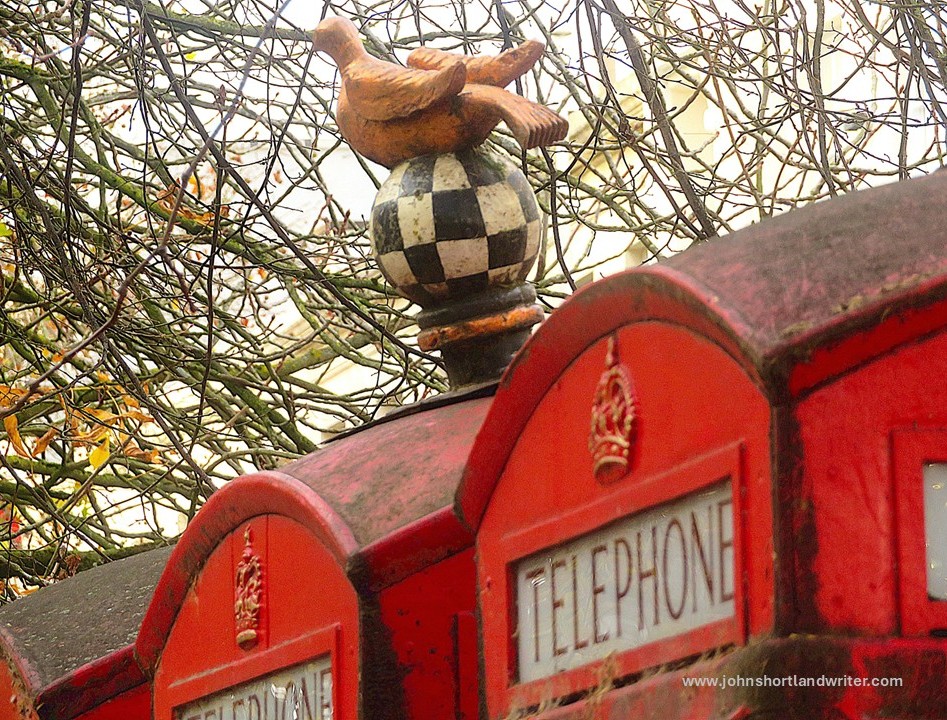
As can be seen from the few photos that I’ve shared there is so much to tell. The parks vary from formal gardens to wild, infrequently visited areas, the buildings when you look at them have so many subtle differences; their ornamental columns, decorative ironwork and porches all deserving closer scrutiny. I’ve hinted at the statuary and fountains but there are also smaller stories to discover. For example, why are the pigeons of Cheltenham, cursed in so many towns and cities, loved by this town and why do they all look so healthy? More to the point, why are they honoured in the town’s coat of arms and why do sculptures of them appear in unlikely places such as the top of this telephone box?