The Green Way Out of Town

It may seem odd that having moved from the depths of the countryside to the centre of a town that the first piece I write about after the move should be about escaping back into the wilds.  It isn’t that I’m yearning for open space away from the crowds for, to my surprise, I’m finding life in Cheltenham to be remarkably exciting in ways that I didn’t expect, namely people watching, shopping and architecture (well, I half-expected the latter).  What has surprised me, however, is how just yards from my front door there are ‘green ways’ that lead up into the hills.  I tend to think of them as my escape routes although I’m really loving the change of pace and lifestyle, albeit it’s early days.
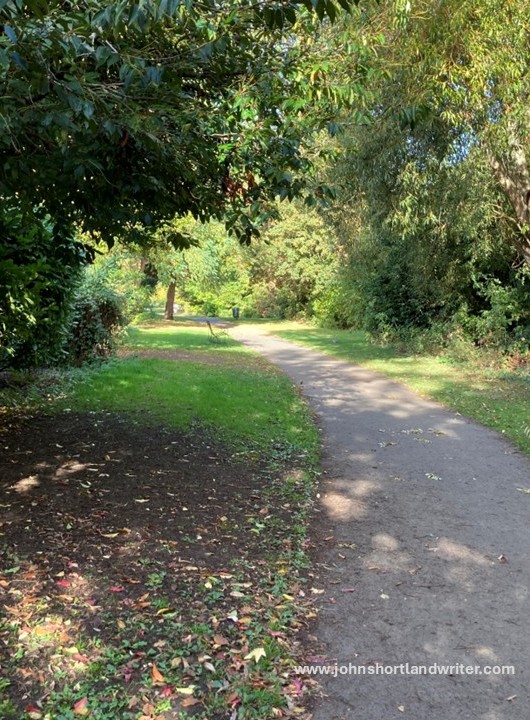
The old railway track is now a green pathway that links the town centre to the countryside

Cheltenham has a reputation of having more trees than people and I think it could well be true for the photo below of the Promenade, one of the main shopping streets in the town (and a four minute walk from our door) demonstrates this so well. There are numerous parks as well, and these interconnect with the green ways: not only do they give me a way to exit the town it also gives wild animals and birds a route to enter it.  In time I shall be writing about the wildlife I come across and the parks in more detail.  Suffice to say, that it is something that I hadn’t really considered: I thought I was leaving the world of deer, fox, badger and otter behind but apparently not for all live within the town centre.  Of course, I’m not trying to pretend that I don’t have to walk along pavements and sometimes busy roads as well, it is just that I had assumed that would be my only option to reach open country.
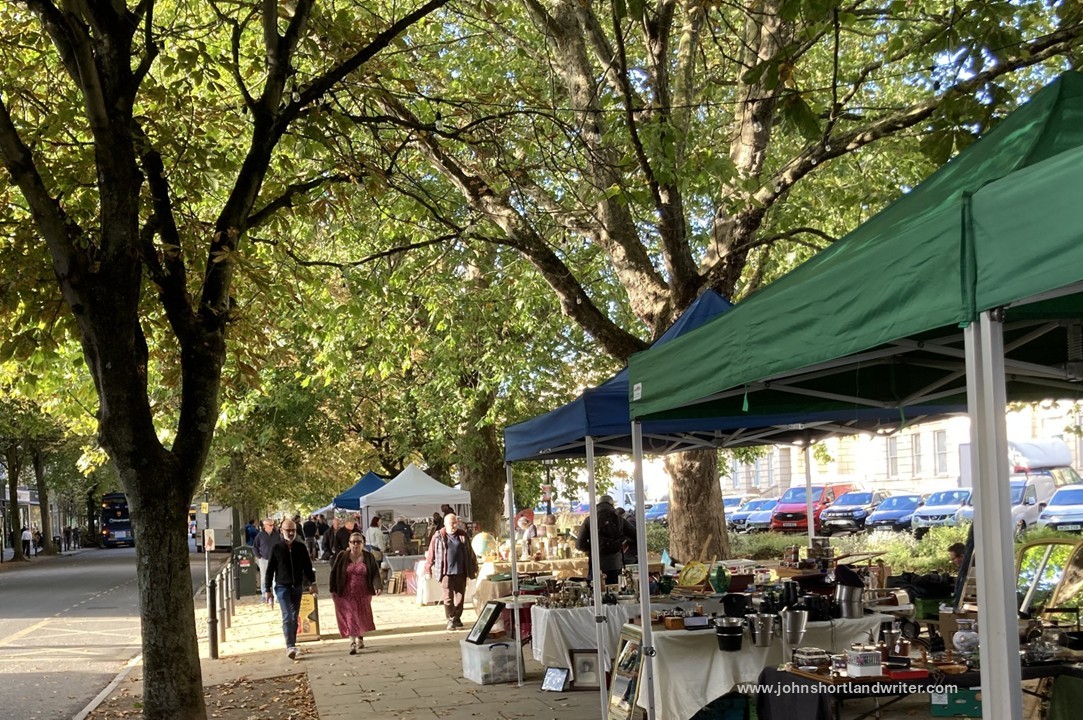
They say Cheltenham has more trees than people. The Promenade, one of the town’s main shopping streets proving the point!
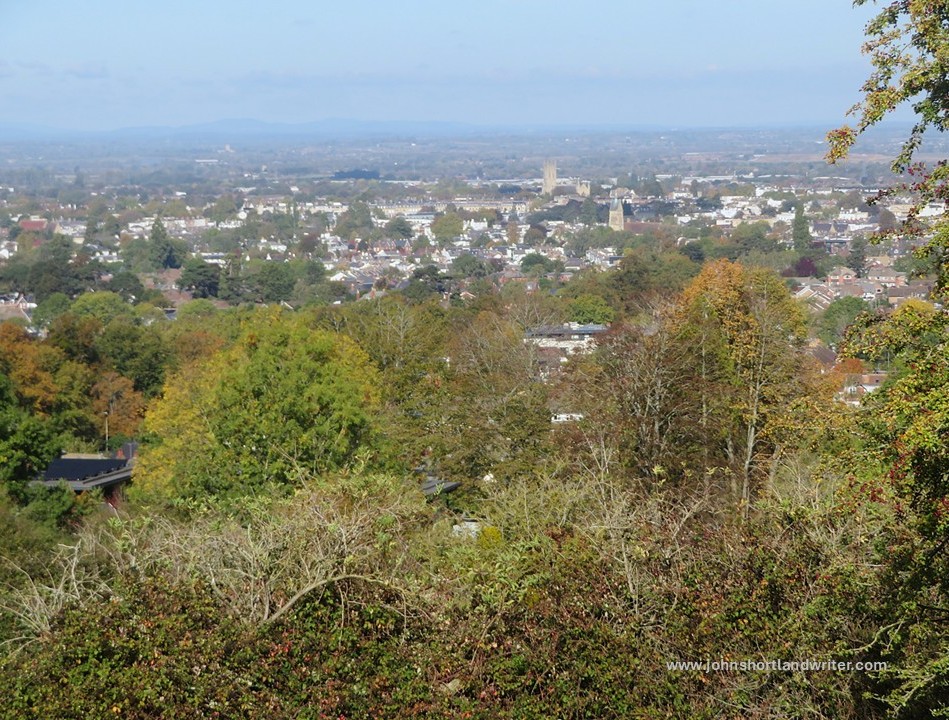
Cheltenham from the roof of the Cotswolds showing just how many trees there are in the town

The path that is so close to my new home, known as the Honeybourne Line, started life in the mid-1800s as the branch line of the railway bringing in services and visitors into the heart of the town.  When it closed in 1976 the station was demolished (it’s now the site of our local Waitrose supermarket) and the area gradually became forgotten and overgrown.  It wasn’t until the Millenium that various groups and the town council began to clear it to create a traffic-free walking and cycling route.  When finally completed it will link several local towns and communities along its 26-mile course.
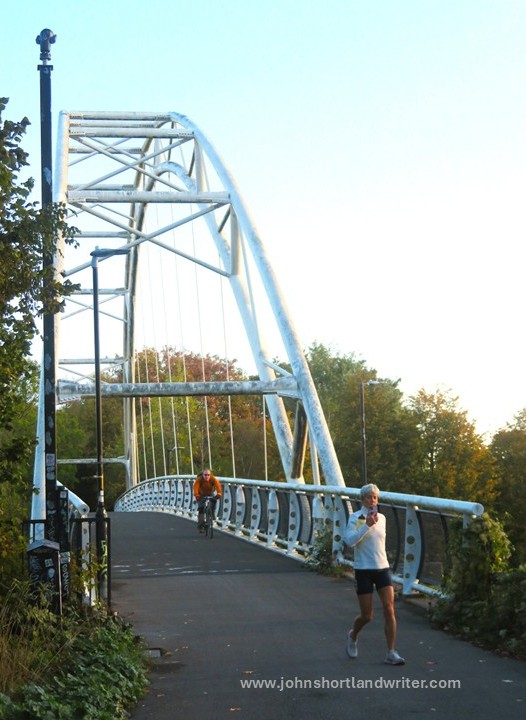
The Millennium bridge spanning a busy road junction – part of what will be a 26 mile traffic-free, green route for cyclists and walkers

My first venture along this path took me northwards to the racecourse.  Cheltenham is famous for its horse racing and it is here, each March that the Gold Cup, one of the world’s major sporting events is held.  On the day that I walked there was no racing and so I had the place to myself.  A public footpath alongside the gallops would have lead me high into the (Cotswold) hills but I chose to turn towards the town, this time choosing a route through Pitville Park with its beautiful lake and spa building.   There will be other days, I thought, when I can climb the hills.
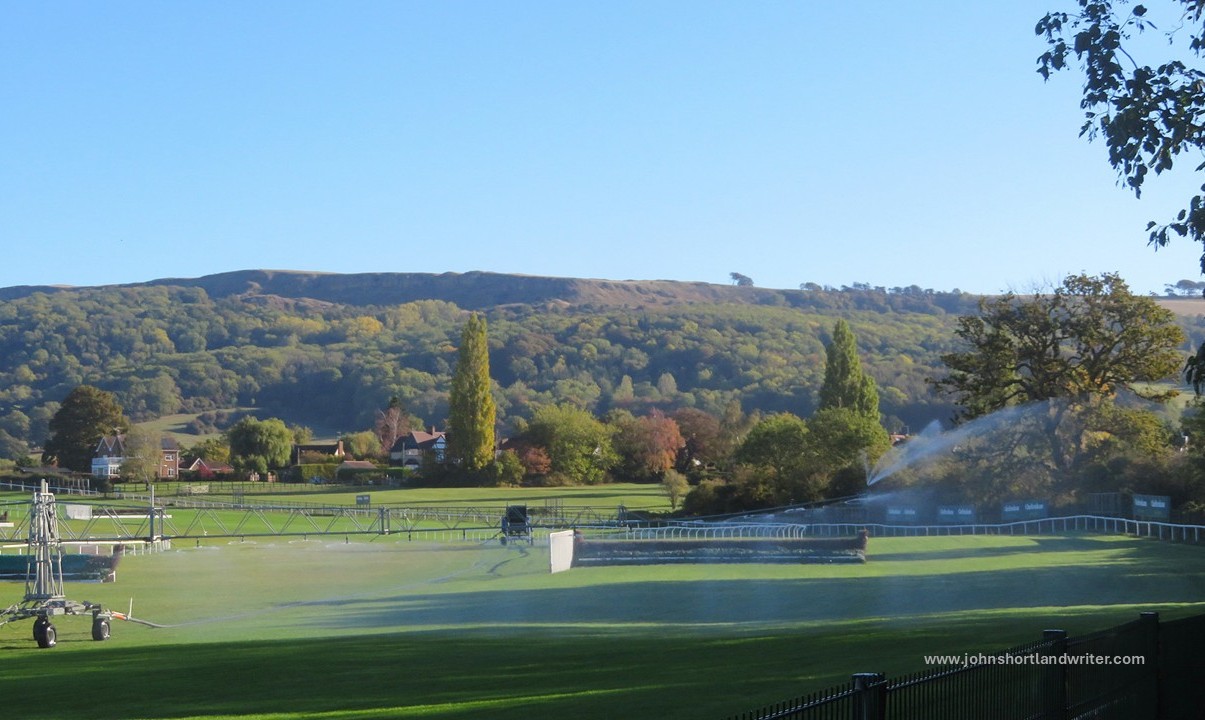
The Cotswolds rise steeply from the very edge of the racecourse giving endless walking possibilities
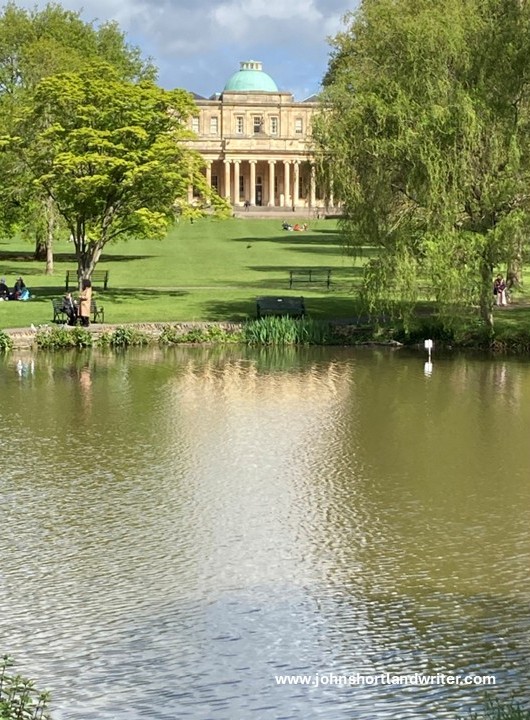
The lake at Pittville Park with its beautiful Regency Spa building beyond

For my second walk I tried to find a way west and although I finally did reach farmland to walk over, this route involved just a few too many roads for my liking.  However, I was rewarded with hazy views of the Malvern Hills and also by stumbling across a mid-length long-distance path known as the Cheltenham Circular Path.  This, I have since discovered, starts at Pittville Park and would have taken me on a much nicer and quieter route out of town.  A little further on I came across a derelict farm to explore before finding myself back on a stretch of the Honeybourne Line to lead me back home.
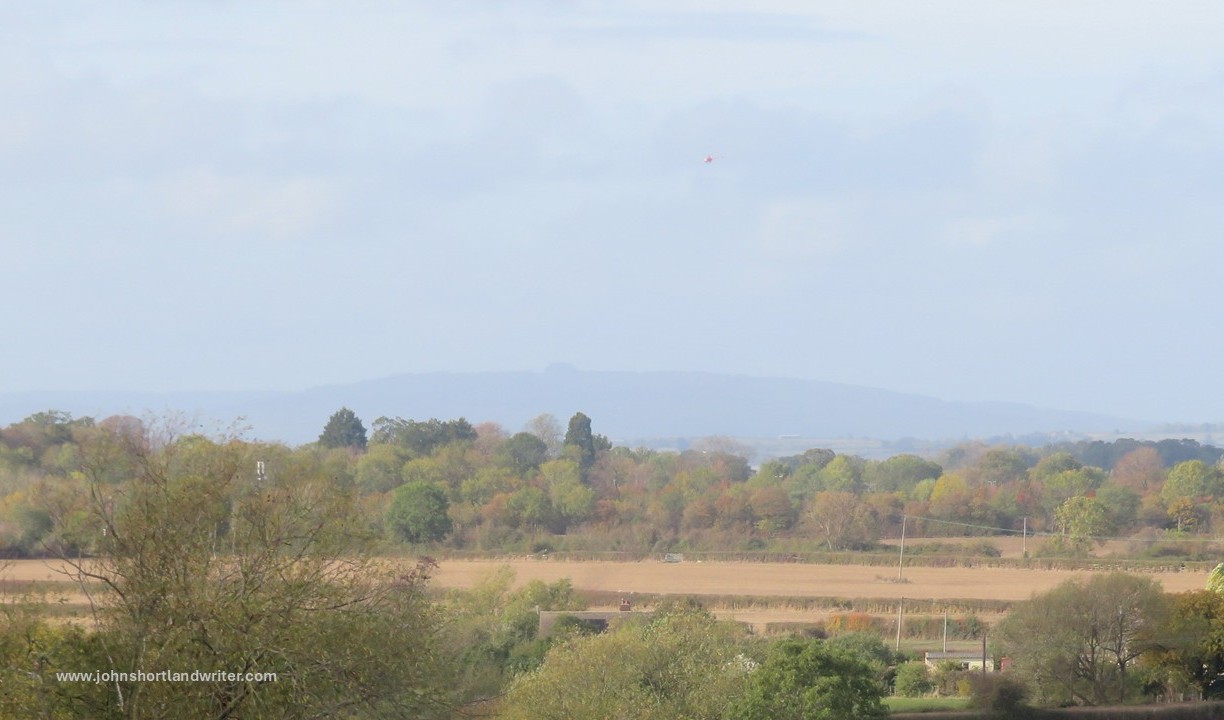
It is just possible to see the centuries-old crown of trees on distant May Hill,
a solitary outlier of the Malverns over 15 miles away
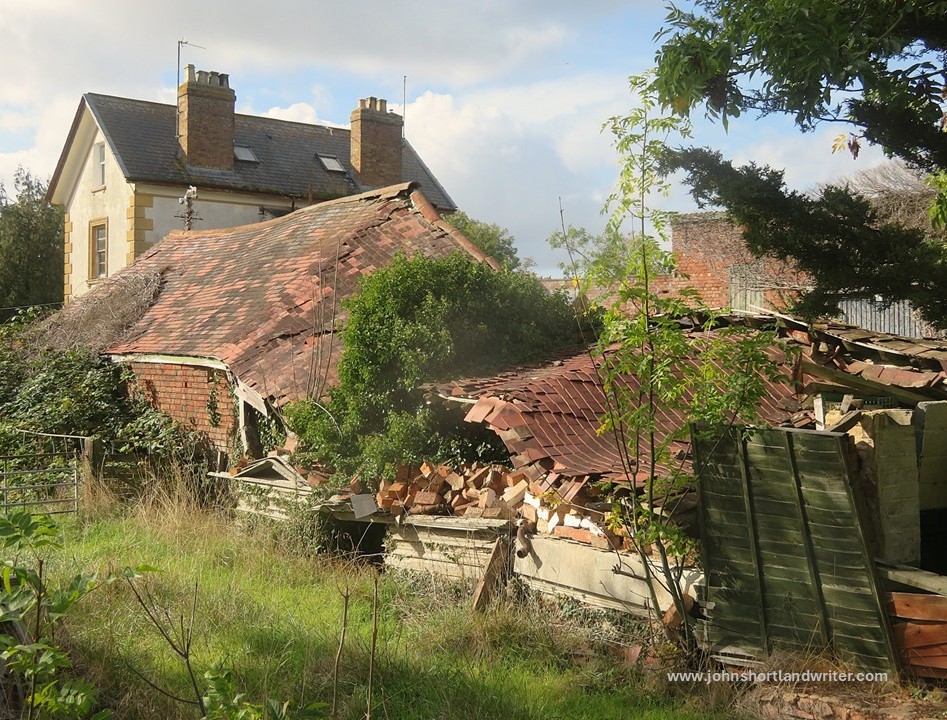
I came across a derelict farm…

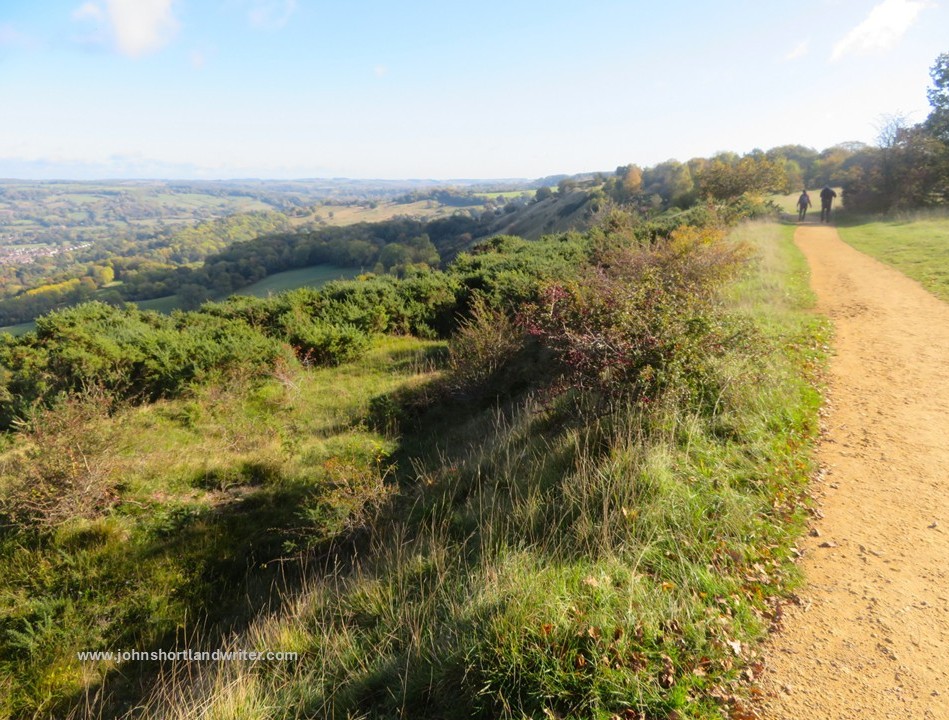
The third walk was through a different park – Sandford Park.  This was also a surprise for the path followed the course of the little River Chelt and led through well-maintained gardens before opening out into a much wilder part of the park, kept that way as part of the flood defences for the town. Rather like the little winding river back in the secret valley the Chelt can rise very rapidly after heavy rain. As with my first walk, I thought I would leave exploring the hills for a later date, but it was such a glorious day and the path so tempting that I climbed the 900 feet to the top. There I was rewarded by stupendous views of not just the Cotswold and Malvern Hills but also, way off in the far-distance, the misty shapes of the Long Myndd and Shropshire Hills, fifty miles away.  It is also here that my path linked to the Cotswold Way, another National Trail of over 100 miles length so the possibilities are literally endless.
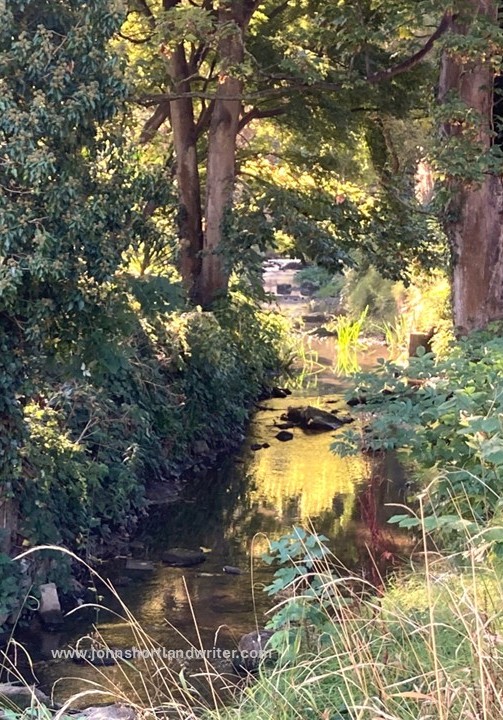
It’s hard to believe this is still within the town
– a tranquil stretch of the River Chelt by Sandford Park
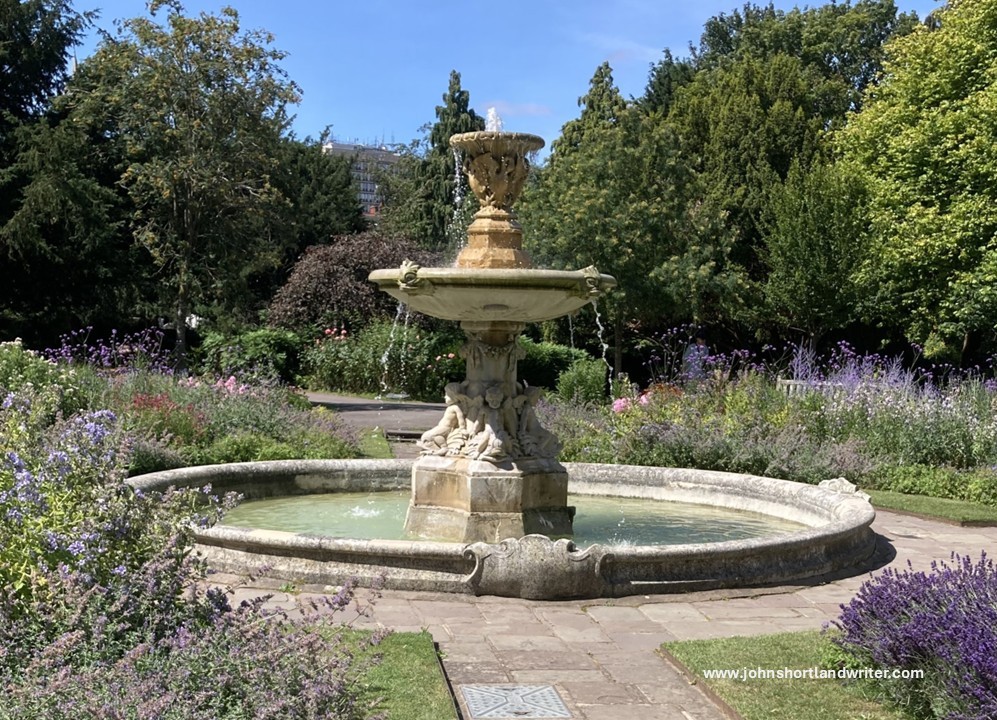
Formal gardens at Sandford Park give way to much wilder, natural areas, rich in wildlife

When I was a young man before the responsibilities of home ownership, career and all the other things in life that get in the way, I used to spend a lot of my time walking these long-distance paths.  Now that I have finally retired, I’m looking forward to spending much more time clocking up the miles although I doubt I shall be walking the 25 miles a day I would do in my youth.  Moving to a new area, although still in the Cotswolds, there is much to explore both in the town and the country.   The town with its rich history of its development as a spa in the 1800s when the fashionable and wealthy came to ‘take the waters’, the hill country and its villages or the vale of the River Severn – England’s longest river – will give me plenty of walking opportunities and plenty to write about.  I can’t wait to get going!
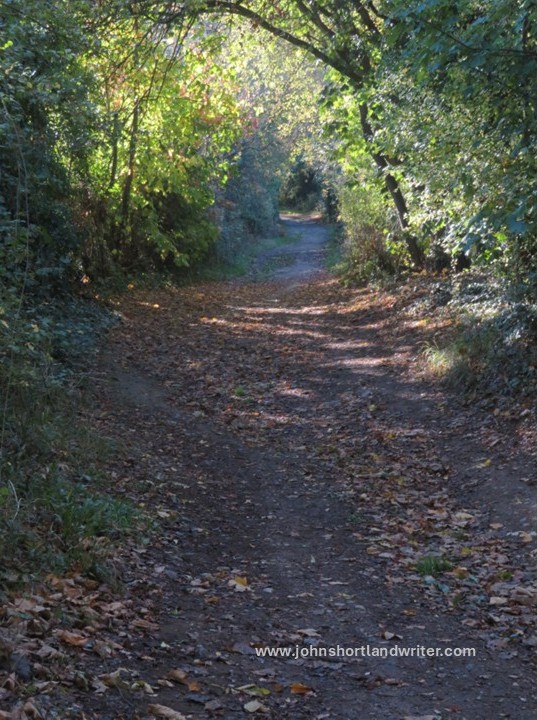
When I reached this enticing path, I just couldn’t stop myself from exploring further!
I reached the top and the Cotswold Way long-distance trail. From here it is possible to walk over 100 miles

Discovering the Five Senses in Lockdown

It sometimes takes a crisis to make us re-evaluate what is of importance in our lives and the present one of Coronavirus/Corvid-19 surely has to be the greatest that we will collectively face. Now, several weeks into lockdown we have all been developing new patterns to our daily regime, one of which may well be taking more exercise. Never before have we placed so much value on fresh air and being able to walk freely whether it be in our parks, gardens or open countryside.

Marlow watermark

                           Riverside path, Higginson Park, Marlow (before social distancing).                                 The river is the River Thames in Buckinghamshire

Living where I do in the Cotswolds surrounded by fields and with woodlands and the river close by it is relatively easy for me to enjoy the open space. For others able to take advantage of their enforced free time, it may involve a longer walk and I have certainly noticed an increase in the numbers of walkers and cyclists here in the valley. I have also noticed that for many of them one aspect of their lives hasn’t changed: as they walk their eyes are glued to the screen of their mobiles and headphones are clamped to their ears, seemingly unaware of their surroundings. It has made me think all the more of our five senses and how we use (or should use) each one of them when out exercising.

Nr Fingest copyright

Cycling in the Chiltern Hills

SIGHT For those of us blessed with the gift of vision, perhaps sight is the most important sense we use and perhaps the one we most take for granted.  Without it, it is still possible to enjoy one’s surroundings for the other senses become heightened but I doubt if anyone would deny the pleasure of seeing the beauty that surrounds us on our daily walks. Even within cities there is much nature to be enjoyed although I admit that sometimes it has to be sought with more vigour and awareness.

Viola watermark

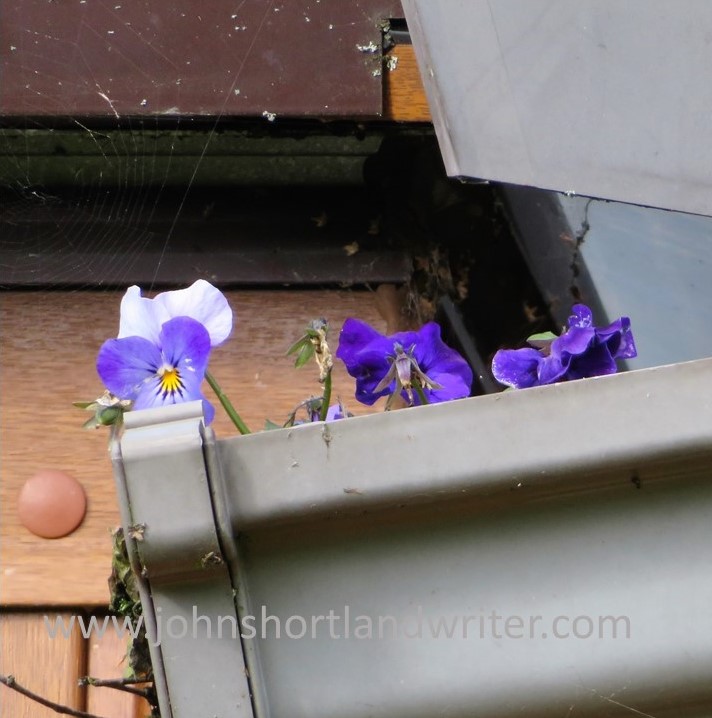
Look everywhere – self-sown violas peep out from overhead guttering!

At this time of year, more than any other season, there is much to see. Tight leaf buds unfurl into an explosion of vivid green foliage, iridescent wherever sunlight filters through; young ducklings tumbling into the park pond to take their first swim. But it isn’t just the natural world to be seen anew, there are other things too. Although it had been there for more than a hundred and forty years (and I’d walked past it very day for twenty) the date scratched into the stone on this wall had gone unnoticed.

Date stone watermark

Who scratched this date into the old stone wall and why?

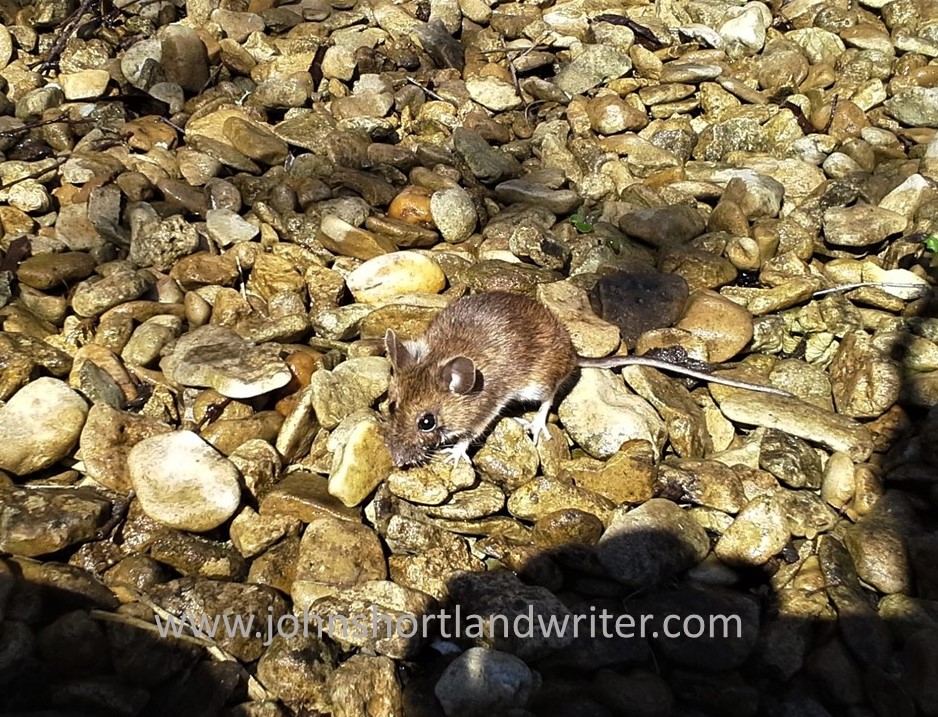
HEARING Along with sight the second most important sense we use on our daily amble. Apart from the glory of birdsong there are other sounds that bombard us when out walking. The wind flurry that makes the catkins tremble and shed their pollen, the stronger breeze that make the twigs and branches clatter gently against one another. Then there’s the rustle in the undergrowth. Stop and wait silently and with patience you may be rewarded by the sight of a little field mouse going about its daily chores or a rabbit venturing out to feed.

Field Mouse watermark

patience was rewarded when this little field mouse ventured into the open

Altamont Gardens (8) watermark

… and also this rabbit

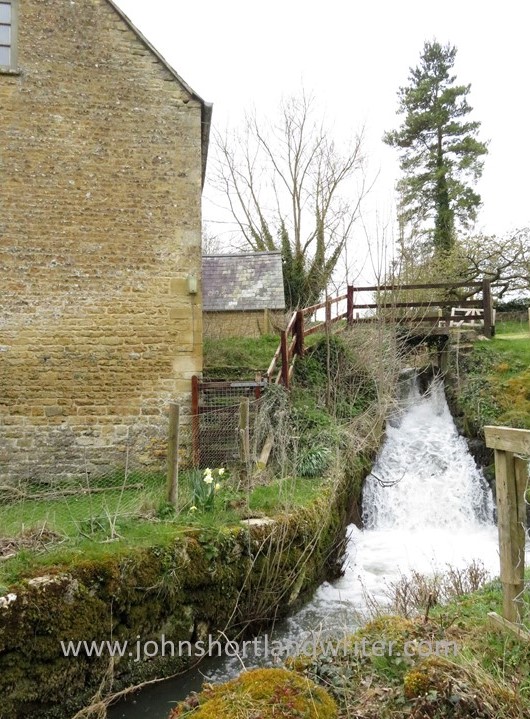
The sound of the river alters constantly. The smooth, barely audible glide of the water changes to a tinkling of soft musical sounds, its flow interrupted by a fallen branch. A few yards further downstream they rise to a crescendo as they crash and tumble over the old millrace before returning to silence as the flow stills in the calm of the millpond.

Radford Mill (1) watermark

The old millrace 

Radford Mill watermark

the calm of the millpond

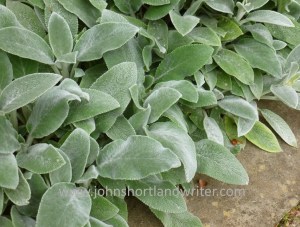
TOUCH   In the present crisis we are sensibly being discouraged from touching things unnecessarily. Out on walks perhaps care may be advisable when opening gates or climbing stiles but, if you do, take a moment to think about what you feel. Heed the cold steel of the metal five-bar gate and the way it slowly warms beneath your hand; feel the rough timbers of a stile worn smooth from much use over the years. Of less concern health-wise – and all the more pleasurable for that – become aware of the softness of new horse chestnut leaves; later in the year they will become as harsh as sandpaper. Run your fingers across the twisted, grooved bark of the sweet chestnut tree and stroke the furry softness of the aptly named ‘Lamb’s Ears’, the favourite garden herbaceous plant Stachys byzantina.

Sweet Chestnut 4 watermark

The deeply grooved bark of the Sweet Chestnut tree

Stachys byzantina  Lamb’s Ears

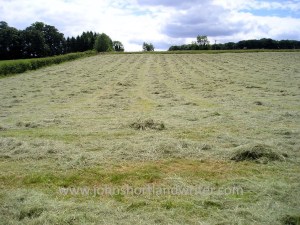
SMELL   The scent of spring is everywhere at the moment and to be delighted in. However, the sense of smell is also a powerful trigger of long-forgotten memories. In a few weeks’ time the sweet scent of drying hay in the meadows may recall childhood farm holidays but for now there is the unique smell of new-mown lawns. Both start off as freshly cut grass yet their scent is so surprisingly different. Likewise, compare the subtly differing fragrance of apple and cherry blossom, both in their full-blown glory right now.

Drying hay before baling

The smell of freshly-mown grass…

Without even leaving home, squeeze the leaves of the herbs on the kitchen sill and notice their variation in scent, their colours and textures too. Early morn in the woodland, especially after warm rain, the delicate perfume of bluebells quickly disappears as the sun becomes stronger. Half-close your eyes and glory in their colour, in the silence and in their perfume and leave all cares behind you – if only for a while.

discover the different textures & scents of herbs

The vivid greens & blues of an English beechwood in spring

In town, the scents are also there just waiting to be noticed. Rain falling on roads and pavements or scorched by hot sun both produce delightfully tarry smells, one mild, the other strong. In the formal beds of the local park flowering bulbs stand in regimental rows; each have a unique scent which rises in the air to mingle with the vanilla fragrance of wallflowers. The wallflowers, their dull green foliage barely noticeable throughout the winter, now shout out the arrival of spring through the colours of their flowers of brick red, orange and yellow.

Tulips & wallflowers – a favourite park bedding combination

TASTE   In shaded places where the soil stays moist you may be greeted – even before you arrive – by the pungent scent of wild garlic. A prolific carpeter of the woodland floor its leaves and flowers make a useful ingredient to spring salads. Wild garlic or Ramsons to give it it’s country name, is fickle where it will grow. In some places that would seem suitable, not a single plant can be found. A less common member of the onion family to be found in the wild are the chives of our gardens, they grow along road edges and field boundaries locally. It is thought that they were spread by the old drovers of centuries ago so that they could harvest them along the way to liven up a bland meal. There is no doubting its identification, disturb the tubular green leaves and the familiar scent is immediately released.

Ramsons grow in damp, shaded places

It is not only the onion family that can be nibbled en route. Richard Mabey in his book Food for Free, published many years before foraging became a ‘craze’, suggests nibbling on the half-open buds of hawthorn. Many a country child has done so over countless generations and perhaps that is how they got their old name of Bread and Cheese. To me, they only have a slightly nutty taste and texture.

Hawthorn leaf buds are not really worth eating!

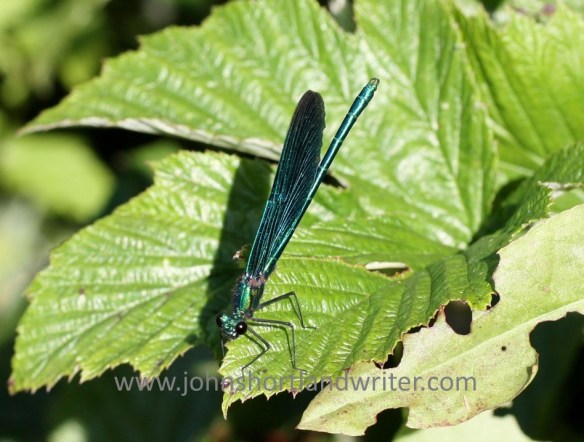
As a boy, brought up close to the River Thames, the hollow stems of the common reed were a regular source of pleasure for the soft pithy centre could be drawn out by pulling the stems through clenched teeth. Close to my present home there is also a small reedbed. These tall reeds have something to offer every one of the other senses too: sight – the pleasure of watching petrol-blue damsel-flies sunbathing on the stems; hearing – as they sway and rustle with the slightest breeze; touch – the coarseness of the leaves, a contrast to their smooth stems; smell – those of the river as it seeps around the roots, a heady mix of wet mud and wet greenery.

Only the male of the Beautiful Demoiselle damsel-fly has petrol-blue wings & body

So, within the bounds and restraints of the Covid-19 advice when out on your daily exercise, remove the earphones, place the phone in your pocket and use, really use, every one of your senses. Not only will you notice more, you will wonder how you never managed to notice them before. Stay safe, stay alert and take this unique opportunity to discover a new world on your doorstep.

Finally, one word of warning. Only try tasting wild plants if you are confident they have been identified correctly. If you decide to forage, do so responsibly and only pick a few leaves at a time. Make sure that all plants for consumption are free of pesticides and other contaminants, especially those growing in or near water.