Moving Into Autumn

The autumnal equinox has just past and with it comes those rare, clear and sunny days when the outdoors beckons, and your senses become alive to every detail.  Perhaps it is because you’re all too aware that soon there will be many days when the countryside is shrouded in a clinging, wet mist that takes hours to lift, if it does at all.  An early-start walk is all the better for several reasons: the light is extraordinary, the air clear, and there are few, if any, people out and about. Perhaps, best of all, with the shortening days, early isn’t at some God-forsaken hour 😉

Early morning sunshine…

From our little, Cotswold stone-built house it is only a matter of yards to the river.  Unlike the true days of Autumn, the river is also clear.  All too soon, the warmth mixing with the cool will see the vapours rise, often hiding the surface and sometimes blanketing the whole valley.  Today, despite the frequent rain showers we’ve been having the water levels are low, there are no birds singing and I have only a sentinel heron to share it with.  Dismayed at my appearance, he flies off lazily with a scolding, harsh croak only to settle a few yards further away to watch me as I pass.  No sooner have I done so than he returns to his favoured spot to continue his hunt for crayfish.

The heron rose with a harsh croak…

Although the sun is shining, it is still set low in the sky, casting lengthy shadows and intensifying the first changes of colour in the trees.  As it climbs higher, so the colours will appear to fade and the shadows shorten, and another part of the early-morn magic will be lost for another day.
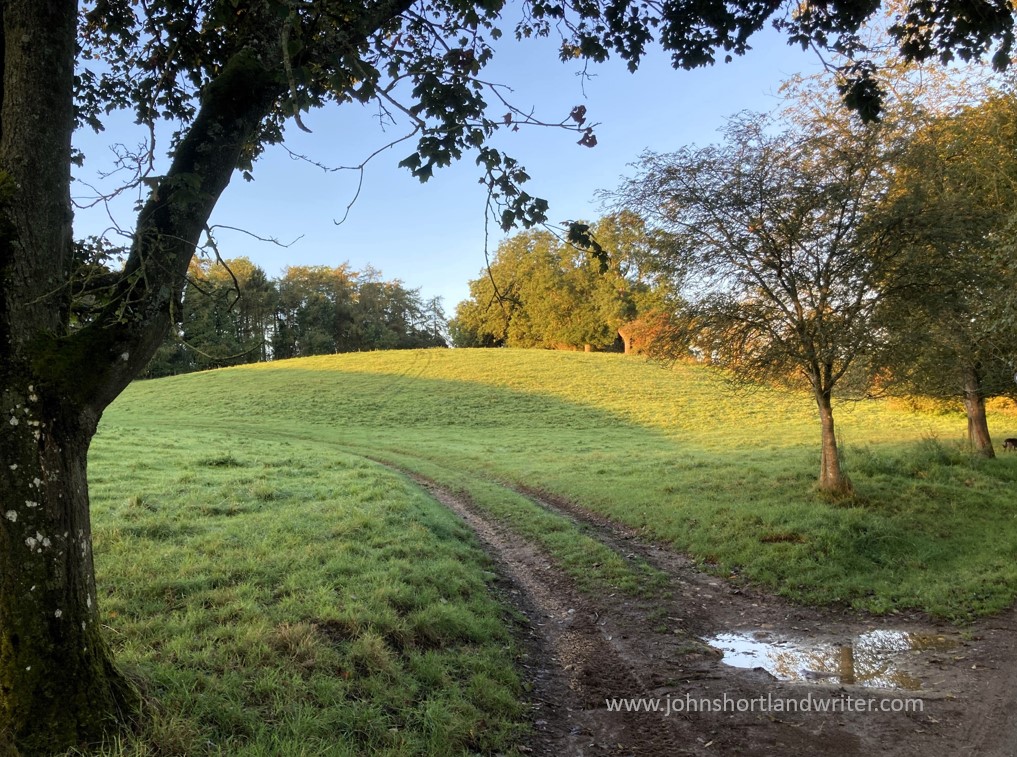
First hints of autumn…
The long shadows of early morn…

Reaching the plantation, the sun filters through the still-densely clothed branches, diffusing the light and giving it the look of an Impressionist painting.  Perhaps this is how Monet got his inspiration when looking at his waterlily pool.  The path stretching ahead just invites you to walk onwards.  At its end, where it meets the lane, the first of the stone houses in the nearby village remain silent, as do they all, for their occupants are still either asleep or not yet venturing out.  They are missing so much but I relish the silence and glad that it isn’t disturbed by the sounds of civilisation.

Almost, if not quite, an Impressionist painting!
Cotswold stone cottages

There are four lanes that lead into the secret valley.  The one that I now take is little used and the grass grows thickly in its centre.  Another is similar and, with no passing places for a mile should you meet another vehicle, only those with good reversing skills tend to use it.  Occasionally a ‘lost’ driver attempts it, thinking it will be a short cut to their intended route, only to end up traumatised by the experience.
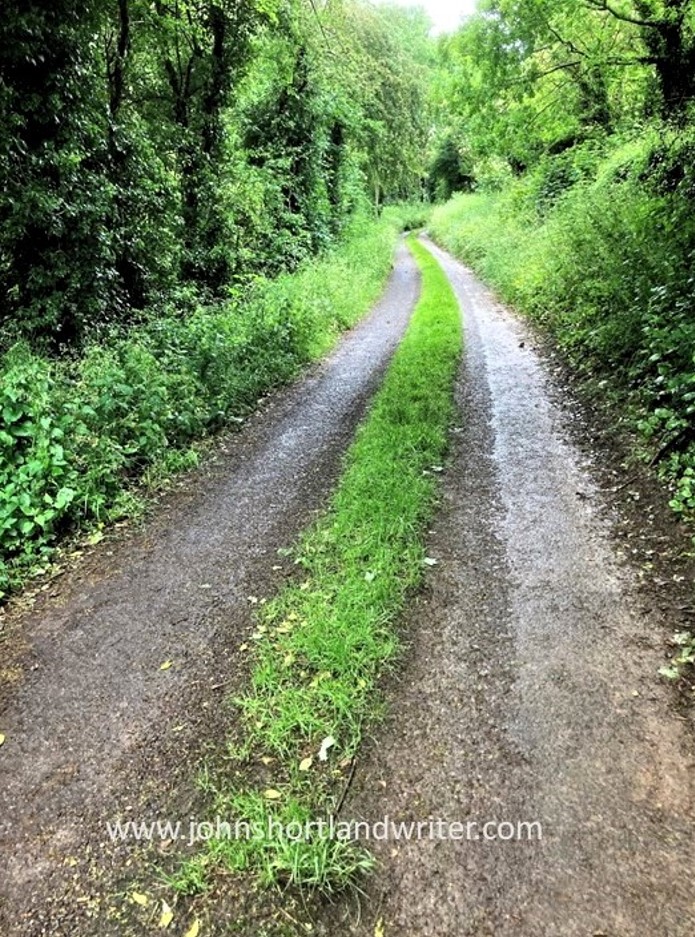
One of the little-use lanes out of the secret valley…

All along the lanes, the banks and hedgerows are thick with berries and the fading flowers of summer.  Every year I intend to make a note of what I see but, although I never do, I can be fairly certain of seeing the same late bloomers, sometimes right though to Christmas.  These single flowers are extra-special, as they cling onto life reminding us of their glories past and giving us hope for the following year.

l-r top: hawthorn berries, crab apples, campion
l-r bottom: cranes-bill, prickly sow-thistle

I have reached the cattle sheds now at the top of the hill above my cottage.  Large and airy, they are empty and silent now for the livestock is still out in the fields and making the most of the last of the summer grazing.  By Christmas if the season is reasonably mild and dry, or sooner if not, they will be brought in to be kept dry, warm and fed.  The barns surrounding the sheds are stacked high with straw and hay, their bedding and feed – in a good year, there will be enough to last the winter however long it maybe; in poor summers extra will need be purchased for they will not be returned to the valley’s water-meadows until they have calved and the weather is right.

Enjoying the last of the good weather…

It is a short downhill walk to home now.  Within minutes I will be back, the kettle on and looking forward to a well-deserved breakfast.
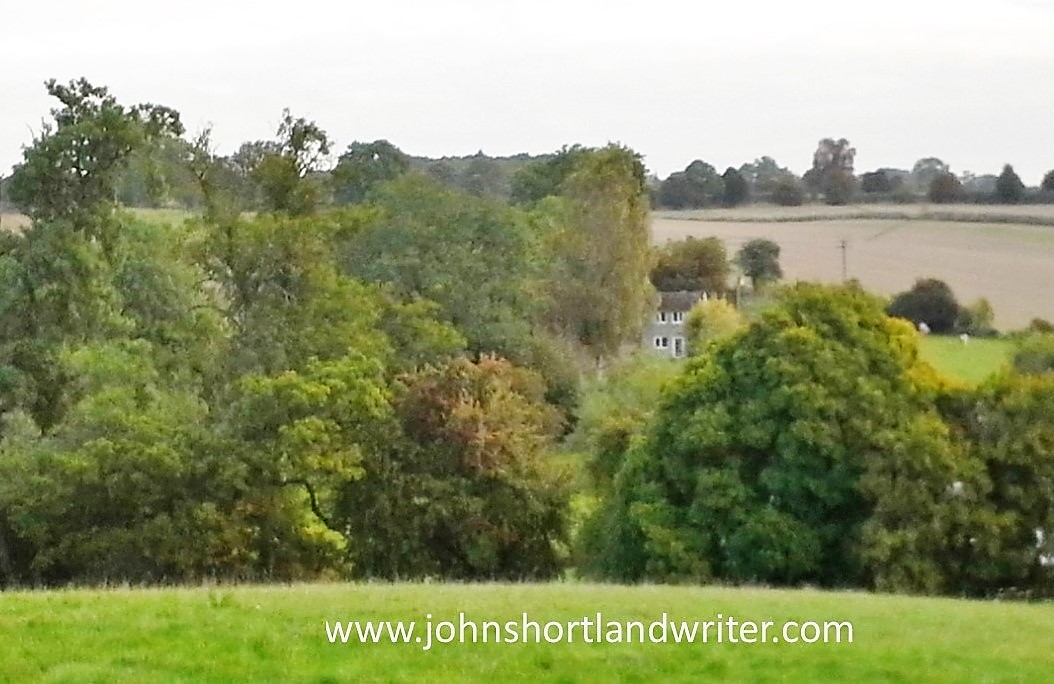
Home sweet home…and breakfast!

.

.

.

The Year in Review: January – June 2016

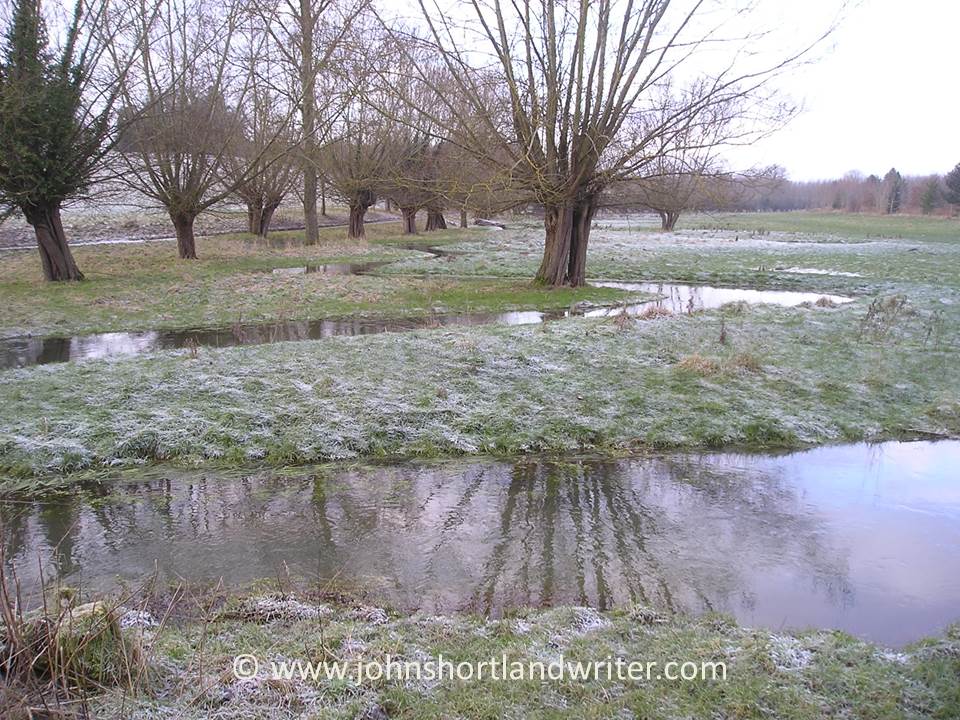
As always the year has flown by to leave us with much uncertainty and sadness in the world.  Fortunately, life in the secret valley continues pretty much the same – it is easy to find relief from everyday stresses when surrounded by unspoilt countryside.  Rarely does a day pass when I don’t count my blessings for having had a rural upbringing and the opportunity to continue to live and work in such beautiful surroundings.frost-4-copyright

However, I am no hermit and I enjoy visiting other places – even cities!  One city I loved when I visited it some years ago was Stockholm, the capital of Sweden and I began the blogging year with a post about the Skansen open air museum.  Skansen was the first tomove and preserve traditional, threatened buildings; it was founded as early as 1873.  As well as buildings it also houses a zoo, concentrating on breeding native wildlife for reintroduction schemes including the European Bison which had become extinct in the wild.  To see more of the buildings click on the link here.8  Sweden. Skansen   copyright13 Sweden.  Skansen   copyright

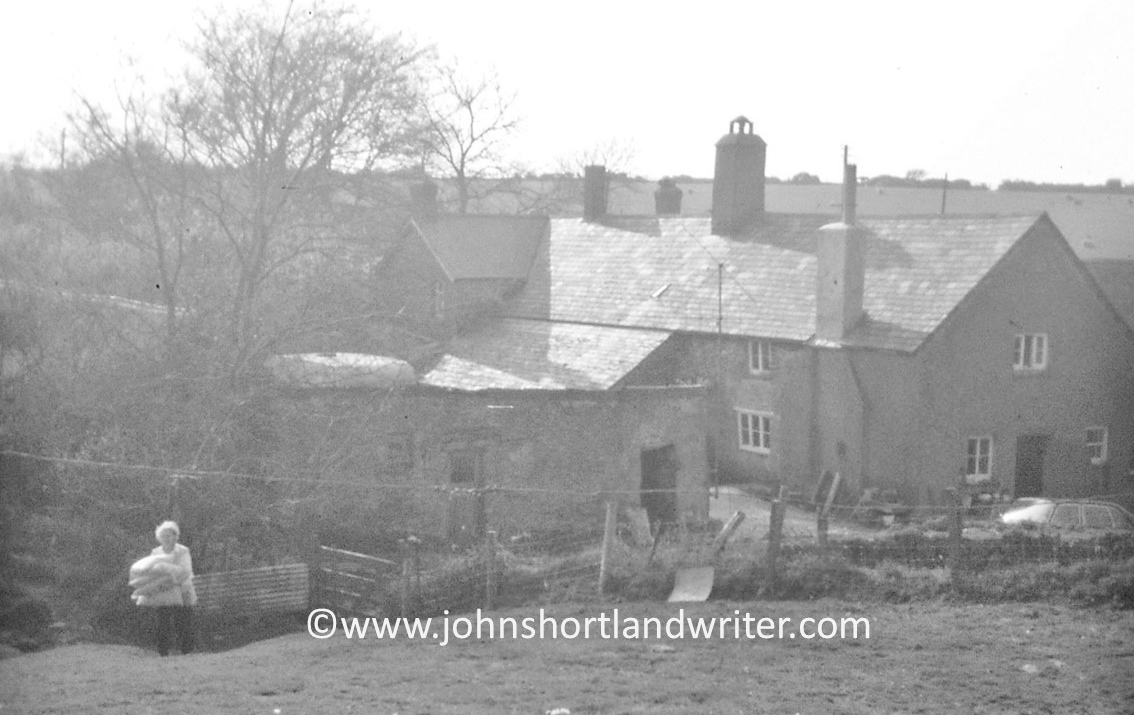
Exmoor is a second home to me and features regularly on my blog.  In March, with some misgivings – for why would I want to share such a magical place – I took readers on my favourite walk, one that wouldn’t be found in any guide book.  The walk encompasses all that is best on Exmoor: open heather moorland, deep wooded combes, rushing streams and traditional pubs.  It also passed the door of the hill farm where I turned up as a lad looking for work after leaving school.  I was taken in and cared for – and made to work hard – and, well read the story by clicking on the link here.Above Brendon Barton (2)   copyrightLil @ Brendon Barton 1968   copyright

April saw me back on the Continent (as we Brits call Europe).  This time in the south of France visiting the ancient town of Lombez.  It is far from the tourist routes and we discovered it quite by chance.  With its ancient, timbered buildings and wonderful, brick built cathedral it deserved a longer visit than we were able to give it.  An excuse for a return trip, perhaps?  In the meantime, you can visit it by clicking on this link here.Lombez (22)   copyrightLombez (4)   copyright

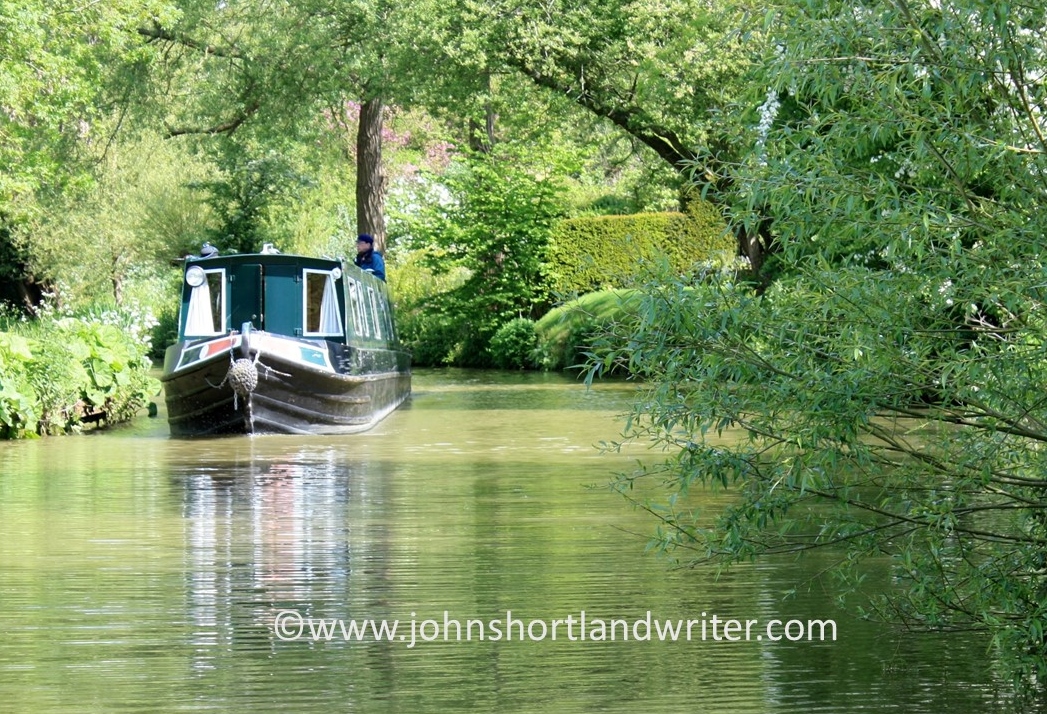
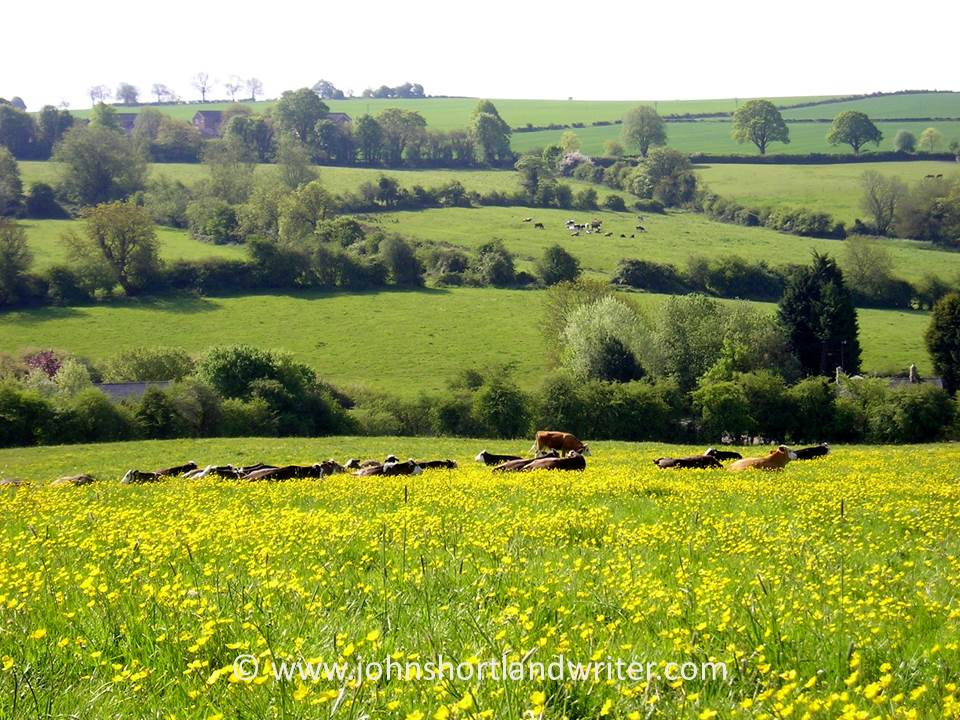
If April saw us travelling slowly through France, May saw us travel at an even slower pace – by longboat on the Oxford Canal.  Passing through traditional buttercup meadows – we were miles from the city of Oxford – and in glorious sunshine it was the perfect way to relax as well as to see the wildlife that seemed oblivious to our passing.    Click on the link here to see more.016   copyright076   copyright

Our native butterflies struggle to thrive but I have been fortunate in living in places where they prosper reasonably well.  As a gardener, (both my hobby and my profession), I probably see more than most and in June I wrote about the species that visit gardens.  See how many you can identify  in your own garden by clicking on the link here and don’t forget to record them with your local conservation trusts or online.Comma Butterfly (2)   copyright

2017 may well prove to be a year that none of us forget too easily.  Travel abroad or in the countryside – and the British countryside is second to none – always helps to refresh the spirits.  I have numerous plans for the year ahead and hope that you will be joining me month by month.  In the meantime, the review of the second half of this year will follow shortly and don’t forget that images of the Cotswolds and other places I visit are updated regularly on my Facebook page and on Flickr.  You can also find me on Twitter @johnshortlandwra typical Cotswold scene   copyright


A Day on the Oxford Canal

There’s nothing like messing about in boats on a warm, late spring day…

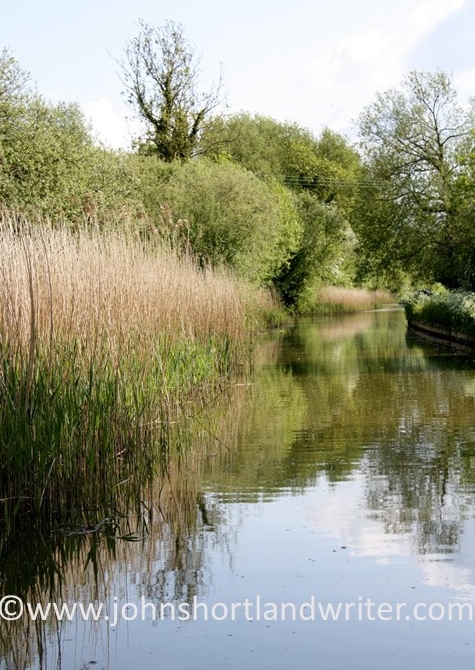
The building of the Oxford Canal was first brought into action with the passing of an Act of Parliament in 1769.  Beset with difficulties – mostly financial – its total 78 mile length wasn’t completed until 1790.  Linking the industrial Midlands region of England with the south of the country, the cost-cutting that was required has allowed the canal to claim it is one of the most scenic.   This is partly due to the canal following the contours of the land giving the canal numerous bends, rather than the more usual (and more expensive) building method of cutting a straight line through the landscape.

003   copyright

Although the northern section from its start at Coventry to Napton was straightened in the 1820s, the southern section to its end at Oxford where it enters the River Thames (giving access to London) remained unchanged.

016   copyright

Once completed the canal became one of the busiest and most profitable in England and, unlike many others, prospered even after the coming of the railways.  Barges carrying coal to London were still plying their trade as late as the early 1960s.  Today, the railway rules and often follows the same route.

058   copyright

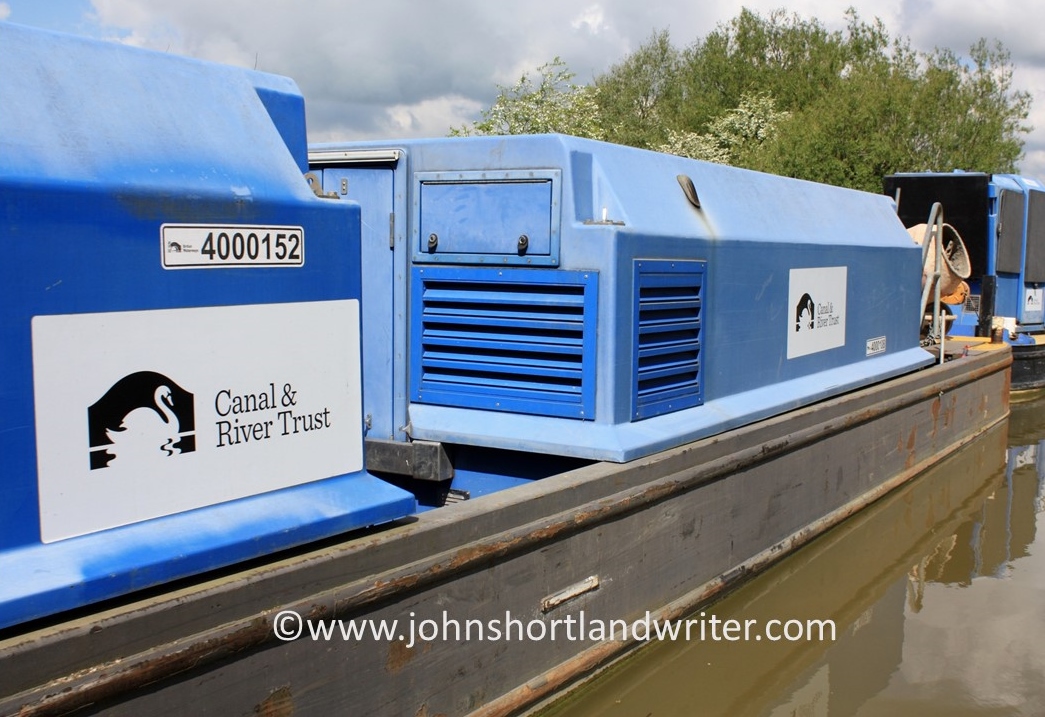
However, the Oxford Canal is still one of the busiest waterways in the country, only now with leisure traffic.  On the day of our attempt at barging it was pleasantly quiet and we shared the canal with few others. The only hint of an industrial past was the working barges of the Canal & River Trust, the charity responsible for maintaining the two thousand miles of waterways in England and Wales.

025   copyright


Travelling at a speed slower than walking pace isn’t for everyone – I found it a little frustrating – but it does give ample opportunity to admire the scenery, buildings and wildlife.  The tithe barn at Upper Heyford, built around 1400AD, is magnificent.  More images of the barn, which is privately owned, can be seen by clicking here.


130   copyright

076   copyright

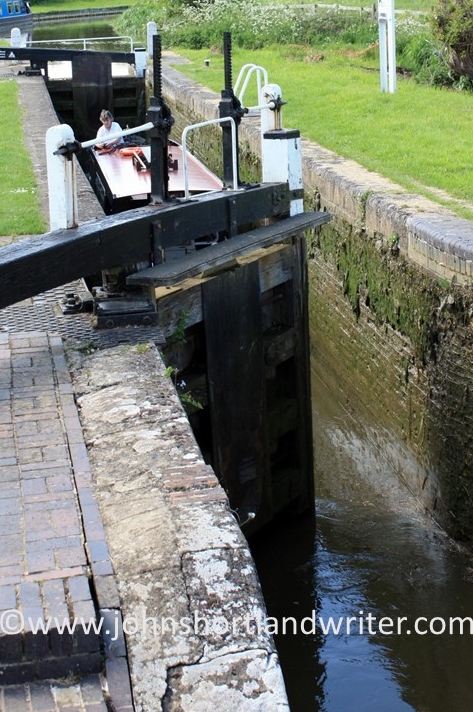
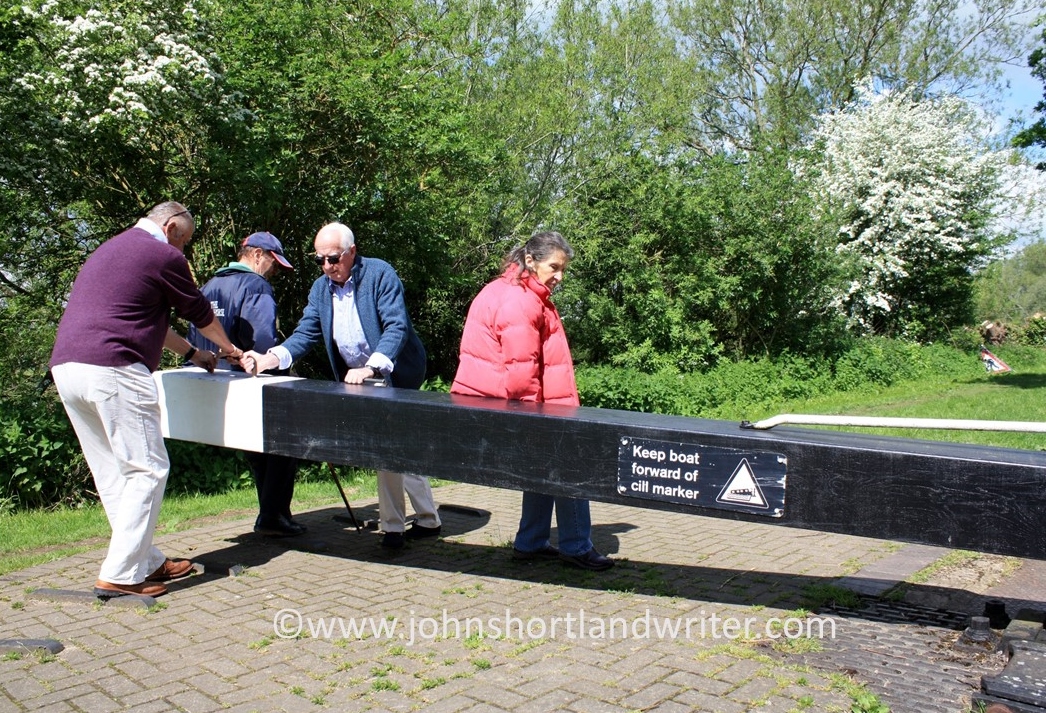
One of the cost-cutting methods used in construction was to incorporate a section of the River Cherwell into the canal.  The problem that this created with variable water flow is still an issue today.  Another saving more readily visible are the locks: fewer in number and deeper, many have single gates instead of the more usual two.

096   copyright

023   copyright

Manoeuvring such a large boat is a surprisingly quick skill to master but there are always other, more savvy boat people around that are happy to assist or advise when needed.  Our boat was hired from the yard at Little Heyford and we travelled north, meeting up with friends for a bankside picnic before returning to the marina.

101   copyright

A daytrip – or perhaps a longer holiday on a barge – is definitely to be recommended even though I found the pace a little too slow.  The next time I am on one I shall remember the words of Pooh, that wisest of bears:  “Rivers know this: there is no hurry.  We shall get there one day.”

133   copyright

Click on any of the photos to enlarge

Links:

The Oxford Canal – a more detailed history

The Canal & River Trust

Boat Hire – Lower Heyford