Moving Into Autumn

The autumnal equinox has just past and with it comes those rare, clear and sunny days when the outdoors beckons, and your senses become alive to every detail.  Perhaps it is because you’re all too aware that soon there will be many days when the countryside is shrouded in a clinging, wet mist that takes hours to lift, if it does at all.  An early-start walk is all the better for several reasons: the light is extraordinary, the air clear, and there are few, if any, people out and about. Perhaps, best of all, with the shortening days, early isn’t at some God-forsaken hour 😉

Early morning sunshine…

From our little, Cotswold stone-built house it is only a matter of yards to the river.  Unlike the true days of Autumn, the river is also clear.  All too soon, the warmth mixing with the cool will see the vapours rise, often hiding the surface and sometimes blanketing the whole valley.  Today, despite the frequent rain showers we’ve been having the water levels are low, there are no birds singing and I have only a sentinel heron to share it with.  Dismayed at my appearance, he flies off lazily with a scolding, harsh croak only to settle a few yards further away to watch me as I pass.  No sooner have I done so than he returns to his favoured spot to continue his hunt for crayfish.

The heron rose with a harsh croak…

Although the sun is shining, it is still set low in the sky, casting lengthy shadows and intensifying the first changes of colour in the trees.  As it climbs higher, so the colours will appear to fade and the shadows shorten, and another part of the early-morn magic will be lost for another day.
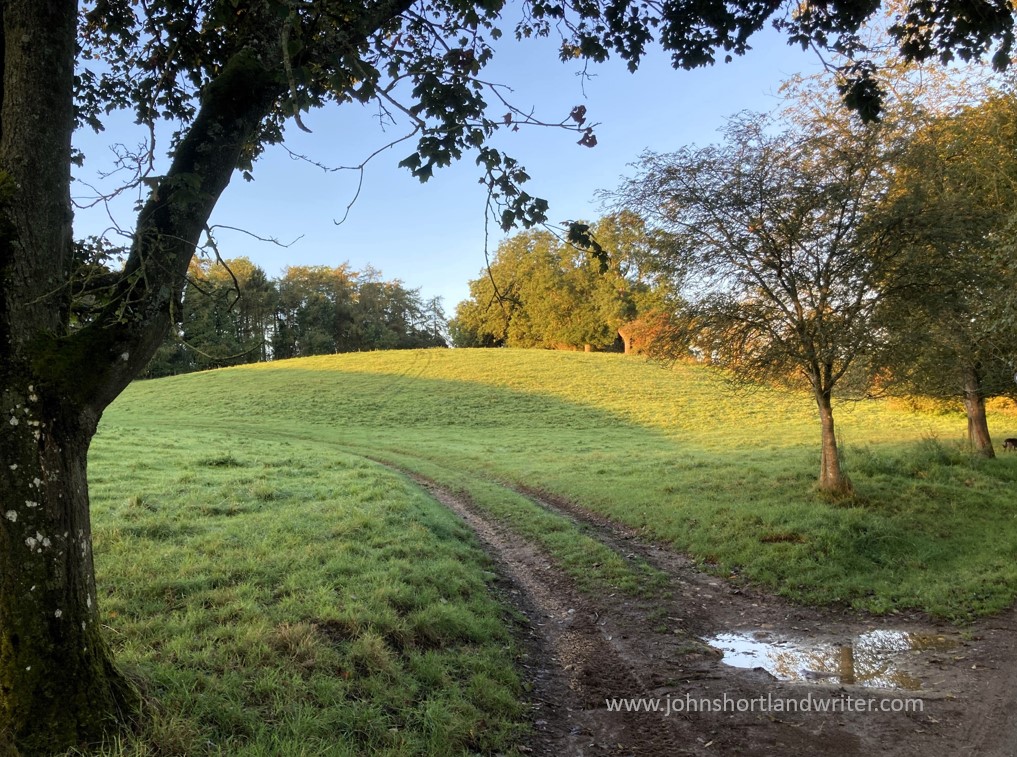
First hints of autumn…
The long shadows of early morn…

Reaching the plantation, the sun filters through the still-densely clothed branches, diffusing the light and giving it the look of an Impressionist painting.  Perhaps this is how Monet got his inspiration when looking at his waterlily pool.  The path stretching ahead just invites you to walk onwards.  At its end, where it meets the lane, the first of the stone houses in the nearby village remain silent, as do they all, for their occupants are still either asleep or not yet venturing out.  They are missing so much but I relish the silence and glad that it isn’t disturbed by the sounds of civilisation.

Almost, if not quite, an Impressionist painting!
Cotswold stone cottages

There are four lanes that lead into the secret valley.  The one that I now take is little used and the grass grows thickly in its centre.  Another is similar and, with no passing places for a mile should you meet another vehicle, only those with good reversing skills tend to use it.  Occasionally a ‘lost’ driver attempts it, thinking it will be a short cut to their intended route, only to end up traumatised by the experience.
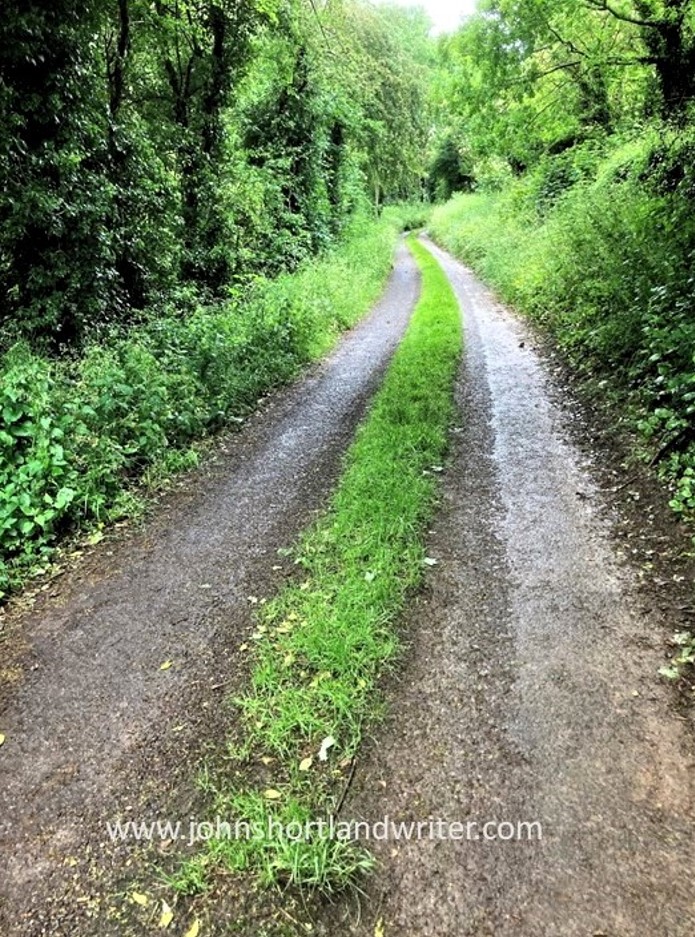
One of the little-use lanes out of the secret valley…

All along the lanes, the banks and hedgerows are thick with berries and the fading flowers of summer.  Every year I intend to make a note of what I see but, although I never do, I can be fairly certain of seeing the same late bloomers, sometimes right though to Christmas.  These single flowers are extra-special, as they cling onto life reminding us of their glories past and giving us hope for the following year.

l-r top: hawthorn berries, crab apples, campion
l-r bottom: cranes-bill, prickly sow-thistle

I have reached the cattle sheds now at the top of the hill above my cottage.  Large and airy, they are empty and silent now for the livestock is still out in the fields and making the most of the last of the summer grazing.  By Christmas if the season is reasonably mild and dry, or sooner if not, they will be brought in to be kept dry, warm and fed.  The barns surrounding the sheds are stacked high with straw and hay, their bedding and feed – in a good year, there will be enough to last the winter however long it maybe; in poor summers extra will need be purchased for they will not be returned to the valley’s water-meadows until they have calved and the weather is right.

Enjoying the last of the good weather…

It is a short downhill walk to home now.  Within minutes I will be back, the kettle on and looking forward to a well-deserved breakfast.
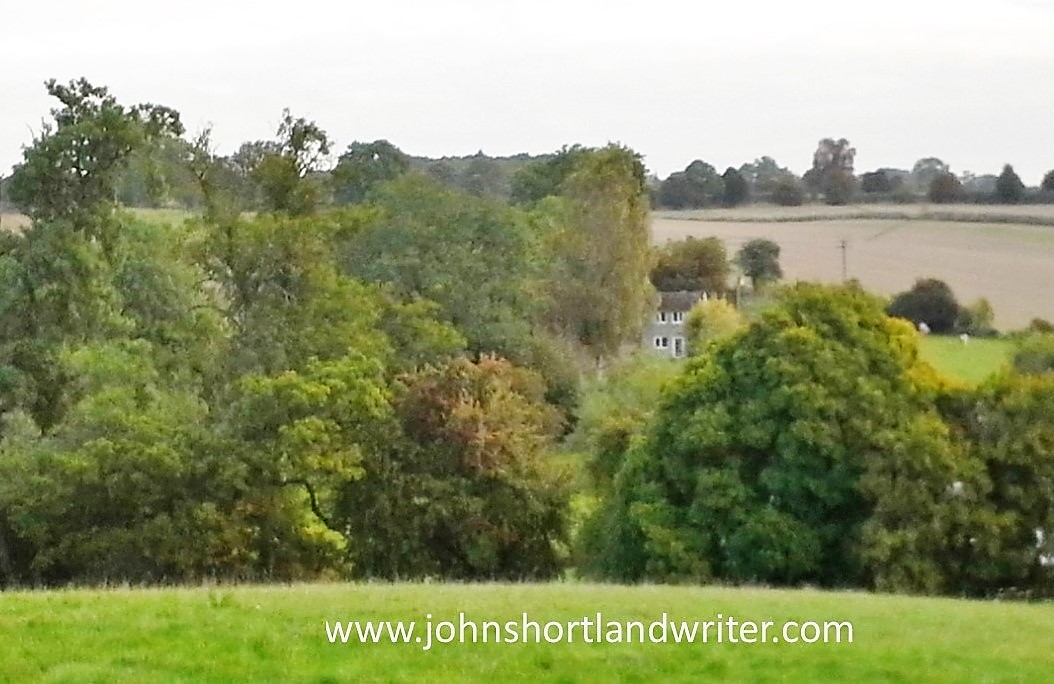
Home sweet home…and breakfast!

.

.

.

The Year in Review: July – December 2016

The second half of 2016 went just as quickly, if not quicker than the first.  No sooner have the nights drawn out than Midsummer Day is upon us and, gradually at first – and then rapidly – the nights close in on us.  In England our really warm summer weather does not arrive before July and with luck extends well into October.  In bad years it never really arrives at all. blewbury-manor-copyright

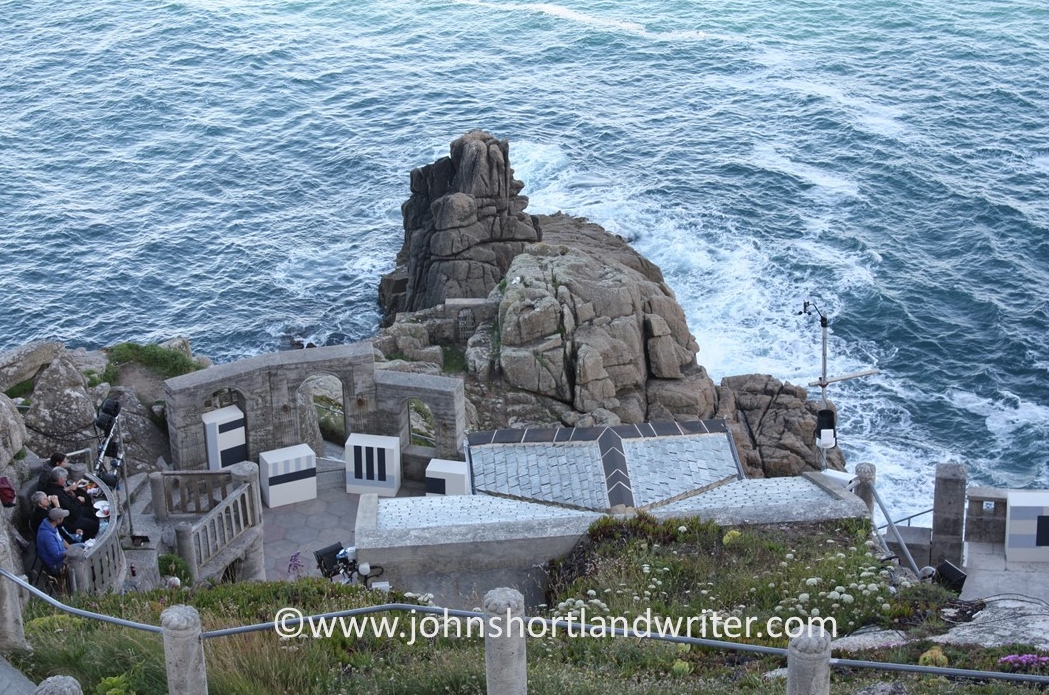
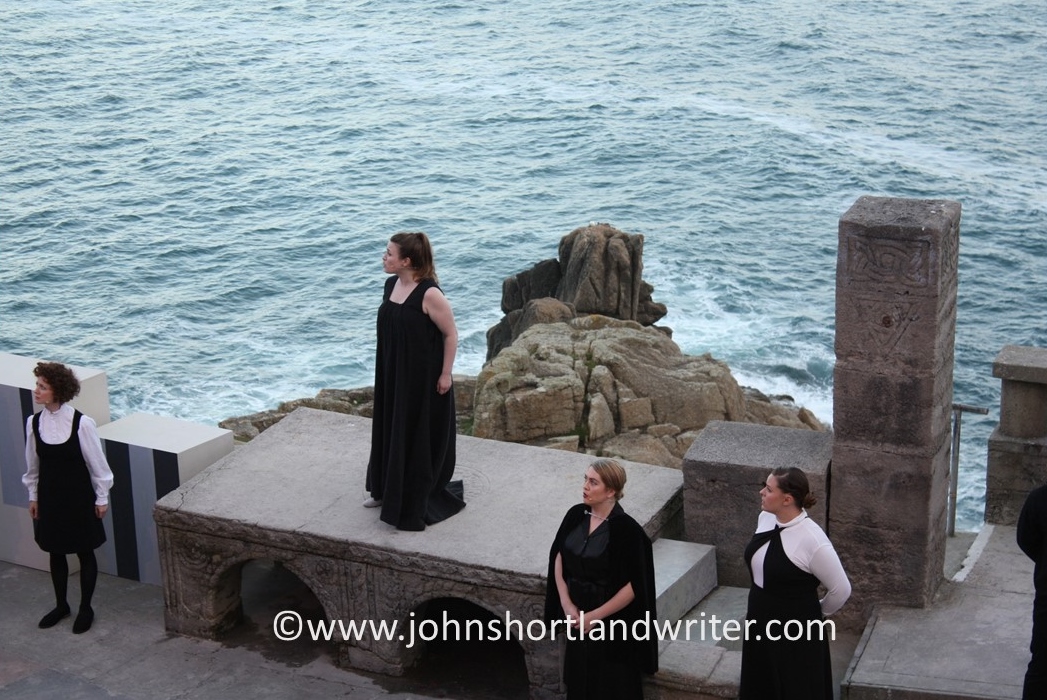
In July I travelled just about as far west as is possible in the UK for a few days holiday in Cornwall.  Cornwall is a land of contrasts with picturesque, small fishing villages, spectacular cliff walks and golden, sandy beaches.  Inland, the scenery is bleak moorland with granite outcrops and the houses  appear to squat low in the landscape to shelter from the gales that sweep in off the Atlantic.  Luckily, the evening we went to the Minack Theatre was warm with only the lightest of sea breezes.  Lucky because the theatre is carved into the cliff face.  The idea of Rowena Cade, in the 1930s she and her gardener spent a winter moving rocks and to create a stage and seating.  This Herculean effort was more than worthwhile, it was… well, click here to see for yourself.169   copyright172   copyright

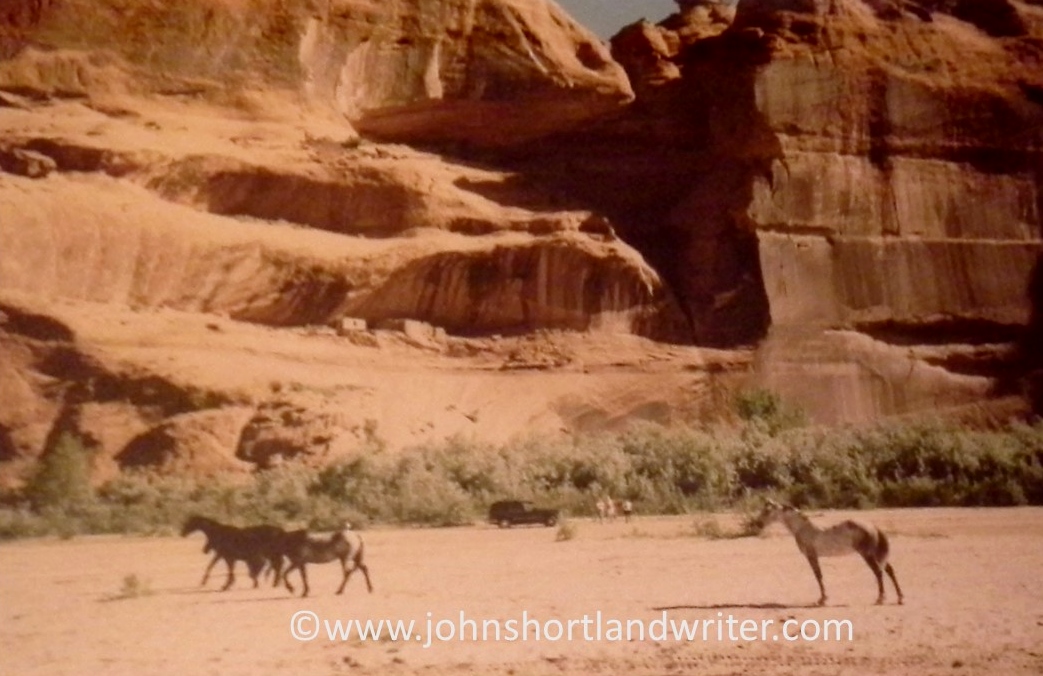
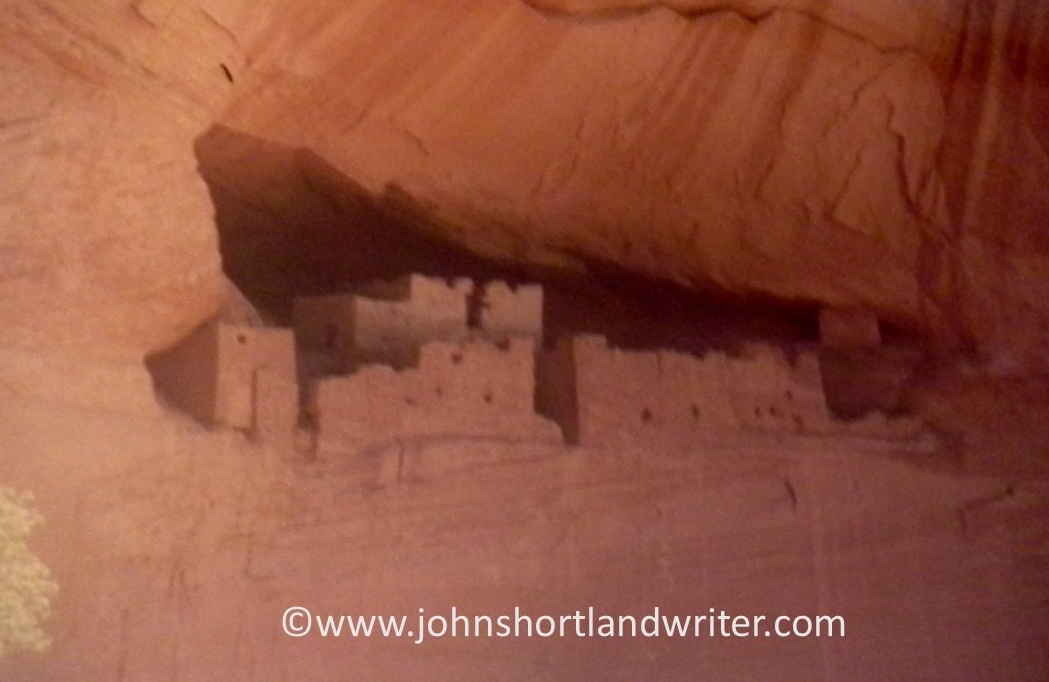
August saw me on the other side of Atlantic Ocean in the American State of Arizona visiting another cliff-face achievement, the Canyon de Chelly.  The houses of the Anasazi people were carved out of the sheer rock face hundreds of years ago and can only be reached by precarious toeholds.  Today it is the home of the Navajo.  The canyon is unique amongst the National Parks of America for it is the only one that is… check this link to find out what.Canyon de Chelly (3)   copyrightCanyon de Chelly (5)   copyright

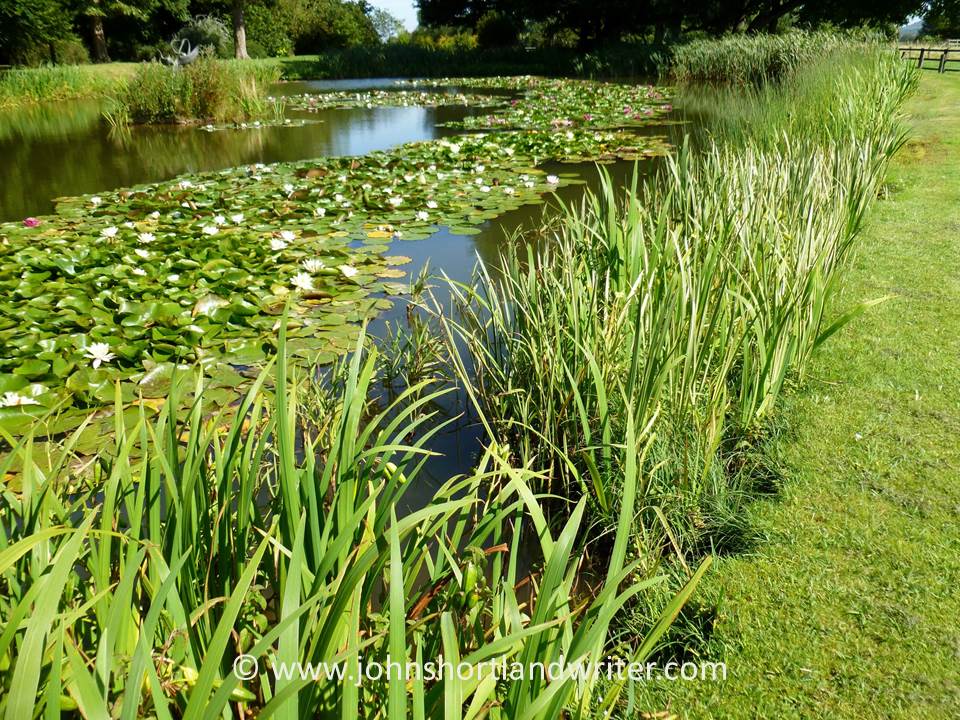
There is nothing like a bit of bragging and September saw me unashamedly showing off about the small lake I created some years back.  These days, it looks as if it has been there forever and is home to numerous wild duck, fish and small mammals.  Originally a rubbish dump click here to see how it has been transformed.pond-build-3-copyrightpond-2-copyright

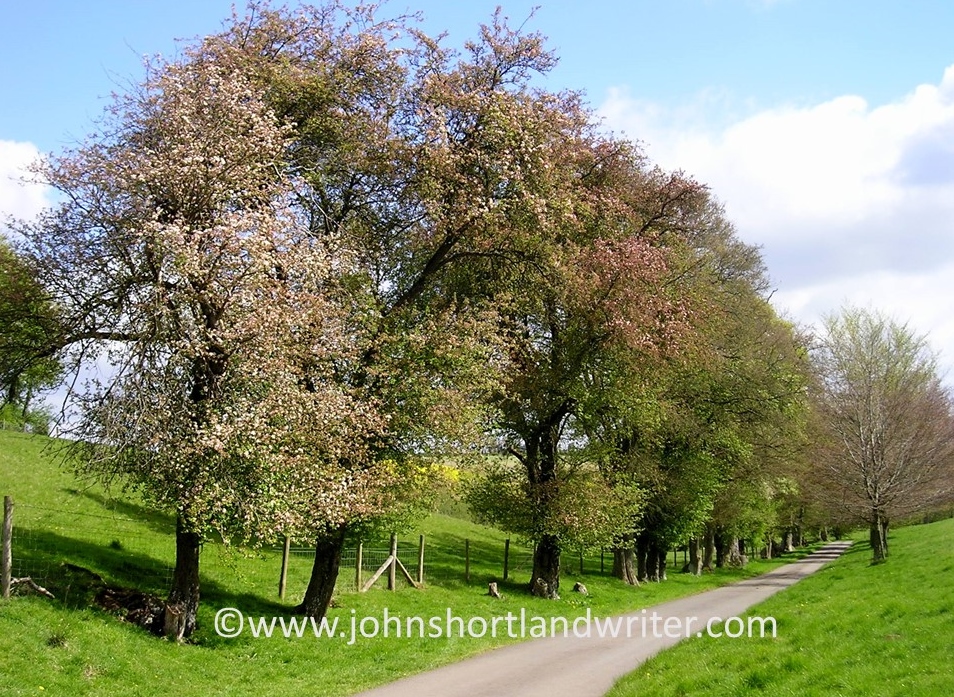
I am always telling you how beautiful our Cotswold Hills are and how lucky I am to live in the middle of the secret valley, away from traffic and houses.  In October, I took you all on a virtual tour of the valley.  The crab-apple tree lined lane leads to the wonderfully winding river that features on the blog header. After a mile of visual treats the lane narrows even more as it passes our tiny, stone cottage.  Occasionally, there is a traffic jam – but rarely by cars.  To take the tour again click here.secret-valley-2-copyrightcotswold-traffic-jam-copyright

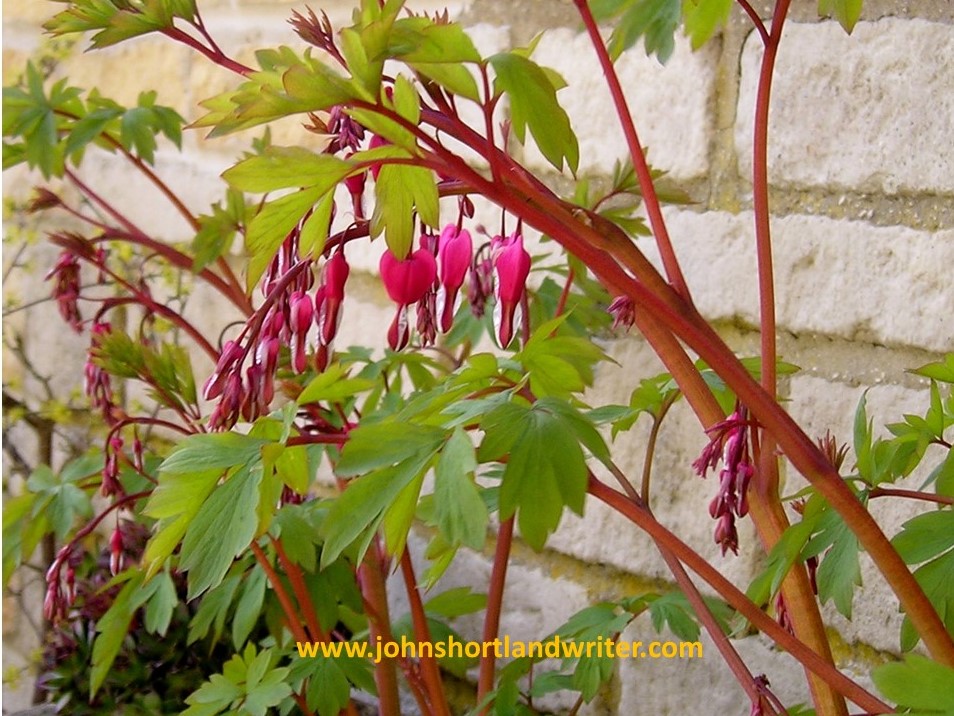
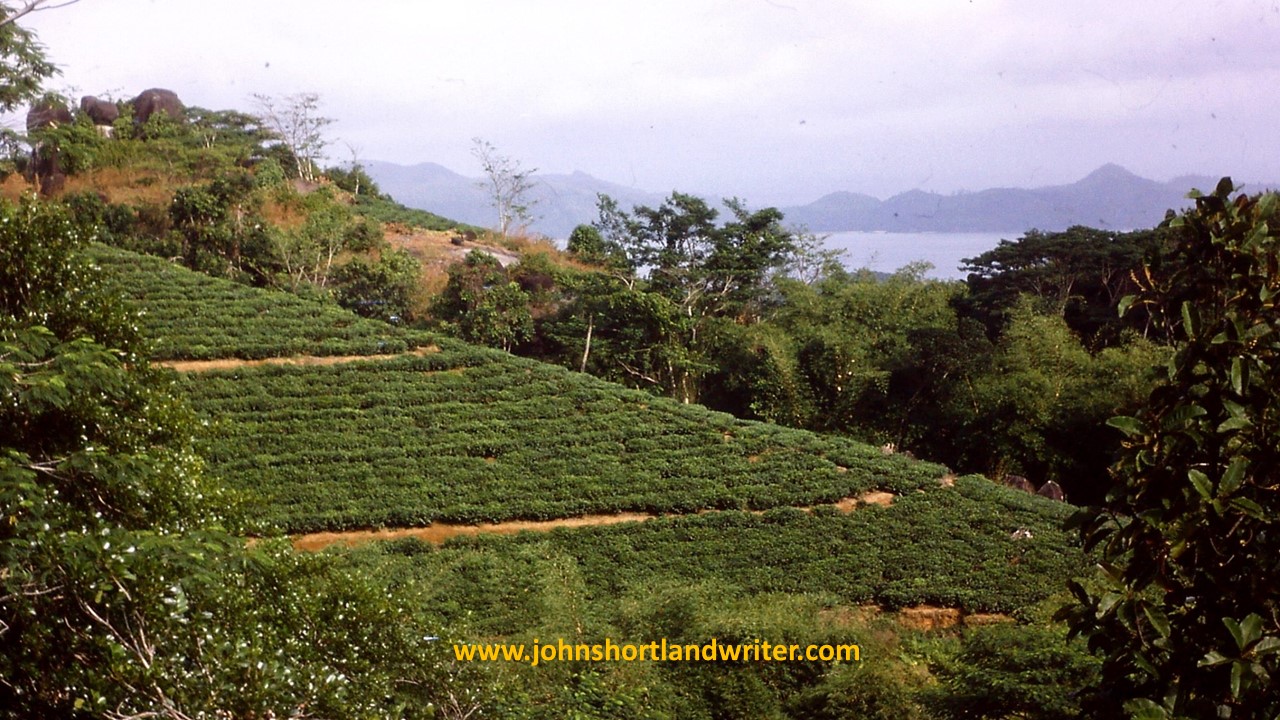
In November we went treasure hunting – looking for fortune in the garden.  We didn’t have to dig it all up, only walk around it for we were searching for plants originating in China and Japan.  The little-known story of how Robert Fortune, a 19th century dour Scotsman travelled to the for side of the world to fight with pirates before smuggling out what has become one of our most popular drinks is told here.dicentra-spectabilis-copyrighttea-plantation-copyright

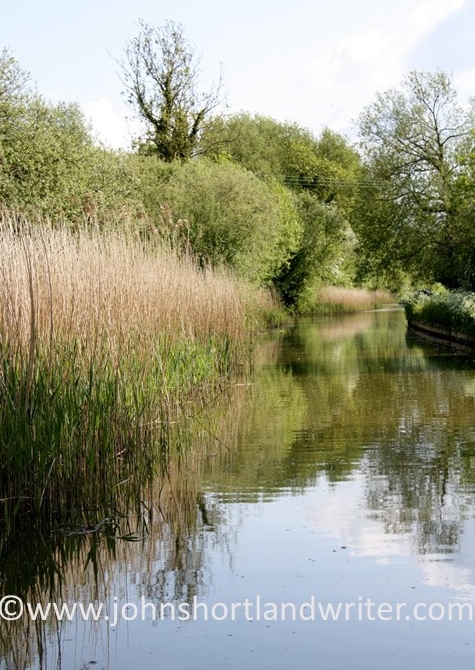
Travels  and ancient buildings in Sweden and the south of France, hidden Exmoor, and attracting butterflies to your garden all featured in December‘s review.  If that all sounds too exhausting, take a slow, slow canal longboat ride through the stunning scenery that can be found within a few miles of the university city of Oxford (here).133   copyright

2017 is seeing a lot of changes politically and culturally both here in Britain, in the USA and elsewhere in the world.  Some can’t wait for what will happen and others are dreading it.  Whichever ‘side’ you’re on, come and escape to Life in the English Cotswolds and the secret valley which will always be, hopefully, a little haven of peace.dorn-valley-copyright

Best wishes for 2017 and many thanks for your post -and future – support.

A Tour of the Secret Valley

Ask people – both here at home or abroad – how they imagine Great Britain to be, the answer is often the same: an overcrowded island. We do, of course, have our fair share of big cities, motorways and densely populated housing estates but it often comes as a surprise just how much unspoilt, open countryside remains. A few of us are lucky enough to live in it.

m40-stokenchurch-copyright

The M40 motorway where it enters Oxfordshire

rollright-stones-9-copyright

Less than two hours drive from the centre of London, the secret valley, seems more like a million miles away rather than just the eighty odd miles that, in reality, it is. Tucked down an unclassified side road and not shown on a number of maps, only those ‘in the know’ tend to visit it. Time for a quick tour.

secret-valley-3-copyright

The Secret Valley

The approach to the secret valley gives little hint of what’s to come. Lined with crab apple trees, the lane gently descends between a fold in the hills where, on the steepest banks, wild thyme, orchids and other wild flowers grow.

secret-valley-2-copyright

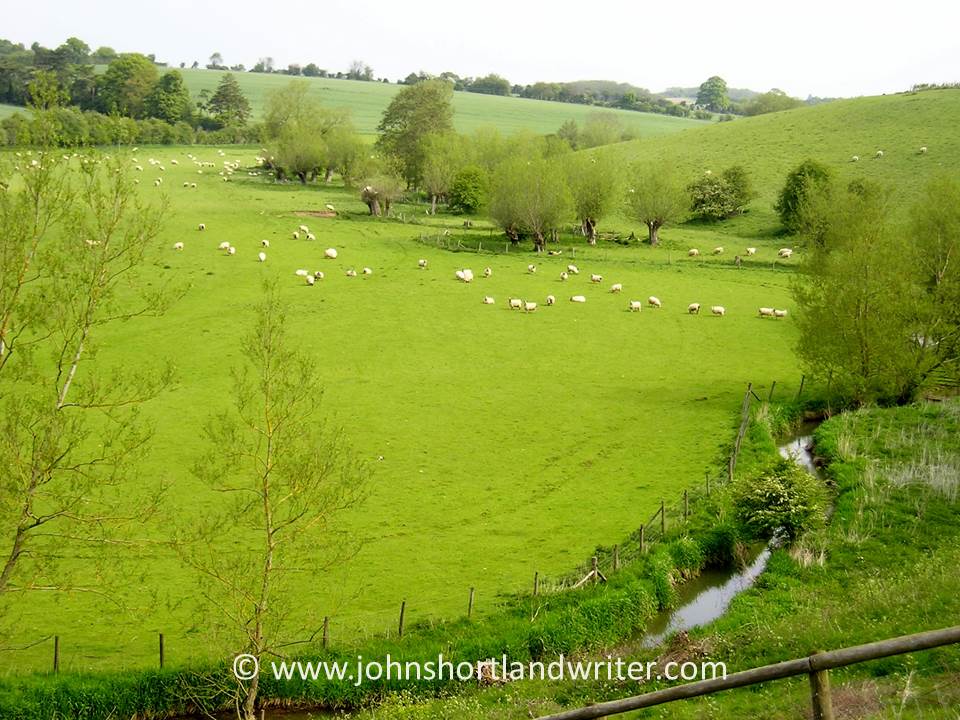
A bend in the road conceals the valley’s crowning glory: the most perfect, easily jumpable river (as can be seen in the header image of this blog page). Twisting and turning as it passes through meadows, in its shallows watercress grows where both trout and crayfish hide. By its banks willow pollards, now elderly and bent, wear garlands of wild roses; they grow from the tree crowns courtesy of seed dropped by birds generations ago.

willow-and-wild-rose-copyright

The lane, crossing the river, passes our tiny stone cottage and climbs towards the village – a cluster of nine houses, a farm and little else. Our home sits alone, down by the river bank, with just one other as companion. Here, the lane – barely wide enough for a combine harvester to pass – once was busy with drovers taking their cattle and sheep to the markets in Oxford.

combine-harvester-copyrightcotswold-traffic-jam-copyright

These days the drove road enters and leaves the secret valley by a different route, only its mid-section by our house is still in use. The ‘old road’, as it is known, can still be walked – its path clearly defined by the wild flowers and hedgerows that line it.

old-road-2-copyright

The river, too, has chosen a different route according to the earliest maps. Downstream from our house, it flows past wooded banks to widen into a small lake before passing through fields, these days marshy where the watermill’s sluice gates have decayed with age.

old-sluice-copyright

Further downstream still, where the sheep cannot graze, swathes of scented, moisture loving plants such as wild valerian – looking very different from the one grown in our gardens – provide nectar for insets and a hiding place for deer.

meadowsweet-valerian-copyright

a forest of Valerian & Meadowsweet

On the higher ground of the secret valley, the fields are cultivated with wheat, barley and oilseed rape. Even here, in the favoured places, wild flowers and birds of many types can be found: the diminutive hay rattle, a relic from the old farming days to ravens, buzzards and red kites, all now common again after centuries of persecution.

yellow-rattle-copyright

red-kite-6-copyright

Red Kite

Sounds idyllic? You’re quite right – it is!

rainbow-2-copyright