30 Years On – Sadness & Celebration (part two)

Earlier I wrote about the sadness felt within my family, as well as the wider community, at the closure of our small department store that bore the family name, Shortlands.  It had spanned the generations for almost one hundred years, firstly as Langstons – my great-grandfather’s surname, and then, after one of his sales assistants married the boss’s daughter, renamed Arthur Shortland.  Clever chap, my grandad!  Later still, during my tenure, the ‘Arthur’ was dropped.  I locked the doors for the final time thirty years ago this spring.  Last month seemed an appropriate time to celebrate its history and tell the story, not just of our family connection, but also of the incredible people that worked there over the decades.  It can be read in Part One by clicking on the link here.  I found the response to that blog incredible with so many people contacting me through my website or social media.  It was lovely, as well as humbling, to hear their memories and to know that Shortlands had not been forgotten after such a length of time.  Although I gave a hint in the blog, I was also asked what have I been doing since 1994.  In this post, Part Two, I bring the story up to the present date.
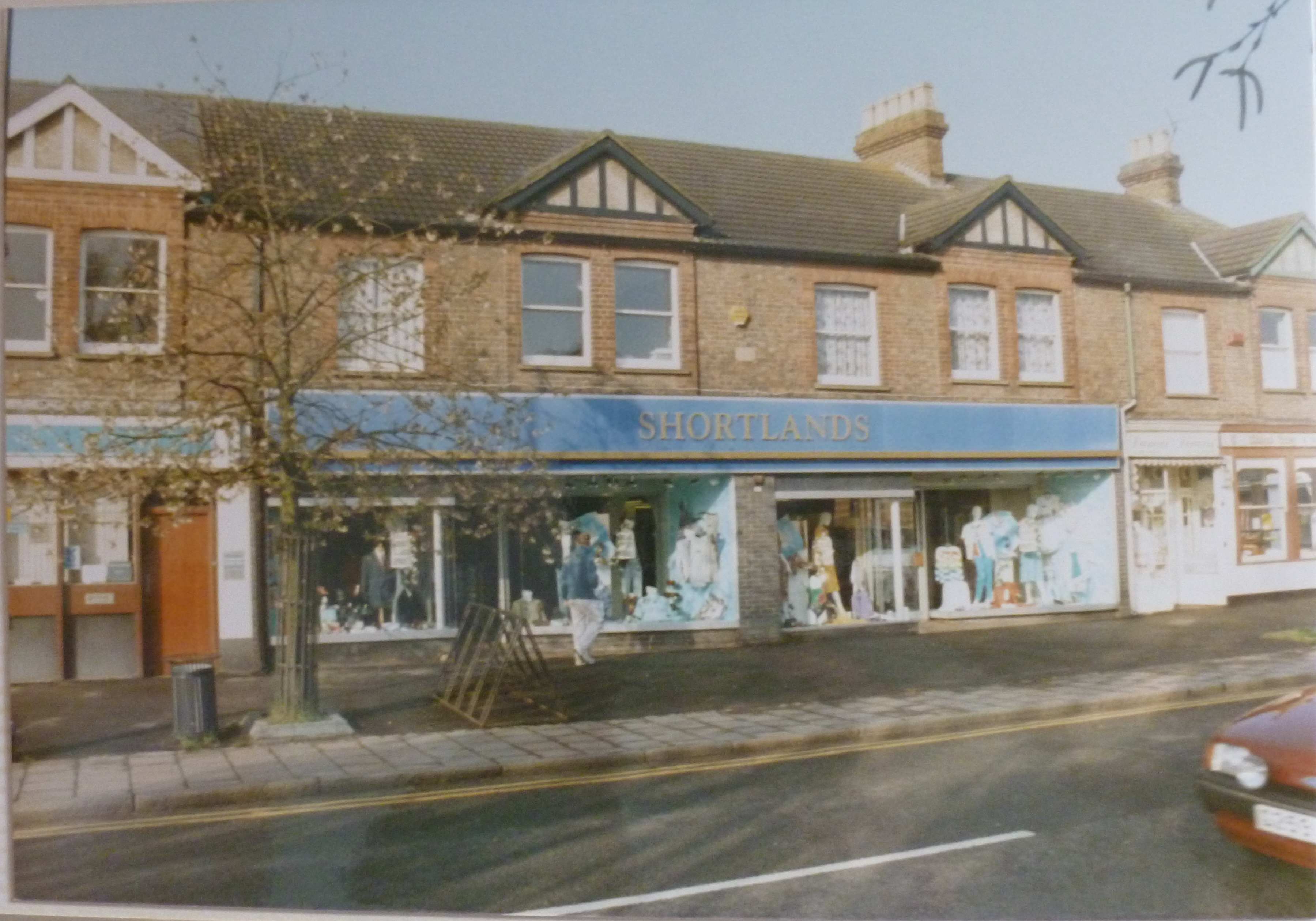
Shortlands Department Store 1994

A reaction to my choice of careers that I receive quite regularly is one of surprise.  Surprise that I once worked in the world of fashion, and wearing a suit and tie each day, or surprise that I am now working outdoors and wearing jeans and a t-shirt – although, I do have to look smarter on occasion [laughs].  When my retail career of twenty-five years ended, I was in my early forties and my future looked uncertain.  I toyed with various career plans, none of which appealed very much.  Unsure of what to do next, I decided to take a night class at our local agricultural college, Hall Place at Burchett’s Green.  Little did I realise, on the evening of my enrolment, that I would soon be working at the Chelsea Flower Show, working on a gardening series for Channel 4 television or travelling to Hungary, only recently free from Russian occupation, on a horticultural study tour.
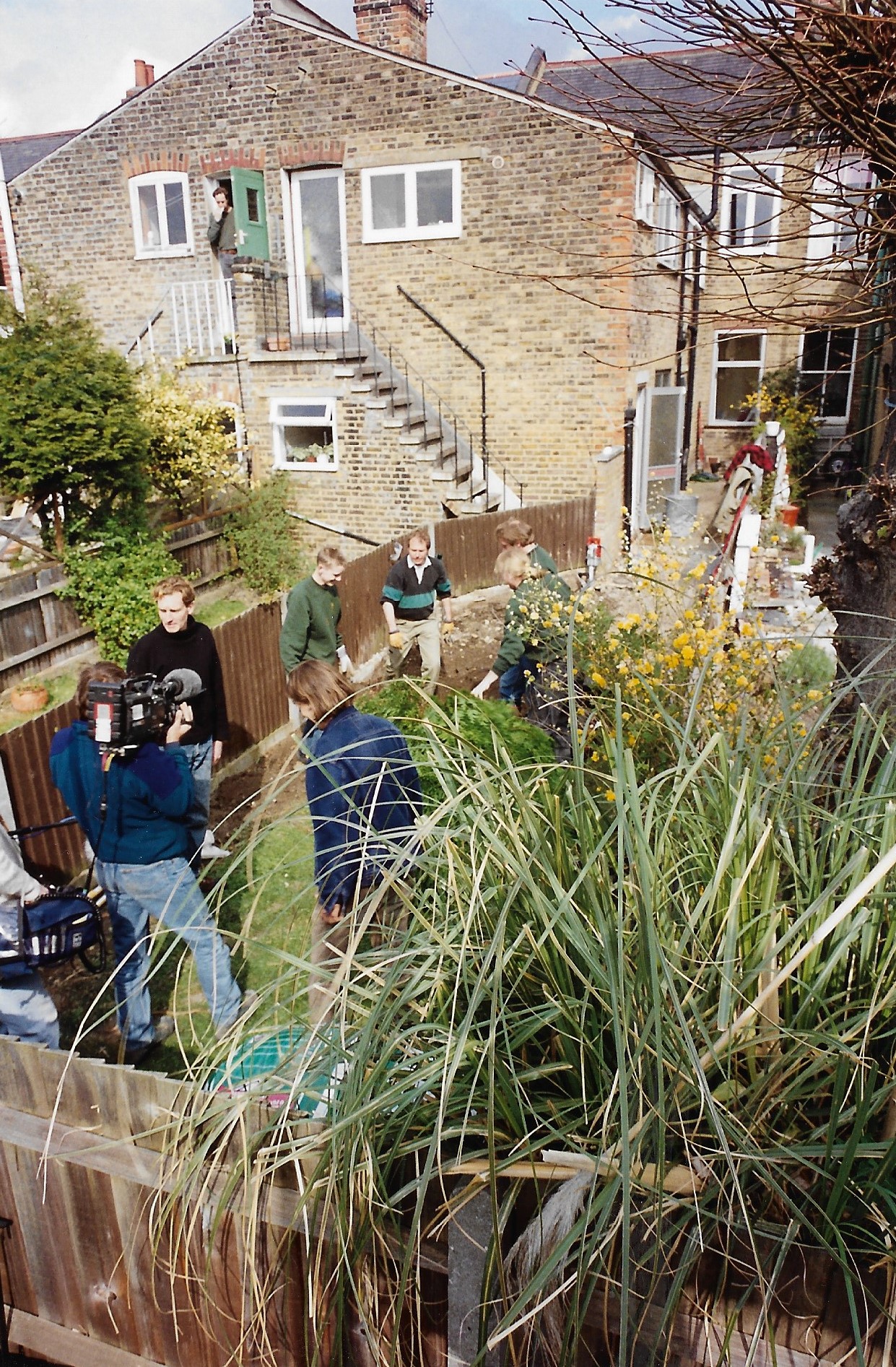
Filming with Channel 4 Television


My visit to Hall Place had ended not with a night class but a two-year, full-time crammer course in Horticulture where I studied Landscape & Estate Management.  Gardening had been the major hobby across the Shortland family for generations; I was the first in modern times to try and make a career of it.   Knowing I still had a mortgage to pay, and therefore failure wasn’t an option, I studied hard in a way that I had never managed in my school days and came away with a good qualification.  By then, I knew that I wanted to run gardens for large country estates.  I had the good fortune to be offered, during my training, a work placement with the Getty family, then the wealthiest in the world.  Their Head Gardener, Andrew Banbury, gave me various tasks and projects to carry out, frequently pushing me beyond my comfort zone.  I have a lot to be grateful to Andrew for.  When it was time for me to leave, I stepped straight into the role of managing gardens for a Swedish family who, again, were keen for me to develop further skills as well as their garden.  Over the next few years, I had the opportunity to develop an arboretum, create a lake and, best of all, to manage and develop a one-acre walled kitchen garden.
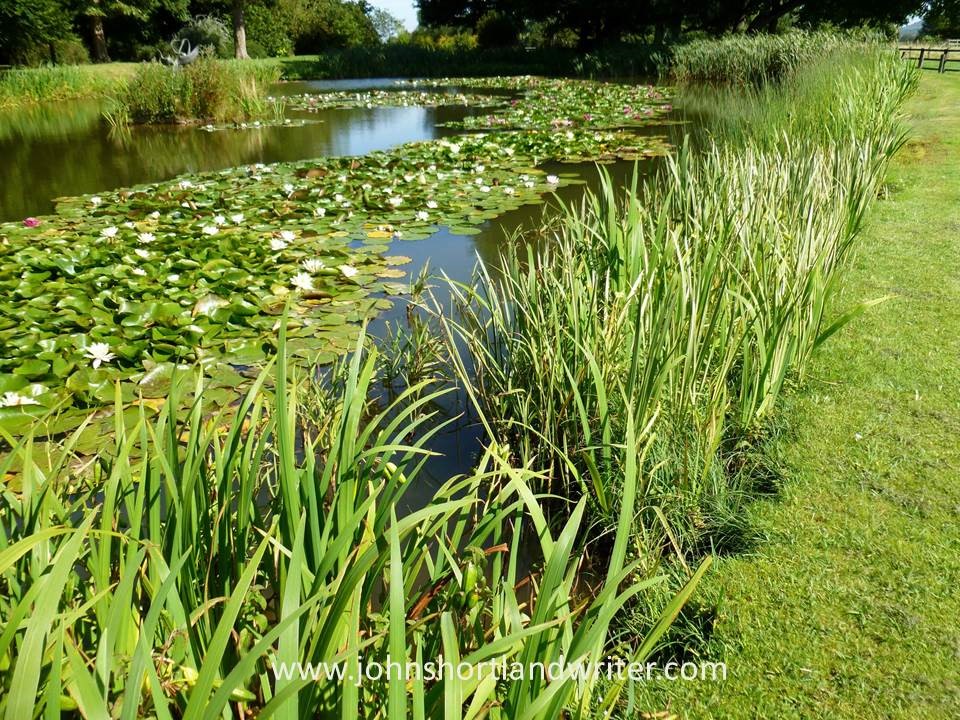
The new lake two years after construction

The Millennium saw a change once again for I left the Chilterns and the area I had known all my life and moved to the Cotswolds, there to manage an historic, Italianate Garden, Kiddington Hall.  This had new challenges but, although I enjoyed it enormously, the call of working for myself once again beckoned.  In 2005 I set up a design and landscaping business which, I am glad to say, flourished; now I have virtually retired.
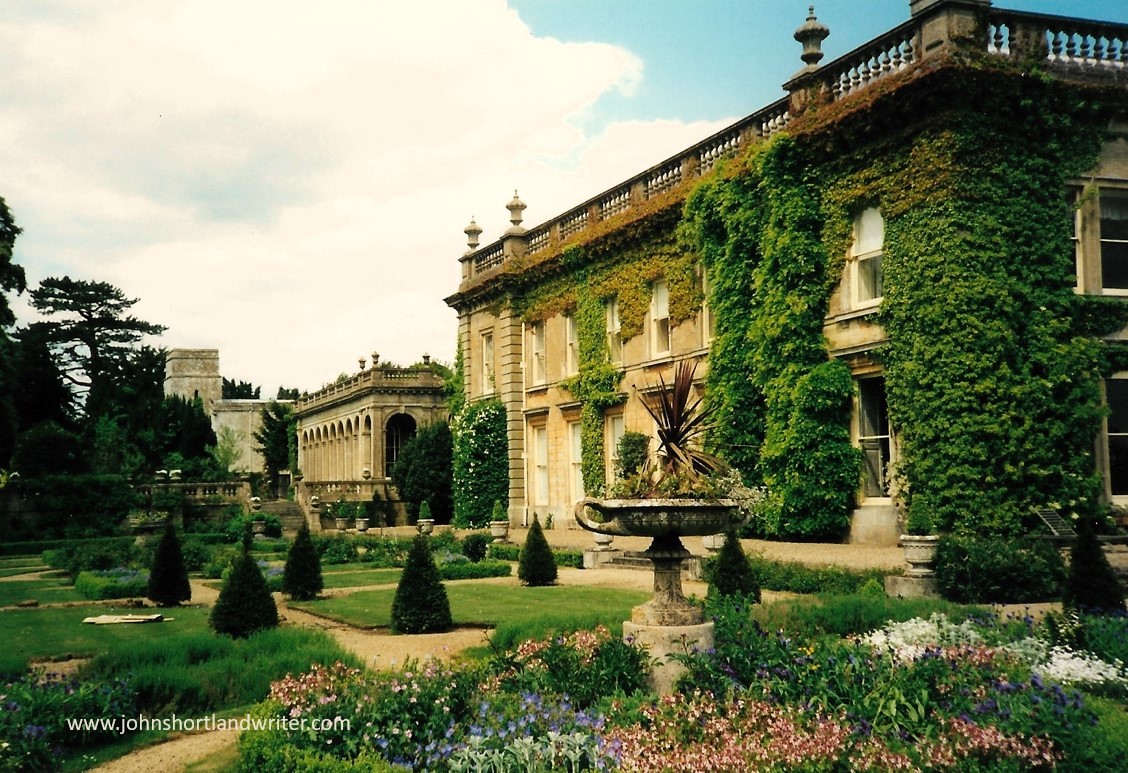
Kiddington Hall

One of my last projects had been designing and overseeing a garden that has many elements to it:  a 50 metre ha-ha, a cottage garden, formal lawns, terraces, topiary, wildflower meadows and kitchen garden, most of which have been created from scratch.  As I watched the garden come to shape, with all the hard work being carried out by the owner’s own team of builders and gardeners, how grateful I was that I could now ‘pull the age card’ and let others do the physical tasks!

A section of the terraced rose garden
The Rose Terrace a few months earlier

When I moved to the Cotswolds in 2001, for the first time in my life I was no longer ‘a local’ and knew no-one.  Hearing that Oxfordshire was one of the few counties without a Gardens Trust and that one was being formed, I volunteered and for several years organised talks and visits to gardens which introduced me to many new people.  One, hearing of my attempts at writing suggested I joined the local writers group.  Feeling very out-of-place I did and before long the talk of ‘doing something big’ with books came about.  From those very casual thoughts I found myself part of a small team that created the Chipping Norton Literary Festival.  My title of Author, Agent and Publisher Liaison brought me into contact with many people in the literary world and soon I was commissioned by one to write a book on gardening.  Three years later it was me being interviewed and giving talks on stage and the radio, a surreal experience.

Being interviewed at the Chipping Norton Literary Festival

Looking back over the past thirty years I realise just what a chance I took with my career choice and how fortunate I was for it to have ended well.  It has taken me on the most incredible of journeys and given me the opportunity to meet/work with some very special people and places.  It has had both tearful and joyful moments – it has also had bizarre and funny ones too: being invited to play in a ‘friendly’ cricket match only to find myself bowled out for two by the Captain of South Africa, or sharing an ice cream with American model, and ex-wife of Mick Jagger, Jerry Hall, these being just two of them.  As with the shop, it has been a mix of celebration and sadness. I am so grateful that I have had the privilege of two careers both of which I can look back on with pleasure and a certain degree of pride.

Woodstock and Blenheim Palace

Woodstock, a small town in the Oxfordshire Cotswolds, has a long history.  The Domesday Book, a survey of England & Wales completed in 1086, describes it as a Royal Forest – a hunting preserve for nobility.  Fifty years later the area was enclosed by a high wall, a shooting lodge built, and exotic animals, lions and leopards kept within. Just short of a century later, in 1179, King Henry II built Woodstock Palace and granted a Royal Charter that established a market on its boundary.  From thereon, the town developed and prospered.  The palace witnessed several important moments in English history including the imprisonment of the then Princess Elizabeth who became Queen Elizabeth the First, and later, it sheltered King James I who had fled London during a plague.  By 1653 the Palace had been destroyed by the Roundheads (Parliamentarians) during the English Civil War.

The original palace at Woodstock built by Henry II in 1179 [Source:Wikipedia]

The ruins of the palace and its parkland were gifted by the nation to the 1st Duke of Marlborough in recognition of his military triumphs that climaxed with the Battle of Blenheim in 1704.  Blenheim Palace, for which Woodstock is now justly famed and visited annually by thousands from all over the world, was built in its place and, with over 180 rooms, it is one of the largest privately-owned houses in England.  The birthplace (in 1874) and ancestral home of wartime leader, Sir Winston Churchill, the splendour and history of the Palace was recognised as an UNESCO World Heritage Site in 1987.

Blenheim Palace, one of the largest private houses in England

With mixed financial fortunes over the centuries, the Palace has seen many changes both internally and externally.  The parkland was much altered by the eighteenth-century landscape architect, Capability Brown.  The River Glyme that runs through the park was dammed and the Great Lake formed, in the process part-drowning the enormous bridge designed by Vanbrugh.  Incidentally, the river is the same one as the little winding river that flows in ‘our (now not so secret!) secret valley’ and used in the header of this blog.

The dammed tiny River Glyme created the Great Lake at Blenheim Palace…
…in the process, the huge bridge designed by Vanbrugh was partly submerged

Despite the centuries that have passed, the town still clusters outside the entrance to Blenheim Palace.  Being so small (only 3,500 people live here), it is a great place to explore on foot – something that is missed by most visitors to the Palace who, if they enter the town at all, stay within the two shop-lined streets at its centre.  Behind these lie the church and quaint, timbered houses.

Ancient houses overhang the narrow streets of Woodstock
All the old house and cottages differ from one another in appearance

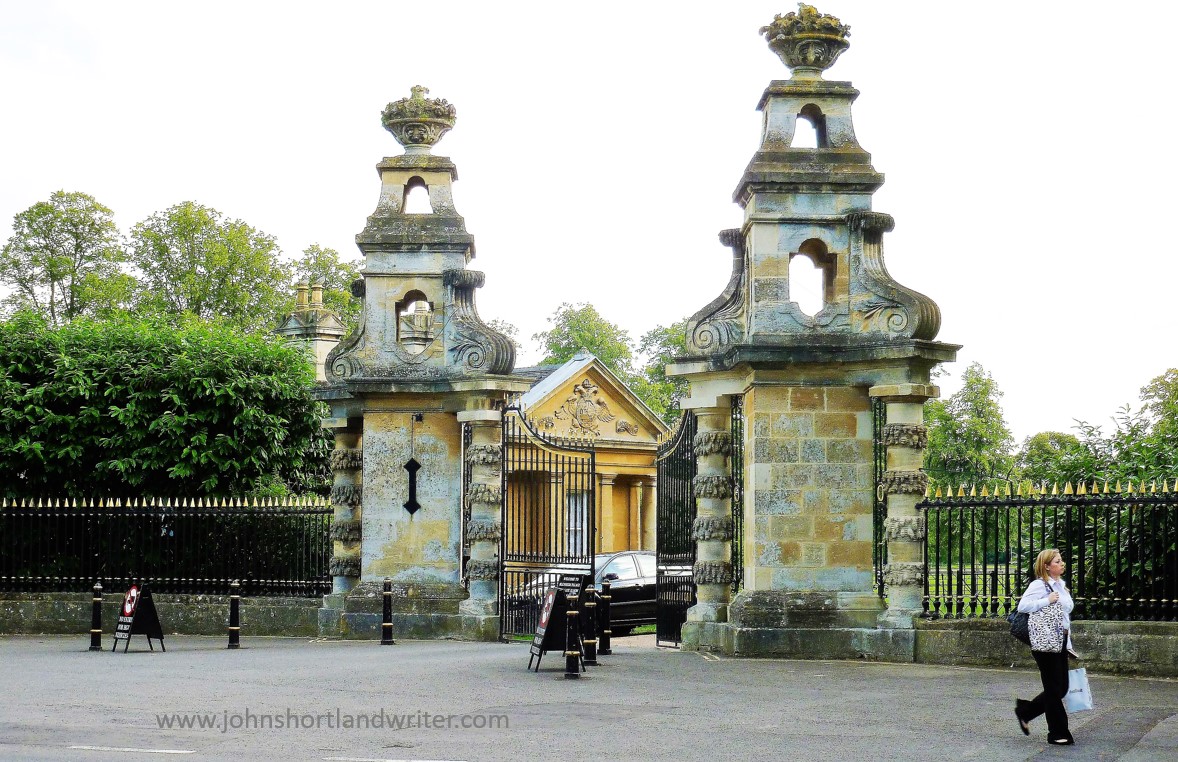
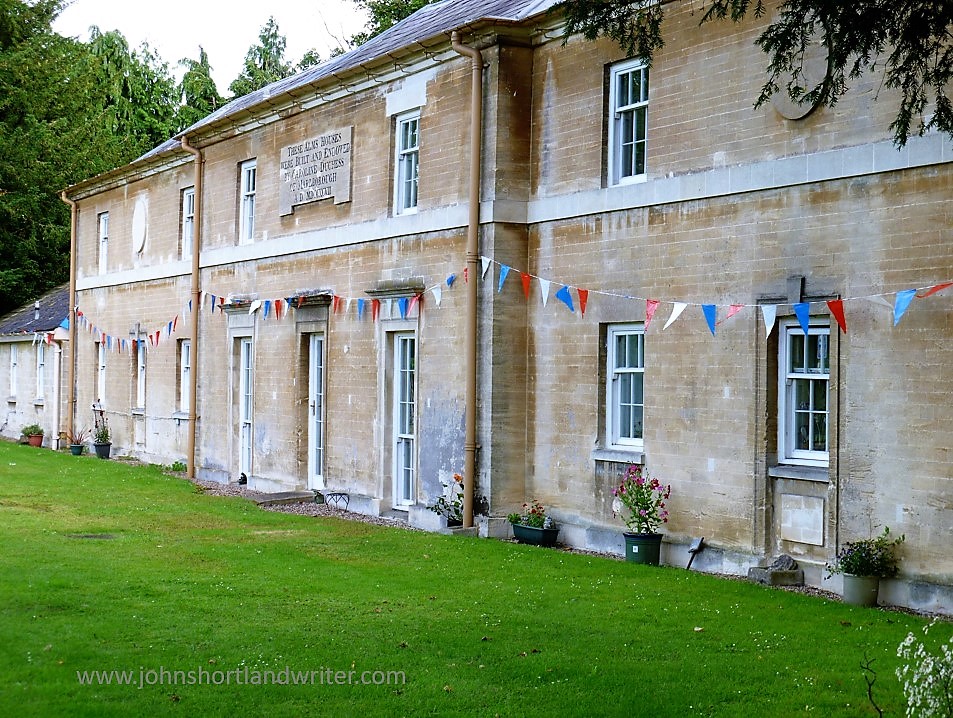
Of course, it is the Palace that dominates Woodstock despite being barely visible from outside the Park.  The entrance that cars and coaches enter by, is splendid enough, but doesn’t match the grandeur of the town gate.  Just past the ‘tourist’ entrance (and so rarely noticed) are the splendid almshouses built in 1798 by Catherine, Duchess of Marlborough.  A visit to the Woodstock Museum should be on everyone’s agenda too; it contains a dinosaur garden to keep the children happy.

The gate by which visitors enter is grand enough but…
…it doesn’t match the splendour of the ‘town’ gate

The town has several hotels and makes a good base to explore further afield; Oxford with its universities is only 15 miles away and there are numerous villages and National Trust properties and gardens to visit within the area.  For keen hikers two long-distance trails, the Wychwood Way (36 miles) and Shakespeare’s Way (146 miles) pass through the town and, as in most of England, numerous public footpaths criss-cross the countryside where you can roam freely. Walking is one of the best ways to see the Cotswolds and it is great exercise too. All the footpaths connect with one another so you can easily take shorter walks but, if you have the time, it is possible to walk from one end of England to the other!

The almshouses in Woodstock built in 1798

***********************************
[If you would like specific details of any aspect of staying locally and/or walking routes, places to visit, etc please feel free to contact me and I will do my best to answer your queries]

Sources: 
Wikipedia The Long Distance Walkers Association  Cotswolds.info                                                                                                                      The Making of the English Landscape, W G Hoskins     
                                                                                                                                                                                                                                                      

Discovering the Five Senses in Lockdown

It sometimes takes a crisis to make us re-evaluate what is of importance in our lives and the present one of Coronavirus/Corvid-19 surely has to be the greatest that we will collectively face. Now, several weeks into lockdown we have all been developing new patterns to our daily regime, one of which may well be taking more exercise. Never before have we placed so much value on fresh air and being able to walk freely whether it be in our parks, gardens or open countryside.

Marlow watermark

                           Riverside path, Higginson Park, Marlow (before social distancing).                                 The river is the River Thames in Buckinghamshire

Living where I do in the Cotswolds surrounded by fields and with woodlands and the river close by it is relatively easy for me to enjoy the open space. For others able to take advantage of their enforced free time, it may involve a longer walk and I have certainly noticed an increase in the numbers of walkers and cyclists here in the valley. I have also noticed that for many of them one aspect of their lives hasn’t changed: as they walk their eyes are glued to the screen of their mobiles and headphones are clamped to their ears, seemingly unaware of their surroundings. It has made me think all the more of our five senses and how we use (or should use) each one of them when out exercising.
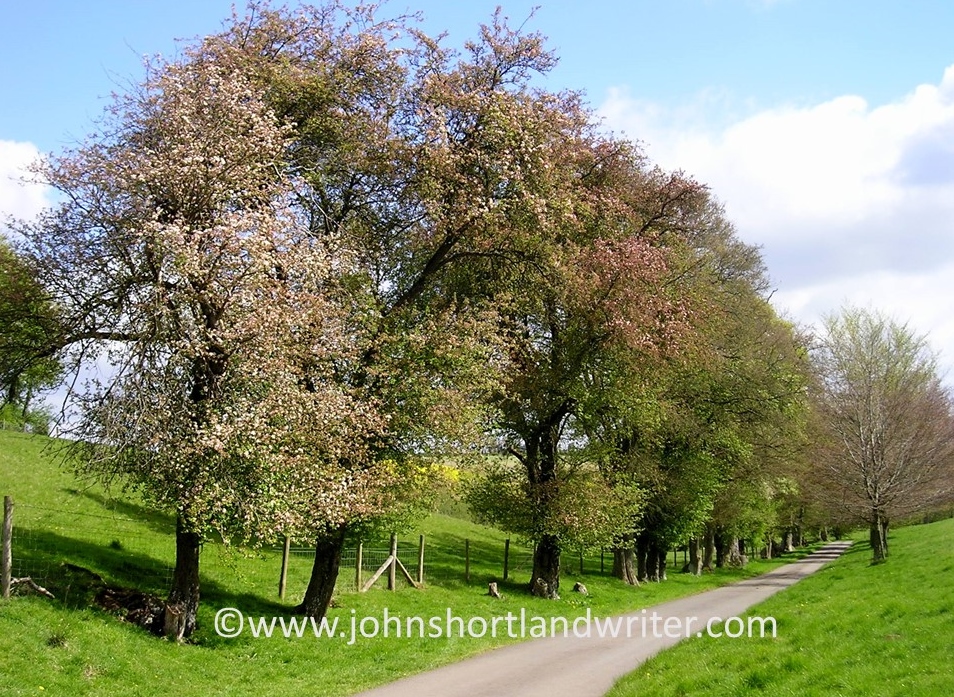
Nr Fingest copyright

Cycling in the Chiltern Hills

SIGHT For those of us blessed with the gift of vision, perhaps sight is the most important sense we use and perhaps the one we most take for granted.  Without it, it is still possible to enjoy one’s surroundings for the other senses become heightened but I doubt if anyone would deny the pleasure of seeing the beauty that surrounds us on our daily walks. Even within cities there is much nature to be enjoyed although I admit that sometimes it has to be sought with more vigour and awareness.

Viola watermark

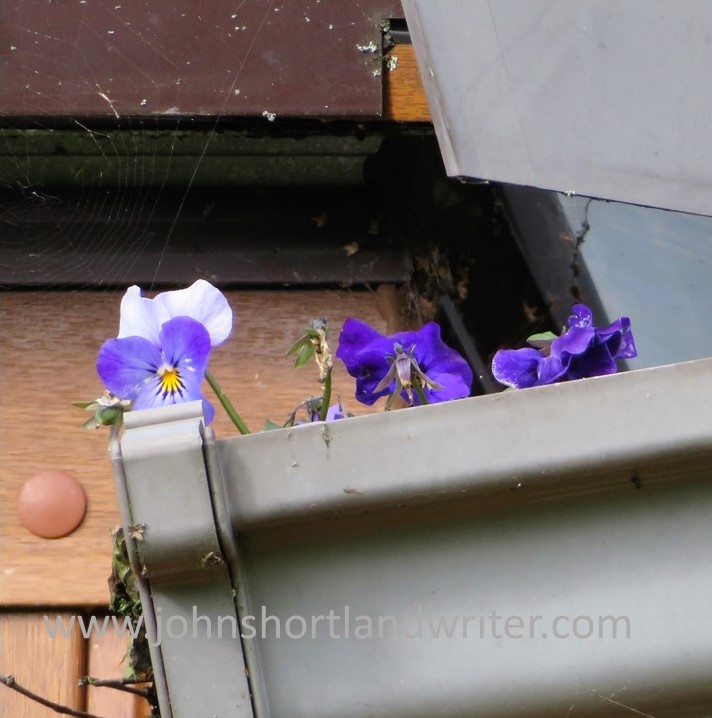
Look everywhere – self-sown violas peep out from overhead guttering!

At this time of year, more than any other season, there is much to see. Tight leaf buds unfurl into an explosion of vivid green foliage, iridescent wherever sunlight filters through; young ducklings tumbling into the park pond to take their first swim. But it isn’t just the natural world to be seen anew, there are other things too. Although it had been there for more than a hundred and forty years (and I’d walked past it very day for twenty) the date scratched into the stone on this wall had gone unnoticed.

Date stone watermark

Who scratched this date into the old stone wall and why?

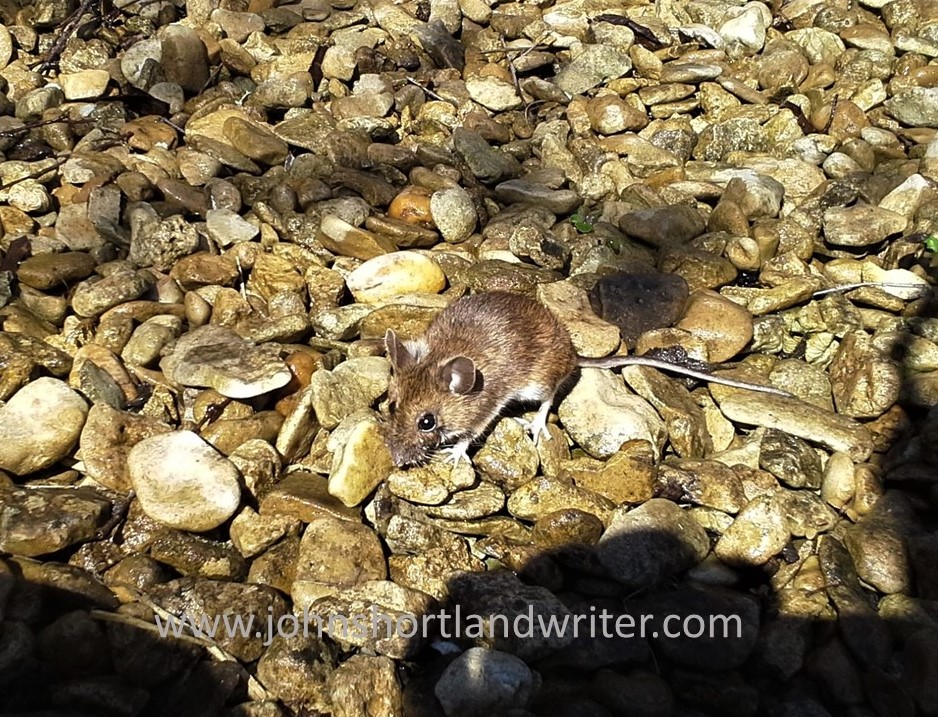
HEARING Along with sight the second most important sense we use on our daily amble. Apart from the glory of birdsong there are other sounds that bombard us when out walking. The wind flurry that makes the catkins tremble and shed their pollen, the stronger breeze that make the twigs and branches clatter gently against one another. Then there’s the rustle in the undergrowth. Stop and wait silently and with patience you may be rewarded by the sight of a little field mouse going about its daily chores or a rabbit venturing out to feed.

Field Mouse watermark

patience was rewarded when this little field mouse ventured into the open

Altamont Gardens (8) watermark

… and also this rabbit

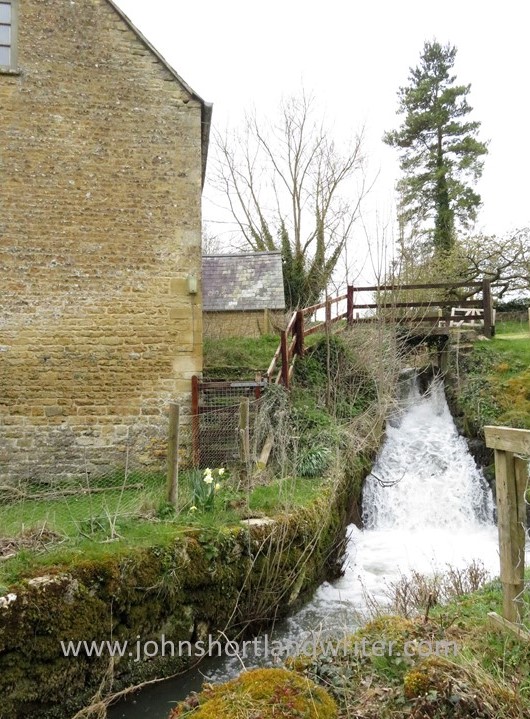
The sound of the river alters constantly. The smooth, barely audible glide of the water changes to a tinkling of soft musical sounds, its flow interrupted by a fallen branch. A few yards further downstream they rise to a crescendo as they crash and tumble over the old millrace before returning to silence as the flow stills in the calm of the millpond.

Radford Mill (1) watermark

The old millrace 

Radford Mill watermark

the calm of the millpond

TOUCH   In the present crisis we are sensibly being discouraged from touching things unnecessarily. Out on walks perhaps care may be advisable when opening gates or climbing stiles but, if you do, take a moment to think about what you feel. Heed the cold steel of the metal five-bar gate and the way it slowly warms beneath your hand; feel the rough timbers of a stile worn smooth from much use over the years. Of less concern health-wise – and all the more pleasurable for that – become aware of the softness of new horse chestnut leaves; later in the year they will become as harsh as sandpaper. Run your fingers across the twisted, grooved bark of the sweet chestnut tree and stroke the furry softness of the aptly named ‘Lamb’s Ears’, the favourite garden herbaceous plant Stachys byzantina.

Sweet Chestnut 4 watermark

The deeply grooved bark of the Sweet Chestnut tree

Stachys byzantina  Lamb’s Ears

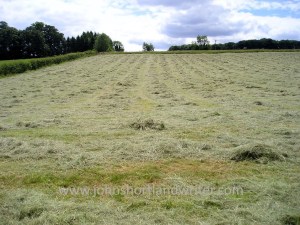
SMELL   The scent of spring is everywhere at the moment and to be delighted in. However, the sense of smell is also a powerful trigger of long-forgotten memories. In a few weeks’ time the sweet scent of drying hay in the meadows may recall childhood farm holidays but for now there is the unique smell of new-mown lawns. Both start off as freshly cut grass yet their scent is so surprisingly different. Likewise, compare the subtly differing fragrance of apple and cherry blossom, both in their full-blown glory right now.

Drying hay before baling

The smell of freshly-mown grass…

Without even leaving home, squeeze the leaves of the herbs on the kitchen sill and notice their variation in scent, their colours and textures too. Early morn in the woodland, especially after warm rain, the delicate perfume of bluebells quickly disappears as the sun becomes stronger. Half-close your eyes and glory in their colour, in the silence and in their perfume and leave all cares behind you – if only for a while.

discover the different textures & scents of herbs

The vivid greens & blues of an English beechwood in spring

In town, the scents are also there just waiting to be noticed. Rain falling on roads and pavements or scorched by hot sun both produce delightfully tarry smells, one mild, the other strong. In the formal beds of the local park flowering bulbs stand in regimental rows; each have a unique scent which rises in the air to mingle with the vanilla fragrance of wallflowers. The wallflowers, their dull green foliage barely noticeable throughout the winter, now shout out the arrival of spring through the colours of their flowers of brick red, orange and yellow.

Tulips & wallflowers – a favourite park bedding combination

TASTE   In shaded places where the soil stays moist you may be greeted – even before you arrive – by the pungent scent of wild garlic. A prolific carpeter of the woodland floor its leaves and flowers make a useful ingredient to spring salads. Wild garlic or Ramsons to give it it’s country name, is fickle where it will grow. In some places that would seem suitable, not a single plant can be found. A less common member of the onion family to be found in the wild are the chives of our gardens, they grow along road edges and field boundaries locally. It is thought that they were spread by the old drovers of centuries ago so that they could harvest them along the way to liven up a bland meal. There is no doubting its identification, disturb the tubular green leaves and the familiar scent is immediately released.

Ramsons grow in damp, shaded places

It is not only the onion family that can be nibbled en route. Richard Mabey in his book Food for Free, published many years before foraging became a ‘craze’, suggests nibbling on the half-open buds of hawthorn. Many a country child has done so over countless generations and perhaps that is how they got their old name of Bread and Cheese. To me, they only have a slightly nutty taste and texture.

Hawthorn leaf buds are not really worth eating!

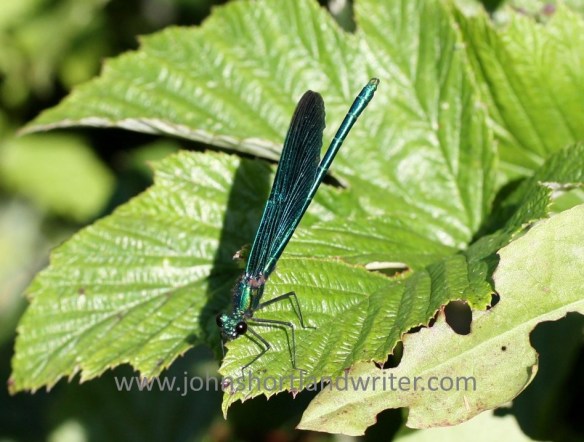
As a boy, brought up close to the River Thames, the hollow stems of the common reed were a regular source of pleasure for the soft pithy centre could be drawn out by pulling the stems through clenched teeth. Close to my present home there is also a small reedbed. These tall reeds have something to offer every one of the other senses too: sight – the pleasure of watching petrol-blue damsel-flies sunbathing on the stems; hearing – as they sway and rustle with the slightest breeze; touch – the coarseness of the leaves, a contrast to their smooth stems; smell – those of the river as it seeps around the roots, a heady mix of wet mud and wet greenery.

Only the male of the Beautiful Demoiselle damsel-fly has petrol-blue wings & body

So, within the bounds and restraints of the Covid-19 advice when out on your daily exercise, remove the earphones, place the phone in your pocket and use, really use, every one of your senses. Not only will you notice more, you will wonder how you never managed to notice them before. Stay safe, stay alert and take this unique opportunity to discover a new world on your doorstep.

Finally, one word of warning. Only try tasting wild plants if you are confident they have been identified correctly. If you decide to forage, do so responsibly and only pick a few leaves at a time. Make sure that all plants for consumption are free of pesticides and other contaminants, especially those growing in or near water.


The Year in Review: July – December 2016

The second half of 2016 went just as quickly, if not quicker than the first.  No sooner have the nights drawn out than Midsummer Day is upon us and, gradually at first – and then rapidly – the nights close in on us.  In England our really warm summer weather does not arrive before July and with luck extends well into October.  In bad years it never really arrives at all. blewbury-manor-copyright

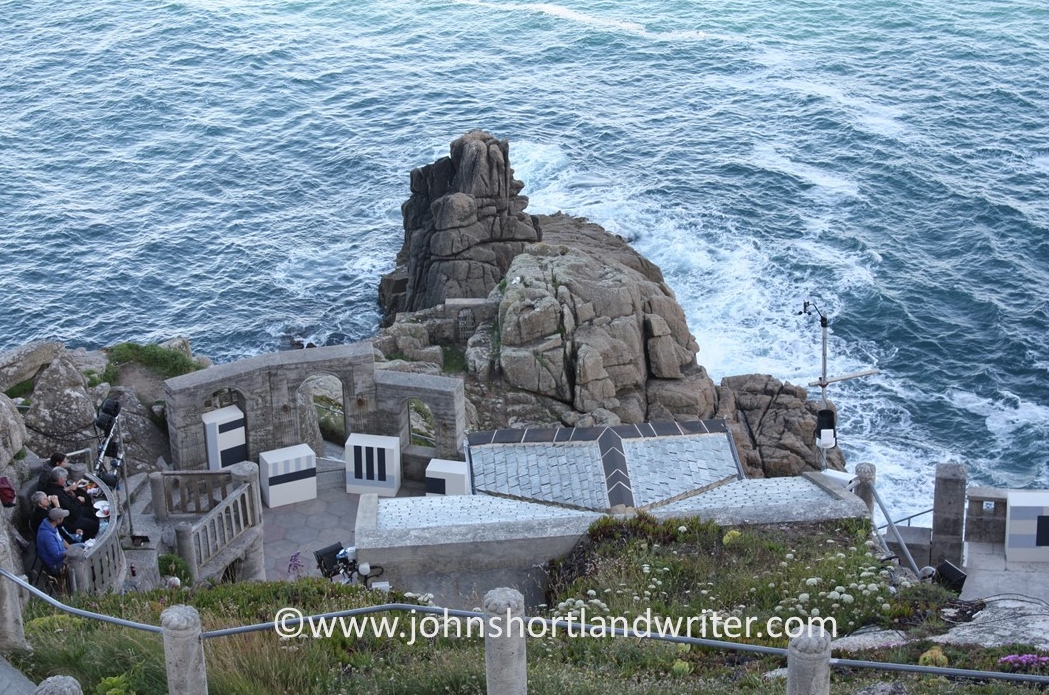
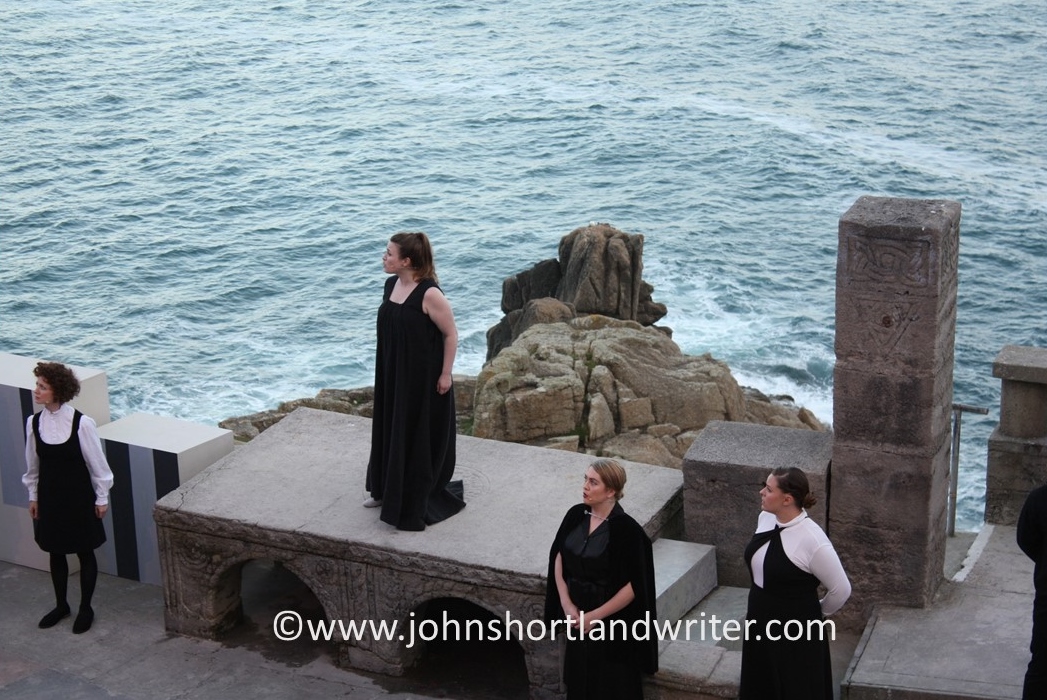
In July I travelled just about as far west as is possible in the UK for a few days holiday in Cornwall.  Cornwall is a land of contrasts with picturesque, small fishing villages, spectacular cliff walks and golden, sandy beaches.  Inland, the scenery is bleak moorland with granite outcrops and the houses  appear to squat low in the landscape to shelter from the gales that sweep in off the Atlantic.  Luckily, the evening we went to the Minack Theatre was warm with only the lightest of sea breezes.  Lucky because the theatre is carved into the cliff face.  The idea of Rowena Cade, in the 1930s she and her gardener spent a winter moving rocks and to create a stage and seating.  This Herculean effort was more than worthwhile, it was… well, click here to see for yourself.169   copyright172   copyright

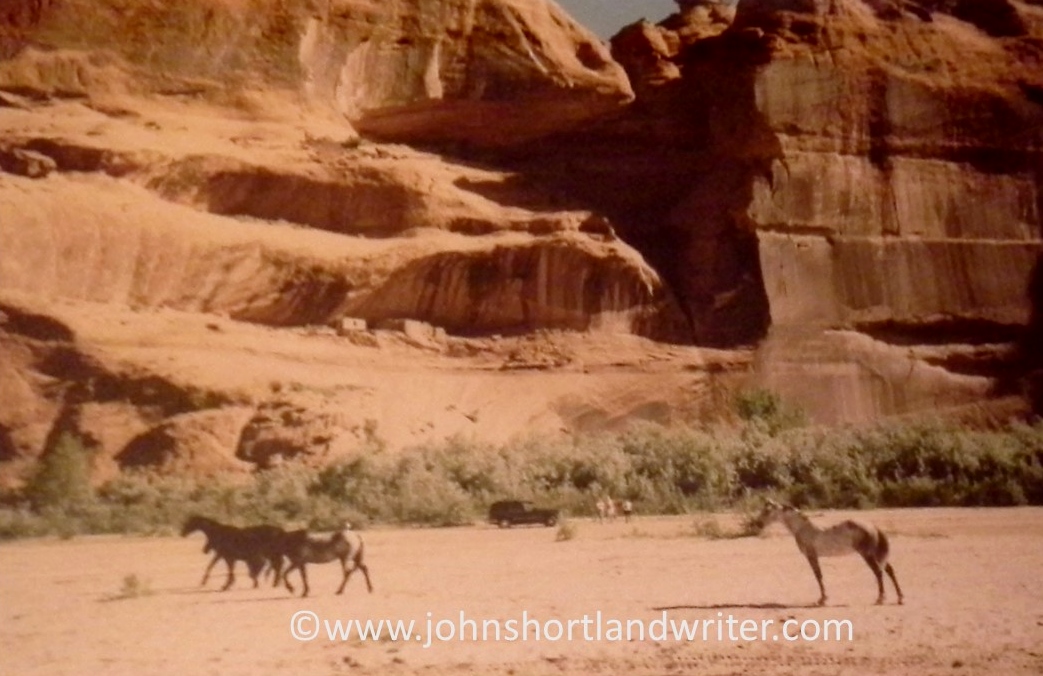
August saw me on the other side of Atlantic Ocean in the American State of Arizona visiting another cliff-face achievement, the Canyon de Chelly.  The houses of the Anasazi people were carved out of the sheer rock face hundreds of years ago and can only be reached by precarious toeholds.  Today it is the home of the Navajo.  The canyon is unique amongst the National Parks of America for it is the only one that is… check this link to find out what.Canyon de Chelly (3)   copyrightCanyon de Chelly (5)   copyright

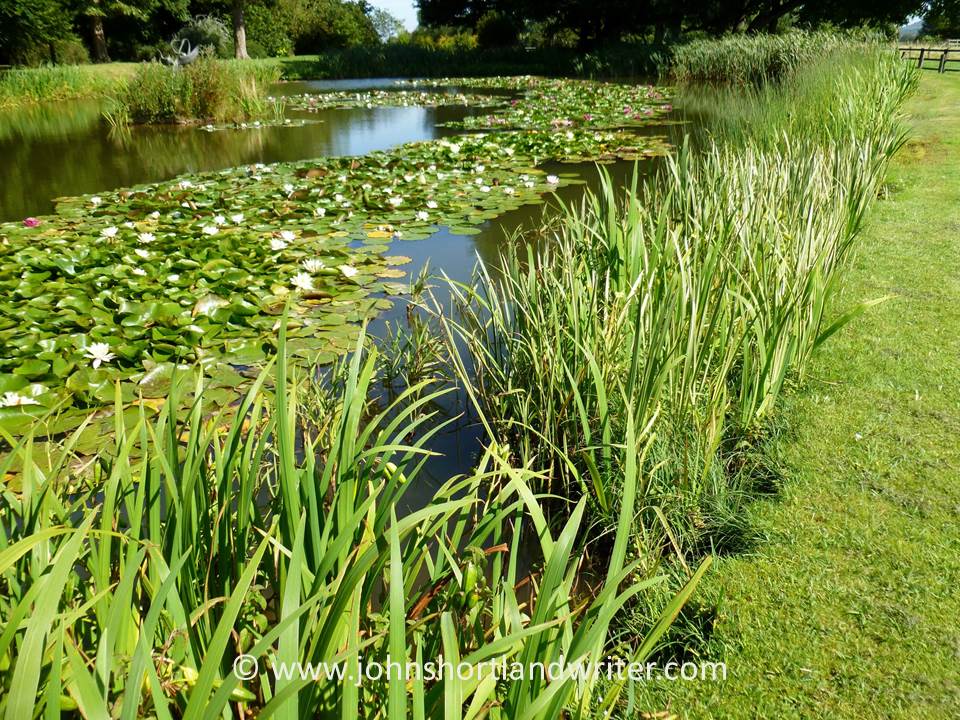
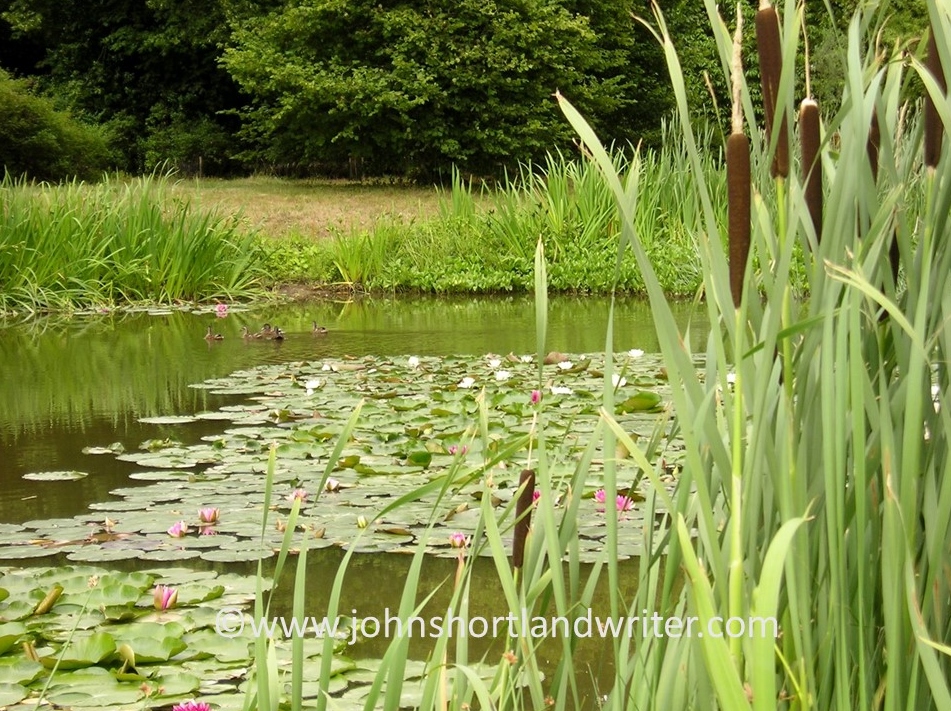
There is nothing like a bit of bragging and September saw me unashamedly showing off about the small lake I created some years back.  These days, it looks as if it has been there forever and is home to numerous wild duck, fish and small mammals.  Originally a rubbish dump click here to see how it has been transformed.pond-build-3-copyrightpond-2-copyright

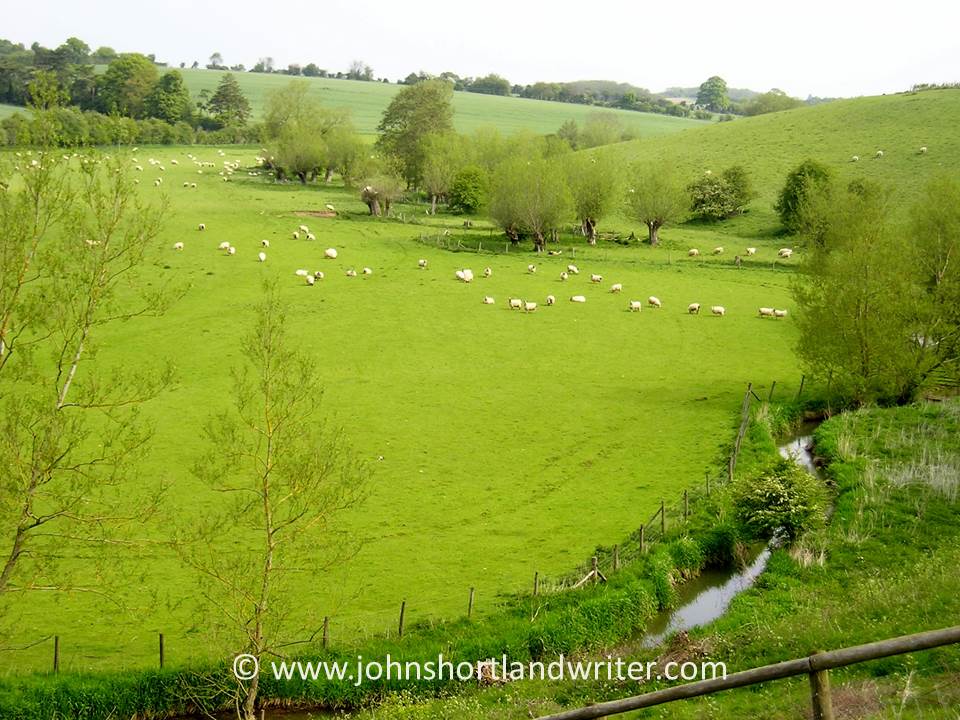
I am always telling you how beautiful our Cotswold Hills are and how lucky I am to live in the middle of the secret valley, away from traffic and houses.  In October, I took you all on a virtual tour of the valley.  The crab-apple tree lined lane leads to the wonderfully winding river that features on the blog header. After a mile of visual treats the lane narrows even more as it passes our tiny, stone cottage.  Occasionally, there is a traffic jam – but rarely by cars.  To take the tour again click here.secret-valley-2-copyrightcotswold-traffic-jam-copyright

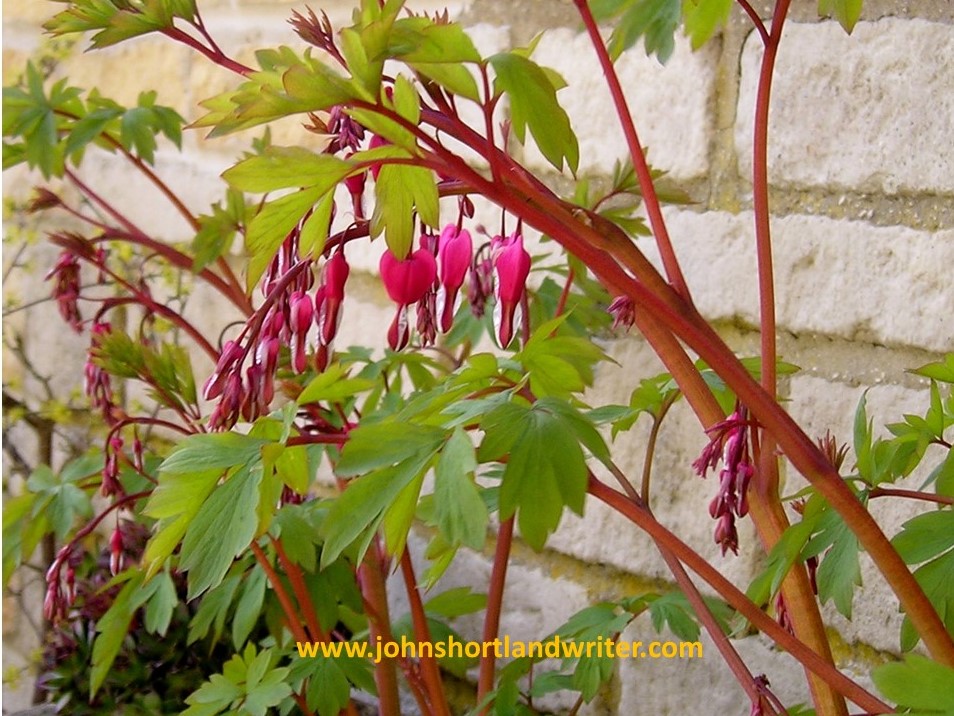
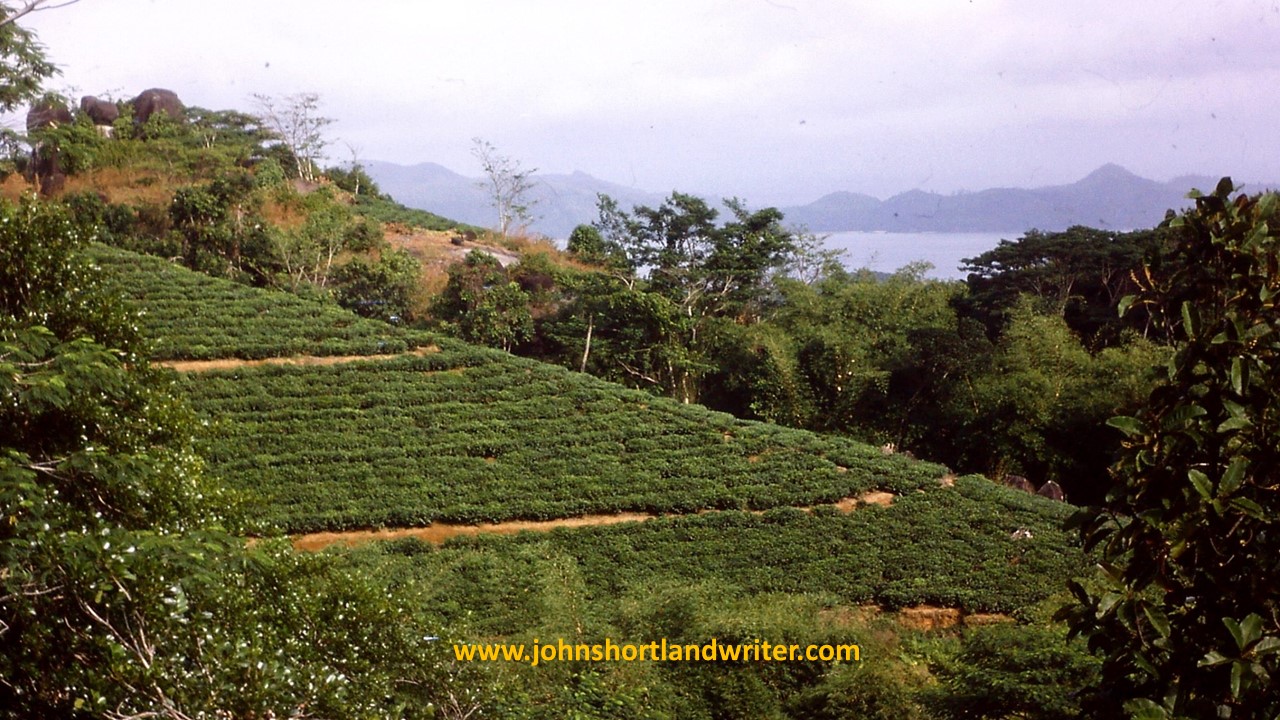
In November we went treasure hunting – looking for fortune in the garden.  We didn’t have to dig it all up, only walk around it for we were searching for plants originating in China and Japan.  The little-known story of how Robert Fortune, a 19th century dour Scotsman travelled to the for side of the world to fight with pirates before smuggling out what has become one of our most popular drinks is told here.dicentra-spectabilis-copyrighttea-plantation-copyright

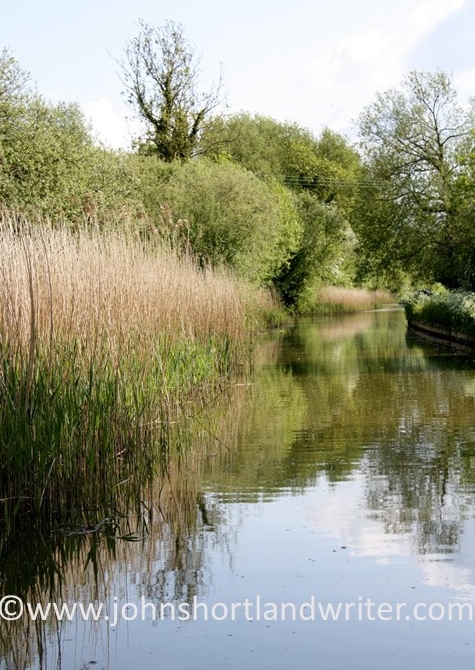
Travels  and ancient buildings in Sweden and the south of France, hidden Exmoor, and attracting butterflies to your garden all featured in December‘s review.  If that all sounds too exhausting, take a slow, slow canal longboat ride through the stunning scenery that can be found within a few miles of the university city of Oxford (here).133   copyright

2017 is seeing a lot of changes politically and culturally both here in Britain, in the USA and elsewhere in the world.  Some can’t wait for what will happen and others are dreading it.  Whichever ‘side’ you’re on, come and escape to Life in the English Cotswolds and the secret valley which will always be, hopefully, a little haven of peace.dorn-valley-copyright

Best wishes for 2017 and many thanks for your post -and future – support.

We Built a Pond – you can too!

Winter is an ideal time to create a pond and with it fast approaching now is the time to start planning.  Quite probably you have an idea where you want to place it but do think about its position carefully.  Falling leaves from trees is an obvious issue but some others aren’t until it is too late. Water always collects at the given lowest point; a pond perched on top of a mound will look ridiculous so check where the lowest point in your garden is and create the pond there, remodelling other sections of the garden, if need be, to tie in. bulrush-copyright

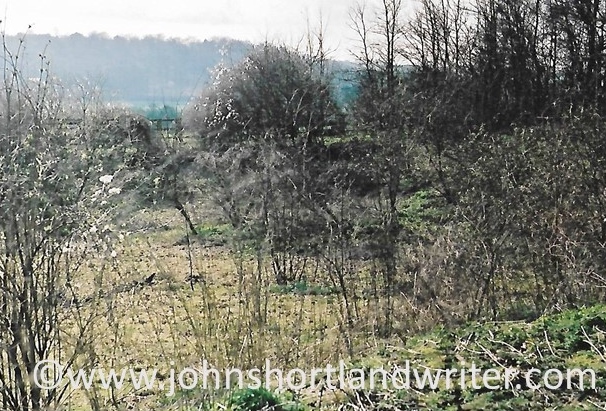
With our proposed pond site, we already had a large depression where garden rubbish and junk had been thrown for years.  Now overgrown with scrub, it needed careful clearing, including roots that may have punctured the lining.  If space is tight, the pond should have a planting shelf set several inches below water level, around at least one third of its edge; if space permits a graduated slope to the pond encourages plants to spread more naturally and, to my mind, is preferable.pond-build-1-copyright

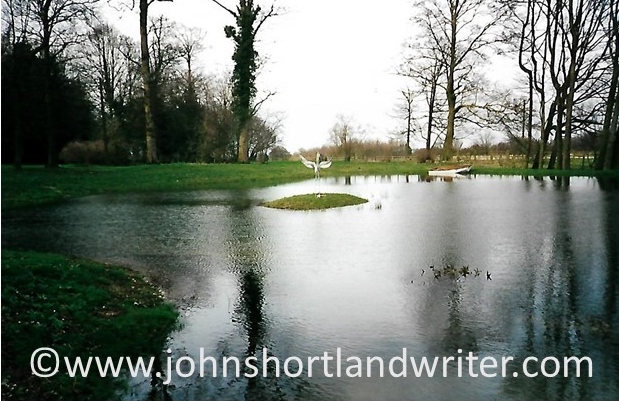
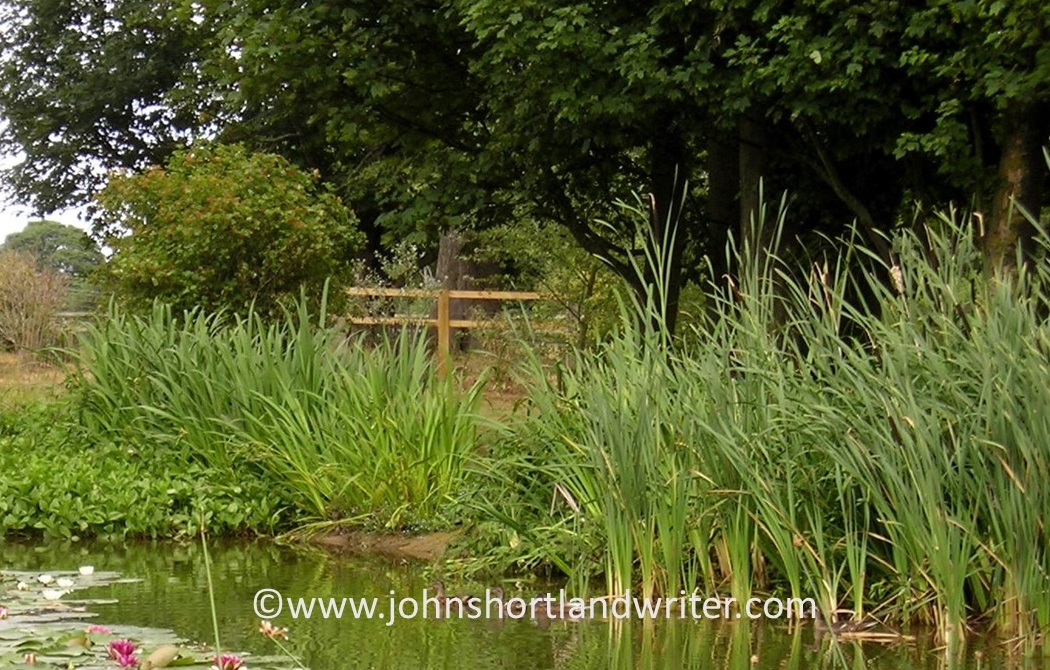
If access allows, it is sensible to hire a digger to create the pond for even a small one involves a lot of digging and moving of soil.  In the past, the mound was often left behind with a few rocks, or even worse, bits of broken concrete, to create a rockery.  This very rarely works well and it looks far better to have lawn leading down to the pond with possibly shrubs or other plants surrounding it.  Whatever the choice, it is important to have a seamless transition from water to garden.  Iris work well for this as there are varieties that will grow in shallow water and on the moist soil surrounding it; some reeds, too, will colonise the bank giving the pond that natural look.pond-build-3-copyright

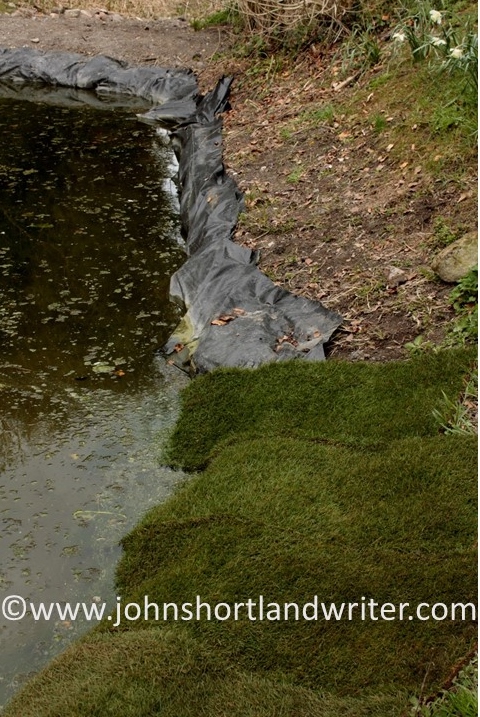
When using a lining it is important to allow a decent overhang onto dry land.  In this photo, the lining has been cut a little on the tight side – the weight of the water pulled the liner down into position; it is better to trim the liner after the pond has filled.  Once that has been done the liner can be disguised by laying turf down the sides to just below water level.  Once grown, it creates a beautifully natural appearance to the pool.pond-lining-2-copyright

pond-build-4-copyright

In the spring, aquatic plants can be planted.  Oxygenating plants grow below water level and apart from being essential, make good cover for fish and insects from predators.  Marginal plants grow in shallow water and are used for lining the edges of the pool.  A thick planting of these are a good safety measure if small children are likely to visit, although they should never be allowed to do so unsupervised.  Water lilies grow in different depths of water so do make sure that the variety you choose is suitable for the depth of the pond. pond-5-copyright


Ponds, however large, never need to be exceptionally deep, rarely more than a metre and can be as little as 50cms.  Smaller ponds benefit from a deeper ‘hole’ so that fish can take shelter from the coldest weather.  It is worth remembering that the larger the pond the easier it is to maintain and keep healthy.  Finally, once the plants have established, fish can be added.  For a wildlife pond, ornamental goldfish should be avoided although some of our smaller native fish can be included.

koi-copyright

Koi Carp are best kept by enthusiasts!


It is always a surprise at how quickly new plantings grow in a garden and the pond is no exception.  The scars of our pond had healed within months and even after just a couple of years ponds can look as if they have been there for ever.  Now twenty years later, visitors to our garden find it hard to believe that the pond isn’t natural; it abounds with wildlife and there isn’t an inch of black butyl liner to be seen.pond-2-copyright

The pond featured here was built in the large garden of the house that I claim to be my birthright (joke).  Correspondingly, the pond also had to be large but the principles of pond design and placement are the same whatever their size.

To read about the bizarre coincidences that cause me to ‘claim’ the house click on these links:

The House My Parents Built – 200 Years Ago

Reincarnation – or just Coincidence?


On the Edge of the Precipice

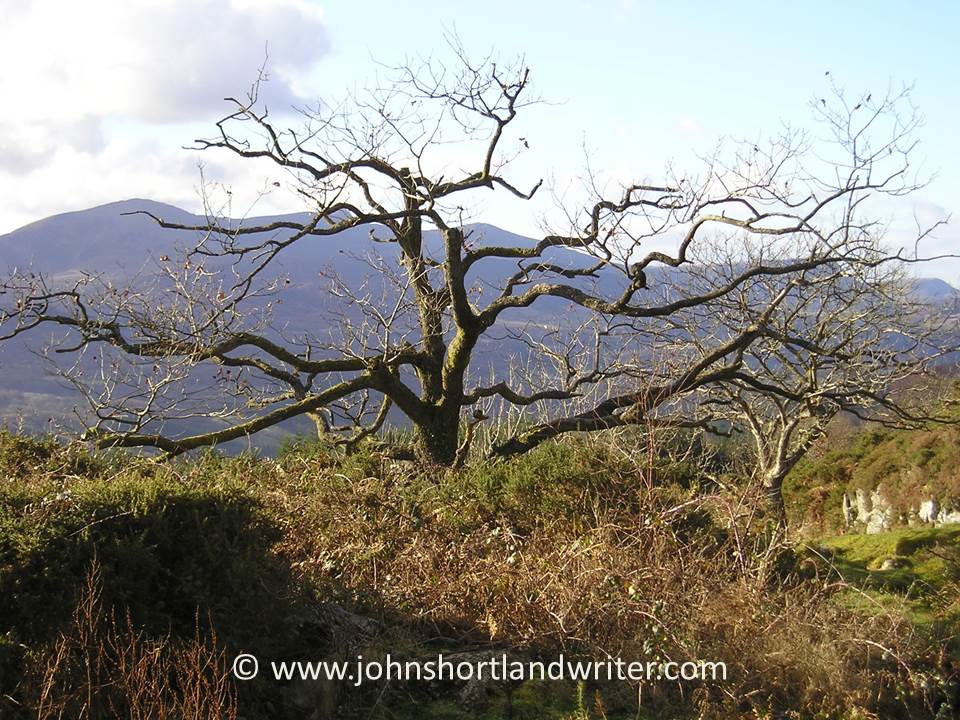
Snowdonia, the third of Britain’s national parks to be designated (and the first in Wales) is a popular holiday destination despite it being the wettest place in the UK.  Mt. Snowdon, Wales’ highest peak after which the park is named, is challenging to climb although thousands ascend by the easy route – using the narrow guage railway.

Far to the south and away from the crowds the scenery is still dramatic giving great opportunities for hill walking.  It is possible to walk all day with only ravens, buzzards and red kites for company.

WALES FEB 2006 006   copyright

The Precipice Path near the small town of Dolgellau is a relatively short and easy circular walk that offers spectacular views in all directions.  It is a good introduction to walking in the hills for it is well signposted and, more often than not, there are other walkers nearby.  If, like me, you prefer to walk in splendid isolation then that is still possible by starting early or late in the day and avoiding weekends.

Precipice Walk   copyright

The path leading up to the precipice winds its way gently alongside woodland before climbing more steeply for a few hundred yards.  It is rocky and uneven and, as with any hill walking, strong shoes or boots should always be worn.  During the winter, this part of the path is often icy.

Precipice Walk (3)   copyright

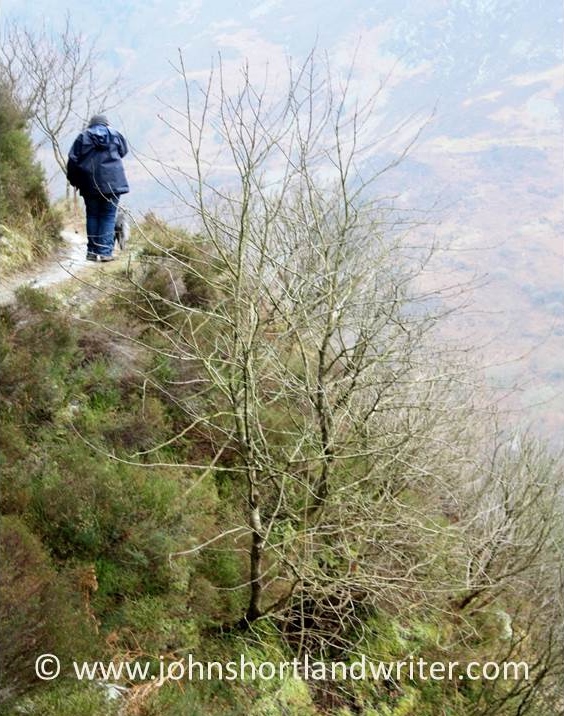
As the path turns towards the west spectacular views of the river, the Afon Mawddach appear, set in a deep glacial valley that leads out to sea.  The path now narrows and with a sharp drop to one side – although it is quite safe small children need to be supervised and those that suffer from a fear of heights will find this stretch challenging.

Precipice Walk (5)   copyright

Precipice Walk (8)   copyright

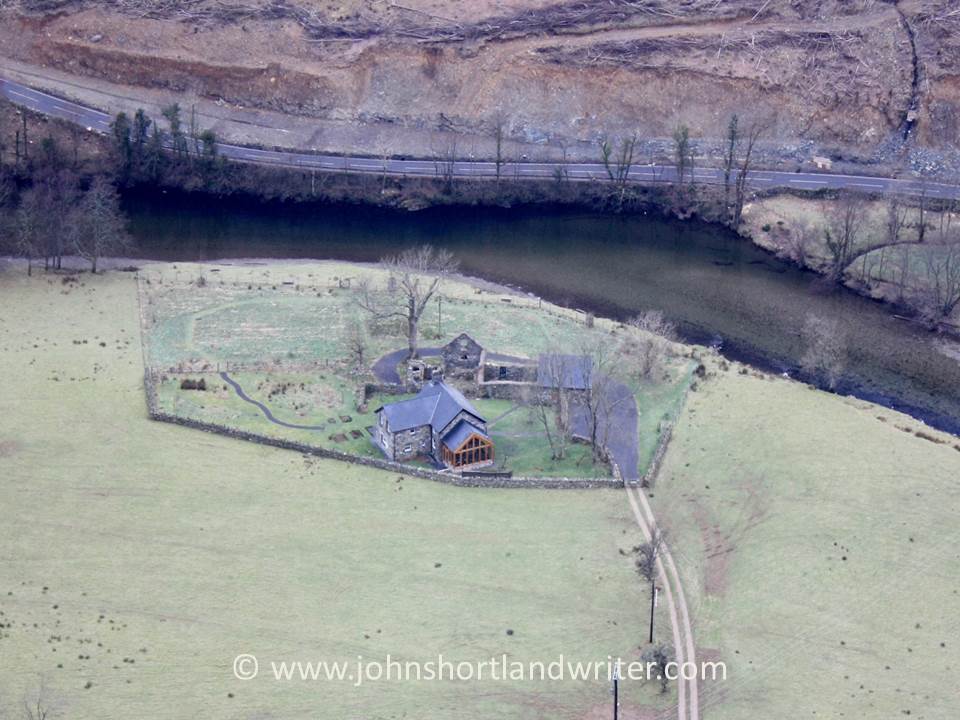
For those not worried by height the bird’s eye view of Dol-y-clochydd is fascinating especially if you are lucky enough to see the sheep being herded by the farmer and his dogs.

Precipice Walk (7)   copyright

At the halfway point, a bench marks the end of the precipice and from here there are vews of the village of Llanelltyd and of the river flowing into the sea.Precipice Walk (10)   copyright

The path now turns back on itself in a wide arc before descending to the edge of Llyn Cynwch, a small reservoir with views of the mountains and crystal clear water giving superb reflections.  The path follows the edge of the lake until it returns to the starting point of the walk.  Novice walkers should allow at least two hours for completion.

Precipice Walk (12)   copyright

The Precipice Path lies within the nine hundred year old Nannau Estate and, although not a public right of way, the estate has opened it to the public since 1890.  It is a working estate and there may be sheep or other livestock roaming freely so it is necessary to keep dogs strictly under control. Precipice Walk (18)   copyright