A Good Walk Home

Both my partner and I like walking but, more often than not, we walk alone.  Somehow it just works out like that and there is no doubt about it, that when you walk without company you do see and hear so much more.  It isn’t that we chatter away non-stop – we’ve been together for  far too long for that!!  It’s just that with no-one to speak to, or alongside, one becomes far more aware of all that’s around you.  And with only the sound from one pair of walking boots the wild creatures are less aware or concerned of your presence.

Walking quietly it’s possible to get quite close to wildlife

Usually, from necessity, our walks are circular – either back to the car or back to the house if we’ve started from home.  Recently I cadged a lift to Duns Tew, just outside the Cotswolds but still in Oxfordshire and not that far from home and the secret valley.  The village is an interesting mix of houses and makes use of their local ironstone as well as the Cotswold limestone.  I find it fascinating knowing that I live on the edge of two quite different rock formations, 0ne literally as hard as iron and the other, soft and easily worked.  The photo below shows the pretty church built of yellow ironstone and banded with paler limestone – a familiar pattern in the locality.

The thousand year-old Church of St Mary Magdalen, Duns Tew

The houses vary in style and age as well as building materials.  Some have thatched roofs; others slate and some stone tiles.  The traditional village pub has a stone tile roof made from Cotswold stone split into thin tiles.  Just to confuse the unknowing, these tiles are known locally as slates even though they are not made of slate!  The craft of making these roof tiles is centuries old – they have even been found by archaeologists when excavating Roman villas (of which there are quite a few in the Cotswolds) which means the manufacture of them has remained unchanged for the best part of two thousand years.  The pub also has a drystone garden wall, also made from Cotswold stone for which it is so ideal and makes such a memorable feature of the Cotswold Hills.

Village houses: contrasting style and stonework. The thatched house was built in the early 1600s. There are a number of these old signposts still standing locally
The village pub: this dates from the late 1600s. Note the stone ‘slate’ roof

One of the great things about walking in England is that we have a huge network of public footpaths, many of which date back to pre-history.  Now that I realise (thanks to my overseas readers) that being able to walk across privately-owned land by right is almost unique I intend to write specifically about them at a later date.  Suffice to say here, is that it is possible to walk from one end of the country to the other over thousands of miles of paths that must not, by ancient law, be obstructed.  This path is beautifully maintained by the owner. Just outside the village, partly hidden in undergrowth, were the remains of old pony carts.

A well-maintained public right of way that is also a driveway to the owner’s house
Half-hidden at the back of a semi-derelict shed

The path opened onto cornfields, the wheat harvested and the remaining stubble giving a real autumnal look to the countryside.  The hedgerow is also offering its autumnal fruits for the picking – crab apples, elderberries and blackberries; the sloes although looking good won’t be ready to collect until after the first frosts.  The squirrels have taken all the hazelnuts (you have to be quick to get them before they do – but already the embryo catkins, the male flowers, are beginning to appear.  It will be early February before they show the familiar ‘lamb’s tails’ that release clouds of yellow pollen with the slightest breeze.

The path is now gras covered passes ‘twixt hedgerow and cornfield
Crab apples, blackberries, elderberries. Tiny catkins are just forming amongst the blackberries

Although the path, now a wider track, looks obstructed here, the farmer/landowner has to leave the gate unlocked so that people on foot or on horseback can pass.  Crossing the lane it returns to being a path, this time skirting a large wood.  Now hidden by high hedgerows in the spring when the leaves are all bare, the woodland floor is carpeted with bluebells.  In the centre of the field is a stand of mature oaks.  Why were they left there?  For me, they always have a mystical look about them; stepping into their midst the atmosphere changes as if its centuries old story is being told to those that might listen.  Perhaps it’s just my imagination but the fancy is palpable.

As this is a public right of way, one of the gates must be kept unlocked by law
The copse in the middle of the fieldwas it once a sacred site?

Once again the path changes character.  Now a track crossing a small stream, the movement of a young coot searching for food catches my eye and we watch one another for a while before it decides that food is far more important than me.  At such close range I see it snatch a small water beetle before it disappears into the undergrowth.  For a while the path becomes woodland again and then opens up onto a concrete track.  The concrete is all that remains of a WW2 airfield, far inland to be out of the range of German bombers.  I stop to listen and am met with silence.  How different the scene would have been eighty years ago.

The baby coot carried on about its business…
The old wartime concrete paths make easy walking

Finally back home.  Being an Englishman through and through (if you ignore the foreign bits of me!) I sit on the old stone bench in the garden with a refreshing cup of tea and lean back against the walls of our own stone-built house built 170 years ago.  Looking out beyond the garden I can’t help feeling how privileged I am to be seeing the best views of the whole walk!

Not too bad a view from home!

.

.

.

2021: A Year in Review – part 2

Three weeks into the new year and Christmas and 2021 already seems the distant past. A new year brings new hopes and plans, not least of all a Covid-free one where holidays and meeting up with friends and family can be carried out without the fear of cancellation. The past couple of years have been challenging and difficult for many people and blogging topics sometimes reflected this as well as the importance of family. Few people can be as tough and courageous as one of my ancestral cousins nor as unfortunate for another to be remembered because of his underwear. There were trials and tribulations for the people of Chipping Norton too, the nearest town to my secret valley and, elsewhere in the Cotswolds, the building of a great country estate to provide training in endangered skills for local people. These stories are a reminder that however large the challenge or the struggle, the end result is more often, very worthwhile.

1876: HMS Alert – with my cousin aboard – icebound as well as homeward bound

In July I wrote about the extraordinary story of Welsh vagrant Glyndwr Michael who famously became known as ‘The Man Who Never Was’. His body was used in an elaborate hoax to fool the Germans during WW2. The ruse worked, saving many lives, partly thanks to the use of my cousin’s underwear. Sounds intriguing? Well, if you want to discover why and also how my Polish grandmother fits into the plot you will need to click on the link here to read all about it.

False papers of Major William Martin, RM [Source: Wikipedia]

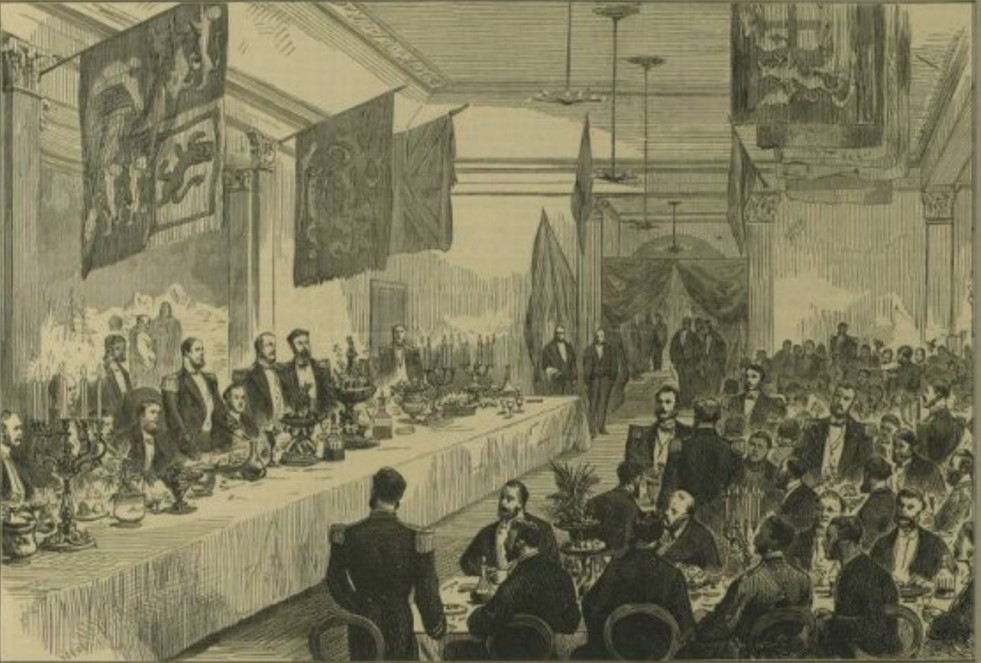
August and September was also a tale of an ancestral cousin who in the May of 1875 set sail for the Arctic. As bizarre as it seems now, the expedition was searching for a ‘lost Eden’. for there was a popular belief that beyond the ice, at the North Pole, they would find a sub-tropical paradise. The expedition created worldwide interest and excitement and was widely reported in the newspapers. When the Royal Family began to take an interest, huge crowds descended on Portsmouth eager to see not just the Queen but ordinary members of the crew. My cousin, John Langston Saggers, a young man aged just 23, could have experienced nothing like it before as they were wined and dined and with no expense spared. To read about the preparation for the voyage and to discover the personal gift from a Royalty concerned that the men may suffer from cold ears click on the link here.

The dinner for the Officers given by the Mayor of Portsmouth the week before departure [Source: BNA]
Sitting out the Arctic winter

When the ships became icebound, they had to sit out the Arctic winter in total darkness. That, however, did not stop the men from making the most of what they had. Aboard ship they had a full-size theatre where they produced plays and outside on the ice, despite the freezing temperatures and inadequate clothing they created a skating rink and played hockey. Their heroism – and despite (unsurprisingly) not finding a warm paradise – the men returned home to a hero’s welcome. However, the star of the expedition wasn’t human at all. To find out about Nellie and how she very nearly became a coat for an Eskimo chief’s wife click on the link here.

Mid-day, Thursday, 9th November 1876: HMS Alert & HMS Discovery enter Portsmouth Harbour
Nellie, who almost became a coat

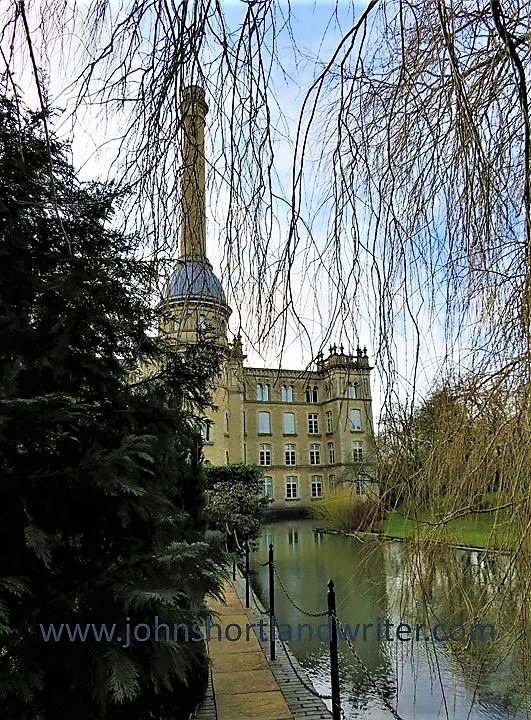
Next month will be the 150th anniversary of the Great Fire at Chipping Norton, one of the gateway towns of the Cotswolds. Although not as popular with tourists as some of the ‘chocolate box’ villages and towns in the region, it boasts one of the Cotswolds most iconic images – that of Bliss Tweed Mill. The mill, that has become so well-known now, rose like a phoenix out of the ashes of the earlier mill which was razed to the ground early one February morning. The story of the fire and how the mill was rebuilt to exacting standards in less than two years is told in October’s blog post. Built to resemble a great house with the most modern technology of the day, it was the pride of the town. The jubilation wasn’t to last and a strike was called which took eighteen months to break. You can read all about the mill and see through numerous photographs how it has been transformed into luxurious apartments; a haven of peace and tranquillity within the town centre by clicking on the link here.

For November, we remained in the Cotswolds to explore the creation of another outstanding property and its gardens. In 1906, Claud Biddulph commissioned the building of a house with “the feel of a cottage in the country”. In so doing, he created one of the finest Arts & Crafts house in Britain, albeit one with seventy-four rooms, so hardly a cottage! Every item used in its creation and furnishing had to be of the best quality and hand-made; one of the reasons why the house took so many years to complete and why it is so exceptional today. Part of the house was dedicated to teaching local people the dying skills required and, more than an hundred years later, craft workshops and exhibitions are still held there. Open regularly to the public so why not take a tour of the house and garden? If you can’t visit physically, you can do so digitally by clicking on this link here.

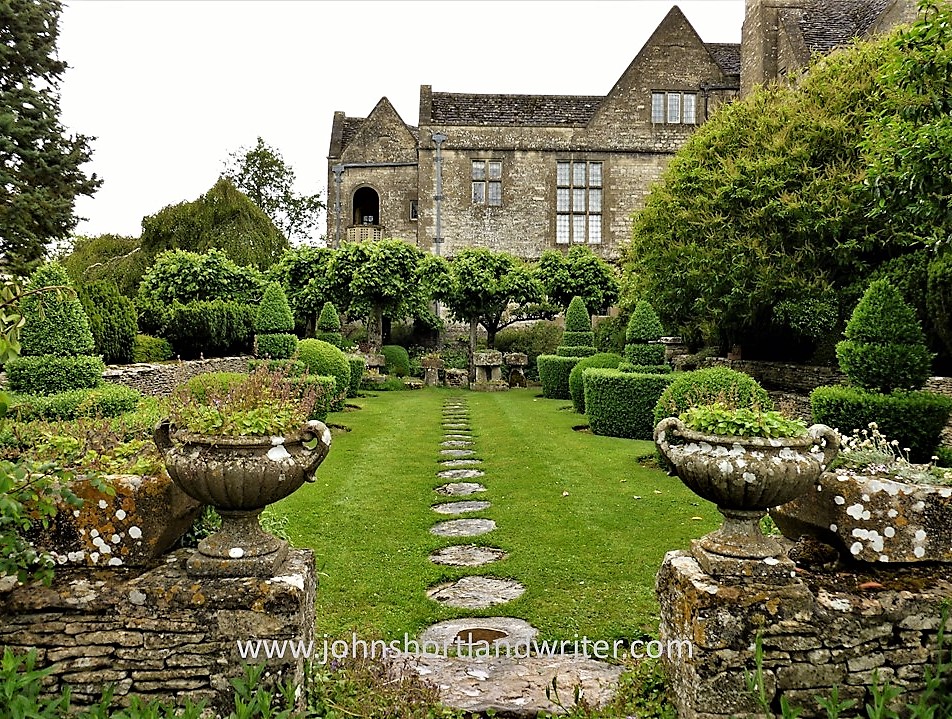
Rodmarton Manor seen from one of the ‘garden rooms’

And so we come to December, the year end and the start of this review – you can read what happened during the months of January to June by clicking the link here. I hope that your 2021 hasn’t been too troublesome – now the year is past we can look forward to this one with renewed hopes and aspirations. No doubt there will be challenges ahead but as we know from our own experiences, as well as hearing of those of our ancestors, life continues apace regardless. Sending all my readers, wherever you are in the world (and, my goodness, you’re a scattered bunch!) best wishes for 2022 and with the hope that it will be a happy and healthy one.

The Arts & Crafts Splendour of Rodmarton Manor

In 1906 Claud, the youngest son of politician Sir Michael Biddulph, commissioned a house to be built on land gifted by his father.  The commission was given to Ernest Barnsley who specialised in design and building in the Arts & Crafts style.   In the spirit of the movement, all materials had to be sourced locally and hand-crafted with no machinery used.  Claud stated that the house should have the feel of “a cottage in the country”, somewhat of an understatement by the time the building was completed in 1929.

Rodmarton Manor seen from one of the ‘garden rooms’

The house, which has a total of seventy-four rooms, was built as three angled sections with a sweeping driveway and circular lawn to the front courtyard.  The family lived in one wing, servants in another (now converted into flats) and the central section was to be used as a community space where local villagers could meet and learn skills and craftsmanship.  In this way, the Biddulphs were instrumental in maintaining age-old traditions that were in danger of dying out. 

Rodmarton Manor

The mansion, still family owned and open to the public, retains much of its original furniture and furnishings.  Listed as a Grade 1 building by Historic England it has been described as “the single best example of the Arts & Crafts movement”.  On the day of my visit the house was closed but I was able to explore the gardens which are also listed and have been created in the same style.

Old stone urns and troughs frame the entrance

Close to the house, the gardens consist of a series of room-like areas enclosed by stone walls and hedges.  Lichen encrusted pots, urns and troughs, along with precisely clipped topiary give a timeless feel to the garden and also ensures that there is plenty of interest during the winter months. The aptly named Long Garden comes as a surprise after visiting other areas, for although very much of the style, it is relatively narrow in width.  A flagstone path emphasises its 75-metre length and leads to a delightful pavilion, a small pool and a seating area.  Divided by clipped yew hedges and bordered by densely planted herbaceous borders it was, for me, the highlight of the garden. 

The Long Garden at Rodmarton Manor in June
The Pavilion at the far end of the Long Garden

It was disappointing not being able to see the craftsmanship of the interior of the house.  However, the exterior of the building revealed many surprises.  What I liked most of all was the exquisite detail of the rainwater downpipes proving once and for all that even when something is utilitarian it can still also be beautiful.

Even the practical is made to look beautiful exquisite detail of the rainwater downpipes
Every downpipe detail differs

Rodmarton Hall is situated midway between the Cotswold towns of Cirencester and Tetbury and is open to the public throughout the summer months on selected days.  There are additional garden open days in February to view the snowdrops of which there are over 150 varieties.  To find out more click on the link here

A Forgotten Building in a Deserted Village

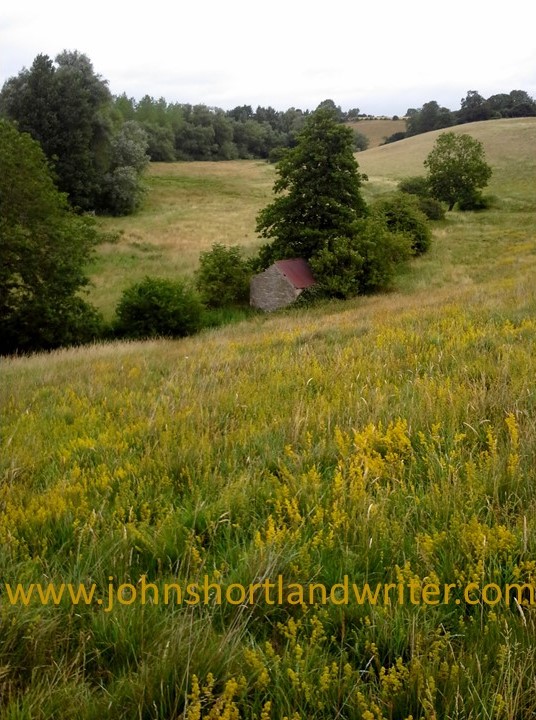
Tucked away in the fold of the wildflower banks where our horses graze is a small building that rarely gets a second glance if it is noticed at all. Semi-derelict and difficult to reach, its appearance offers no clues of its historic importance – important only to the history of the farm upon whose land it was built. Further up the valley the landscape offers some hints of its past use: a dried-up watercourse that only shows up after heavy rain; an old, crumbling pack-bridge that seems to lead nowhere.  It is only when the building is explored does its purpose become realised.Dornford Old Pump House watermarkDornford Old Pump House (21) watermark

The farm and its associated barns today seem isolated and remote by south of England standards, set high on the hill and away from roads. However, during the early medieval period it was a thriving community which had disappeared by late medieval times possibly due to the Black Death. By 1700 only a farm was left standing. In 1800 this was replaced by the present buildings although the 350+ year old dovecote and stable block both remain from those early days. All are now protected and their architectural features recorded. I can find no such protection or detail of the little pump house – for that is what this is – out of sight in the valley below. Yet it is a little gem!

Dornford 5 watermark

The seventeenth century stable block lies empty

Dornford Old Pump House (20) watermark

Arched entrance to the old pump house

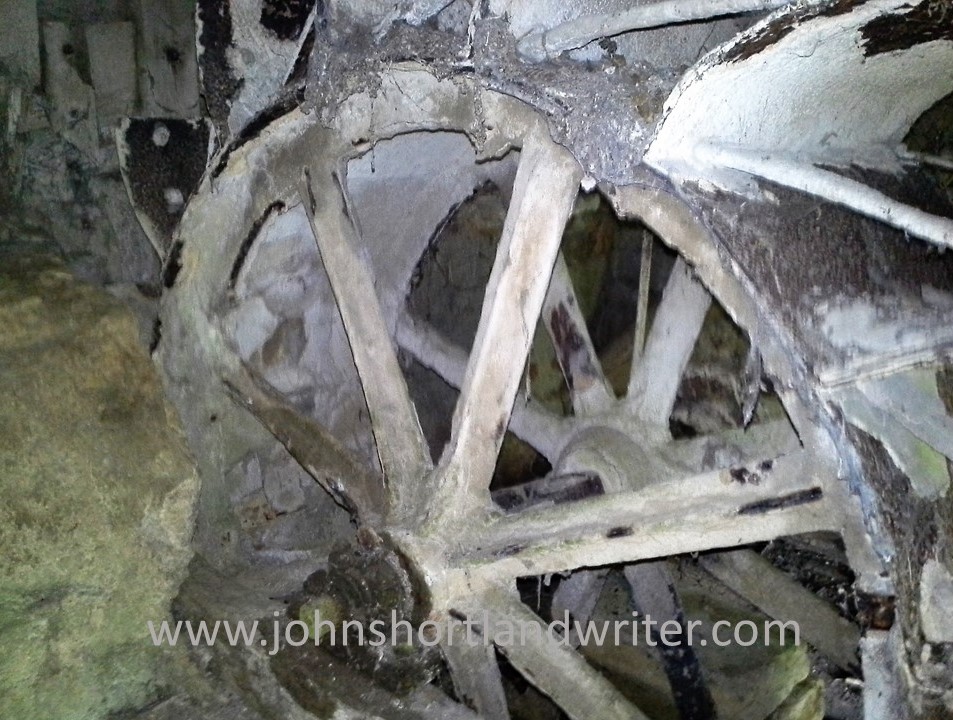
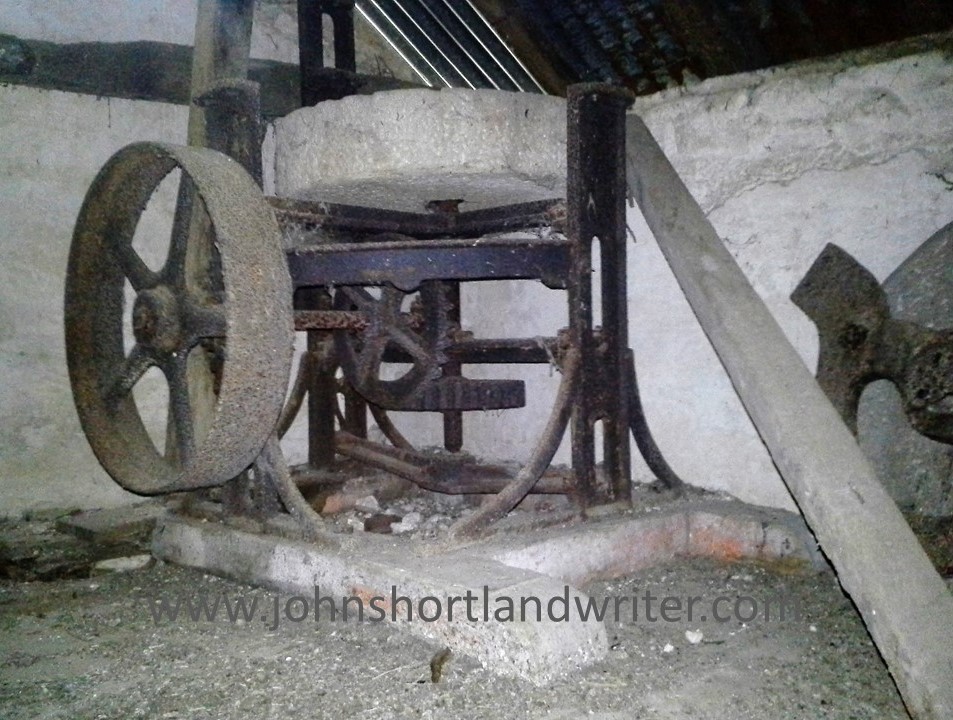
Probably built at the same time as the new farmhouse, the pump house would most likely have provided power for the barns as well as pumping water. What is fascinating about the building is that it still has its paddle wheel and much of its mechanism in place.

Dornford Old Pump House (9) watermark

The wheel – made from iron – is still in place

Dornford Old Pump House (16) watermark

Some parts of the building look as if they were deserted yesterday

Visiting the site isn’t for the faint-hearted. At this time of year, it is necessary to fight a way through chest height stinging nettles and to crawl through narrow and low passageways. Once inside, however, the architectural detail is delightful with its chamfered chambers and arched entrance and exit. Like all deserted places it is important to be vigilant at all times and not just in case of falling masonry. It’s just as important to keep an eye on what’s happening at ground level – this old well shaft, its cover rotten, waits to trap the unwary.

Dornford Old Pump House (5) watermark

Tall weeds almost totally hide the entrance to the building

Dornford Old Pump House (2) watermark

The well shaft with its rotten cover

A Thunderbolt and a Broken Cross

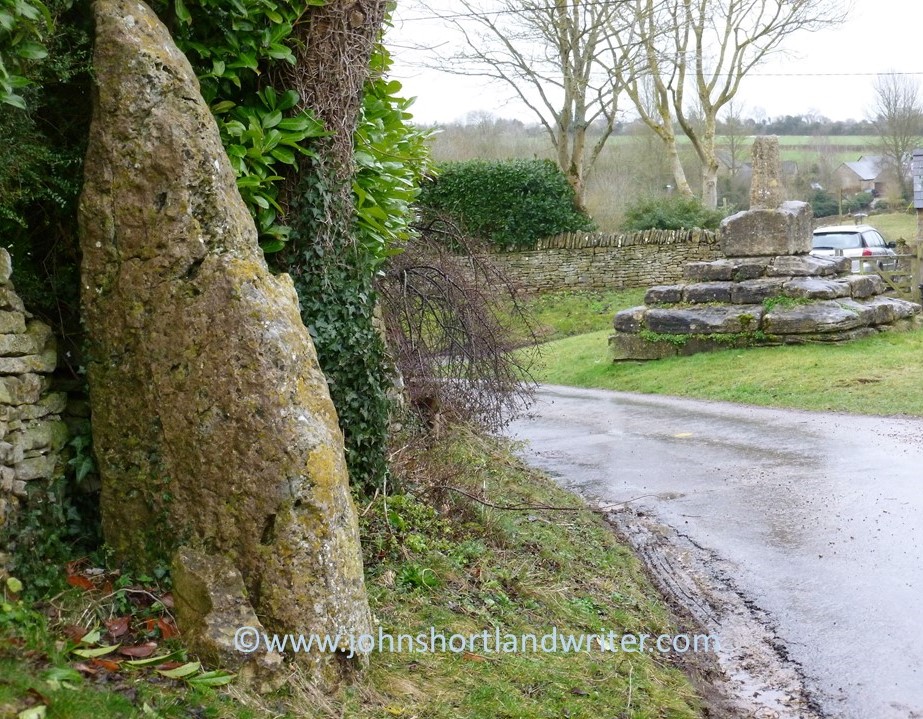
For so tiny a place, the Cotswold village of Taston, or more accurately ‘hamlet’, has more than it’s fair share of interesting features.  None can be so dramatic – in the most understated of ways – than the lump of rock hurled in rage by the Norse God, Thor and now wedged between the roadside and a wall.Taston (1) copyright

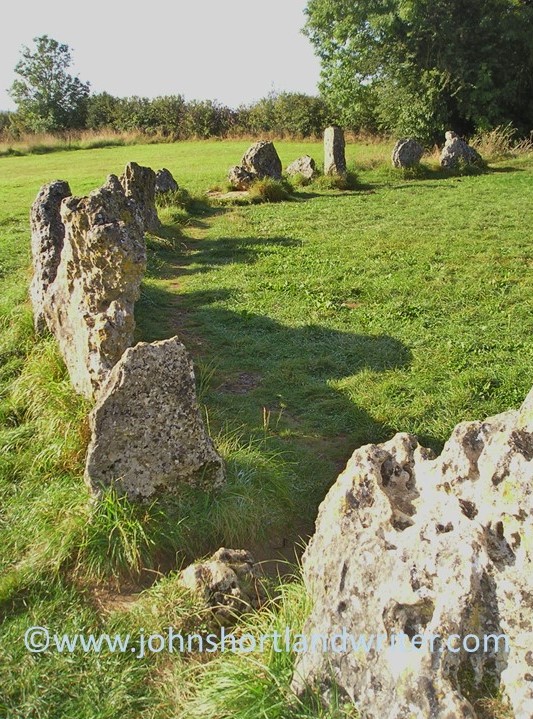
The Thorstone (from which the village’s name is derived) is one of a number of standing stones that litter this part of the Cotswolds.  They range in size from the extensive Rollright Stone Circle to the single unnamed stone that can be found in the town centre of Chipping Norton.Rollright Stones (5) copyrightChipping Norton Stone copyright

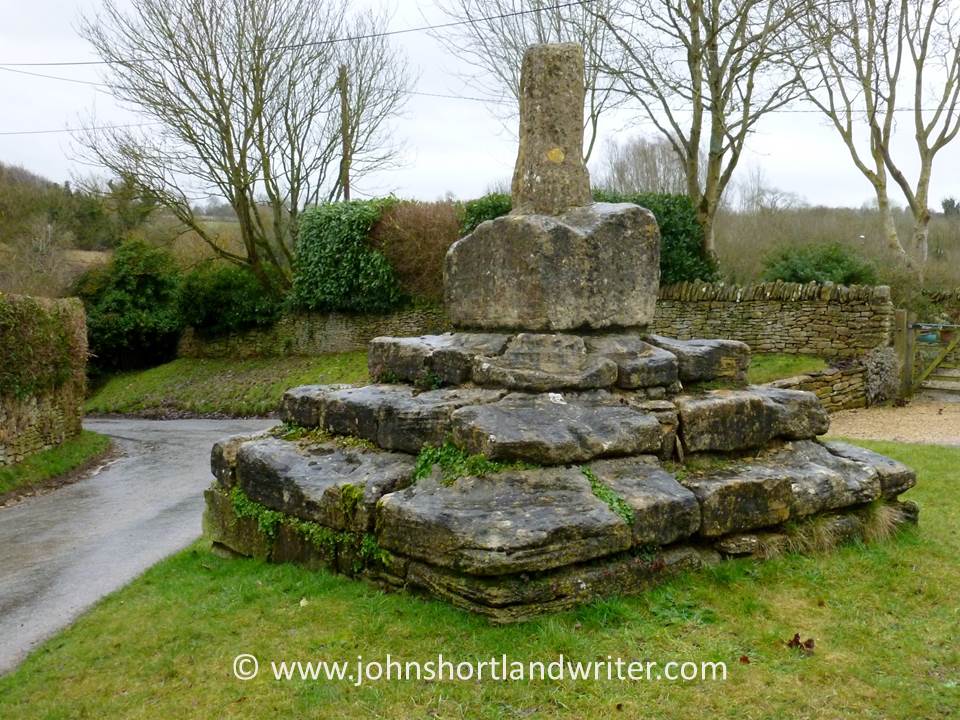
Close to the Thorstone are the remains of a medieval preaching cross.  Many were destroyed during the Puritans time of Cromwell (mid 1600s) but their base, as here, still remain.Taston - Broken Cross copyright

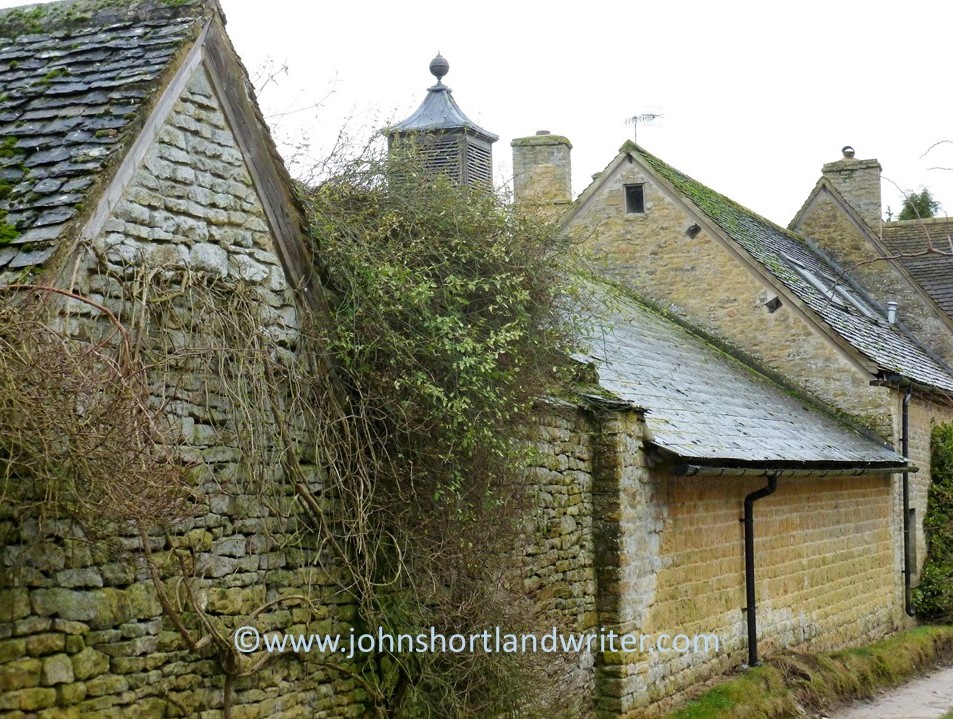
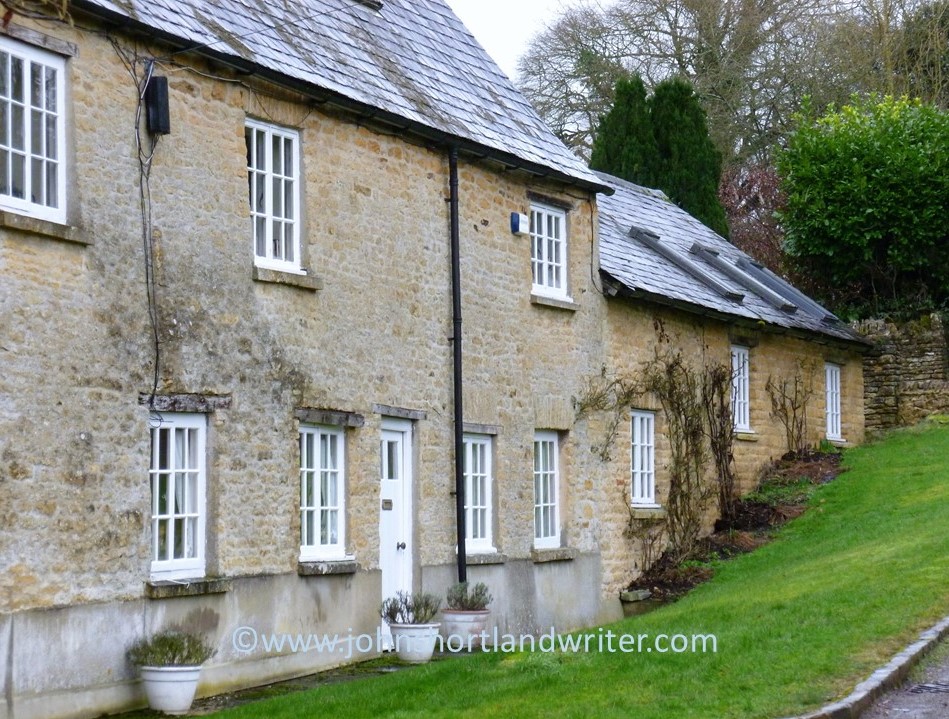
Ancient stone houses, many of them listed by English Heritage, line the three narrow streets of Taston.  Exploring on foot is the best way to see them and to absorb the villages tranquil atmosphere.  It is highly unlikely that you will meet others doing the same! Taston (2) copyrightTaston (4) copyright

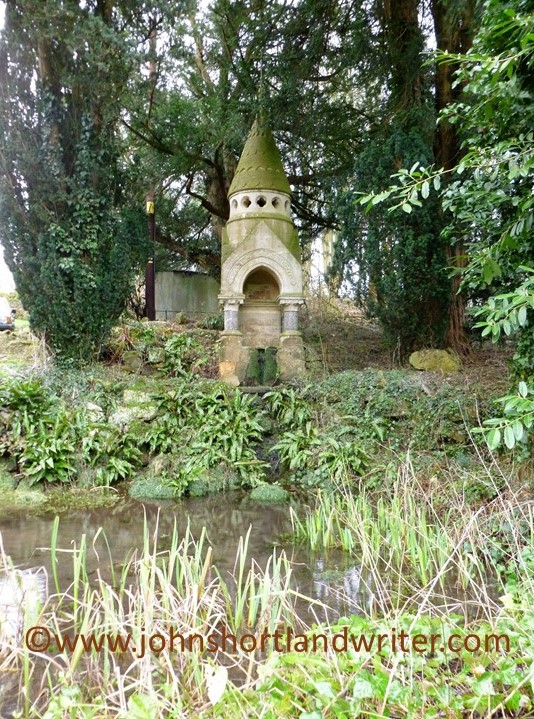
It is on foot, that you will find, tucked away beneath the trees, the memorial fountain to Henrietta, Viscountess Dillon.  Built in 1862 of limestone, granite and pink sandstone, it has the words In Memorium in a decorative arched band beneath its spire.Taston (5) copyright

Taston lies 4 miles southeast of Chipping Norton and 1.5 miles north of Charlbury.