A Walk Across Dartmoor – part 2

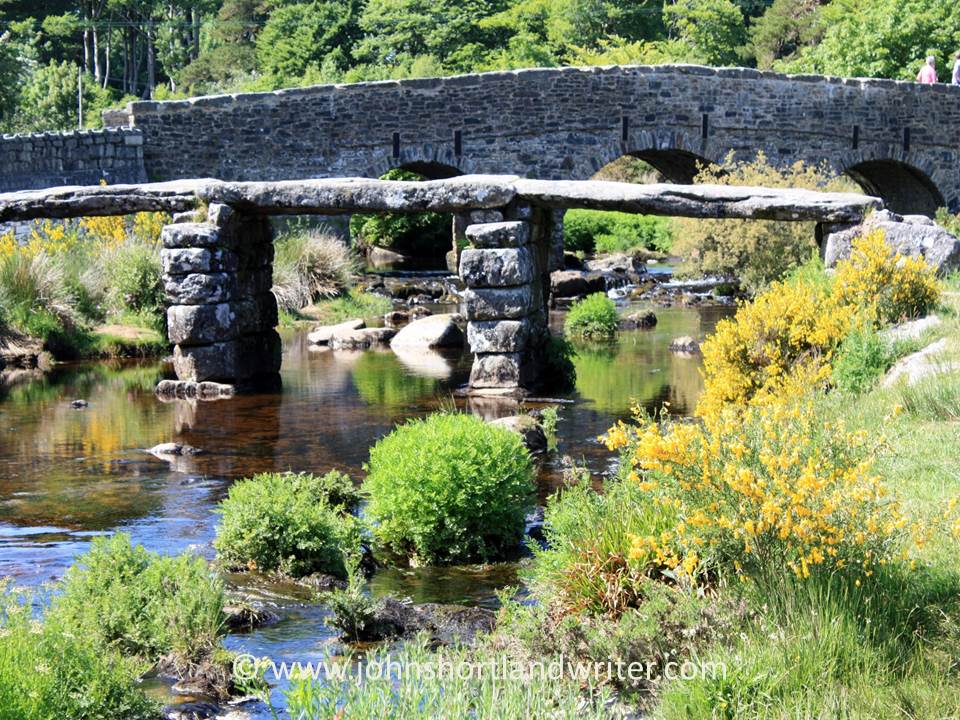
A riverside path heading north from the village of Postbridge, famed for its ancient clapper bridge, leads into the heart of the moor.  The bridge dates back at least to the fourteenth century and some of the slabs weigh over eight tons.  The ‘modern’ bridge in the background was built as recently as 1780.

Postbridge copyrightPostbridge 2   copyright

At the point where the river turns abruptly westwards are the remains of a beehive hut.  These were used mostly for storage and, compared to many of Dartmoor’s archaeological features which date back millennia, are also of more recent origin and date from the 1500’s.  They ‘disappear’ into the moorland  features but are clearly visible once you know where to look.

Beehive Hut (2)   copyrightBeehive Hut   copyright

Walking further onto the moor and leaving the river behind are the low grey shapes of the Grey Wethers double stone circle.  Sitting close to Sittaford Tor, they are so named for their resemblance to sheep, ‘wether’ being the Old English name for a castrated male sheep.  A tale, often repeated, is of a traveller stopping off at the remote Warren House Inn (where this walk started and will end) who complained of the poor quality sheep in the district.  After a drink or two, he was led to the circles and in the mist mistook the stones for sheep and bought them, only to discover later that he had been fooled.

Grey Wethers Stone Circle (4)   copyright

The two circles of Grey Wethers appear to the eye as one shaped as a figure of eight but an aerial view shows them to be quite separate to one another, sitting side by side.  The circles are of similar size and lie on a north-south axis although whether this is of relevance is unknown.  Numerous theories abound: perhaps the meeting place of two separate groups of people, or possibly they represent life and death. When excavations took place in 1909 a thick layer of ash was found to cover their centres but, again, the purpose of this is unknown.

Grey Wethers Stone Circle (2)   copyright

From Grey Wethers the walk back to the Warren House Inn skirted the edge of Fernworthy Forest.  Hidden behind the trees is Fernworthy reservoir, created by damming the South Teign River.  When water levels are low the remains of an old farm can be seen, as can the remains of a small clapper bridge, drowned reminders of life on the moor in times past.

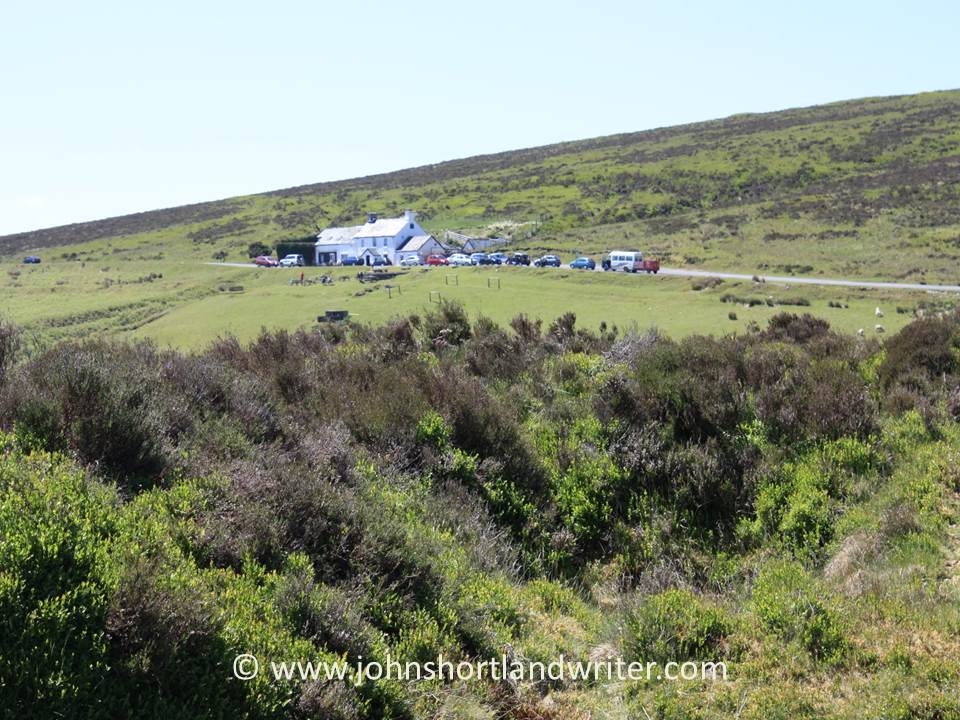
the remote Warren House Inn

the remote Warren House Inn

A Walk Over Dartmoor – part 1

All the best walks start and end at a pub and a popular place to aim for is the Warren House Inn.  Located in the heart of Dartmoor, a national park in the county of Devon in England’s West Country, it has been a stopping point for thirsty travellers since the mid eighteenth century.  The fire, according to tradition, has never been allowed to go out – probably out of necessity for the inn is isolated and exposed on a high windswept plateau.

Warren House Inn copyright

Two miles to the south-west of the inn is the village of Postbridge, famed for its ancient clapper bridge, first mentioned in 1380 and reached by a track opposite the pub.  It passes the remains of habitation for Dartmoor once had a tin mining community and these are just some of the signs of this now vanished industry throughout the moor.  The mining is thought to have predated the Romans, flourished during medieval times and also the nineteenth century before finally ending in the mid-1900s.

IMG_1121 copyrIMG_1124  copyri

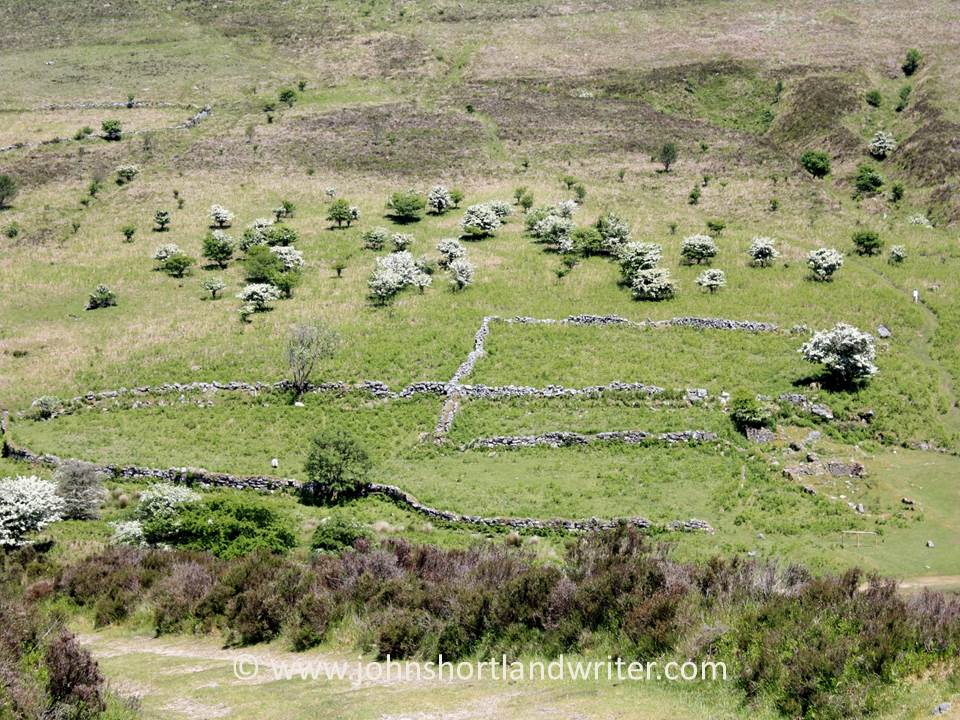
Spring comes late to this harsh environment: the few trees grow slowly and stunted.  When the moor flowers many different species of butterflies can be seen.

Stunted and sheep grazed hawthorn

Stunted and sheep grazed hawthorn

Small Pearl-Bordered FritillaryButterfly

Small Pearl-Bordered Fritillary Butterfly

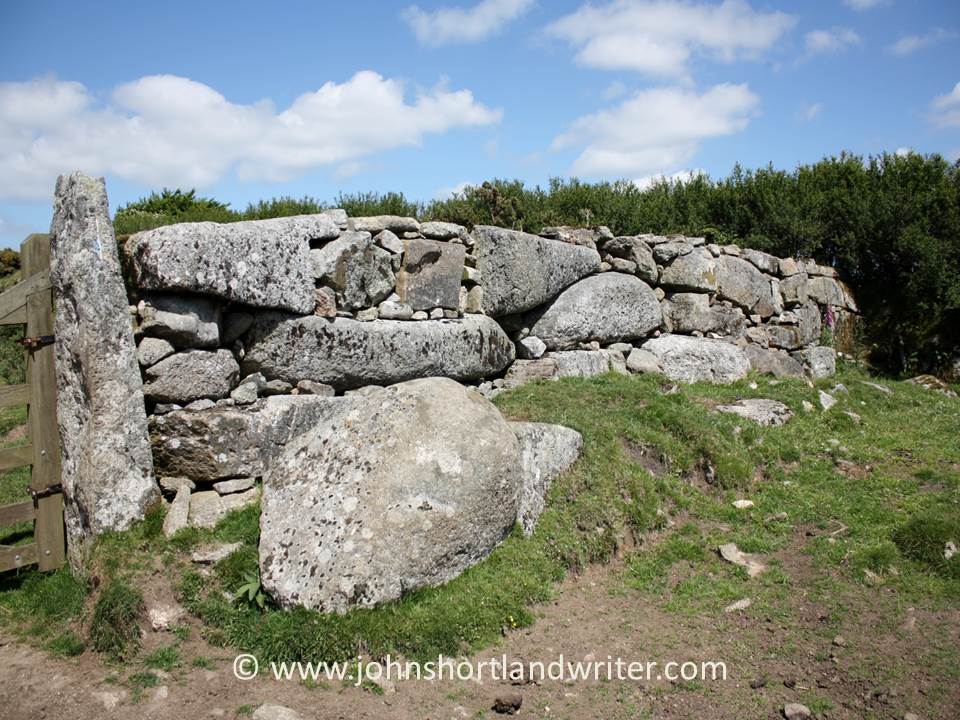
As with many parts of Britain where rock lies close to the surface, drystone walls are a feature.  Unlike the soft limestone walls of the Cotswolds which use small pieces of thin, flat stone, Dartmoor’s are granite and some of the stones massive.  It is hard to conceive how they were built but the huge slabs foreshadow those that are to be found at Postbridge.

Drystone Wall   copyright

Crossing the East Dart River, the clapper bridge at Postbridge is perhaps the best known of all of these bridges in England although there are more than two hundred on Dartmoor alone.  Thought to have been built to allow carts to carry tin off the moor, the bridge is over four metres long and two metres wide.  Some of the stones weigh more than eight tons.  The village consists of a few houses, a pub and a post office and is a favouriteplace to stop  for a traditional Devon cream tea.

The clapper bridge with the 'new' bridge behind built in 1780

The clapper bridge with the ‘new’ bridge behind built in 1780

Postbridge 2   copyrightPostbridge 3   copyright

A riverside path heading north from the village leads into the heart of the moor towards the next stopping point, the prehistoric Grey Wethers stone circle, featured in part two of this blog.

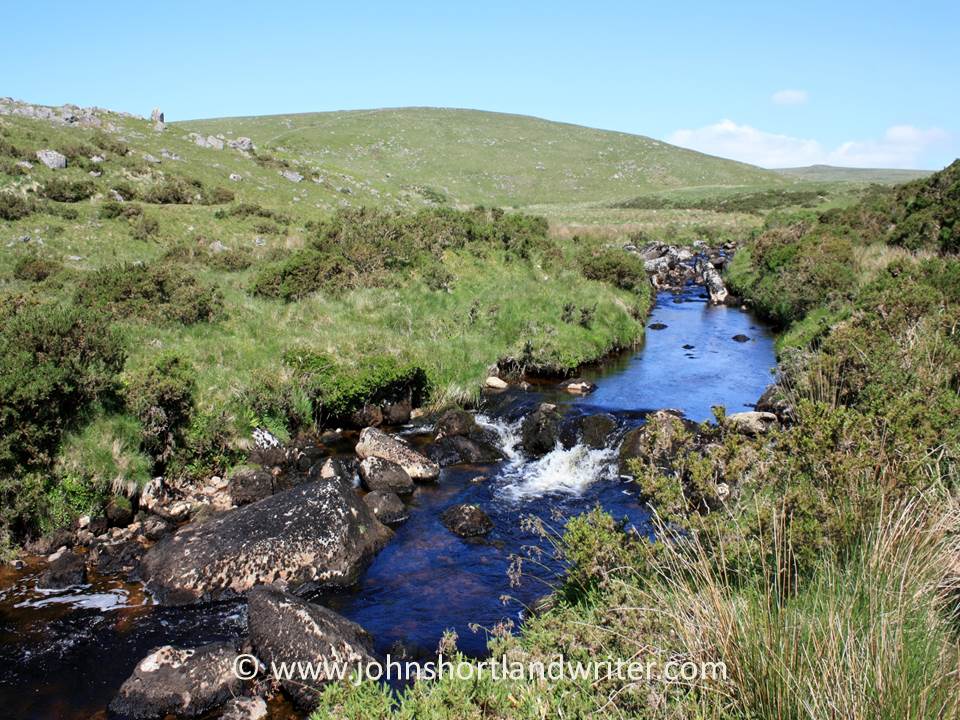
East Dart River   copyright

Seeking Great-Aunt Ba-ba

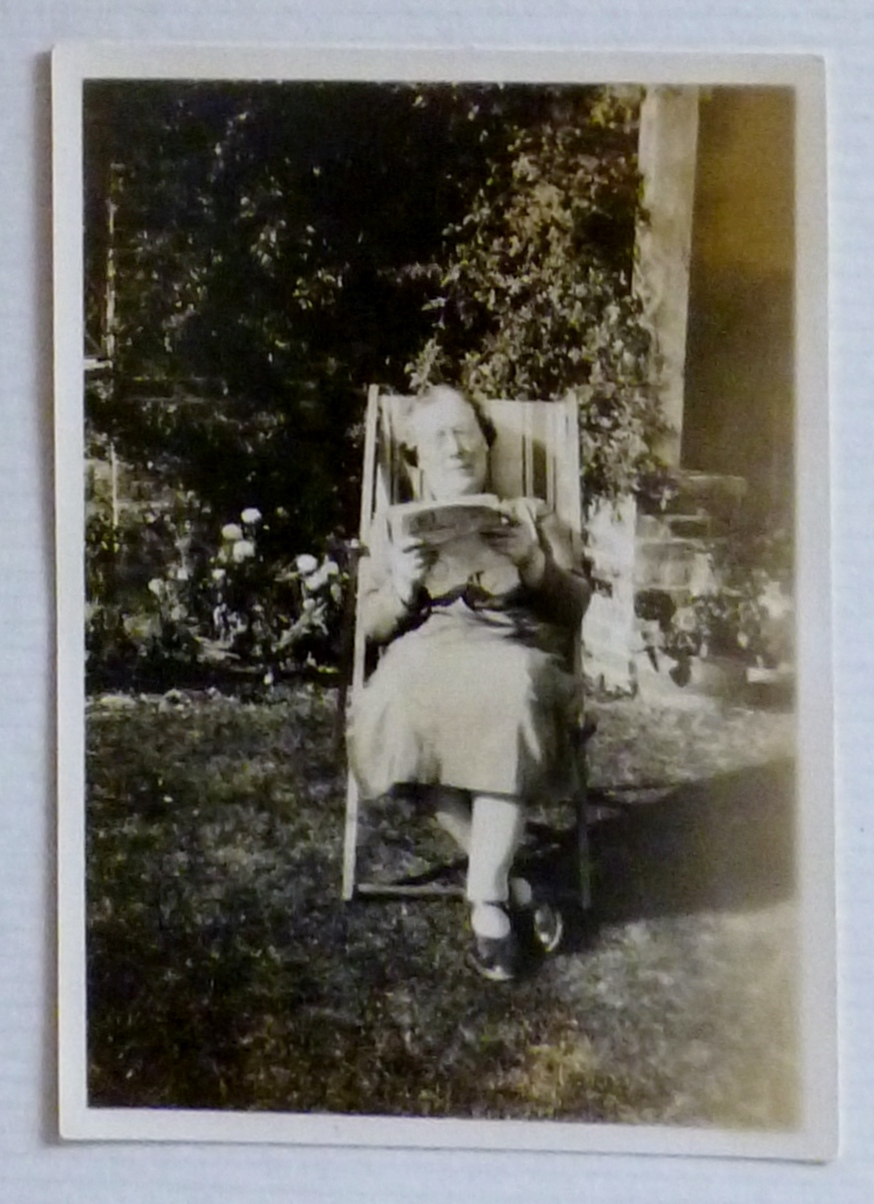
Some people make a lasting impression on you and in the case of Great-aunt Ba-ba it was just as well for I only met her once as a child when she was very elderly.  Someone of twenty seems ancient to a youngster, as for being ninety, I just couldn’t get over anyone being that old or that much fun.

Gt Aunt Baba (Frances White) 90th bithday about 1965

photo take by me about 1965, which means she would have been born around 1875

Great-aunt Ba-ba was a ‘spinster of the parish’, a description that conjures up a sad and somewhat diminished individual whereas in reality, if she was anything to go by, they were far from that.  Lively and interesting, I adored her instantly but was too young to ask her any questions about her life.  I doubt if I would have been told much anyway for that generation were far too busy living in the present: perhaps the effect of surviving two world wars.

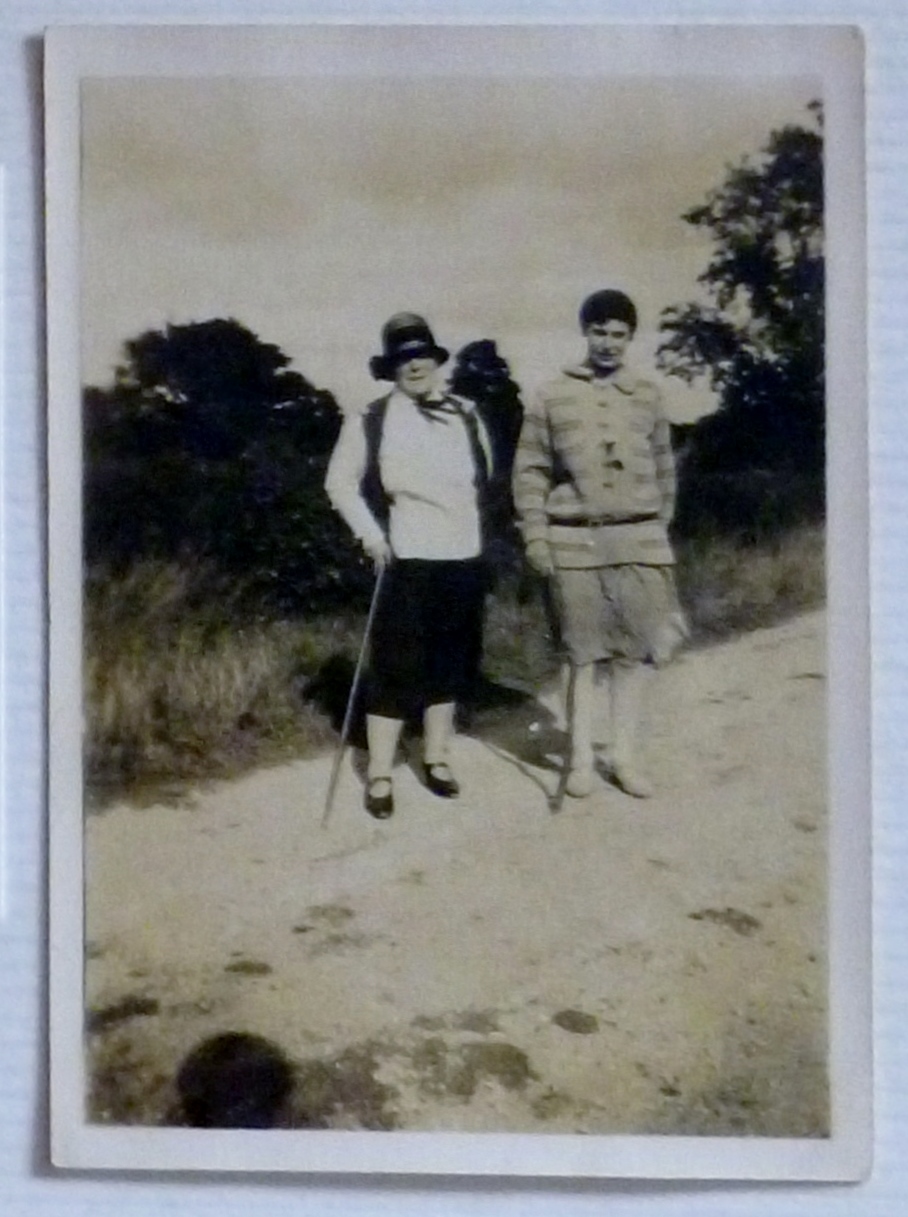
Frances White - auntie baba - and Clara Joyce Shortland

On the left, about 1925

One story I heard many times from my father was of how when he and his brother were sent to stay with her in the school holidays they were allowed to run wild, something that wouldn’t have been tolerated by their strict parents.  This would have been about 1920 and to reach Rudgwick in Sussex from the Thames Valley took the whole day.  Once there they would spend all day running free through the woods and cowslip-ing in the meadows.  On trips to the south coast my father would always make time for a detour to show me his playground and Aunt Ba-ba’s wonderful house. postcard of Greenhurst, nr Rudgwick

about 1918-20

So how did she get her pet name?  I have no idea – I understand that her real name was Frances White – and there is no one now left alive that can answer the question. Perhaps her name was Barbara, or is that too simple an explanation? I had another great aunt that was called ‘Toddles’ so perhaps silly names were just a family thing!

Frances White - auntie baba

1940’s?

I’d always assumed that Frances White was just a family friend for, in days past, it was customary for children to call them aunt or uncle out of respect.  Recently I have discovered another old family photograph – that of Charles William Langston-White and this could be a missing link.  His mother Norah Langston (my first cousin twice removed, whatever that means) married James William White in 1909 – he was born in Sussex.

charles william langston-white, aged 3yrs 3mths

“aged 3yrs 3mths” so taken June 1916

Could Great-aunt Ba-ba have been related to this White family?  I would have thought it probable but, so far, my researches have drawn a blank and I have found no trace of her having even existed in the public record books.  Fortunately I have these few photos of her and my memory to prove she existed.

If there are any enthusiastic genealogists or amateur sleuths reading this I will be grateful if you can find out more.

On the Edge of the Precipice

Snowdonia, the third of Britain’s national parks to be designated (and the first in Wales) is a popular holiday destination despite it being the wettest place in the UK.  Mt. Snowdon, Wales’ highest peak after which the park is named, is challenging to climb although thousands ascend by the easy route – using the narrow guage railway.

Far to the south and away from the crowds the scenery is still dramatic giving great opportunities for hill walking.  It is possible to walk all day with only ravens, buzzards and red kites for company.

WALES FEB 2006 006   copyright

The Precipice Path near the small town of Dolgellau is a relatively short and easy circular walk that offers spectacular views in all directions.  It is a good introduction to walking in the hills for it is well signposted and, more often than not, there are other walkers nearby.  If, like me, you prefer to walk in splendid isolation then that is still possible by starting early or late in the day and avoiding weekends.

Precipice Walk   copyright

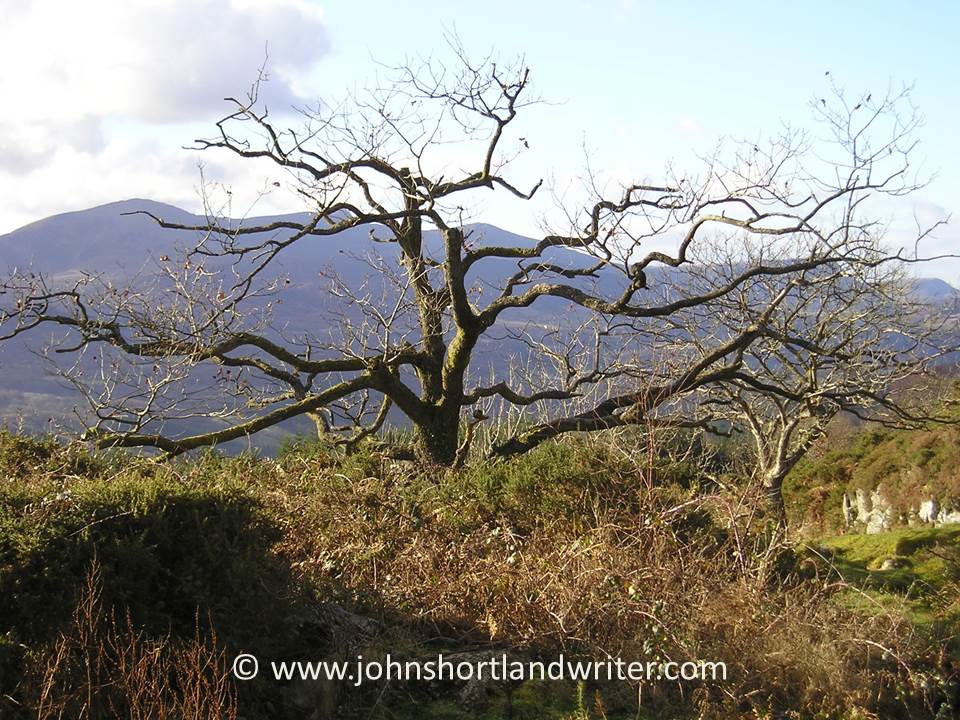
The path leading up to the precipice winds its way gently alongside woodland before climbing more steeply for a few hundred yards.  It is rocky and uneven and, as with any hill walking, strong shoes or boots should always be worn.  During the winter, this part of the path is often icy.

Precipice Walk (3)   copyright

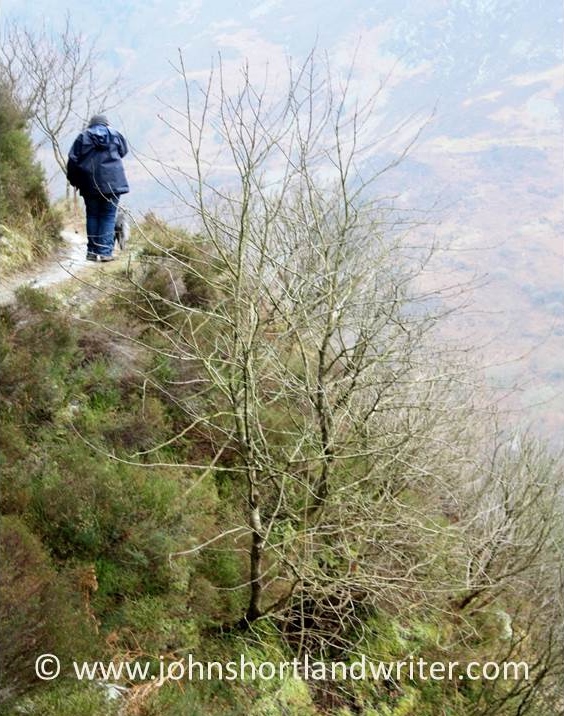
As the path turns towards the west spectacular views of the river, the Afon Mawddach appear, set in a deep glacial valley that leads out to sea.  The path now narrows and with a sharp drop to one side – although it is quite safe small children need to be supervised and those that suffer from a fear of heights will find this stretch challenging.
Precipice Walk (5)   copyright

Precipice Walk (8)   copyright

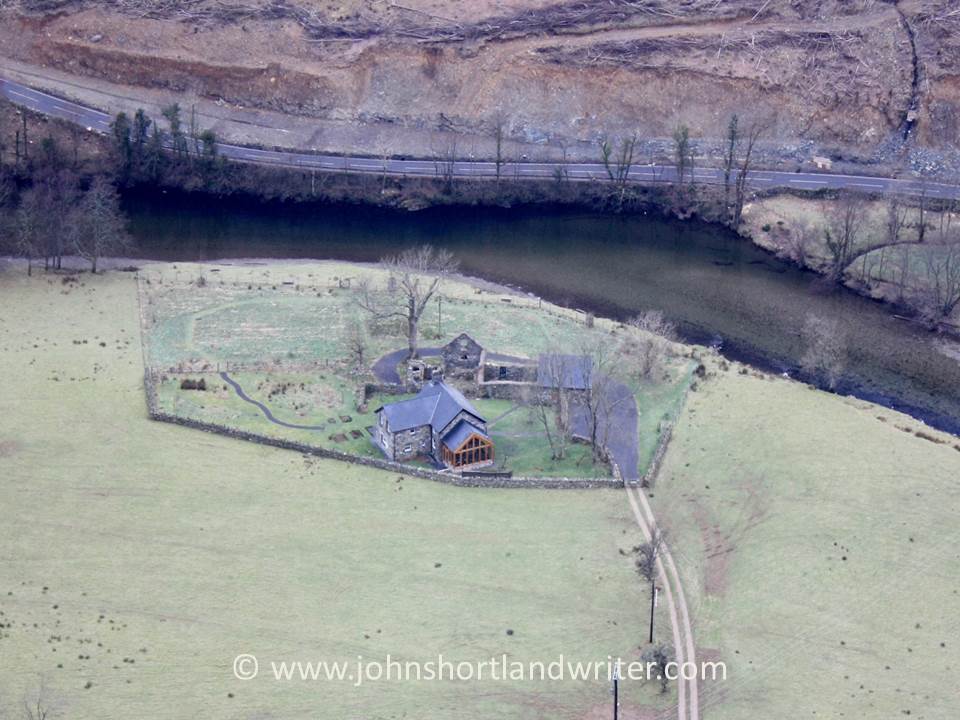
For those not worried by height the bird’s eye view of Dol-y-clochydd is fascinating especially if you are lucky enough to see the sheep being herded by the farmer and his dogs.

Precipice Walk (7)   copyright

At the halfway point, a bench marks the end of the precipice and from here there are vews of the village of Llanelltyd and of the river flowing into the sea.Precipice Walk (10)   copyright

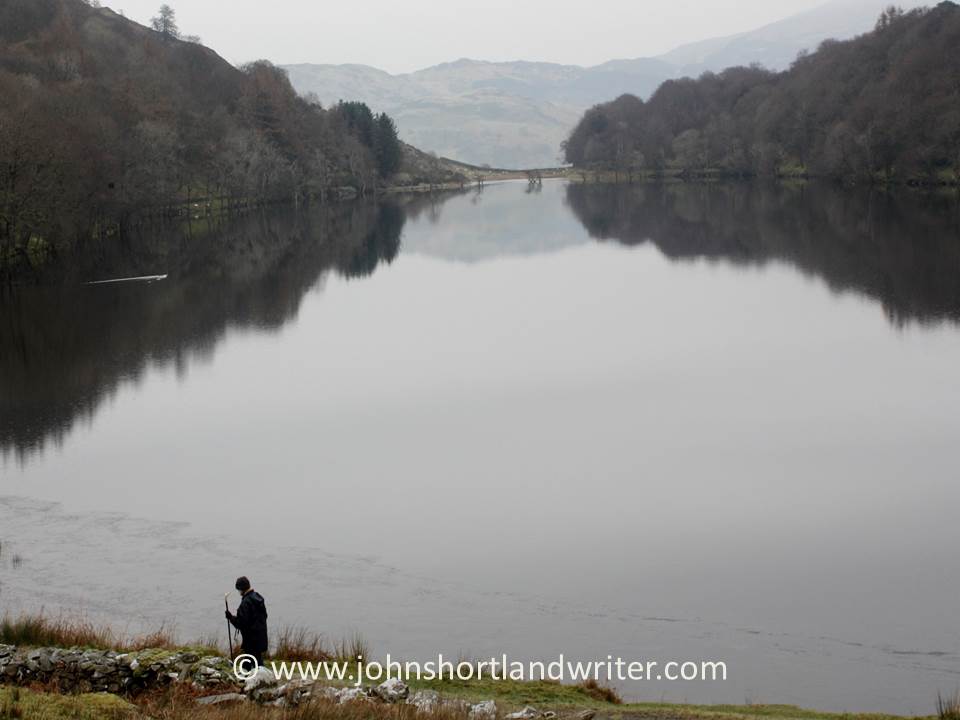
The path now turns back on itself in a wide arc before descending to the edge of Llyn Cynwch, a small reservoir with views of the mountains and crystal clear water giving superb reflections.  The path follows the edge of the lake until it returns to the starting point of the walk.  Novice walkers should allow at least two hours for completion.

Precipice Walk (12)   copyright

The Precipice Path lies within the nine hundred year old Nannau Estate and, although not a public right of way, the estate has opened it to the public since 1890.  It is a working estate and there may be sheep or other livestock roaming freely so it is necessary to keep dogs strictly under control. Precipice Walk (18)   copyright

Visiting The Exmoor Society

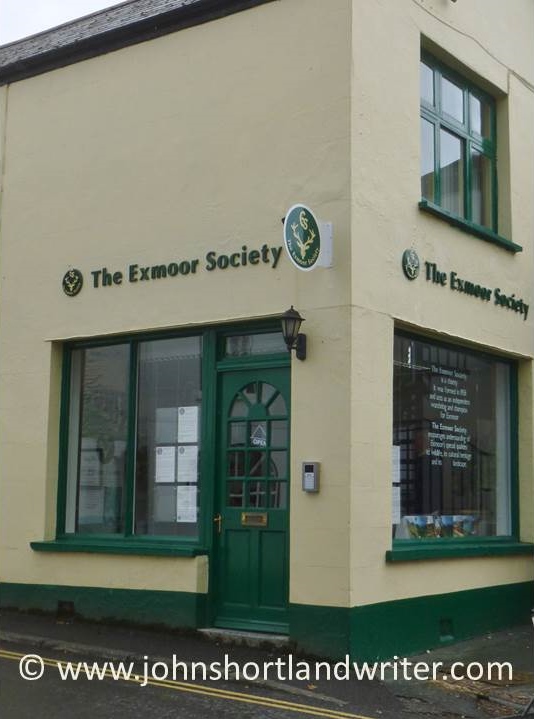
Devotees of Exmoor, a National Park in Britain’s West Country, who want to learn more of its past and wildlife will find a friendly welcome at the Exmoor Society’s new headquarters.  Closely associated with Dulverton since its inception in 1958, it has recently moved to its new location within the town centre.Exmoor Society HQ (13)   copyright

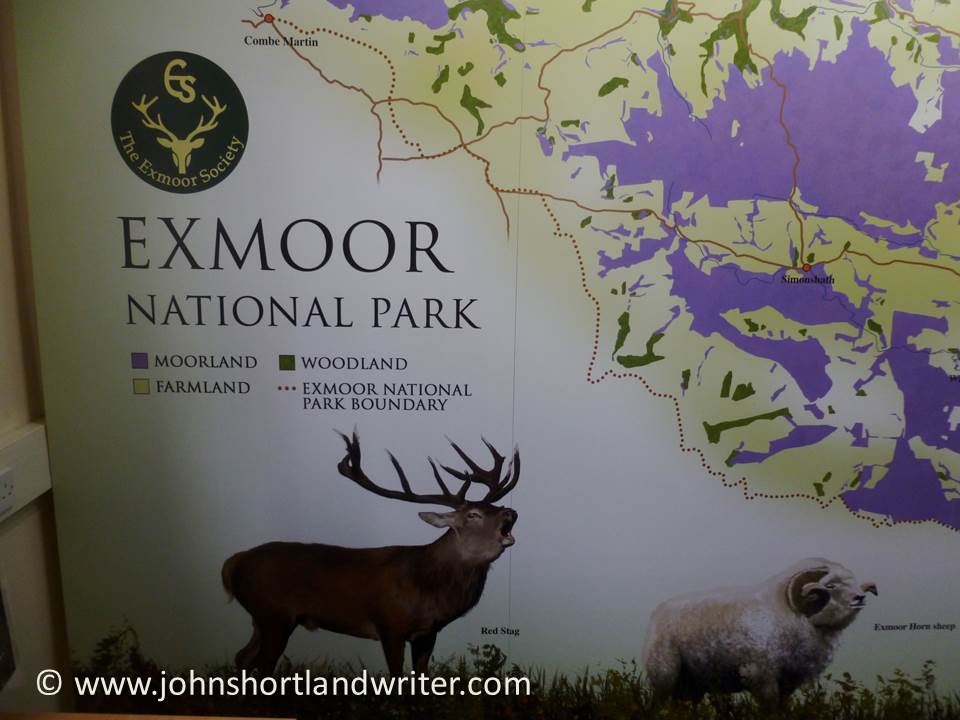
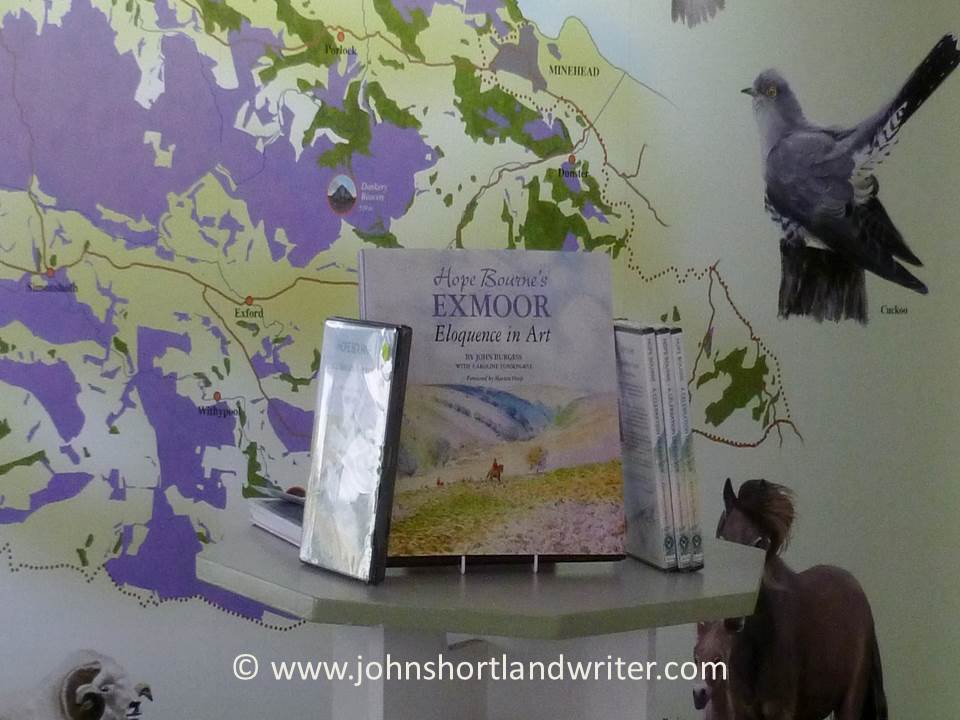
A pictorial map filling the whole of one wall draws your attention as you enter the building, beautifully illustrated with iconic Exmoor animals and birds: Red Deer, Exmoor Ponies and Buzzards to name a few.

Exmoor Society HQ (3)   copyright

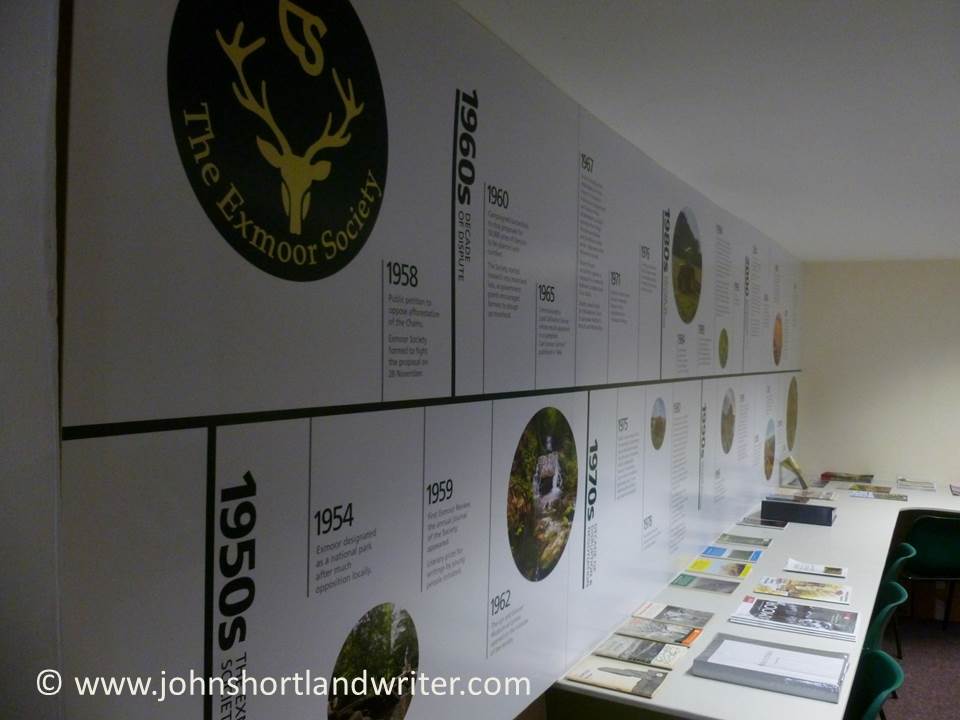
Leading from the map is a room where visitors are able to look at old copies of the Exmoor Review, published annually and other archive material.  A timeline charting the period from the 1950s to the present day stretches along a wall lined with seats and work tables and makes fascinating reading in its own right.  Exmoor Society HQ (4)   copyright

The library’ shelves are stacked with books, many rare and out of print and covering every aspect of Exmoor life.  These are a great resource not just for the serious student of Exmoor but also for those that just want to dip into the pages of one that catches the eye.  Some titles, where there are several copies, are for sale.Exmoor Society HQ (12)   copyright

With over fifty years of collected material, the Exmoor Society has a wealth of information some of which, in the past, has not been readily available to see.  In 2014 funding was acquired for an Outreach Archivist, Dr Helen Blackman, to catalogue and resolve these issues.  Her progress can be followed on Twitter @ExSocArchivist.

Exmoor Society HQ (11)   copyright

One of the greatest bequests to the society was all of the papers, drawings and paintings of Hope Bourne who became world famous for self-sufficient living in a caravan in a remote part of the moor.  Much of the material is in a fragile state but reproductions commissioned now show the beauty of her work.  The society has recently published a book showing some of her paintings, many for the very first time entitled Eloquence in Art and this can be purchased either at Dulverton or online.Exmoor Society HQ (14)   copyright

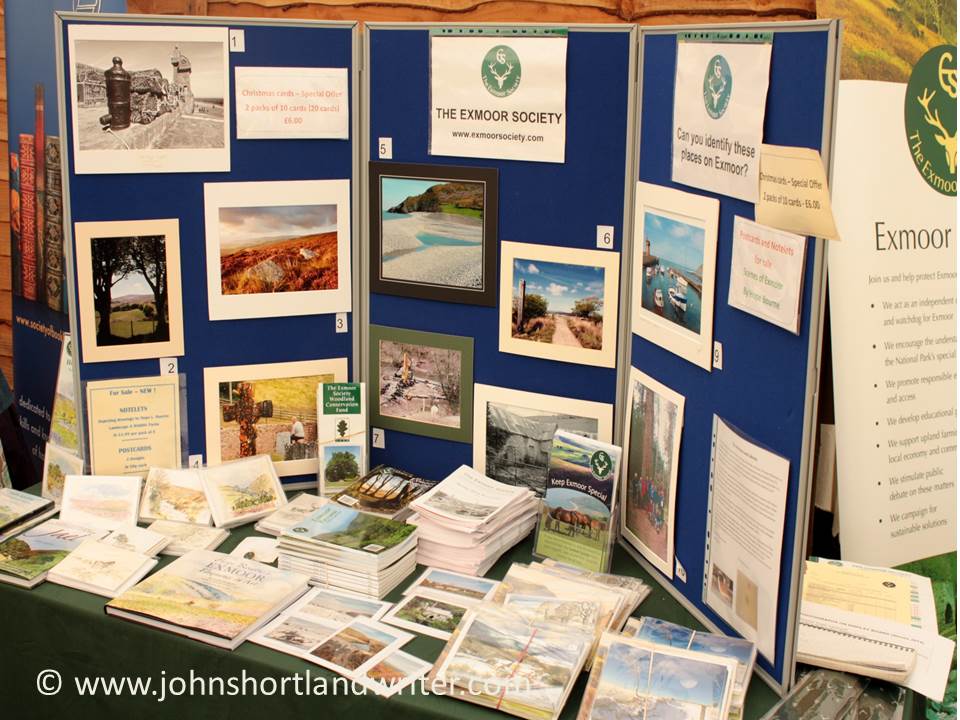
The Exmoor Society aims to reach everyone with an interest in Exmoor, including the landowners and people that live and work on the moor.  It takes its message to numerous shows and exhibitions and also leads walks throughout the year.Exford Show 2014 (9)   copyright

To find out more about the Exmoor Society drop into Dulverton or take a look at its website by clicking the link here.

2014 in Review: July – December

Christmas has been and gone, even the New Year is a few days old.  A time of old traditions and also some new ones – one of which is the review of the year past.  The first six months can be found by clicking here; now for the next six.

This is the time of feasting, of plenty but in days gone by the essential time of year was harvest.  Without a successful gathering of the corn life during winter would be tough for country folk. Harvest, which starts here in July, is still one of the busiest times of the farming year and despite modern machinery replacing many of the labouring jobs in many ways the task remains unchanged. As a young man I helped on what must have been one of the last farms to harvest in the ‘old way’.  Working from dawn to dusk, it was hard but we didn’t stop until we knew “all was safely gathered in”…

All is Safely Gathered In?

I tend to avoid Exmoor, England’s smallest National Park, in August for it can become quite busy with visitors (I’m selfish and don’t want to share it with others).  This year was different and I arrived in glorious sunshine, the perfect time to see the heather moorland which is in full bloom this month, a purple haze.  To keep it looking as perfect as in the image below, the moors are set alight, an ancient practice known as ‘swaling’. The resultant new growth provides food for the sheep, the wild ponies and the other wild birds and animals that roam the moor…

c4098-heather2b52b2b2bcopyright

Horses play an important part in my life and in September the Burghley Horse Trials take place.  The trials feature three elements of horsemanship: dressage, show jumping and cross-country.   It takes a brave horse and rider to tackle the latter element for the course is very testing and some of the jumps huge.  Accidents do occur, fortunately rarely seriously but when there is a problem with perhaps a fence needing repair, part of my job is to prevent other competitors from running into them. Stop That Horse! lets on what happens ‘behind the scenes’…

a7d17-cottesmore2bleap2b2b2bcopyright

The story of Lorna Doone and John Ridd, the man who saved her is a well-known and much loved tale of romance and treachery, set on 17th century Exmoor.  Many of the places and people – but not all – that feature in the book do or did exist.  In October I explored what is fact and what is myth? Click here to find out…

d95a2-badgworthy2bwater2b2b2bcopyright

There can be fewer more bizarre buildings in the world than The Pineapple in Scotland.  In November I was lucky enough to stay there and to explore the other fascinating and ruined buildings associated with it.  I also found time to travel further afield and take in the spectacular scenery around Loch Lomond…

e226c-the2bpineapple2b42b2b2bcopyright

Rummaging in a cupboard at home in December I  came across some old photographs that had been inherited many years earlier.  Noticing a signature and doing some research turned into something far more exciting than I ever could have imagined – it turned out to be ‘a great game’…

006   copyright

2015 looks to be a good year with a number of exciting projects and travel ahead giving plentiful topics for blogging.  May it be a good one for you too.   Thank you for your support and may the New Year bring you all health and happiness.
HAPPY NEW YEAR

2014 in Review: the first six months

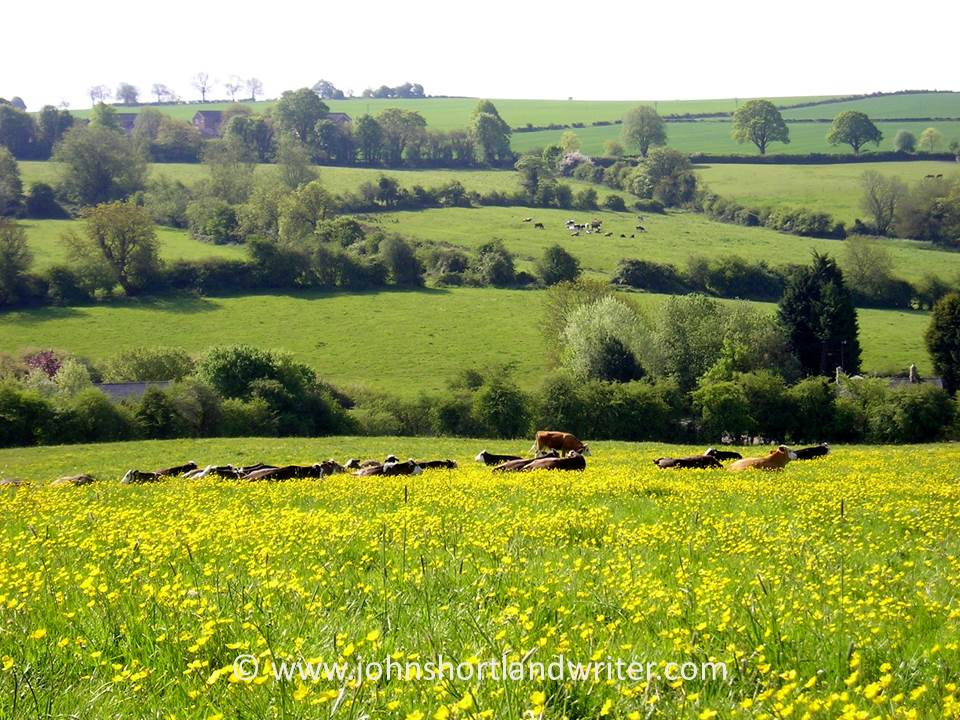
So another year is almost over and it certainly has been a busy one for me.  Living and working in the spectacular Cotswold countryside, a classified area of Outstanding Natural Beauty (AONB) is a great treat and one of which I never tire.  It’s also nice to go off exploring other places so 2014 found me in other parts of the UK and  Ireland too.  One of the first places I visited, however, was only twenty miles down the road but light years apart in reality!

a typical Cotswold scene   copyright

typical Cotswold countryside

Like many people that live close to tourist attractions I don’t often visit the ones on my doorstep but last January found me walking the streets of Oxford.  I hadn’t come to explore the colleges but the covered market which dates back more than two hundred years.   The history of the market and the building is fascinating and is well worth making the time to visit – especially if you like a bargain.  To read more about it and to see other photos click here.

0bab1-copyrightjjj

One of the fathers of ecological writing died tragically young and in February I matched quotations from his work to images I had taken (to see them, click here).  My favourite was noticed by the Society that bears his name and reprinted in their journal.  I felt very honoured!

7d91b-hmecopyright

Wild and rugged scenery is often best appreciated over cake and coffee and at Watersmeet in Exmoor National Park you can do just that.  Two rivers collide spectacularly besides the Victorian fishing lodge that is now owned by the National Trust and run as a café. March found me walking through beautiful scenery as well as indulging myself and the link to this remote but very accessible place is here.

c6c63-watersmeet5copyright

Dublin, the capital city of Ireland is a favourite place of mine and in April I visited the Casino Marino, one of the most impressive and perfect neo-classical buildings in Europe.  Everything about it was designed to deceive so although you only see one window on each side you actually have – well, click here to find out what plus all the other deceptions the Georgian architect managed to fit in.

Casino Marino

Planting trees is a long term project for they rarely mature during the life of the planter.  Of all the hundreds I have done in my professional life none has given me as much pleasure as this particular one.  I have waited for years for it to flower and in May it did so for the first time.  I felt quite emotional – it was a case of finding a handkerchief.  Take a look by clicking the link here.

Davidia involucrata   copyright (2)

The Cotswolds are world renowned for their ‘chocolate box’ village scenes and Lower Slaughter must be one of the contenders.  Despite its name it is a beautiful and tranquil place to visit for it has everything from crystal clear trout streams to olde-world stone cottages to a mill complete with working water wheel. If you choose the right time to explore you can have the place to yourself.  To learn more click the June link here.

2d910-lowerslaughter3copyright

A Great Game?

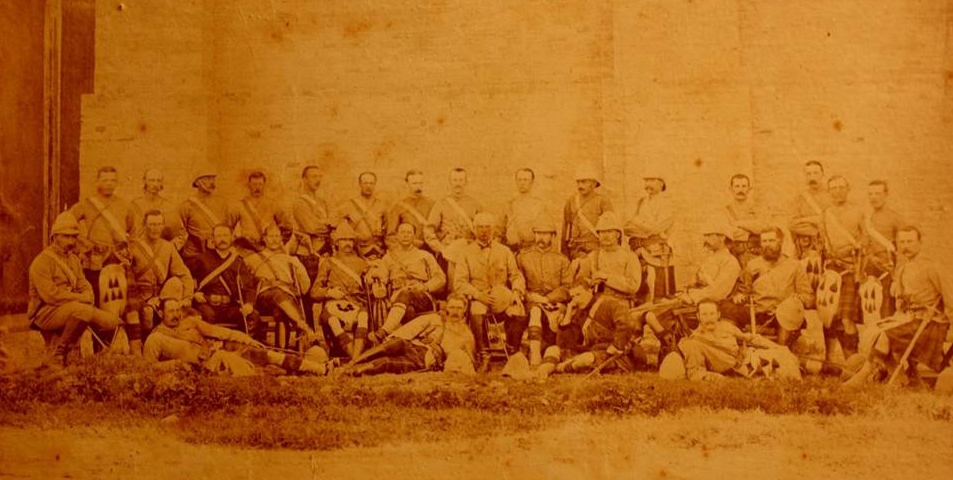
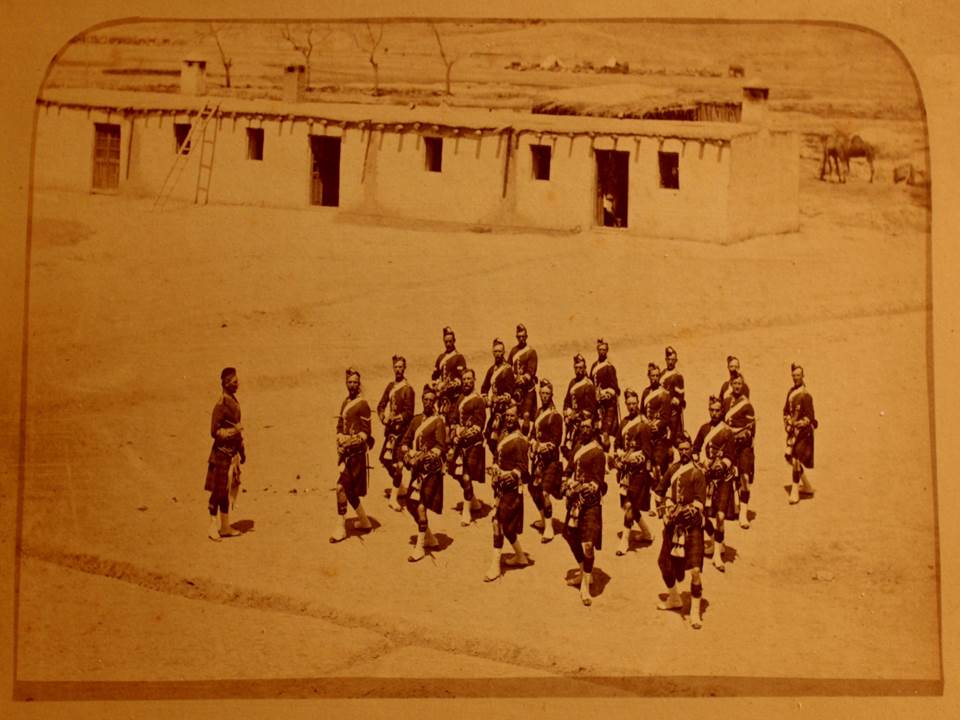
A series of faded, sepia photographs have always been a mystery to me, just something else put into a cupboard and forgotten.  Handed down through the generations they recently came to light once more and looked at with renewed interest.  Who were these people and what connection might they have to my family? Two of the images were signed and with this name as my starting point the tale of their origin began to emerge.  The story that is unfolding only deepens the mystery for they were part of the ‘Great Game’, a term I hadn’t come across before.  Now, for me, it has two meanings: warmongering and my struggle to seek out the truth behind them.

003   copyright

Rudyard Kipling brought the ‘Great Game’ into everyday circles by using it in his novel Kim, published in 1901, although the term had been in use for many years before that.  It described the cat and mouse rivalry between the British and Russian Empires that lasted throughout the nineteenth century.

006   copyright

copyright   005

Britain, alarmed at Russia’s expansion southwards, feared that Afghanistan would be used as the gateway to an invasion of India.  To avoid this, troops were sent to install a puppet government in Kabul but within four years order was breaking down and the garrison was forced to retreat.  Caught in a series of ambushes, Afghan warriors slaughtered all but one of the 4500 troops and 12000 followers. By 1878 the British invaded again following the Afghani’s refusal to allow a diplomatic mission to visit. A treaty was signed and the army withdrew leaving a small staff in Kabul: in the autumn of the following year they were killed leading to full-scale war – the Second Anglo-Afghan War.  Travelling with the British army was a freelance photographer, John Burke, and it is his signature that appears on my photos.

007   copyright

copyright   004

History, as we all know, has a habit of repeating itself and sadly the rivalry between Russia and the West over Afghanistan has continued.  Inspired by John Burke, the war photographer Simon Norfolk has carried out a new series of images.  Intriguingly, he lists all of Burke’s plate numbers – the two of mine that are numbered are left blank so perhaps this is the first time they have been seen; rather an amazing thought.

copyright   002

008   copyright

All that is left now – and no mean feat – is to identify the places and the regiments and to find out where (and if) my family fit into all of this. I have been helped along the way by enthusiasts from a Facebook group.  One of them, Arnie Manifold, has an ancestor that fought there and it is his medals that are shown in the image below.  Wouldn’t it be extraordinary if we discovered his face on one of these old photos?

copyright   001

copyright   Second Afghan War Medals copyright Arnie Manifold

To view Simon Norfolk’s website and more information on John Burke, click here

To find out how a series of colourful postcards, brought back by my father from WWII, led to the discovery of a German fairy-tale castle, a love affair and an epic poem, click here.   

Brasserie Blanc Cheltenham

Cheltenham, on the western edge of the Cotswolds, is full of historic Georgian buildings which make it an interesting place to visit if you are readily bored by the now characterless towns that have had their hearts ripped out in the interest of modernisation.  Although it has all the major chain stores there are still very many smaller, independent shops which help to make the centre busy and vibrant.  There are, however, plenty of opportunities to escape the throng of shoppers by relaxing in its parks and green spaces which are close to hand and beautifully maintained.  With so many positive attributes, it is not surprising to find that there are also numerous cafes, bistros and restaurants – great news if, like me, you prefer your relaxation to revolve around food and drink.

Cheltenham (3)   copyright

One street that incorporates all of the above elements is The Promenade, a wide tree-lined boulevard.  We made our way to the top end of it, walking past the splendid Town Hall with its fountains, to reach Brasserie Blanc where we had booked a table for a Saturday lunch.  Set in a delightful Georgian townhouse, it has very recently been completely refurbished and, judging by the number of diners there, has retained its loyal clientele.

Cheltenham (4)   copyright

Any culinary venture that has Raymond Blanc’s name attached to it is bound to be a good choice and Brasserie Blanc didn’t disappoint whether in its understated interior design, the friendliness and efficiency of the staff and, most important of all, the quality of the food.

Slide1

The huge arched windows and high ceilings give a feeling of space and natural light, both of which prevent the L-shaped marble bar, which runs almost the full length of the building, being too dominant.  It is visually impressive and imparts a delightfully informal atmosphere to the dining area.

Slide2

Our Italian waitress, Chiara, who was both charming and efficient, guided us through an extensive menu.  For the starter my partner selected the cheese soufflé with a rich cheese sauce which came with the most wonderful, crispy outer crust.  I went for the salt beef salad, chosen to test the chef’s expertise for, having a Jewish grandmother, I consider myself to be rather an expert when it comes to salt beef.  It didn’t disappoint, the combination of flavours being both subtle and mouth-watering.

Slide5

For our mains, I chose the slow-braised Scottish venison casserole.  I was impressed when Chiara advised me that it was both quite gamey and rich which wouldn’t suit everyone’s taste but was just perfect for me.  My partner had scallops with poached, smoked bacon.  In the interest of research, I insisted upon tasting and it was beautifully soft and tender.  Puddings also didn’t disappoint.  My pears with salted caramel would be worth a special trip to Cheltenham just for those and my partner’s meringues were just as they should be, soft and chewy.

Slide3

Brasserie Blanc Cheltenham is one of twenty mostly situated in London or the south of England.  This does, for me, create rather a problem: do I return to Cheltenham or do I try some of the other locations?  One thing is certain, I will definitely be returning!

Slide4

Brasserie Blanc Cheltenham is located at The Promenade, Cheltenham GL50 1NN

All photographs of Brasserie Blanc are taken from their website.  More information including booking details can be found here

The Scottish Pineapple

The statement “I have been living in a Pineapple” may give cause for surprise but is, in fact, quite true for I have just returned from a brief trip to Scotland.  To stay in a building that puts a smile on your face whenever you catch a glimpse of it ought to be on everyone’s ‘to do’ list – if it is, The Pineapple is the place to go.

e226c-the2bpineapple2b42b2b2bcopyright

Originally part of the Dunsmore Estate, it was gifted to the National Trust for Scotland in 1974 and leased to the Landmark Trust who undertook its restoration.  Neglected for very many years, the Pineapple proved to be in remarkably good condition for every ‘leaf’ was designed to prevent water collecting within it and damaging the stonework.  The remainder of the property was very unstable and derelict.

The Scottish Pineapple

When the two walled gardens were enclosed at Dunsmore in the mid 1700’s there was no ‘big house’ attached.  They were purely used for producing a supply of fruit, vegetables and flowers to be sent to the Earl of Dunmore’s home in Argyll. It was some years later (it is thought) that the Pineapple was added as a folly and summerhouse, probably after the Earl’s return from Virginia and the Bahamas where he was Governor.

The Scottish Pineapple

Why a pineapple?  In the eighteenth century, pineapples were a rare luxury that had become associated with wealth and hospitality.  They began to appear on pillars, railings and weather vanes and, indoors on fabrics and wall coverings.  The building of The Pineapple was, perhaps, the grandest of all grand gestures.

aa16c-the2bpineapple2b122b2b2bcopyright

Although the building is of such high quality in both its materials, cratsmanship and design it was barely recorded in contemporary writing and its designer remains unknown.  One possible reason for this is that it may have been just a little too ‘over the top’ even for flamboyant Georgian taste.  It is even quite probable that the Pineapple may have been painted. The doorway of the undercroft is a very accurate timber carving of Ionic pillars beyond which stone steps lead to the raised northern lawn.  From this lawn there is level access to the summerhouse.

78a9f-the2bpineapple2b192b2b2bcopyright

Either side of the Pineapple are two small cottages, formerly gardener’s bothys.  These have been fully restored by the Landmark Trust to create holiday accomodation with living room and kitchen in one and bedrooms in the other.  The north garden and the Pineapple room are for the private use of guests, the south lawn and gardens are open to the public.

2daaf-the2bpineapple2b92b2b2bcopyright

ba5c7-p10403322b2

To be able to grow pineapples required specialist knowledge and skills as well as additional warmth.  Glasshouses flanked the south wall and were heated by the use of specially constructed hollow walls.  At the foot of these, fires were lit and flues within the wall drew the heat upwards, warming the brickwork.  The four decorative urns to either side of the Pineapple conceal chimneys and because of there similarity to those at Casino Marino in Dublin (to read about this extraordinary building click here), it has been suggested that the designer could be Sir William Chambers although there is no documented evidence to suggest this.   At intervals on the southern side of the walls I found sliding stones which could be removed presumably to allow the heat to escape.

a31b0-the2bpineapple2b312b2b2bcopyright

46745-the2bpineapple2b342b2b2bcopyright

In 1820 William Wilkins, architect of the National Gallery in London, designed a house in the Tudor Gothick style.  Dunsmore Park’s glory was, however, short-lived for by 1911 the family had left although it remained occupied until 1964 after which it was abandoned.  It is now a ruin visible across the fields from the Pineapple.  Another ruin, now very unstable, and also visible from the Pineapple, is the Elphinstone Tower.  Of earlier origin, built about 1510, it became the family vault of the Dunmore family in 1836 with a church built alongside a few years later.  This was demolished in the 1960’s.  Their fascinating stories will be subjects of this blog in due course.

The Scottish Pineapple

The Scottish Pineapple

With so much history and beautiful scenery close by – Loch Lomond is only a short drive away – the Pineapple makes a great and intriguing place to use as a base for exploring the area.  The grounds are open free to the public all year but the building is at its best during the hours when you are alone to enjoy its eccentricity and splendid isolation.

The Pineapple (6)   copyright

The Pineapple at night

Links:

The Landmark Trust

The National Trust for Scotland