30 Years On – Sadness & Celebration (part two)

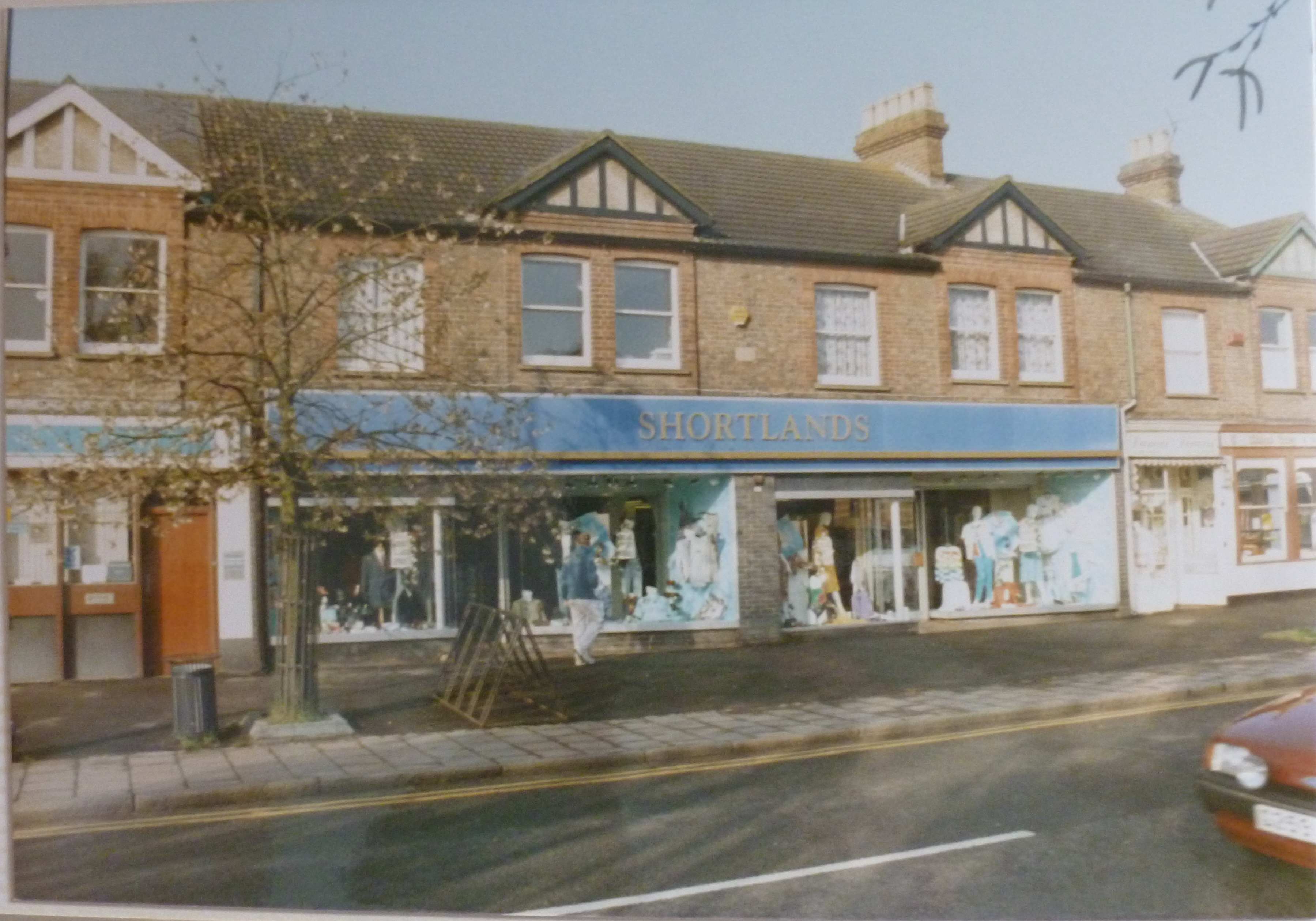
Earlier I wrote about the sadness felt within my family, as well as the wider community, at the closure of our small department store that bore the family name, Shortlands.  It had spanned the generations for almost one hundred years, firstly as Langstons – my great-grandfather’s surname, and then, after one of his sales assistants married the boss’s daughter, renamed Arthur Shortland.  Clever chap, my grandad!  Later still, during my tenure, the ‘Arthur’ was dropped.  I locked the doors for the final time thirty years ago this spring.  Last month seemed an appropriate time to celebrate its history and tell the story, not just of our family connection, but also of the incredible people that worked there over the decades.  It can be read in Part One by clicking on the link here.  I found the response to that blog incredible with so many people contacting me through my website or social media.  It was lovely, as well as humbling, to hear their memories and to know that Shortlands had not been forgotten after such a length of time.  Although I gave a hint in the blog, I was also asked what have I been doing since 1994.  In this post, Part Two, I bring the story up to the present date.

Shortlands Department Store 1994

A reaction to my choice of careers that I receive quite regularly is one of surprise.  Surprise that I once worked in the world of fashion, and wearing a suit and tie each day, or surprise that I am now working outdoors and wearing jeans and a t-shirt – although, I do have to look smarter on occasion [laughs].  When my retail career of twenty-five years ended, I was in my early forties and my future looked uncertain.  I toyed with various career plans, none of which appealed very much.  Unsure of what to do next, I decided to take a night class at our local agricultural college, Hall Place at Burchett’s Green.  Little did I realise, on the evening of my enrolment, that I would soon be working at the Chelsea Flower Show, working on a gardening series for Channel 4 television or travelling to Hungary, only recently free from Russian occupation, on a horticultural study tour.

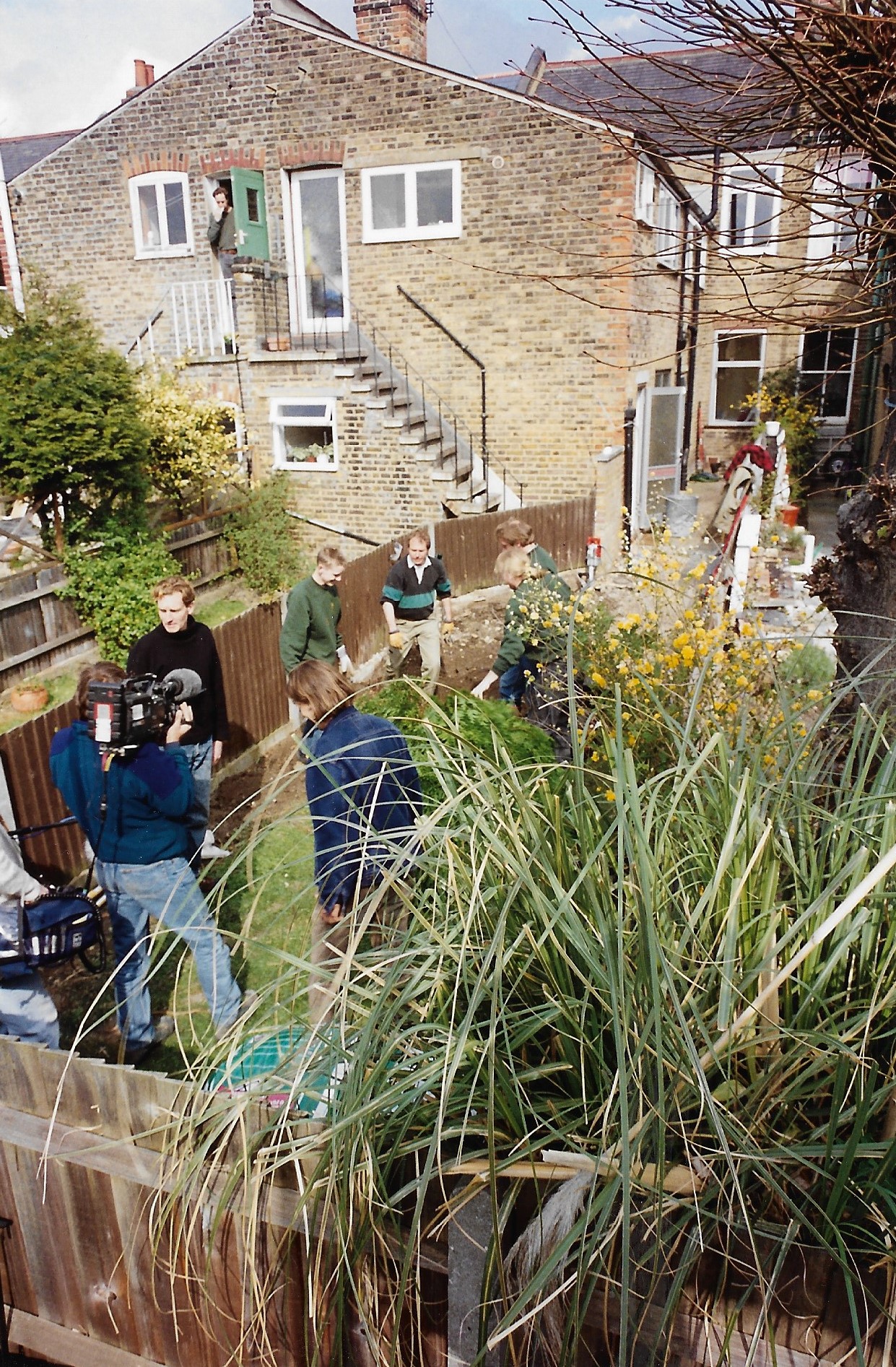
Filming with Channel 4 Television


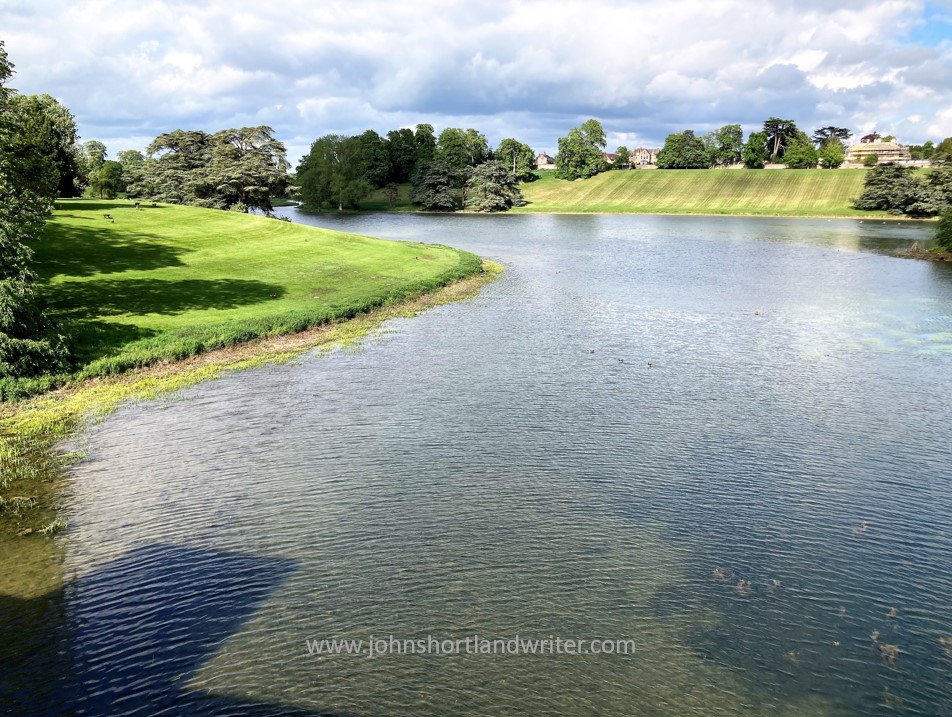
My visit to Hall Place had ended not with a night class but a two-year, full-time crammer course in Horticulture where I studied Landscape & Estate Management.  Gardening had been the major hobby across the Shortland family for generations; I was the first in modern times to try and make a career of it.   Knowing I still had a mortgage to pay, and therefore failure wasn’t an option, I studied hard in a way that I had never managed in my school days and came away with a good qualification.  By then, I knew that I wanted to run gardens for large country estates.  I had the good fortune to be offered, during my training, a work placement with the Getty family, then the wealthiest in the world.  Their Head Gardener, Andrew Banbury, gave me various tasks and projects to carry out, frequently pushing me beyond my comfort zone.  I have a lot to be grateful to Andrew for.  When it was time for me to leave, I stepped straight into the role of managing gardens for a Swedish family who, again, were keen for me to develop further skills as well as their garden.  Over the next few years, I had the opportunity to develop an arboretum, create a lake and, best of all, to manage and develop a one-acre walled kitchen garden.

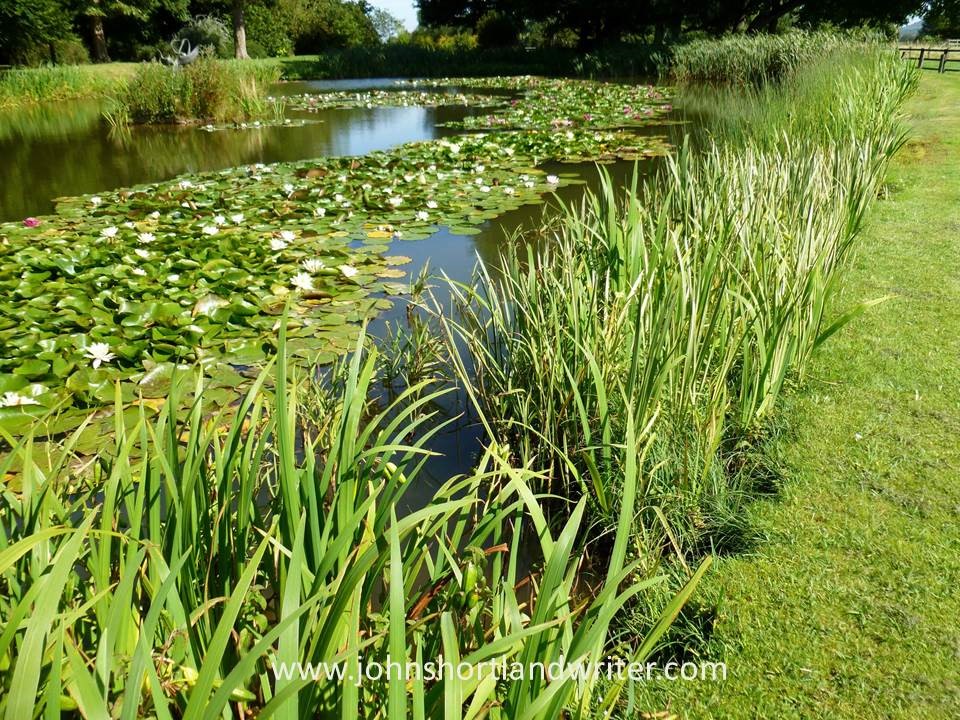
The new lake two years after construction

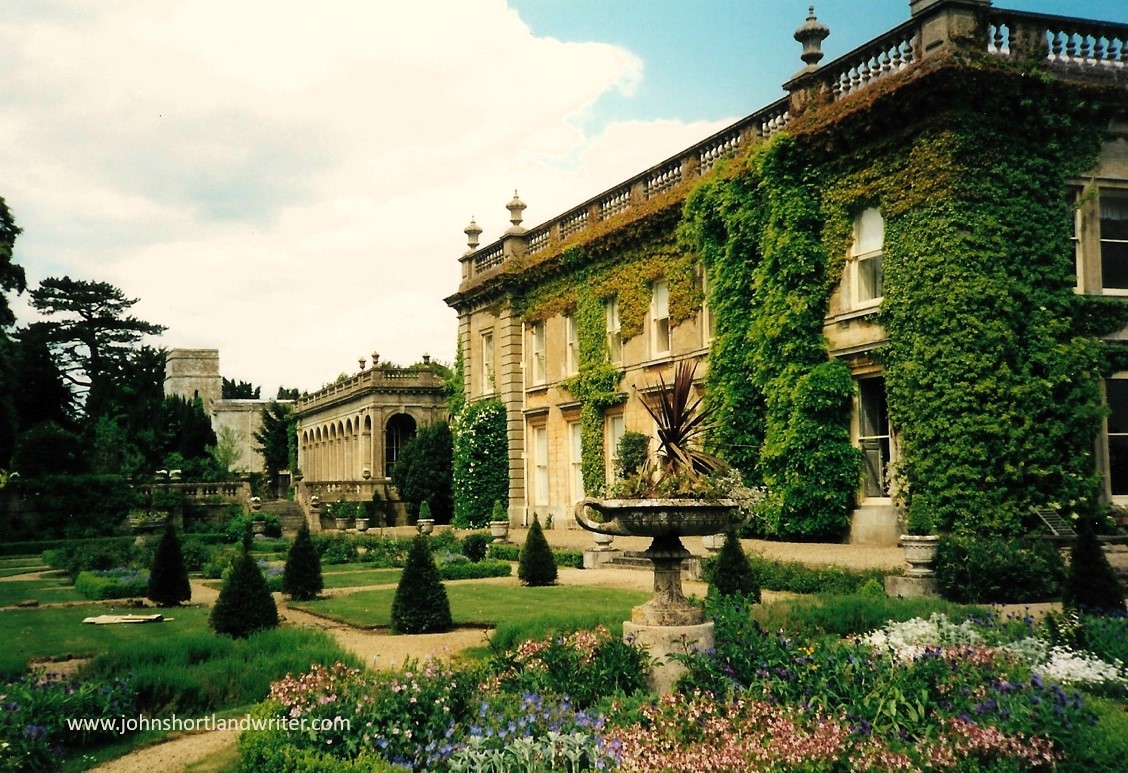
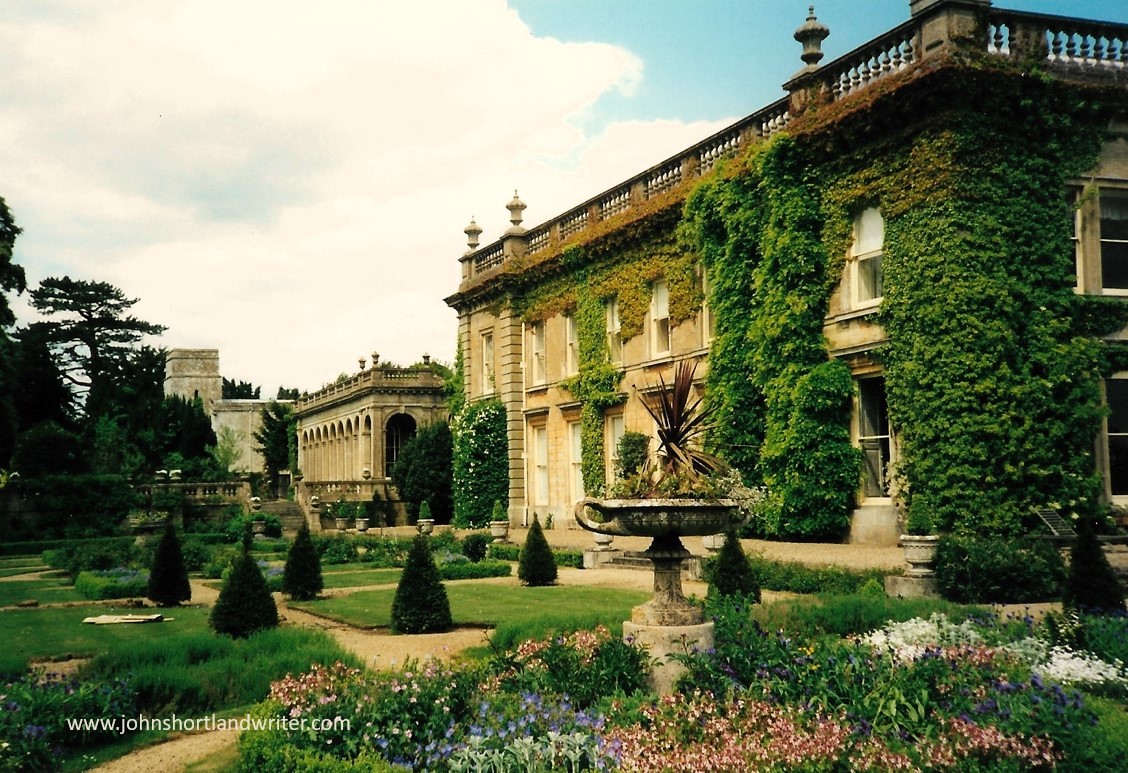
The Millennium saw a change once again for I left the Chilterns and the area I had known all my life and moved to the Cotswolds, there to manage an historic, Italianate Garden, Kiddington Hall.  This had new challenges but, although I enjoyed it enormously, the call of working for myself once again beckoned.  In 2005 I set up a design and landscaping business which, I am glad to say, flourished; now I have virtually retired.

Kiddington Hall

One of my last projects had been designing and overseeing a garden that has many elements to it:  a 50 metre ha-ha, a cottage garden, formal lawns, terraces, topiary, wildflower meadows and kitchen garden, most of which have been created from scratch.  As I watched the garden come to shape, with all the hard work being carried out by the owner’s own team of builders and gardeners, how grateful I was that I could now ‘pull the age card’ and let others do the physical tasks!

A section of the terraced rose garden
The Rose Terrace a few months earlier

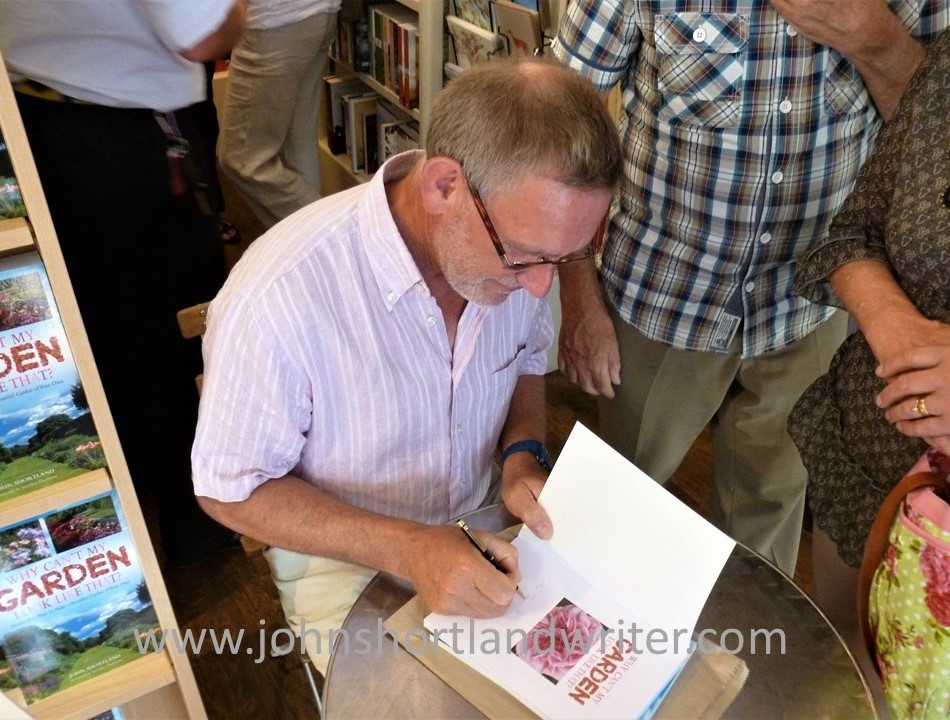
When I moved to the Cotswolds in 2001, for the first time in my life I was no longer ‘a local’ and knew no-one.  Hearing that Oxfordshire was one of the few counties without a Gardens Trust and that one was being formed, I volunteered and for several years organised talks and visits to gardens which introduced me to many new people.  One, hearing of my attempts at writing suggested I joined the local writers group.  Feeling very out-of-place I did and before long the talk of ‘doing something big’ with books came about.  From those very casual thoughts I found myself part of a small team that created the Chipping Norton Literary Festival.  My title of Author, Agent and Publisher Liaison brought me into contact with many people in the literary world and soon I was commissioned by one to write a book on gardening.  Three years later it was me being interviewed and giving talks on stage and the radio, a surreal experience.

Being interviewed at the Chipping Norton Literary Festival

Looking back over the past thirty years I realise just what a chance I took with my career choice and how fortunate I was for it to have ended well.  It has taken me on the most incredible of journeys and given me the opportunity to meet/work with some very special people and places.  It has had both tearful and joyful moments – it has also had bizarre and funny ones too: being invited to play in a ‘friendly’ cricket match only to find myself bowled out for two by the Captain of South Africa, or sharing an ice cream with American model, and ex-wife of Mick Jagger, Jerry Hall, these being just two of them.  As with the shop, it has been a mix of celebration and sadness. I am so grateful that I have had the privilege of two careers both of which I can look back on with pleasure and a certain degree of pride.

Three Very Special Cotswold Reasons – revisited

Back in 2009 – which seems a lifetime ago now – I responded to a question posed by The Guardian newspaper and the English tourist authority: select three things that make a place very special. Naturally, I chose the Cotswolds and to my delight, my blog was just one of ten chosen and published by them to promote visits to this country. After fourteen years, I thought it time to take another look. Although the reasons still stand up well I’ve updated the photos and some of the text.

You’ll know when you arrive…

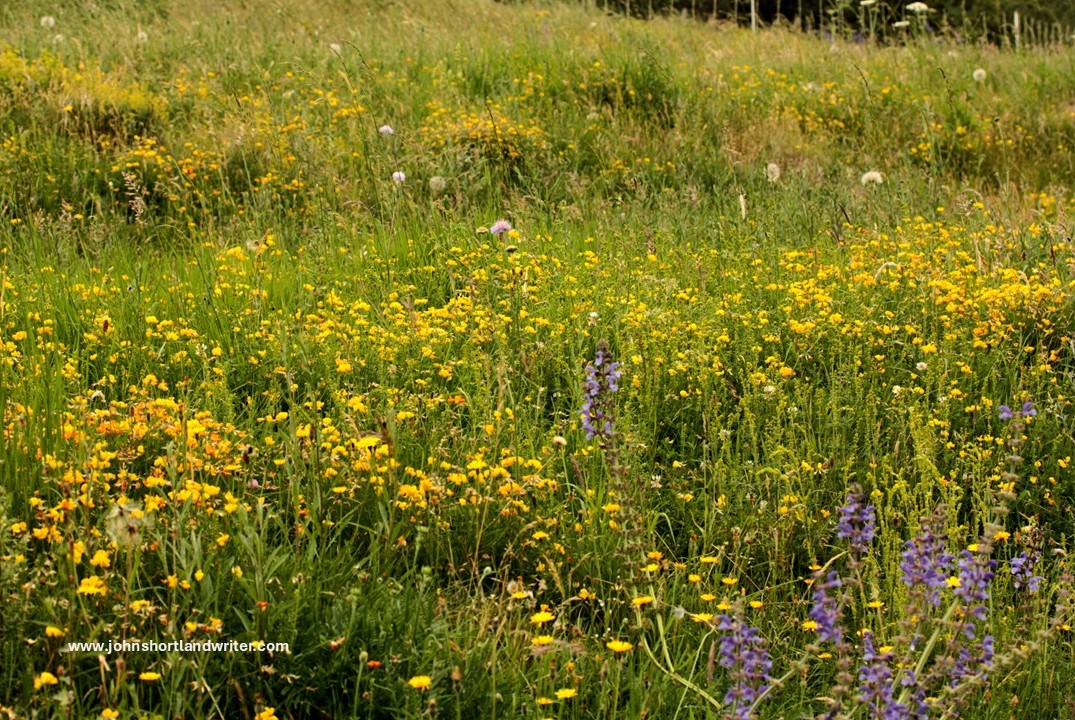
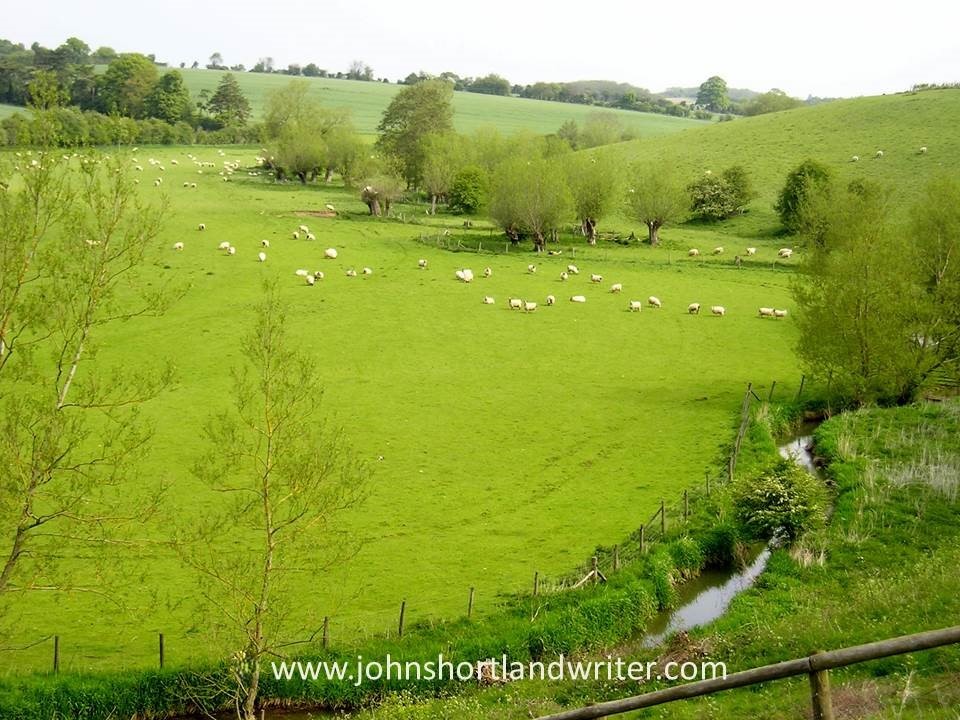
1. Space and Peace. I know this is technically two reasons but they are so interlinked that, in my mind, they only count as one. Besides, that way I can cram in an extra reason without appearing to cheat too much. The flat topped, rolling limestone hills that make up the Cotswolds offer far reaching views to the vales beyond. They free the mind and let the spirit wander – a rare occurrence in the busy world we all inhabit. This view looks north over glorious country to the Vale of Evesham and just invites you to start walking towards a distant goal.

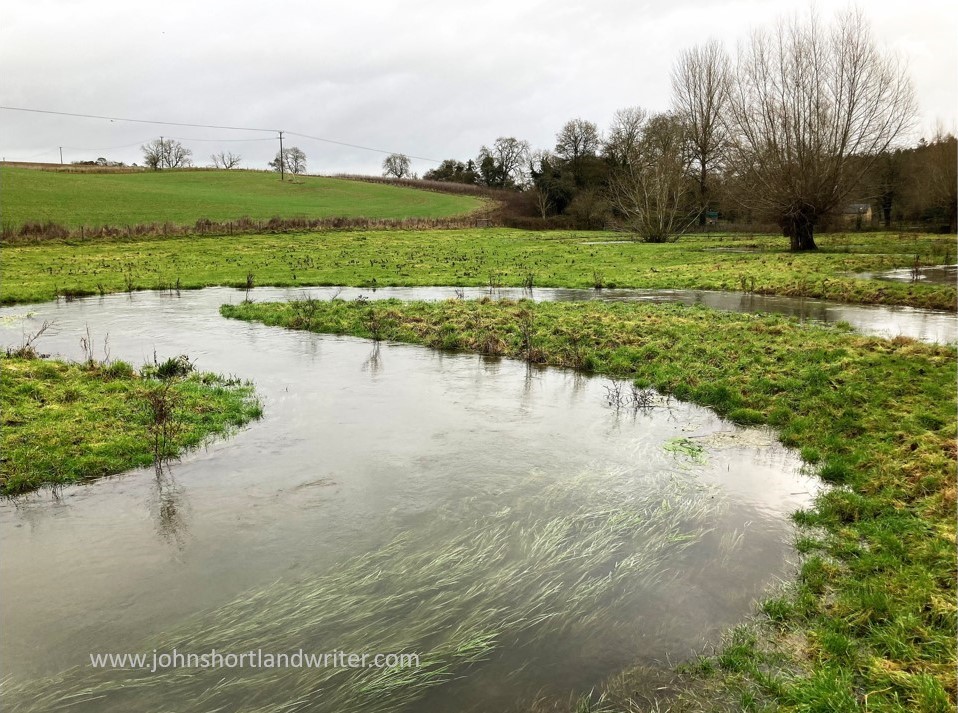
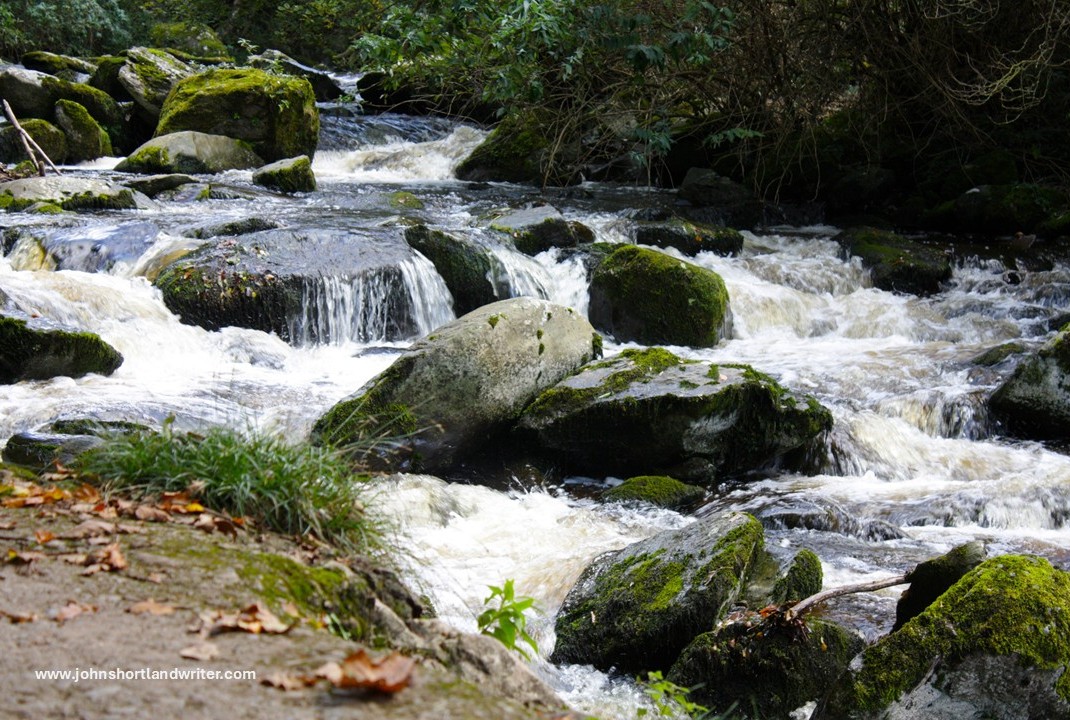
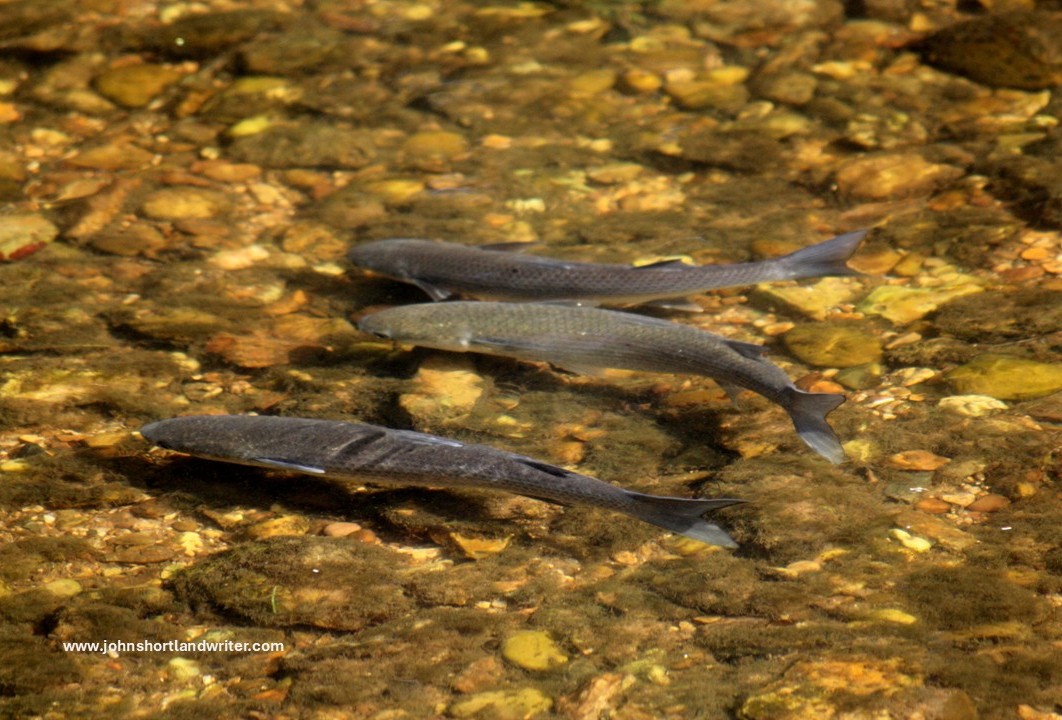
Hidden in deep valleys, crystal clear streams create more secretive places to explore or to sit quietly by their banks to watch the water flow, sometimes gently, sometimes more noisily, by.

The River Evenlode

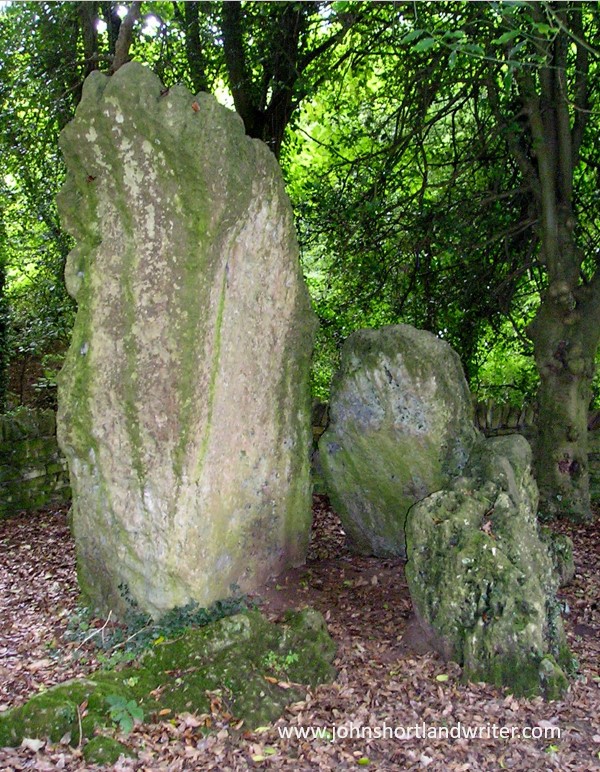
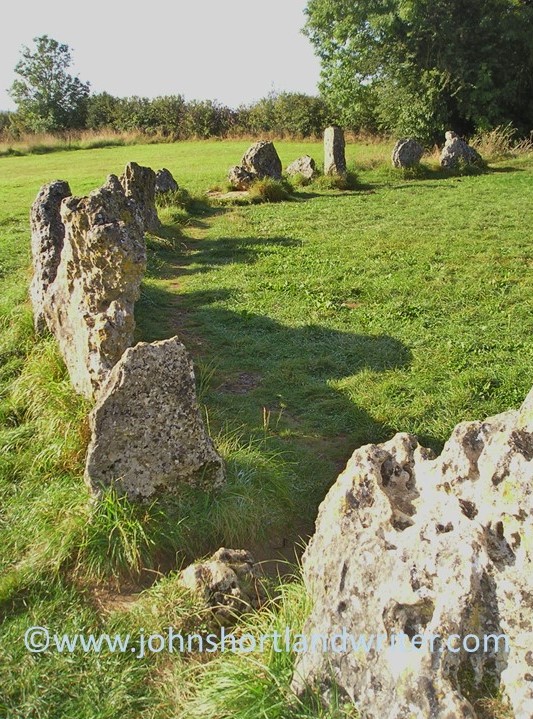
The King’s Men stone circle forms part of the Rollright Stones and have been a meeting place since they were set here 4,500 years ago. In early morning light they appear mysterious and brooding but when the sun strikes them their colours and markings are awe inspiring. Rest here a while, at a time when you can be alone, for the feeling of peace is palpable.

And give back to the soil an offering, (when we have taken so much away), as others have done from the beginnings of time and continue to do so. Single flowers placed at the centre of the circle have a calm simplicity…


2. Nature. It is impossible not to be aware of nature in the Cotswolds, whether it is the magnificence of old trees, the deer crossing roads in front of you or the cloud formations of our large skyscapes. This ancient ash tree has watched centuries of agricultural change take place and, despite modern farming practice, still stands proud in a hedgerow dividing wheatfields. In 2009 the fungal disease Ash Dieback was unknown. It is now thought that the majority of ash trees will succumb to it robbing the English landscape of their beauty. At present, the old pollard seems unaffected but whether it will survive only time will tell.

Since 2009 we have all become so much more aware of the value of dark skies. With so few big towns, the Cotswolds is a place where the nights are darker and the stars shine more brightly.

Deer are common throughout the Cotswolds. Roe and the introduced Muntjac are frequently seen but perhaps the prettiest, when in their spotted summer coats, are the Fallow.

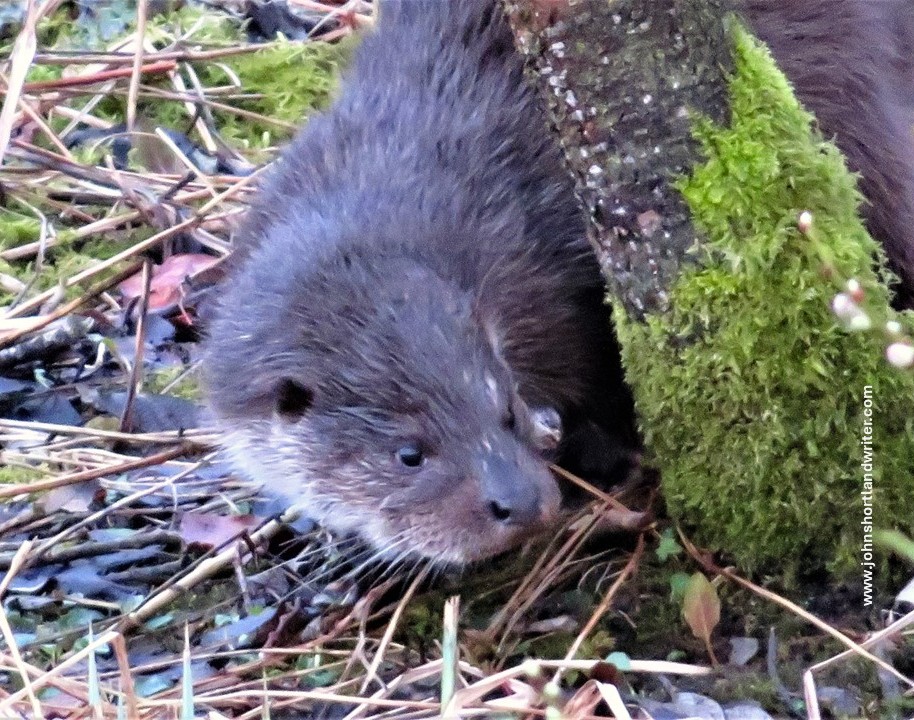
In our rivers and streams, otters, although rarely seen, are now becoming evermore common – something else that has happened since 2009.

There are some exotic surprises too! A macaw outside a garage in Charlbury and alpaca seem to be everywhere, I wrote in 2009. The macaw has gone and even alpaca seem less common now but not far from the secret valley it is possible to see wolves and bear. I don’t think the two facts are connected!

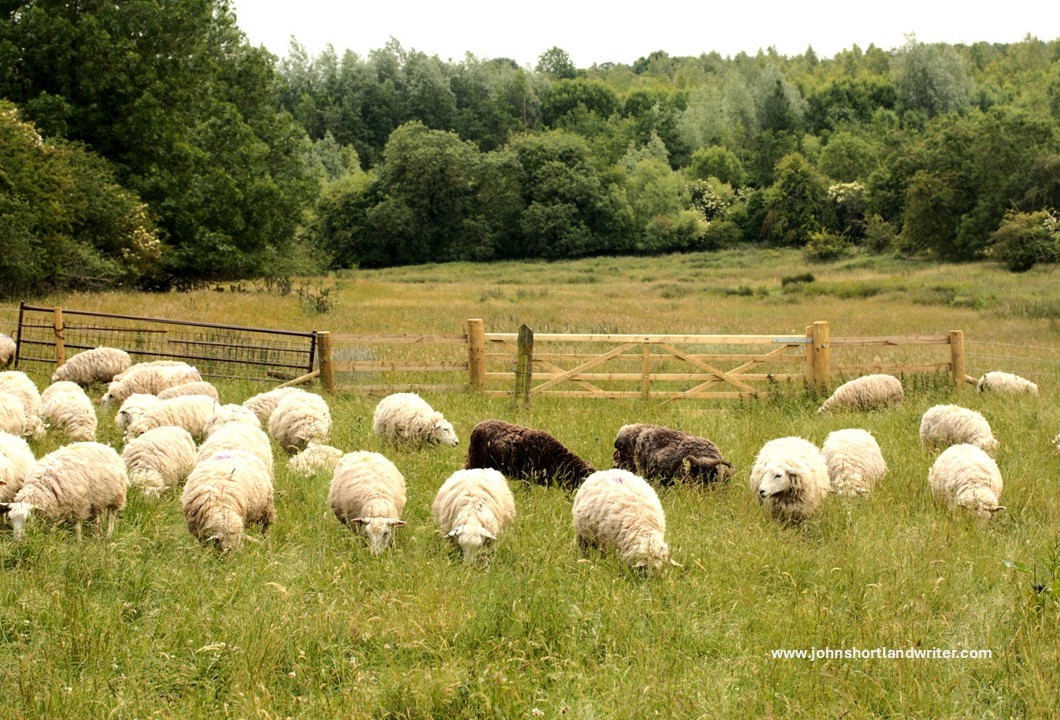
3. History. The Cotswolds are steeped in history and it is the history of wealth and the power it brings. Sheep – or more accurately, their wool – were the originators of this wealth and the region still has a higher population of sheep to humans. But how to illustrate this when there is so much scope to choose from? Bliss Mill, in Chipping Norton, is now converted to luxury apartments but, for most of its time, produced some of the finest tweeds in Britain. I have since written in more detail of the history of the mill, the fire that engulfed it and the strike by the workers that brought poverty and starvation to the town (link here).

The churches of the Cotswolds were also a by-product of wool – the wealth it created is often shown by their huge size in proportion to the numbers of the local population. The photos I originally published were of St Mary’s, Chipping Norton. The ones below are of St Mary’s, Swinbrook; the village was the home of the famous (or, perhaps, infamous), Mitford sisters.

In 1940 the church suffered damage by a stray German bomb during WW2
…the vicar collected the ancient shattered glass which was incorporated into this memorial window

So, come and visit the Cotswolds and decide for yourself. And, in the meantime, select three things that make your special place, special.

2021: A Year in Review – part 2

Three weeks into the new year and Christmas and 2021 already seems the distant past. A new year brings new hopes and plans, not least of all a Covid-free one where holidays and meeting up with friends and family can be carried out without the fear of cancellation. The past couple of years have been challenging and difficult for many people and blogging topics sometimes reflected this as well as the importance of family. Few people can be as tough and courageous as one of my ancestral cousins nor as unfortunate for another to be remembered because of his underwear. There were trials and tribulations for the people of Chipping Norton too, the nearest town to my secret valley and, elsewhere in the Cotswolds, the building of a great country estate to provide training in endangered skills for local people. These stories are a reminder that however large the challenge or the struggle, the end result is more often, very worthwhile.

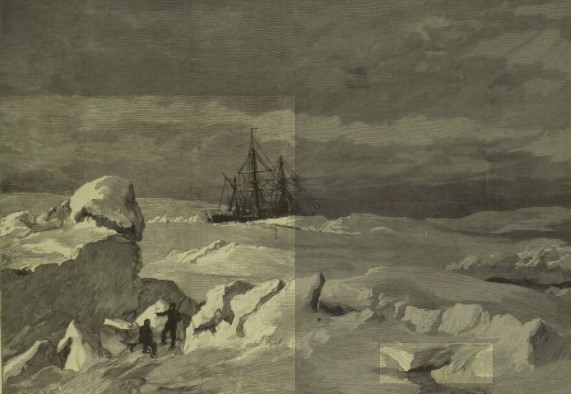
1876: HMS Alert – with my cousin aboard – icebound as well as homeward bound

In July I wrote about the extraordinary story of Welsh vagrant Glyndwr Michael who famously became known as ‘The Man Who Never Was’. His body was used in an elaborate hoax to fool the Germans during WW2. The ruse worked, saving many lives, partly thanks to the use of my cousin’s underwear. Sounds intriguing? Well, if you want to discover why and also how my Polish grandmother fits into the plot you will need to click on the link here to read all about it.

False papers of Major William Martin, RM [Source: Wikipedia]

August and September was also a tale of an ancestral cousin who in the May of 1875 set sail for the Arctic. As bizarre as it seems now, the expedition was searching for a ‘lost Eden’. for there was a popular belief that beyond the ice, at the North Pole, they would find a sub-tropical paradise. The expedition created worldwide interest and excitement and was widely reported in the newspapers. When the Royal Family began to take an interest, huge crowds descended on Portsmouth eager to see not just the Queen but ordinary members of the crew. My cousin, John Langston Saggers, a young man aged just 23, could have experienced nothing like it before as they were wined and dined and with no expense spared. To read about the preparation for the voyage and to discover the personal gift from a Royalty concerned that the men may suffer from cold ears click on the link here.

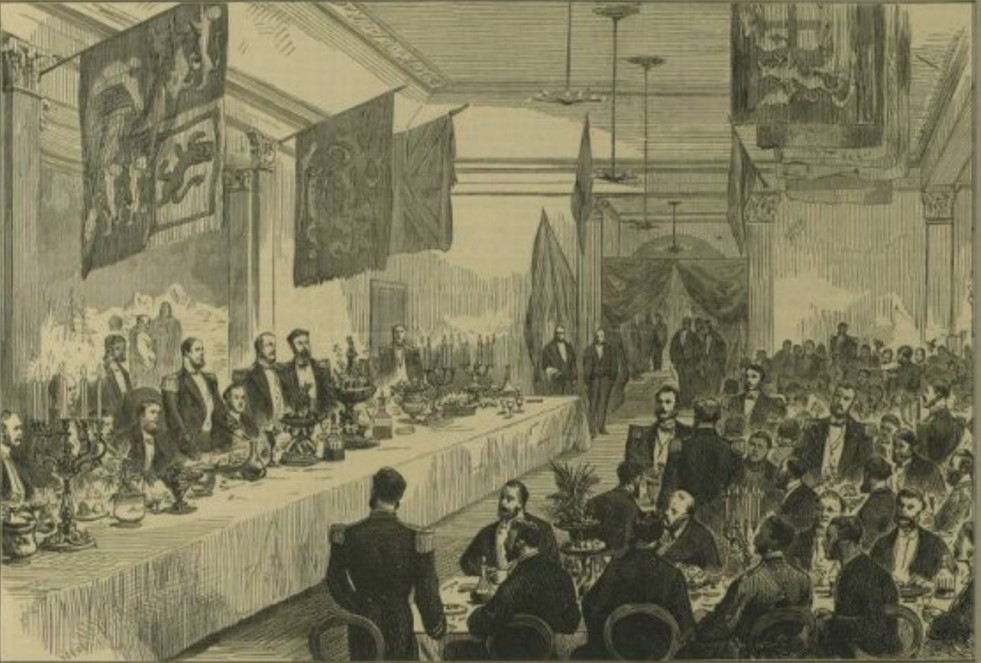
The dinner for the Officers given by the Mayor of Portsmouth the week before departure [Source: BNA]
Sitting out the Arctic winter

When the ships became icebound, they had to sit out the Arctic winter in total darkness. That, however, did not stop the men from making the most of what they had. Aboard ship they had a full-size theatre where they produced plays and outside on the ice, despite the freezing temperatures and inadequate clothing they created a skating rink and played hockey. Their heroism – and despite (unsurprisingly) not finding a warm paradise – the men returned home to a hero’s welcome. However, the star of the expedition wasn’t human at all. To find out about Nellie and how she very nearly became a coat for an Eskimo chief’s wife click on the link here.

Mid-day, Thursday, 9th November 1876: HMS Alert & HMS Discovery enter Portsmouth Harbour
Nellie, who almost became a coat

Next month will be the 150th anniversary of the Great Fire at Chipping Norton, one of the gateway towns of the Cotswolds. Although not as popular with tourists as some of the ‘chocolate box’ villages and towns in the region, it boasts one of the Cotswolds most iconic images – that of Bliss Tweed Mill. The mill, that has become so well-known now, rose like a phoenix out of the ashes of the earlier mill which was razed to the ground early one February morning. The story of the fire and how the mill was rebuilt to exacting standards in less than two years is told in October’s blog post. Built to resemble a great house with the most modern technology of the day, it was the pride of the town. The jubilation wasn’t to last and a strike was called which took eighteen months to break. You can read all about the mill and see through numerous photographs how it has been transformed into luxurious apartments; a haven of peace and tranquillity within the town centre by clicking on the link here.

For November, we remained in the Cotswolds to explore the creation of another outstanding property and its gardens. In 1906, Claud Biddulph commissioned the building of a house with “the feel of a cottage in the country”. In so doing, he created one of the finest Arts & Crafts house in Britain, albeit one with seventy-four rooms, so hardly a cottage! Every item used in its creation and furnishing had to be of the best quality and hand-made; one of the reasons why the house took so many years to complete and why it is so exceptional today. Part of the house was dedicated to teaching local people the dying skills required and, more than an hundred years later, craft workshops and exhibitions are still held there. Open regularly to the public so why not take a tour of the house and garden? If you can’t visit physically, you can do so digitally by clicking on this link here.

Rodmarton Manor seen from one of the ‘garden rooms’

And so we come to December, the year end and the start of this review – you can read what happened during the months of January to June by clicking the link here. I hope that your 2021 hasn’t been too troublesome – now the year is past we can look forward to this one with renewed hopes and aspirations. No doubt there will be challenges ahead but as we know from our own experiences, as well as hearing of those of our ancestors, life continues apace regardless. Sending all my readers, wherever you are in the world (and, my goodness, you’re a scattered bunch!) best wishes for 2022 and with the hope that it will be a happy and healthy one.

Chipping Norton Bliss

Chipping Norton, my local town, is something of an anomaly in the Cotswolds.  It’s very much a working town whereas many of the Cotswold centres of commerce rely heavily upon tourism for their trade.  Politically, it is a Labour enclave surrounded by the most conservative and Conservative Tory constituencies.  Environmentally it differs too – Its common land – wide, green, open public spaces held for posterity – reach deep into the town centre: it is not unusual to see cattle grazing within a few hundred yards of the main shopping streets.  The Common also frames Chipping Norton’s most iconic and photographed view, the Bliss Tweed Mill.  Seen in its peaceful setting today it is difficult to remember that its history has been quite turbulent.

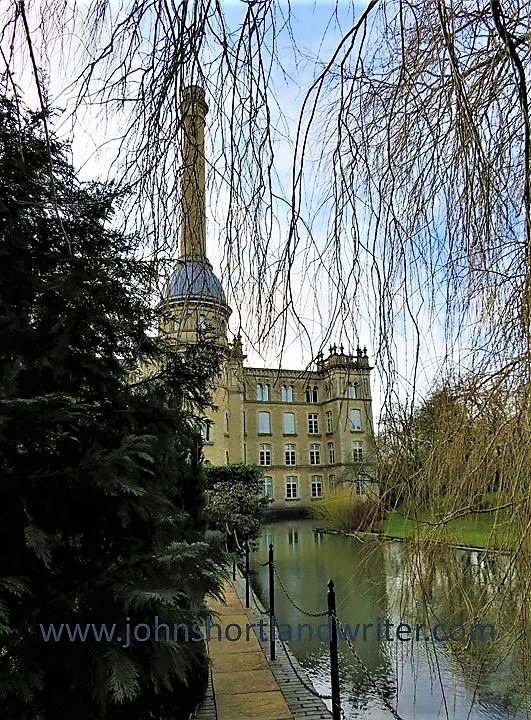
Bliss Tweed Mill today viewed from across the Common

In the early hours of Wednesday 7th February 1872 fire was discovered on the fourth floor of the mill.  By the time the blaze was brought under control the whole building had been destroyed along with the livelihoods of the workforce.  The calamity for the town was so great that it was reported in the national press, the Manchester Evening News claiming that the flames were so fierce that “the fire was visible in the [city of] Oxford, a distance of twenty miles from the scene of the catastrophe.”  By Friday the press reported that three lives had been lost and three hundred made unemployed.  The Bicester Herald gave even more detail: “the fire was discovered by a farm servant around five o’clock in the morning…while a number of men were endeavouring to rescue some books and papers a wall fell, and three of them were killed and several others severely injured.”  The article describes how the relatively new, six storey building collapsed and the losses estimated to be £70-100,000, a vast sum in those days. It also reported with restrained understatement that the fire “created the greatest excitement.” 
The inquest into the deaths of the three men took place in the town at the Fox and Hounds Inn two days later, on Friday 9th.  They were named as Thomas Cook, aged 35 and married, Thomas Peachey, aged 25 and married, and Richard Boscott, a twenty-year-old single man.  Although the cause of their death was known the jurors had to ascertain whether they had been instructed to enter the building.  It confirmed that they and others had entered an office situated away from the fire to rescue papers when the mill wall collapsed onto the roof of the office and crushing the men who were unaware of the danger.  Several witnesses told of their own miraculous escape from the collapse, the noise of which was heard five miles away.  One, James Compton, told how his hat was knocked off his head by flying debris but he remained unhurt.  It was found that there had been no instruction to enter and as no one person could be held culpable for the fire, the verdict was “accidental death.”   The newspapers continued to report daily noting that the first Wednesday market day after the fire, the town was far busier than normal due to the large numbers of visitors, reaching several thousand, walking to the mill to view its smouldering ruins.

Three men were killed when the mill wall collapsed

Fifteen months later in July 1873, William Bliss, the owner of the tweed mill was able to address his workers and thank them for all their hard work and co-operation over what had been a very challenging time for everyone.  The new mill, the present building, was built although wouldn’t be in full production for several more weeks.  However, he was able to announce cessation of night work; permission for twenty-four-hour cloth production had been sought and granted by the Factory Inspectorate.  He was able to claim that “we may boast of having one of the handsomest and most complete mills in the Kingdom” and, indeed, it was.  Out of the ashes had grown a mill building more akin to a country house in appearance.

No wonder they were proud! Looking more like a stately home than a working tweed mill

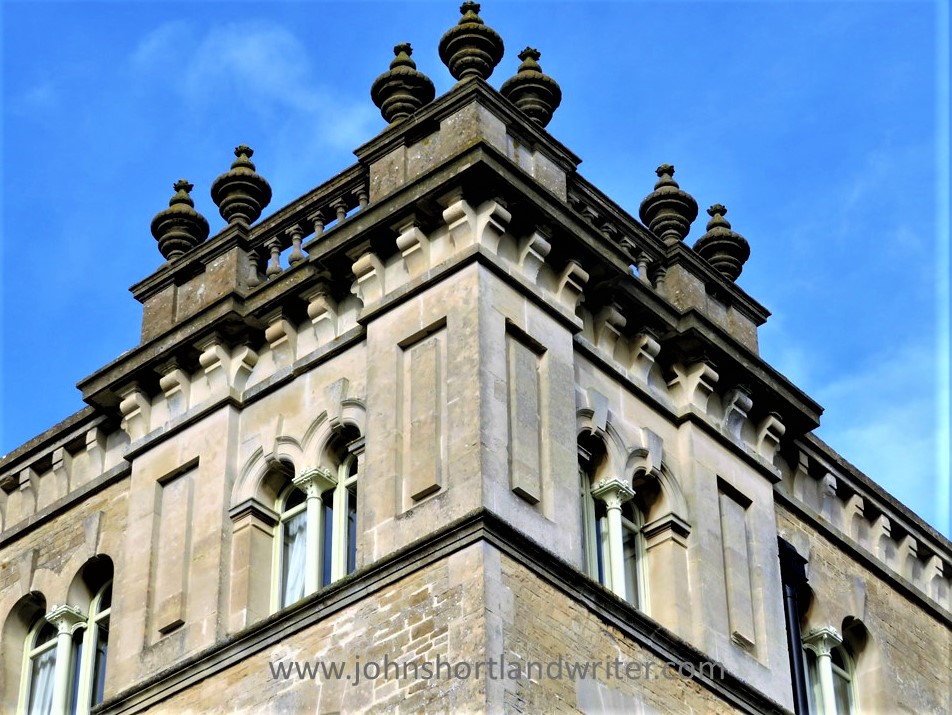
Designed by the architect George Woodhouse, the main building – the spinning house – was five stories high and faced with local limestone.  With its roof surrounded by stone balustrades and the corners of the building topped with stone urns it looked every part the grand residence.  Of special pride was the tall chimney built above the circular steam powerhouse.  Now a local landmark, it rises as a Tuscan column out of a domed cupola to a height of 165feet (50m).  Now a listed (protected) building by HistoricEngland (who aren’t known for their hyperbole), they describe it both as “an exceptional design” and “a remarkable opulent design in a park-like setting.”

No detail was too costly to add to the building
Soaring to a height of 165feet the chimney has become a local landmark

The buildings interior was, and still is, equally impressive with its high ceilings and architectural features.  Cast iron columns support the vaulted brick ceilings, held with remarkable grace.  Even the spiral staircases built into the corners of the building have a balance of style and functionality that is beautiful in its simplicity.

Despite its grandeur and the enthusiasm of the workforce for their new building more trouble arose over the years. By 1889 complaints were being made about the pollution of the millpond both by the growing towns sewage being discharged into the river and the effluent from the mills dye tanks.  It was claimed that when the millpond had been emptied the stench was overpowering.  Ten years later water issues arose again; this time there being a shortage of water supplying the town’s growing population.  As a result, piped water was only available for three hours a day and the mill only able to work two days out of six. 

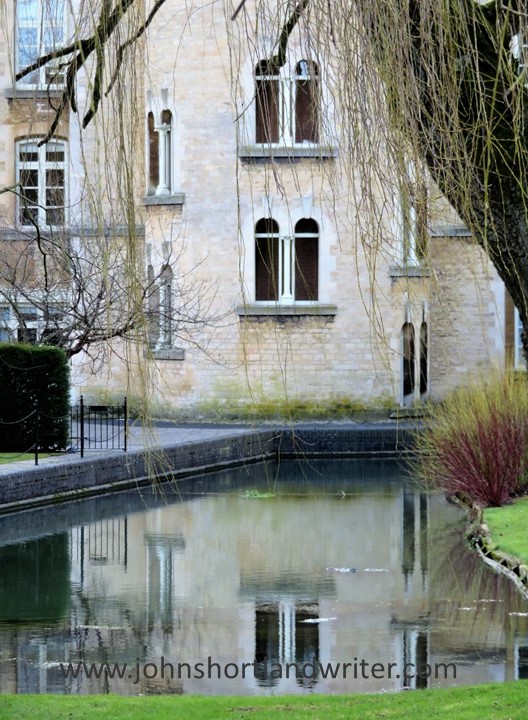
130 years ago complaints were made about the pollution of the millpond. Now it’s crystal-clear.

The most disruptive problem for the mill arose when just before Christmas 1913 part of the workforce came out on strike.  A local branch of the Workers’ Union had been formed a few weeks earlier and when several men joined, they were promptly fired.  The strikers marched through the town where they were addressed by their leader.  He advised them on how to conduct themselves: no fighting or bad language, no alcohol, just light-hearted singing and a little banter was all that was needed.  As with all strikes, the good humour didn’t last long and there were prosecutions for intimidation of non-striking workers.  During the spring of 1914, concerts were being given in the Town Hall and donations requested in aid of the Strike Hardship Fund.  Eighteen months after the strike had begun, it ended, broken by the steadfastness of the mill’s management.  The 160 now impoverished workers who had remained on strike became officially unemployed and had to seek work elsewhere.

The newspapers followed every detail of the strike

With the advent of World War One later that year, the nation had new concerns.  The war, as it happens, also helped the mill recover from the effects of the strike as large orders from the army for khaki cloth were received.  Finally, in 1980, the mill closed permanently and a few years later converted into luxury apartments.  Although the looms have now been silent for over forty years, Bliss Tweed is remembered as being at the forefront of British woven cloths.

The weaving sheds
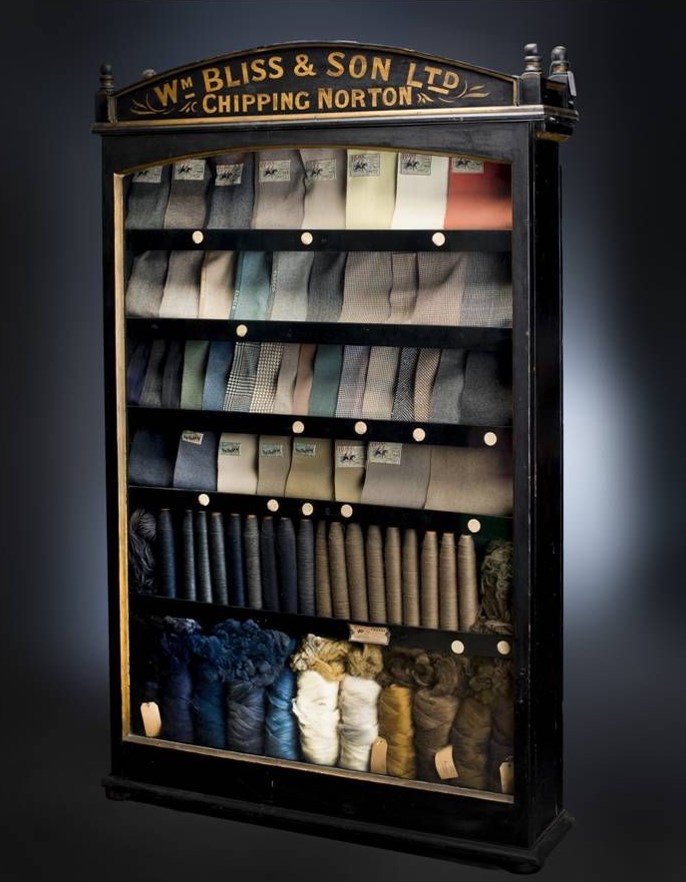
Bliss Tweed Mill samples [Source: Pinterest – Oxfordshire in 50 Objects]

References

British Newspaper Archive: Manchester Evening News, Bicester Herald, Gloucestershire Chronicle, Oxford Weekly News, Oxford Times

Wikipedia

Pinterest: Oxfordshire in 50 Objects

A Thunderbolt and a Broken Cross

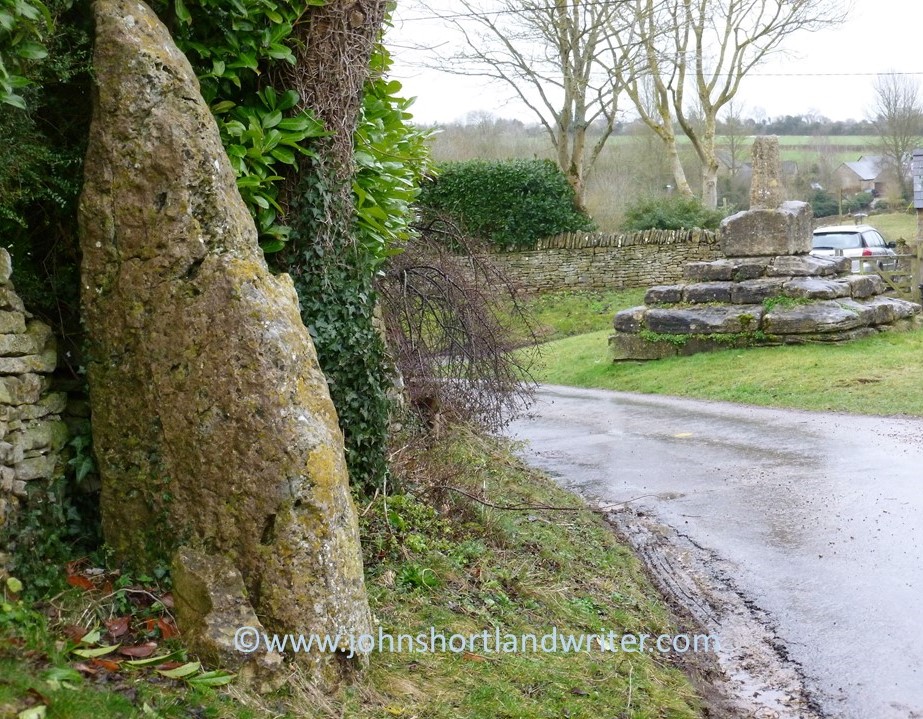
For so tiny a place, the Cotswold village of Taston, or more accurately ‘hamlet’, has more than it’s fair share of interesting features.  None can be so dramatic – in the most understated of ways – than the lump of rock hurled in rage by the Norse God, Thor and now wedged between the roadside and a wall.Taston (1) copyright

The Thorstone (from which the village’s name is derived) is one of a number of standing stones that litter this part of the Cotswolds.  They range in size from the extensive Rollright Stone Circle to the single unnamed stone that can be found in the town centre of Chipping Norton.Rollright Stones (5) copyrightChipping Norton Stone copyright

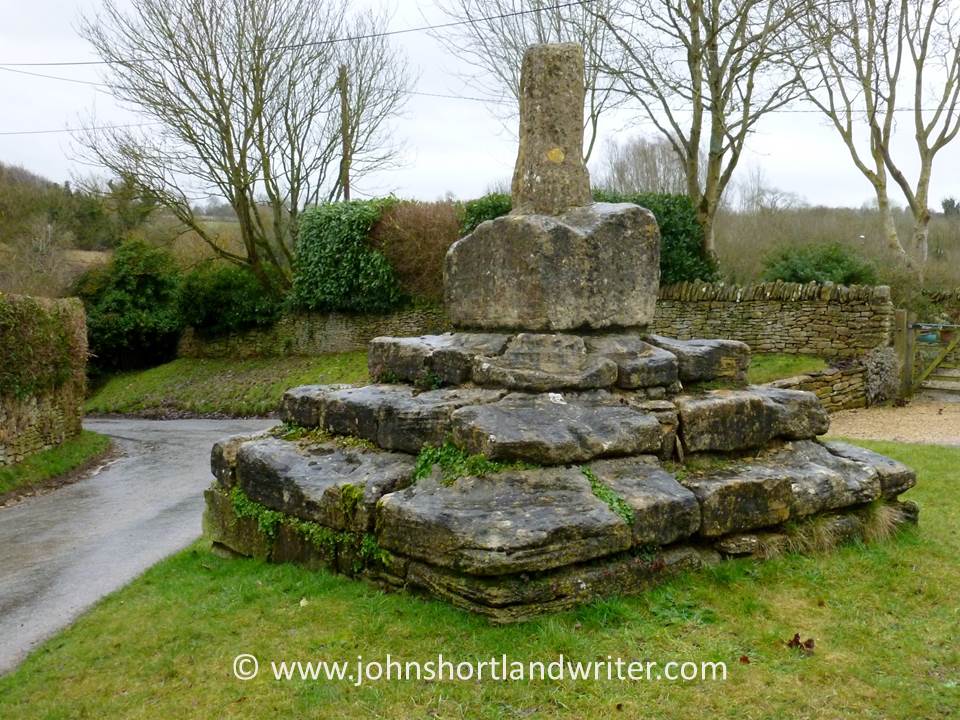
Close to the Thorstone are the remains of a medieval preaching cross.  Many were destroyed during the Puritans time of Cromwell (mid 1600s) but their base, as here, still remain.Taston - Broken Cross copyright

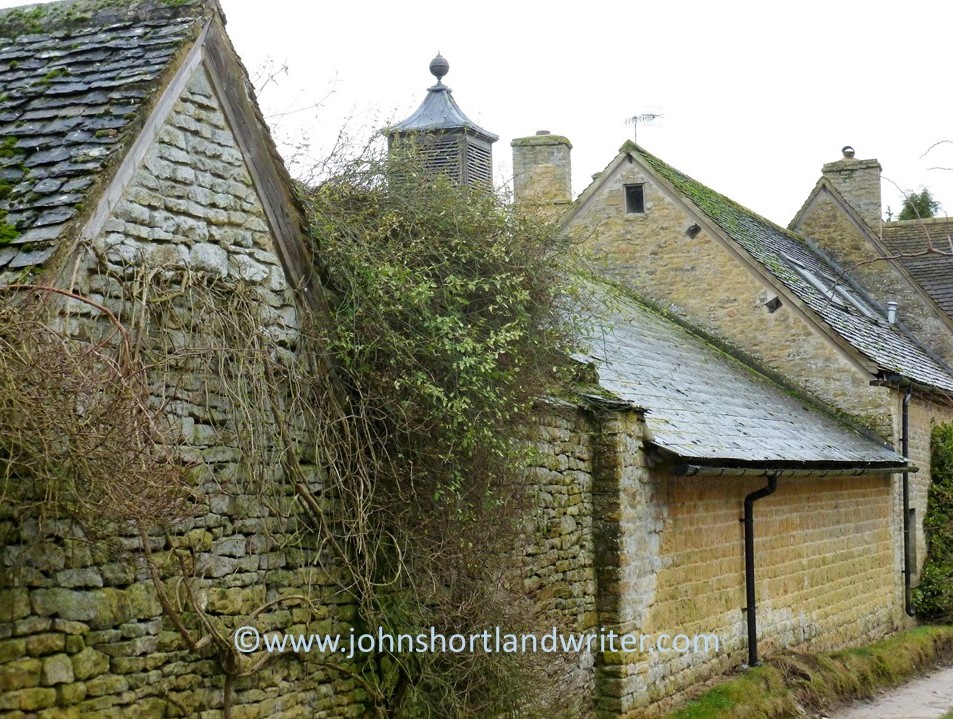
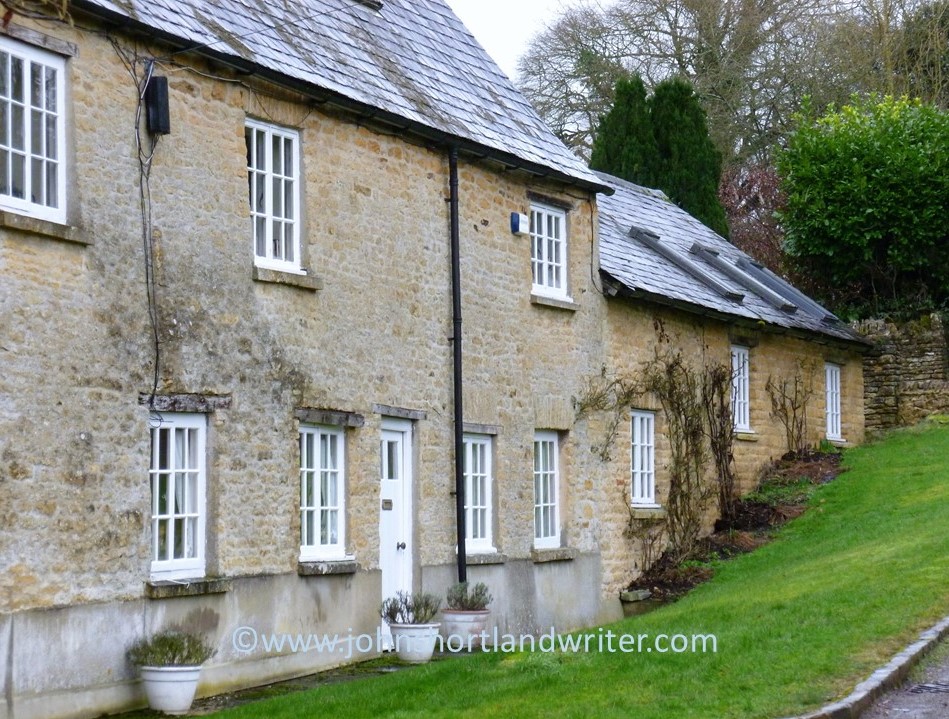
Ancient stone houses, many of them listed by English Heritage, line the three narrow streets of Taston.  Exploring on foot is the best way to see them and to absorb the villages tranquil atmosphere.  It is highly unlikely that you will meet others doing the same! Taston (2) copyrightTaston (4) copyright

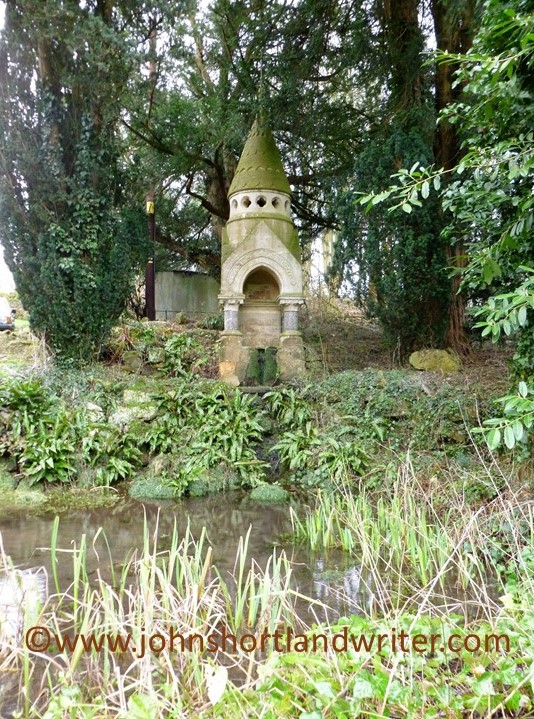
It is on foot, that you will find, tucked away beneath the trees, the memorial fountain to Henrietta, Viscountess Dillon.  Built in 1862 of limestone, granite and pink sandstone, it has the words In Memorium in a decorative arched band beneath its spire.Taston (5) copyright

Taston lies 4 miles southeast of Chipping Norton and 1.5 miles north of Charlbury.