2024: A Year in Review – part 2

In Part 1 of my review I began by saying words to the effect of life is for living – and when you become older there’s even less time to waste! The result of following my own advice is that part 2 of the review is a couple of weeks late in being published. than I would have liked

Keeping active was also part of the theme of a couple of my blog posts last year, specifically about England’s network of public footpaths. Although we Brits just accept them as part of our historic right to walk across privately-owned land, it seems that for a great part of the world, this would not be an option. My American friends and readers in particular find it hard to comprehend that we can walk across someone else’s property at will (assuming a public footpath crosses it) without confrontation. Many of our footpaths link villages and farms and so, on occasion, you may find yourself walking through someone’s garden or farmyard. The history behind the right to walk and what you can and can’t do was discussed in November’s post which can be found by clicking the link here.

Walking on designated footpaths across privately-owned land is a basic right in England and Wales

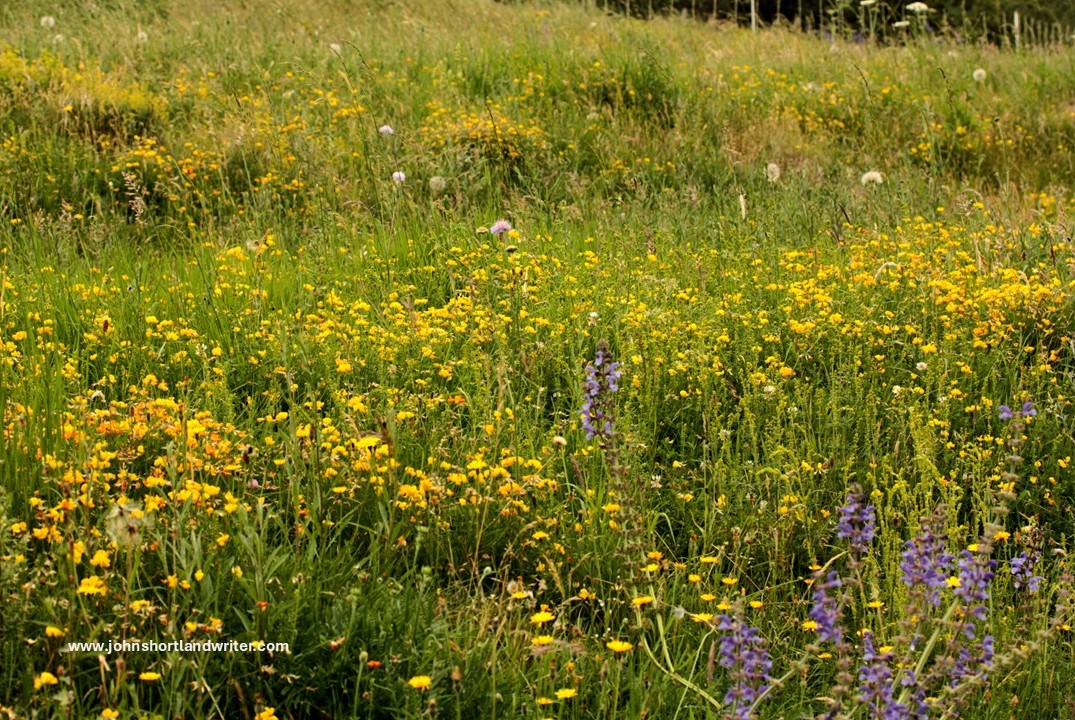
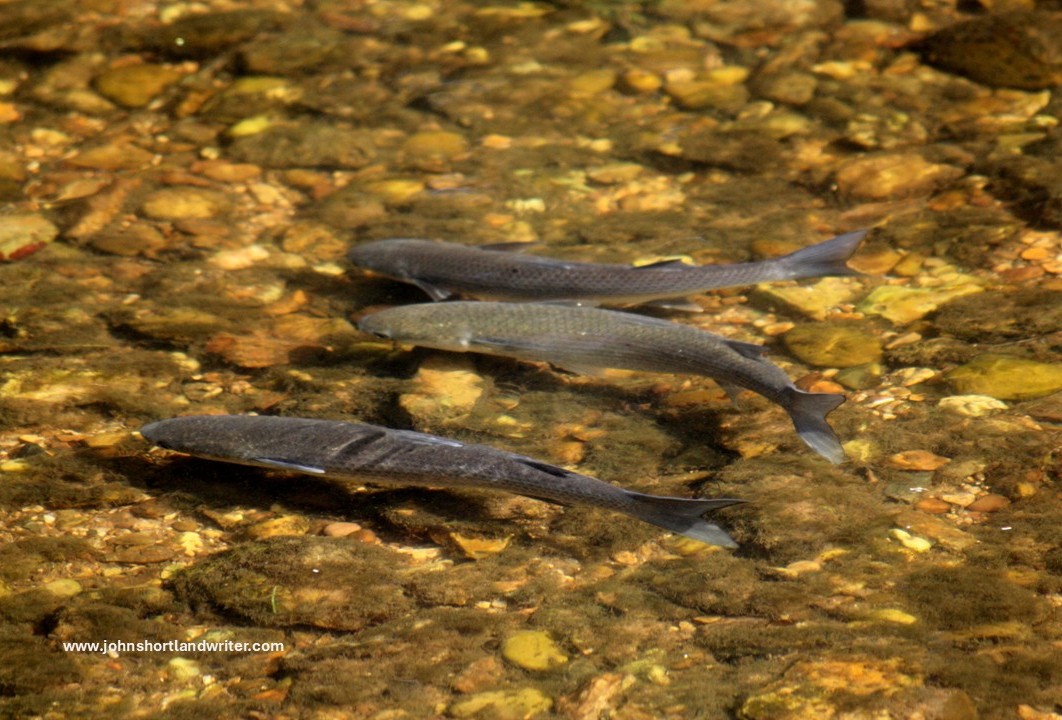
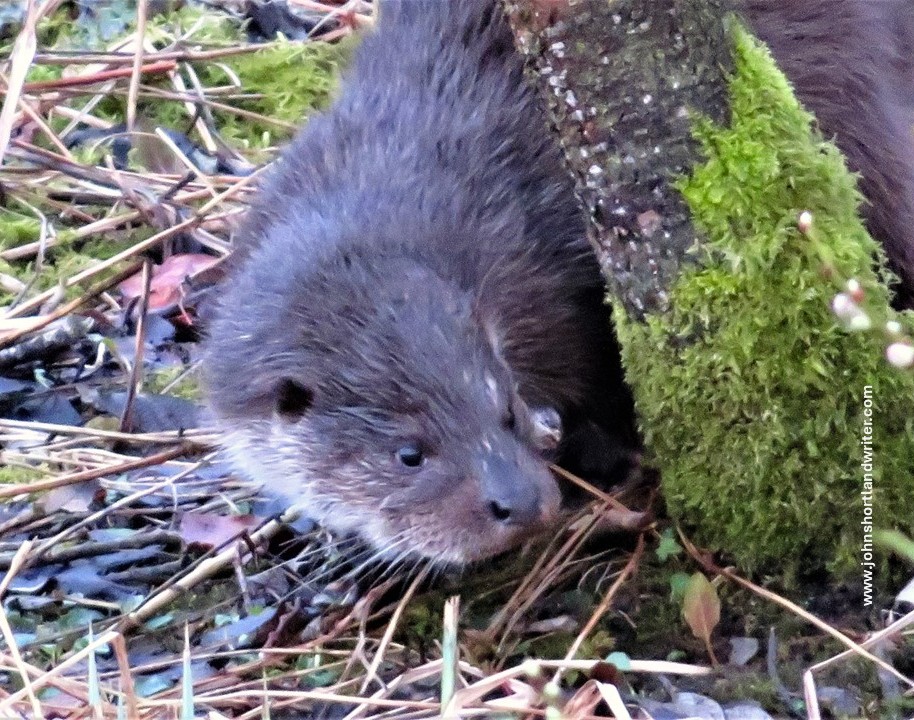
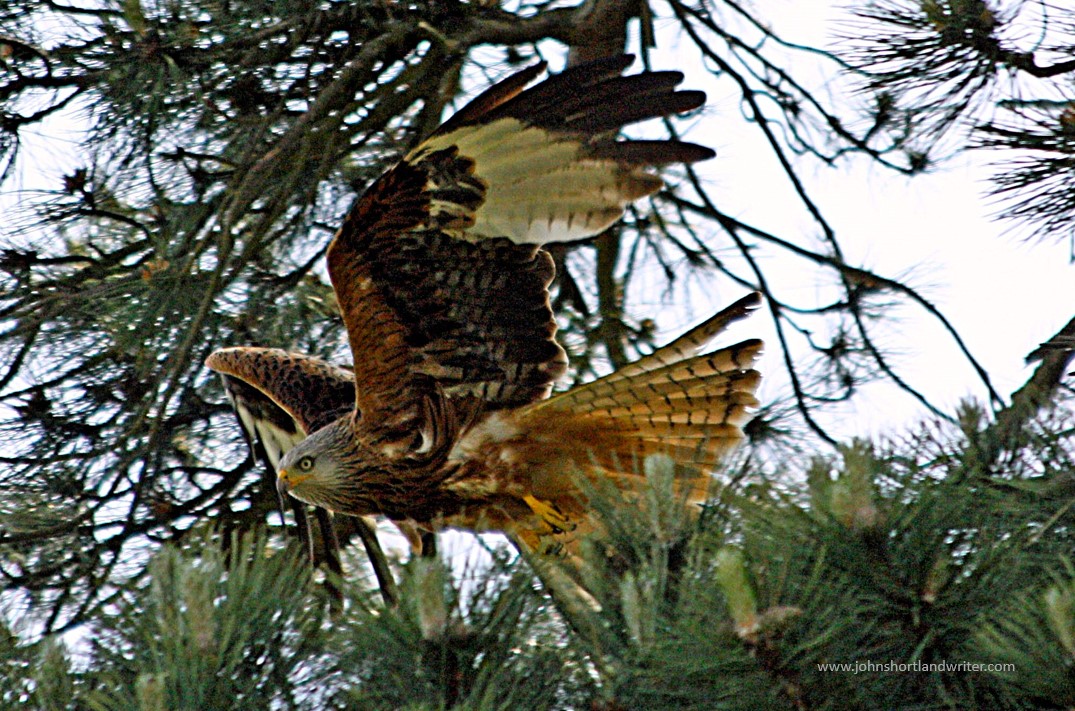
A few month’s earlier in August, I wrote of a walk that I had taken across fields, through woods and down country lanes back to my home in the secret valley. It was a lovely walk with the first signs of autumn colouring the trees and hedgerows which were laden with wild fruits and berries. After the noise and bustle of harvest, the fields were quiet and I met no-one for much of the walk. I prefer it that way for it is then, walking in silence, that you are likely to come across the wild birds and animals that also share this space, To follow the route that I took and to see the beautiful creatures I encountered click here.

When walking quietly you come across the wild creatures that live there

I have lived in the country all my life and my father was very much the epitome of the ‘English country gent’. My mother remained a ‘townie’ all her life (she had been brought up in the West End of London) and we both teased her mercilessly about her lack of knowledge of country ways. When she met and married my father it must have come as quite a culture shock to find herself living in a small, close-knit community where everyone knew one another and one another’s business. Neither of my parents were walkers but as a child they would drive my sister and I out to Turville Heath. Over time the heath became my place of refuge whenever I was in need of comfort or in need of re-charging the batteries. It would also be the place for summer walks, playing cricket and picnics. Of equal importance as the heath itself was the car journey out to it – past miniature farm and other magic moments that we children couldn’t get enough of. Click October’s link here to find out more.

My father, very much the country gent despite not liking guns!

Looking back even further in time, I explored the lives of ancestral aunts, uncles and cousins. They had been born, married and died in a village very close to the where I had been raised for our family have lived in the area for at least five hundred years. Discovering their stories had been quite a revelation – for my 3rd great-grandaunt had been about to marry in the local church when she gave birth to a child. The repercussion of this – for the child was obviously not that of the grooms – was far-reaching. Devastated Thomas cancelled the wedding and did something rather surprising shortly afterward, as told in September’s blog post. What happened to disgraced Ann? And what happened to poor Henry, the baby boy, who lived with the stigma of his birth? Was it this that took him down the path of self-destruction and a young death many thousands of miles from home in ….. – well, you’ll need to click on the link to find out what, when and where!

The village church where Thomas & Ann were to wed in 1809


So, what will 2025 bring, I wonder? World politics seems to be on the news with constant and often seemingly bizarre twists and turns unsettling many of us. I’m quite good at not getting too worked up about things that I have no control over. Fortunately, I live and work in stunningly beautiful countryside and my interest in family history has taught me that life carries on regardless of turmoil all around us. I shall continue to write about my adventures (if that isn’t too strong a word to describe them). I also have a couple of writing projects to see to, and of course, there are my garden projects too. In dues course, they may appear on these pages. As with all my blogs, there are lots of photos to view so why not take a look and please do comment as appropriate.

Rights of Passage – England’s Footpath Network

Since the start of writing my Life in the English Cotswolds blog, now over fifteen years ago, overseas readers have repeatedly commented on our network of public footpaths. Mostly it is one of surprise that we can seemingly wander at will over privately owned land and clear any obstruction that may be blocking our way.  In this post I hope to clarify what this civil right, now enshrined in law, is all about.

A footpath crossing privately-owned land in the Cotswolds

Many of our footpaths are ancient in origin dating back 5000 years or more.  Of course, in those days, these paths were the main highways across a wild and untamed land.  Even in the relatively recent past much of the road system was a dusty, uncomfortable route to take in summer and not any better later in the year when winter rain turned them into a muddy quagmire.  Over many centuries the network of paths was created, usually by local people on foot or horseback taking the most direct and dry route to work or market.  This is one of the reasons why paths often pass through farmsteads and gardens.

This public footpath passes close to Lower Dornford Farmhouse

Today, the public footpaths of England and Wales (Scotland has a different system) are much loved and well-used, mostly for recreational purposes.  There are several organisations and charities (see list below) that help to protect the paths and walker’s rights to use them for there are several threats, such as land development for roads and houses, as well as the occasional, unscrupulous landowner.  Landowners seem to fall into two categories: those that maintain the paths to allow ease of access and those that allow the paths to fall into disrepair for it is the landowner that is responsible for the path’s maintenance.  A well-maintained path is clearly defined across the landscape, its gates and stiles giving ease of access whilst remaining stockproof.  By statute, where a path crosses a road, the local council must signpost it.

This farmer has mown a strip through his crop to define the footpath
Where a path meets a road it must be clearly marked

After many years of campaigning, England created its first long-distance path, the Pennine Way, in 1965.  It is 268 miles in length and runs down the spine of northern England passing through spectacular countryside.  Today, there are many of these long-distance paths as well as shorter, circular paths.  However, with a good Ordnance Survey map (paper or app) it is possible to create your own route whether it be for an hour’s stroll or for much longer.  In 2010 the Slow Ways network linking various paths and lanes, villages and towns, across the whole country was created, one of the few benefits to have arisen from the Covid-19 lockdown when walking alone was one of the few permitted activities.  The routes listed are all tried and tested by local people who walk them regularly.

The rugged landscape at Jacob’s Ladder, part of the Pennine Way long-distance path
Ordnance Survey map shows the public rights of way (the solid red line is a main road, the solid yellow line, a country lane [Copyright Ordnance Survey]

In the Ordnance Survey map illustrated above the footpaths are clearly defined using red dashes.  The short dashes show footpaths (walkers only) whereas bridlepaths (walkers, horses and bicycles) have long dashes.  The broken short-long dashes mark those tracks that can be used by horse-drawn vehicles (“restricted byway”).  Some paths have signs along their routes showing not just the route but also the path’s category.

As mentioned, paths frequently cross farmland or other enclosed land. A way through a fenced or walled area must be maintained at all times.  Below are illustrations of some of the different types of barriers you may come across although none must prevent you from continuing along your route.  If it’s a route for horses the rider must be able to open the gate without dismounting.

Wooden gate to pass through easily or wooden stile to scramble over
Not all stone wall are so tricky to get over!

Visitors to England often spend far too much time in the major cities or tourist hot-spots (the Cotswolds have lots of those!) returning home not realising that they have missed the opportunity to see parts of the country that never feature in the travel magazines – the homes and villages, the woodlands and old drover’s tracks that can be found all over the country.  You may choose to walk alone but when you do meet someone, they are often local and happy to exchange greetings and share a few minutes in dialogue.

Bibury – one of the most visited villages in the Cotswolds. To see it like this you need to arrive soon after dawn!
Get away from the crowds by exploring the peace and quiet of the English countryside

Not everyone, of course, feels comfortable walking by themselves, especially in an area unknown to them.  Fortunately, there are a lot of local groups or larger organisations such as the Ramblers Association that will welcome you on a regular or one-off basis.  Occasionally you may even find an individual who’ll be happy to share with a visitor a favourite walk or place – I’ve done it myself and made some good friends along the way.  That is one of the best things about walking, the walks can be short or long, easy or arduous, solitary or in company but it is the interesting conversations you have, the beautiful scenery you pass through, and the wildlife you encounter that make such a memorable experience.  Why not give it a try?

Walk quietly and you’ll be surprised who accompanies you!

Useful Links
click on the organisations below to visit their webpage

Cotswold National Landscape – Guided Walks
National Trust – walks in Gloucestershire and the Cotswolds
Ordnance Survey
Ramblers Association
Slow Ways
The Cotswold Way – a 102 mile trail that takes you through the heart of the Cotswolds to the Roman city of Bath, a UNESCO World Heritage Site.
The Long Distance Walkers Association
Walking in the United Kingdom

A Good Walk Home

Both my partner and I like walking but, more often than not, we walk alone.  Somehow it just works out like that and there is no doubt about it, that when you walk without company you do see and hear so much more.  It isn’t that we chatter away non-stop – we’ve been together for  far too long for that!!  It’s just that with no-one to speak to, or alongside, one becomes far more aware of all that’s around you.  And with only the sound from one pair of walking boots the wild creatures are less aware or concerned of your presence.

Walking quietly it’s possible to get quite close to wildlife

Usually, from necessity, our walks are circular – either back to the car or back to the house if we’ve started from home.  Recently I cadged a lift to Duns Tew, just outside the Cotswolds but still in Oxfordshire and not that far from home and the secret valley.  The village is an interesting mix of houses and makes use of their local ironstone as well as the Cotswold limestone.  I find it fascinating knowing that I live on the edge of two quite different rock formations, 0ne literally as hard as iron and the other, soft and easily worked.  The photo below shows the pretty church built of yellow ironstone and banded with paler limestone – a familiar pattern in the locality.

The thousand year-old Church of St Mary Magdalen, Duns Tew

The houses vary in style and age as well as building materials.  Some have thatched roofs; others slate and some stone tiles.  The traditional village pub has a stone tile roof made from Cotswold stone split into thin tiles.  Just to confuse the unknowing, these tiles are known locally as slates even though they are not made of slate!  The craft of making these roof tiles is centuries old – they have even been found by archaeologists when excavating Roman villas (of which there are quite a few in the Cotswolds) which means the manufacture of them has remained unchanged for the best part of two thousand years.  The pub also has a drystone garden wall, also made from Cotswold stone for which it is so ideal and makes such a memorable feature of the Cotswold Hills.

Village houses: contrasting style and stonework. The thatched house was built in the early 1600s. There are a number of these old signposts still standing locally
The village pub: this dates from the late 1600s. Note the stone ‘slate’ roof

One of the great things about walking in England is that we have a huge network of public footpaths, many of which date back to pre-history.  Now that I realise (thanks to my overseas readers) that being able to walk across privately-owned land by right is almost unique I intend to write specifically about them at a later date.  Suffice to say here, is that it is possible to walk from one end of the country to the other over thousands of miles of paths that must not, by ancient law, be obstructed.  This path is beautifully maintained by the owner. Just outside the village, partly hidden in undergrowth, were the remains of old pony carts.

A well-maintained public right of way that is also a driveway to the owner’s house
Half-hidden at the back of a semi-derelict shed

The path opened onto cornfields, the wheat harvested and the remaining stubble giving a real autumnal look to the countryside.  The hedgerow is also offering its autumnal fruits for the picking – crab apples, elderberries and blackberries; the sloes although looking good won’t be ready to collect until after the first frosts.  The squirrels have taken all the hazelnuts (you have to be quick to get them before they do – but already the embryo catkins, the male flowers, are beginning to appear.  It will be early February before they show the familiar ‘lamb’s tails’ that release clouds of yellow pollen with the slightest breeze.

The path is now gras covered passes ‘twixt hedgerow and cornfield
Crab apples, blackberries, elderberries. Tiny catkins are just forming amongst the blackberries

Although the path, now a wider track, looks obstructed here, the farmer/landowner has to leave the gate unlocked so that people on foot or on horseback can pass.  Crossing the lane it returns to being a path, this time skirting a large wood.  Now hidden by high hedgerows in the spring when the leaves are all bare, the woodland floor is carpeted with bluebells.  In the centre of the field is a stand of mature oaks.  Why were they left there?  For me, they always have a mystical look about them; stepping into their midst the atmosphere changes as if its centuries old story is being told to those that might listen.  Perhaps it’s just my imagination but the fancy is palpable.

As this is a public right of way, one of the gates must be kept unlocked by law
The copse in the middle of the fieldwas it once a sacred site?

Once again the path changes character.  Now a track crossing a small stream, the movement of a young coot searching for food catches my eye and we watch one another for a while before it decides that food is far more important than me.  At such close range I see it snatch a small water beetle before it disappears into the undergrowth.  For a while the path becomes woodland again and then opens up onto a concrete track.  The concrete is all that remains of a WW2 airfield, far inland to be out of the range of German bombers.  I stop to listen and am met with silence.  How different the scene would have been eighty years ago.

The baby coot carried on about its business…
The old wartime concrete paths make easy walking

Finally back home.  Being an Englishman through and through (if you ignore the foreign bits of me!) I sit on the old stone bench in the garden with a refreshing cup of tea and lean back against the walls of our own stone-built house built 170 years ago.  Looking out beyond the garden I can’t help feeling how privileged I am to be seeing the best views of the whole walk!

Not too bad a view from home!

.

.

.

Not So Mad After All

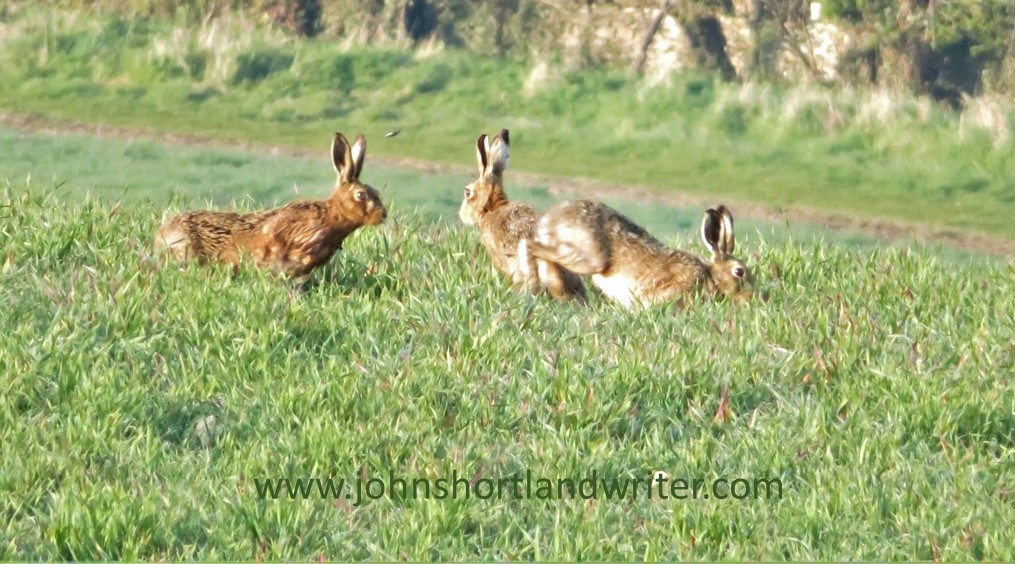
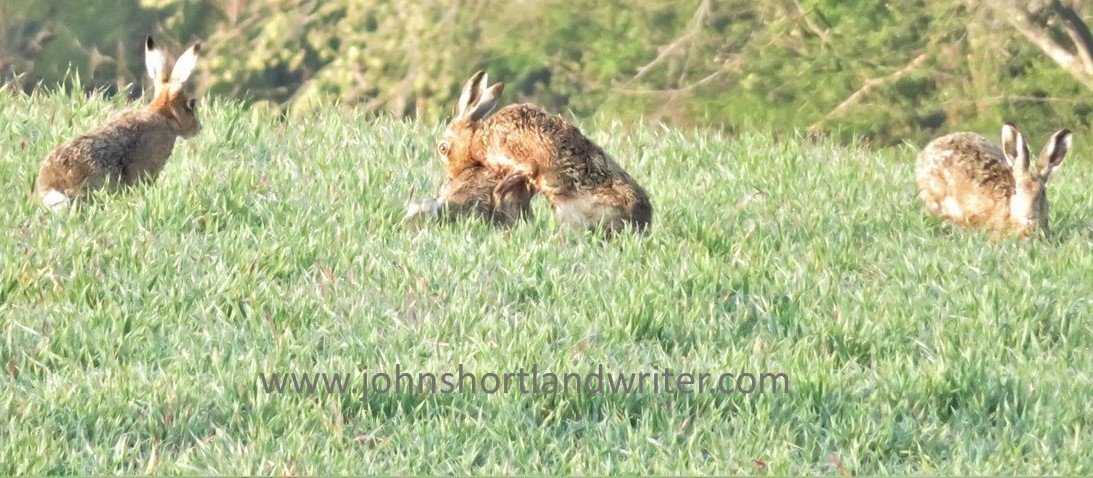
“ As mad as a March hare” so the old saying goes and at this time of year they certainly seem to be a little bonkers with their racing around, boxing and generally erratic behaviour.  However, it isn’t spring madness but sex that is on their minds – rather than being ‘a little bonkers’ it is their desire for a little bonking that drives them to the verge of insanity.

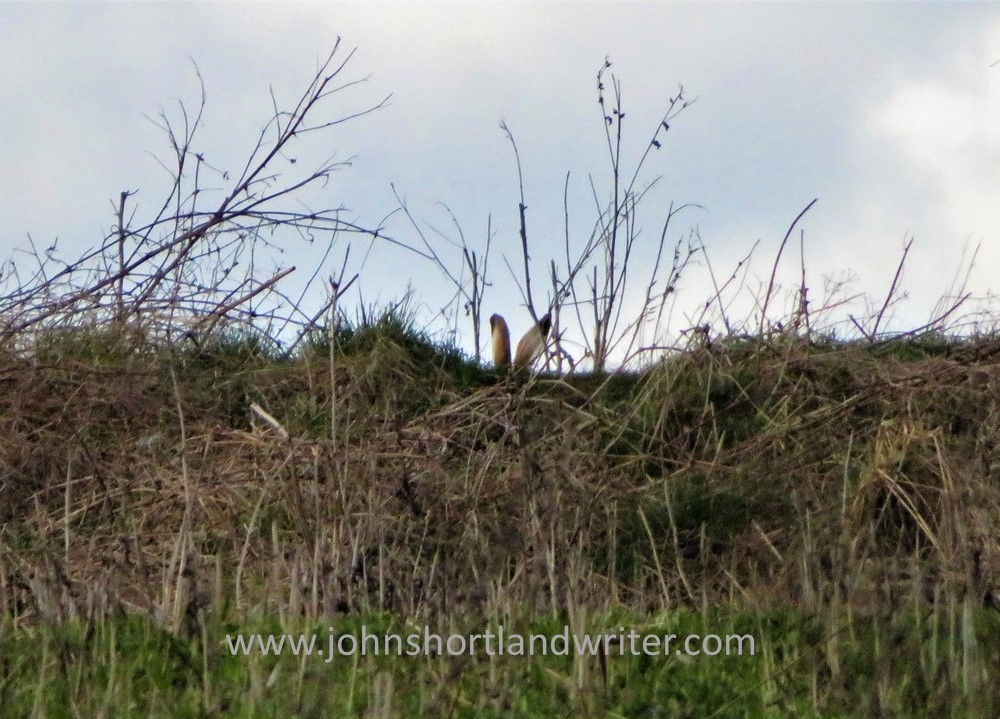
Here in the secret valley, as elsewhere, the hare population in some years is greater than others.  It looks as if 2022 is going to be a good year for them for there were eight in the field by our house a couple of days ago.  This gave great opportunities to watch them from relative comfort as they hurled themselves at one another and galloped around the field at great speed.  Of course, as soon as I reached for the camera they disappeared almost as if they thought that filming hare porn was rather distasteful and embarrassing.  After a while I realised there was one keeping well-hidden watching me. 

The hare forgot to hide its ears…

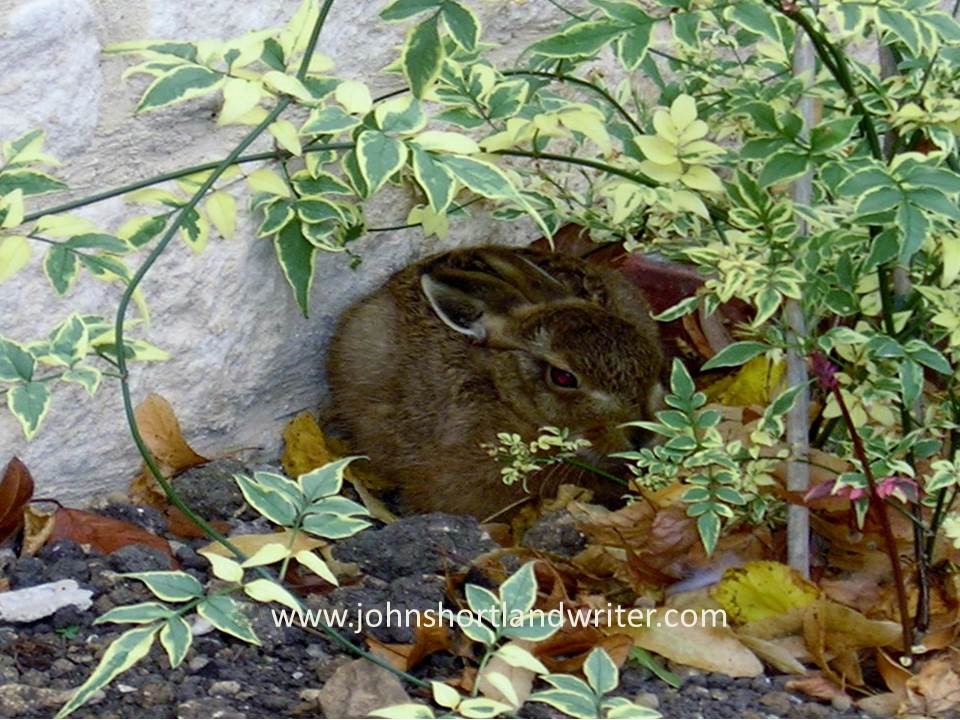
This ability to disappear has over the years given rise to many superstitions and old wives’ tales.  They were thought to have mystical properties too and I did on one occasion experience this myself.  I was visiting the ancient, subterranean earthwork, New Grange in Ireland.  If ever you were going to have a mystical experience it would be here for you enter the tomb by a long, low and very narrow passageway before entering a large stone chamber.  With almost no natural light it takes a while for your eyes to grow accustomed to the semi-darkness.  The friend that I was with said that she thought she’d fleetingly seen two hares which, of course, was impossible for we were blocking the only exit.  Back outside, we came to the spot where the two hares should be and there, at our feet they rested, two baby leverets, completely unafraid of our presence.

The entrance to the prehistoric burial chamber at New Grange
The two baby hares were nestling in the grass…

The hare has been revered and feared in equal measure throughout the world.  It was considered an ill-omen to meet one upon the road; there are myths concerning the cycles of the moon and the hare both connected to lunacy.  It has been much connected with ancient art and can be found in prehistoric rock paintings; in England in the Cotswold town of Cirencester (originally a Roman town known as Corinium) we have the magnificent Roman Hare mosaic now on display in the local museum (link here).  Discovered fifty years ago, it dates from 400AD and shows the animal feeding.

Hares are considered to be very nervous and flighty animals that also have the capacity to do huge amounts of damage if they should enter gardens or orchards.  Some years ago, one took up residence in a garden I cared for and I found, at least in this instance, that this was quite untrue.  Admittedly, if anyone entered the garden it would quickly hide but It accepted me as part of the garden and would hop around my feet quite happily.  It must have been feeding within the garden but I never found this to be a problem.  It is always a huge privilege when a wild creature trusts you and to be able to observe one at such close quarters especially so.  I always hoped it would raise a family there but I was more than satisfied with having just the one.

‘My’ hare would rest beneath a flowering jasmine but come out to join me in the garden
The hare would hop around my feet…

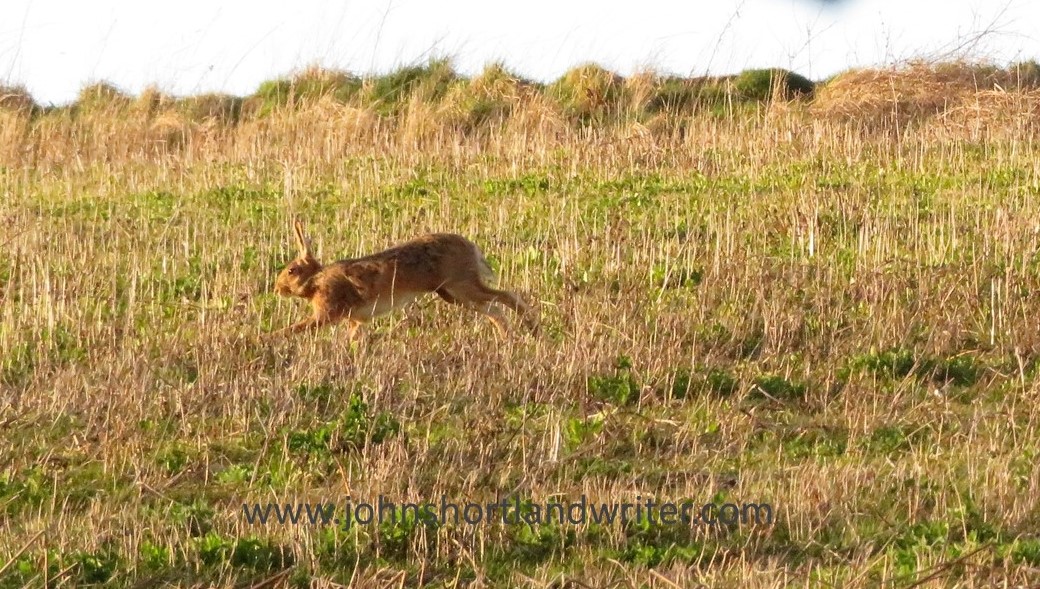
My’ recent hares finally couldn’t resist returning to their antics. Outrunning one another with their great speed and ultra-quick turns they, at last, didn’t notice me reaching for the camera. Although tricky to capture on film I finally succeeded.  As I did so, I thought of the thirteenth-century poem that I was supposed to recite to avoid bad luck.  The Names of the Hare, written in Middle English, lists seventy-eight names – With no memory for lengthy poems, I had to rely upon my previous friendship with the hare and the hope that would hold me in a special, protected place.  It seems to have done so but just as the myths claim, today when I went to bid them ‘good-day’, not a hare was in sight.

Success!
Time to go!

.

Ash to Ashes?

On the farm where we keep our horses there is a venerable, old ash tree. ‘So what?’, you might ask, for around much of Britain ash trees are two-a-penny; in fact, their self-sown seedlings can be quite a nuisance. Well, firstly, this particular ash is very special.

Growing halfway along a scrappy old hedgerow dividing two fields, the ash has seen generations of farmers, farm workers and, perhaps, lovers all sheltering from the sun and the rain. It would seem the obvious place to rest when taking a break from toil in the heat of summer harvest and haymaking. Perfect, when its branches spread widely to cast shade but not when the trunk stands bare, its branches freshly pollarded. Years of pollarding have created a relatively short trunk full of cracks and fissures, the home of bats, owls and the occasional nesting kestrel. Its branches show the characteristic shape of old, abandoned pollards.

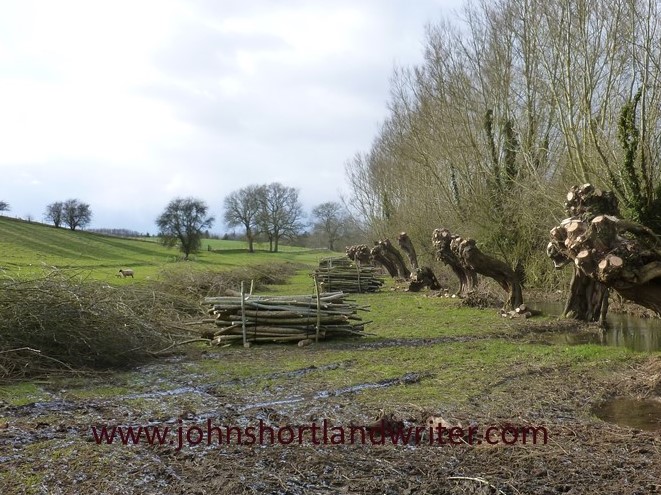
Pollarding, the removal of branches, is an ancient country method of producing straight poles. These would be used in many different ways from sheep hurdles and fencing, for building material and posts, to pegs and walking sticks. I have quite a collection of the latter, my favourite being a five-foot ash stave that I cut as a sixteen year old. Over 50 years of continual use it has become as smooth and as polished as if it had been carefully honed.

Willow coppicing. The branches, known as cordwood, stacked ready for transporting

Pollarding is carried out every few years, the time period varying with the timber size requirement and the rate of growth. Contrary to what one might expect from such drastic treatment, pollarded trees have a much greater lifespan than those left unpruned. Or they did have.

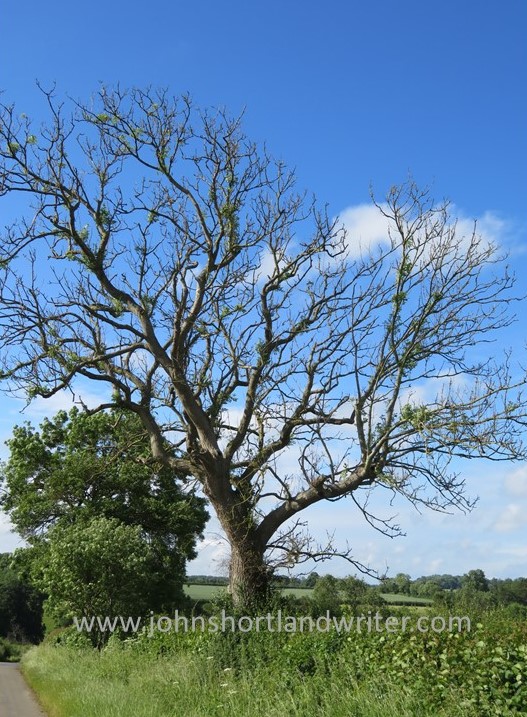
Ash Dieback disease, Chalara, was first seen in the UK in early 2012 on trees imported from Europe. A total ban on importing new trees came into force later that year but, by then, the disease had begun to spread. A classic case of ‘too little, too late’ for Chalara had been known on the Continent since the early 1990s. Now it is to be found in many regions of the British Isles. Here, in the Cotswolds, it has been slow to show its face but this year, the effects are noticeable with dead and dying trees standing alongside others that appear not to have been infected.

Stunted & sparse leaf growth on diseased ash trees
A severely infected ash tree with a healthy tree behind

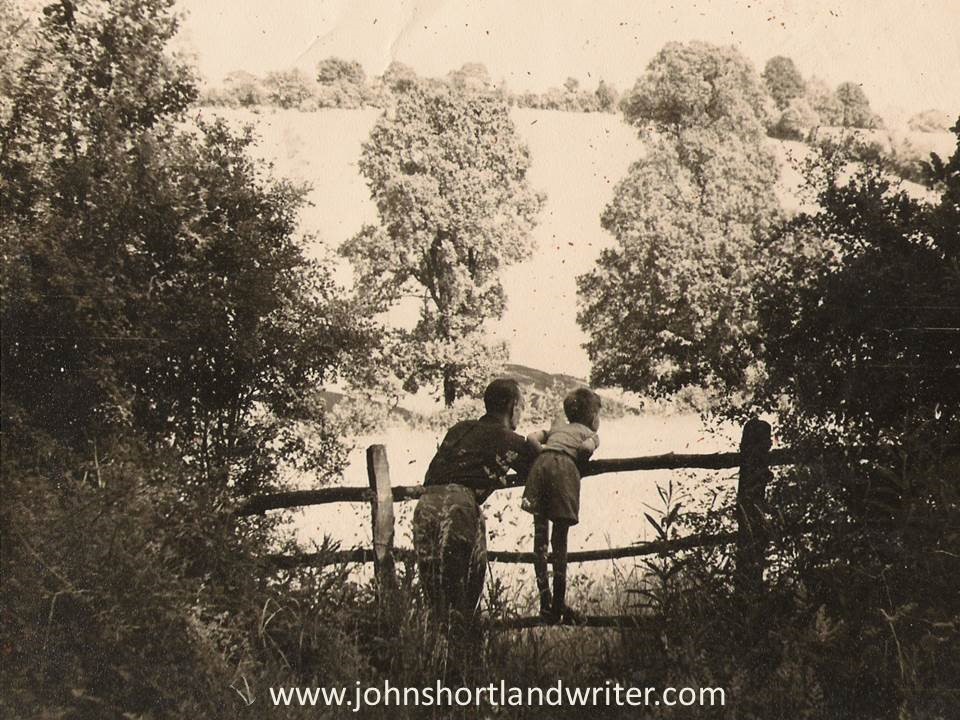
It is thought that probably 90% of all ash trees will succumb to the disease, the loss of such a great number dramatically changing the appearance of the countryside. As a boy I lived in a road that was lined with elm trees. Like the ash, those in our garden my father regularly pollarded and I would be sent up to climb onto the lighter branches to saw them off. No health and safety issues in those days! A favourite old photo of mine is the one below showing my father and I in what now looks an idyllic rural scene. It also shows how old elm trees were once the dominant feature of English lowland landscapes; all gone due to the ravages of Dutch Elm Disease that arrived in the 1970s. It is hoped that by not clear-felling the ash, as they did with the elm, disease resistant trees may be found. If not, once again our treescape will change just as dramatically.

My father & me with elm trees dominating the landscape c.1956

Ash, Fraxinus excelsior, is more often allowed to grow unchecked to its full glory. The pinnate leaves and wide-spreading branches create a light shade under which many of our native flowers thrive. It is also home to bats, birds and numerous insects including six of our rarest beetles and flies. It is especially associated with the scarce Brown Hairstreak butterfly (source: Devon Wildlife Trust) – only time will tell whether this butterflies breeding success will decline even more.

A healthy ash tree in spring

In the spring, before the leaves open, the ash bursts into flower, all too often overlooked. Make a note to take a closer look next spring, for it may be one of the last chances you have before, like the elm, it too fades into history.

Ash flowers in early spring before the leaves open

If you have a favourite ash tree in your own area why not photograph and upload it onto a nature recording website such as iRecord? That way, you will be preserving it forever and help to create an historic record for the future. Perhaps one day there will be disease resistance and ‘your’ tree can be replaced. You can find the link here.

Discovering the Five Senses in Lockdown

It sometimes takes a crisis to make us re-evaluate what is of importance in our lives and the present one of Coronavirus/Corvid-19 surely has to be the greatest that we will collectively face. Now, several weeks into lockdown we have all been developing new patterns to our daily regime, one of which may well be taking more exercise. Never before have we placed so much value on fresh air and being able to walk freely whether it be in our parks, gardens or open countryside.

Marlow watermark

                           Riverside path, Higginson Park, Marlow (before social distancing).                                 The river is the River Thames in Buckinghamshire

Living where I do in the Cotswolds surrounded by fields and with woodlands and the river close by it is relatively easy for me to enjoy the open space. For others able to take advantage of their enforced free time, it may involve a longer walk and I have certainly noticed an increase in the numbers of walkers and cyclists here in the valley. I have also noticed that for many of them one aspect of their lives hasn’t changed: as they walk their eyes are glued to the screen of their mobiles and headphones are clamped to their ears, seemingly unaware of their surroundings. It has made me think all the more of our five senses and how we use (or should use) each one of them when out exercising.

Nr Fingest copyright

Cycling in the Chiltern Hills

SIGHT For those of us blessed with the gift of vision, perhaps sight is the most important sense we use and perhaps the one we most take for granted.  Without it, it is still possible to enjoy one’s surroundings for the other senses become heightened but I doubt if anyone would deny the pleasure of seeing the beauty that surrounds us on our daily walks. Even within cities there is much nature to be enjoyed although I admit that sometimes it has to be sought with more vigour and awareness.

Viola watermark

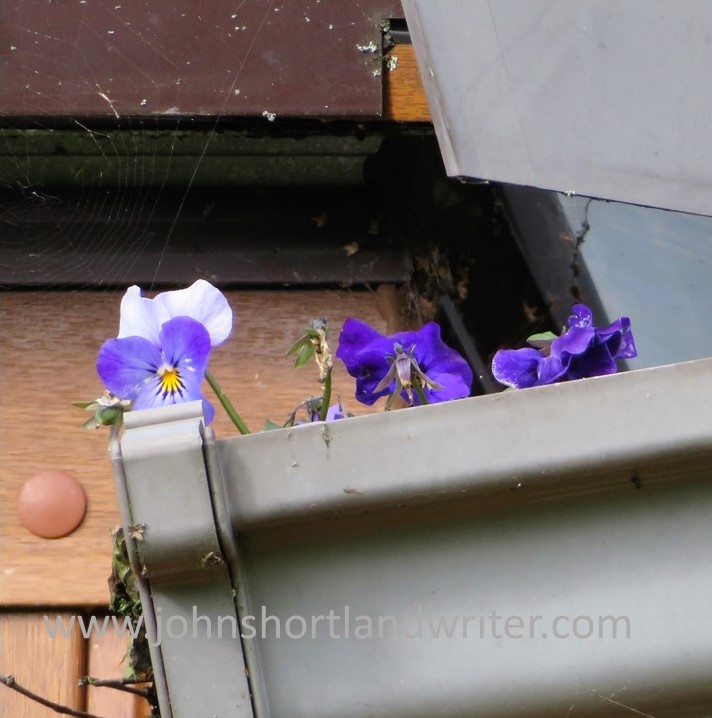
Look everywhere – self-sown violas peep out from overhead guttering!

At this time of year, more than any other season, there is much to see. Tight leaf buds unfurl into an explosion of vivid green foliage, iridescent wherever sunlight filters through; young ducklings tumbling into the park pond to take their first swim. But it isn’t just the natural world to be seen anew, there are other things too. Although it had been there for more than a hundred and forty years (and I’d walked past it very day for twenty) the date scratched into the stone on this wall had gone unnoticed.

Date stone watermark

Who scratched this date into the old stone wall and why?

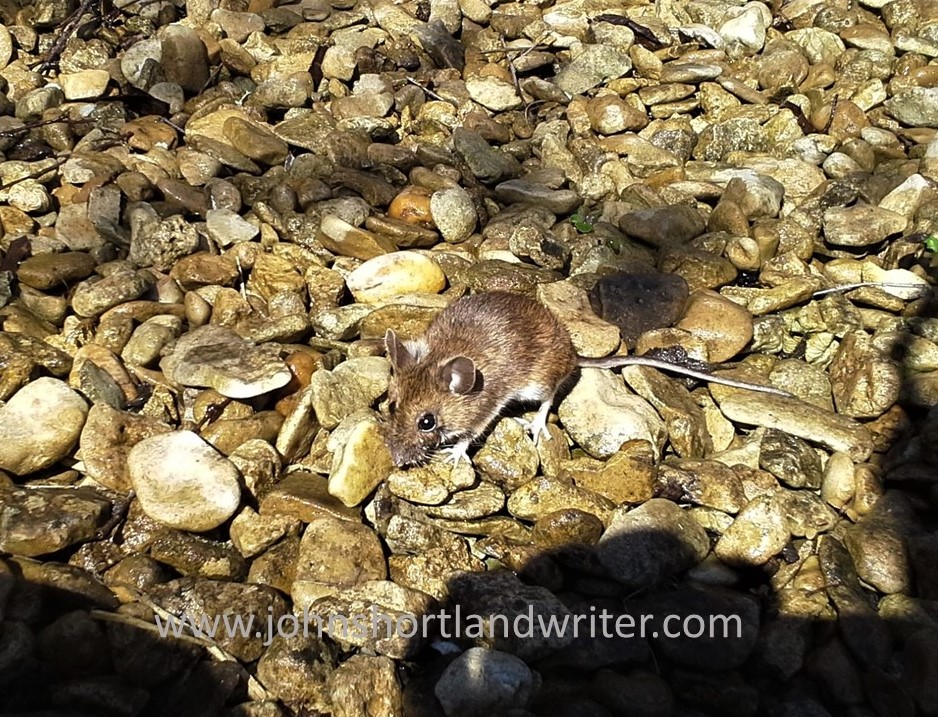
HEARING Along with sight the second most important sense we use on our daily amble. Apart from the glory of birdsong there are other sounds that bombard us when out walking. The wind flurry that makes the catkins tremble and shed their pollen, the stronger breeze that make the twigs and branches clatter gently against one another. Then there’s the rustle in the undergrowth. Stop and wait silently and with patience you may be rewarded by the sight of a little field mouse going about its daily chores or a rabbit venturing out to feed.

Field Mouse watermark

patience was rewarded when this little field mouse ventured into the open

Altamont Gardens (8) watermark

… and also this rabbit

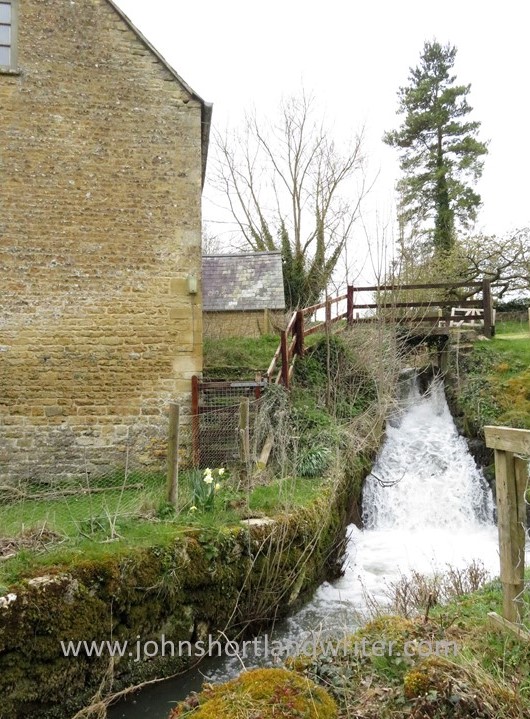
The sound of the river alters constantly. The smooth, barely audible glide of the water changes to a tinkling of soft musical sounds, its flow interrupted by a fallen branch. A few yards further downstream they rise to a crescendo as they crash and tumble over the old millrace before returning to silence as the flow stills in the calm of the millpond.

Radford Mill (1) watermark

The old millrace 

Radford Mill watermark

the calm of the millpond

TOUCH   In the present crisis we are sensibly being discouraged from touching things unnecessarily. Out on walks perhaps care may be advisable when opening gates or climbing stiles but, if you do, take a moment to think about what you feel. Heed the cold steel of the metal five-bar gate and the way it slowly warms beneath your hand; feel the rough timbers of a stile worn smooth from much use over the years. Of less concern health-wise – and all the more pleasurable for that – become aware of the softness of new horse chestnut leaves; later in the year they will become as harsh as sandpaper. Run your fingers across the twisted, grooved bark of the sweet chestnut tree and stroke the furry softness of the aptly named ‘Lamb’s Ears’, the favourite garden herbaceous plant Stachys byzantina.

Sweet Chestnut 4 watermark

The deeply grooved bark of the Sweet Chestnut tree

Stachys byzantina  Lamb’s Ears

SMELL   The scent of spring is everywhere at the moment and to be delighted in. However, the sense of smell is also a powerful trigger of long-forgotten memories. In a few weeks’ time the sweet scent of drying hay in the meadows may recall childhood farm holidays but for now there is the unique smell of new-mown lawns. Both start off as freshly cut grass yet their scent is so surprisingly different. Likewise, compare the subtly differing fragrance of apple and cherry blossom, both in their full-blown glory right now.

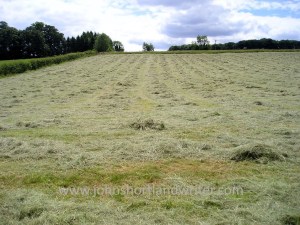
Drying hay before baling

The smell of freshly-mown grass…

Without even leaving home, squeeze the leaves of the herbs on the kitchen sill and notice their variation in scent, their colours and textures too. Early morn in the woodland, especially after warm rain, the delicate perfume of bluebells quickly disappears as the sun becomes stronger. Half-close your eyes and glory in their colour, in the silence and in their perfume and leave all cares behind you – if only for a while.

discover the different textures & scents of herbs

The vivid greens & blues of an English beechwood in spring

In town, the scents are also there just waiting to be noticed. Rain falling on roads and pavements or scorched by hot sun both produce delightfully tarry smells, one mild, the other strong. In the formal beds of the local park flowering bulbs stand in regimental rows; each have a unique scent which rises in the air to mingle with the vanilla fragrance of wallflowers. The wallflowers, their dull green foliage barely noticeable throughout the winter, now shout out the arrival of spring through the colours of their flowers of brick red, orange and yellow.

Tulips & wallflowers – a favourite park bedding combination

TASTE   In shaded places where the soil stays moist you may be greeted – even before you arrive – by the pungent scent of wild garlic. A prolific carpeter of the woodland floor its leaves and flowers make a useful ingredient to spring salads. Wild garlic or Ramsons to give it it’s country name, is fickle where it will grow. In some places that would seem suitable, not a single plant can be found. A less common member of the onion family to be found in the wild are the chives of our gardens, they grow along road edges and field boundaries locally. It is thought that they were spread by the old drovers of centuries ago so that they could harvest them along the way to liven up a bland meal. There is no doubting its identification, disturb the tubular green leaves and the familiar scent is immediately released.

Ramsons grow in damp, shaded places

It is not only the onion family that can be nibbled en route. Richard Mabey in his book Food for Free, published many years before foraging became a ‘craze’, suggests nibbling on the half-open buds of hawthorn. Many a country child has done so over countless generations and perhaps that is how they got their old name of Bread and Cheese. To me, they only have a slightly nutty taste and texture.

Hawthorn leaf buds are not really worth eating!

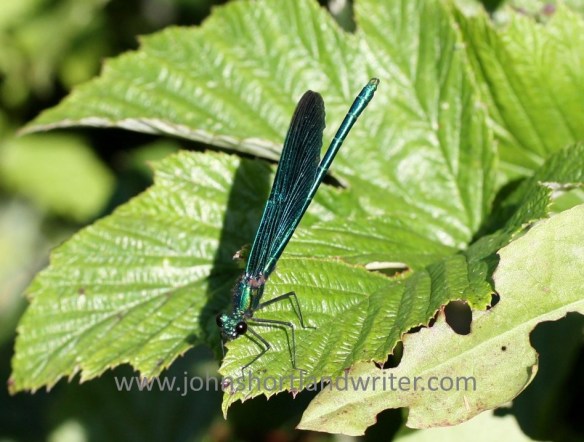
As a boy, brought up close to the River Thames, the hollow stems of the common reed were a regular source of pleasure for the soft pithy centre could be drawn out by pulling the stems through clenched teeth. Close to my present home there is also a small reedbed. These tall reeds have something to offer every one of the other senses too: sight – the pleasure of watching petrol-blue damsel-flies sunbathing on the stems; hearing – as they sway and rustle with the slightest breeze; touch – the coarseness of the leaves, a contrast to their smooth stems; smell – those of the river as it seeps around the roots, a heady mix of wet mud and wet greenery.

Only the male of the Beautiful Demoiselle damsel-fly has petrol-blue wings & body

So, within the bounds and restraints of the Covid-19 advice when out on your daily exercise, remove the earphones, place the phone in your pocket and use, really use, every one of your senses. Not only will you notice more, you will wonder how you never managed to notice them before. Stay safe, stay alert and take this unique opportunity to discover a new world on your doorstep.

Finally, one word of warning. Only try tasting wild plants if you are confident they have been identified correctly. If you decide to forage, do so responsibly and only pick a few leaves at a time. Make sure that all plants for consumption are free of pesticides and other contaminants, especially those growing in or near water.


The Year in Review: January – June 2016

As always the year has flown by to leave us with much uncertainty and sadness in the world.  Fortunately, life in the secret valley continues pretty much the same – it is easy to find relief from everyday stresses when surrounded by unspoilt countryside.  Rarely does a day pass when I don’t count my blessings for having had a rural upbringing and the opportunity to continue to live and work in such beautiful surroundings.frost-4-copyright

However, I am no hermit and I enjoy visiting other places – even cities!  One city I loved when I visited it some years ago was Stockholm, the capital of Sweden and I began the blogging year with a post about the Skansen open air museum.  Skansen was the first tomove and preserve traditional, threatened buildings; it was founded as early as 1873.  As well as buildings it also houses a zoo, concentrating on breeding native wildlife for reintroduction schemes including the European Bison which had become extinct in the wild.  To see more of the buildings click on the link here.8  Sweden. Skansen   copyright13 Sweden.  Skansen   copyright

Exmoor is a second home to me and features regularly on my blog.  In March, with some misgivings – for why would I want to share such a magical place – I took readers on my favourite walk, one that wouldn’t be found in any guide book.  The walk encompasses all that is best on Exmoor: open heather moorland, deep wooded combes, rushing streams and traditional pubs.  It also passed the door of the hill farm where I turned up as a lad looking for work after leaving school.  I was taken in and cared for – and made to work hard – and, well read the story by clicking on the link here.Above Brendon Barton (2)   copyrightLil @ Brendon Barton 1968   copyright

April saw me back on the Continent (as we Brits call Europe).  This time in the south of France visiting the ancient town of Lombez.  It is far from the tourist routes and we discovered it quite by chance.  With its ancient, timbered buildings and wonderful, brick built cathedral it deserved a longer visit than we were able to give it.  An excuse for a return trip, perhaps?  In the meantime, you can visit it by clicking on this link here.Lombez (22)   copyrightLombez (4)   copyright

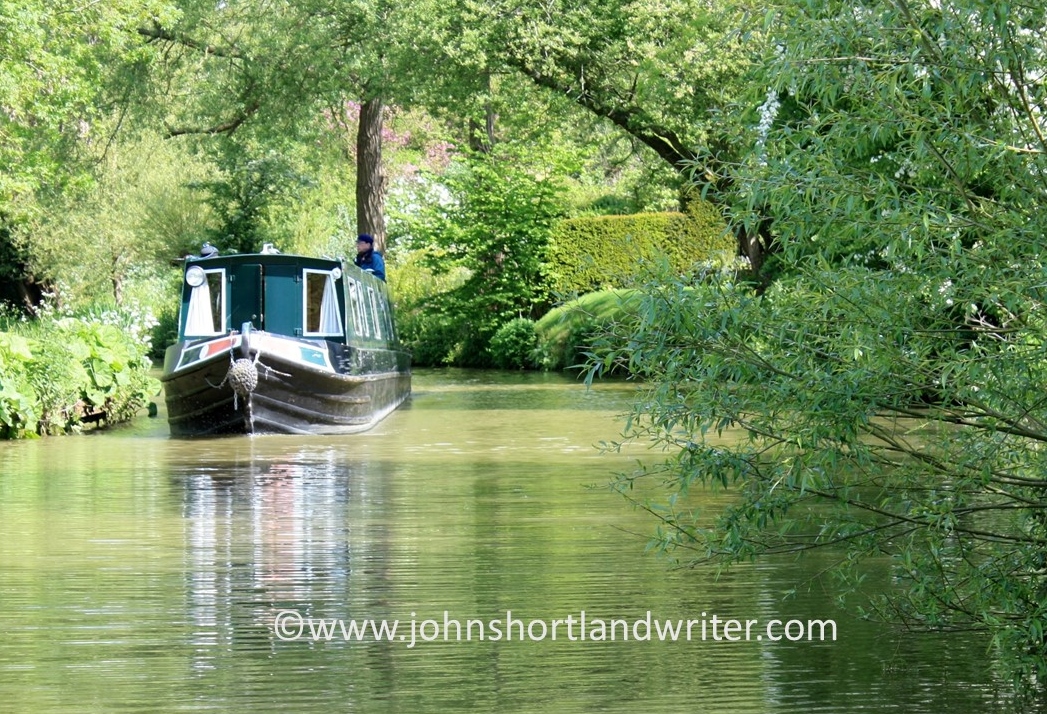
If April saw us travelling slowly through France, May saw us travel at an even slower pace – by longboat on the Oxford Canal.  Passing through traditional buttercup meadows – we were miles from the city of Oxford – and in glorious sunshine it was the perfect way to relax as well as to see the wildlife that seemed oblivious to our passing.    Click on the link here to see more.016   copyright076   copyright

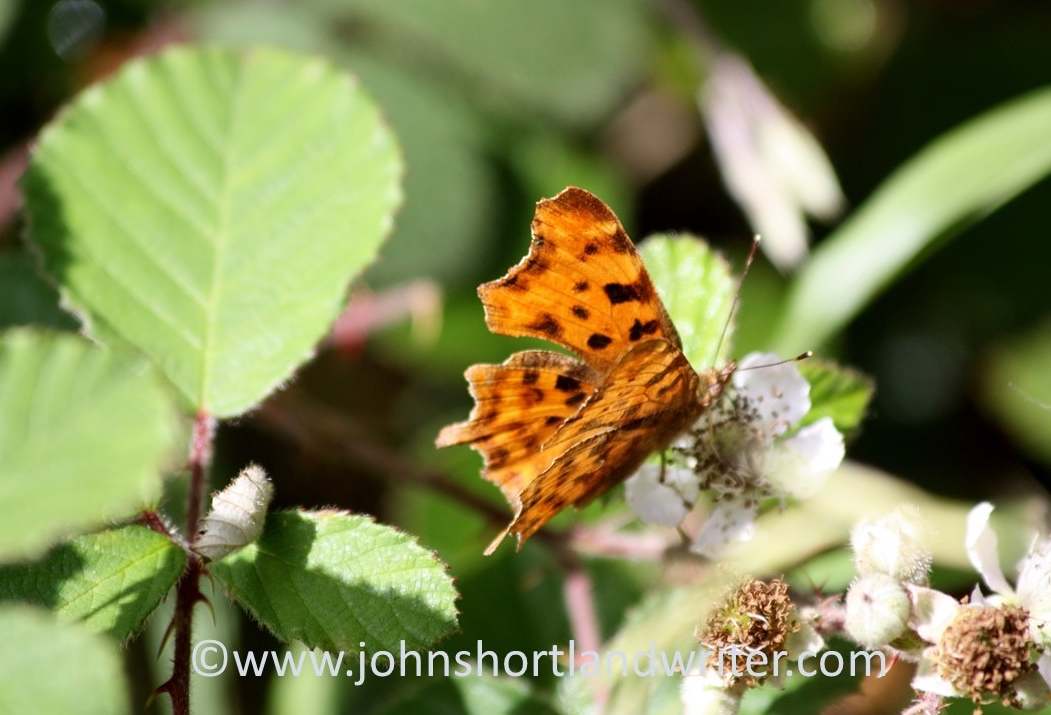
Our native butterflies struggle to thrive but I have been fortunate in living in places where they prosper reasonably well.  As a gardener, (both my hobby and my profession), I probably see more than most and in June I wrote about the species that visit gardens.  See how many you can identify  in your own garden by clicking on the link here and don’t forget to record them with your local conservation trusts or online.Comma Butterfly (2)   copyright

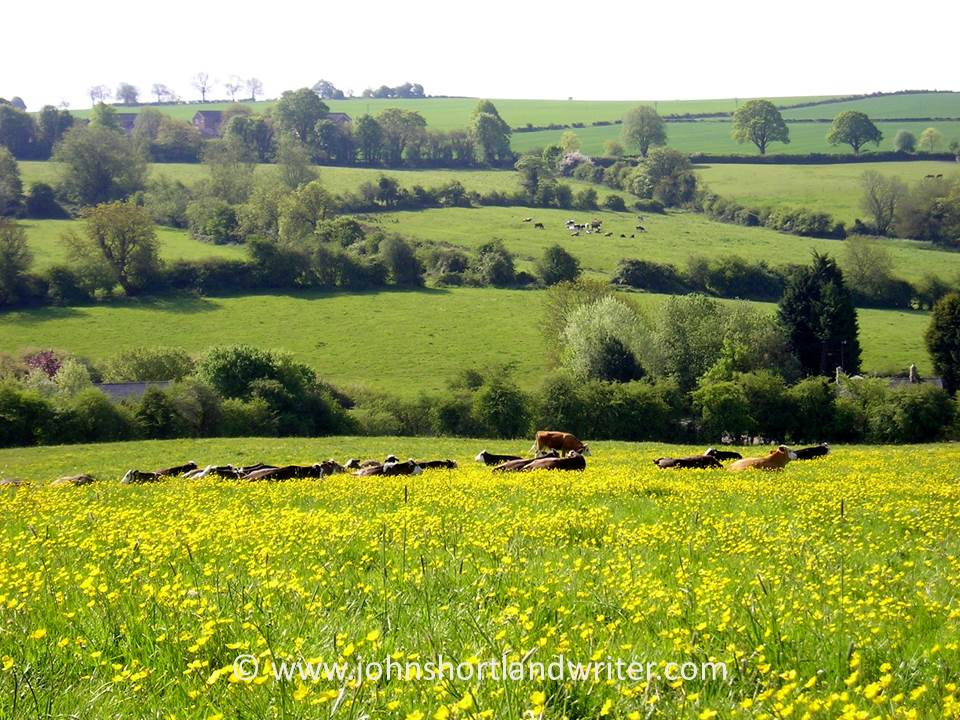
2017 may well prove to be a year that none of us forget too easily.  Travel abroad or in the countryside – and the British countryside is second to none – always helps to refresh the spirits.  I have numerous plans for the year ahead and hope that you will be joining me month by month.  In the meantime, the review of the second half of this year will follow shortly and don’t forget that images of the Cotswolds and other places I visit are updated regularly on my Facebook page and on Flickr.  You can also find me on Twitter @johnshortlandwra typical Cotswold scene   copyright


A Tour of the Secret Valley

Ask people – both here at home or abroad – how they imagine Great Britain to be, the answer is often the same: an overcrowded island. We do, of course, have our fair share of big cities, motorways and densely populated housing estates but it often comes as a surprise just how much unspoilt, open countryside remains. A few of us are lucky enough to live in it.

m40-stokenchurch-copyright

The M40 motorway where it enters Oxfordshire

rollright-stones-9-copyright

Less than two hours drive from the centre of London, the secret valley, seems more like a million miles away rather than just the eighty odd miles that, in reality, it is. Tucked down an unclassified side road and not shown on a number of maps, only those ‘in the know’ tend to visit it. Time for a quick tour.

secret-valley-3-copyright

The Secret Valley

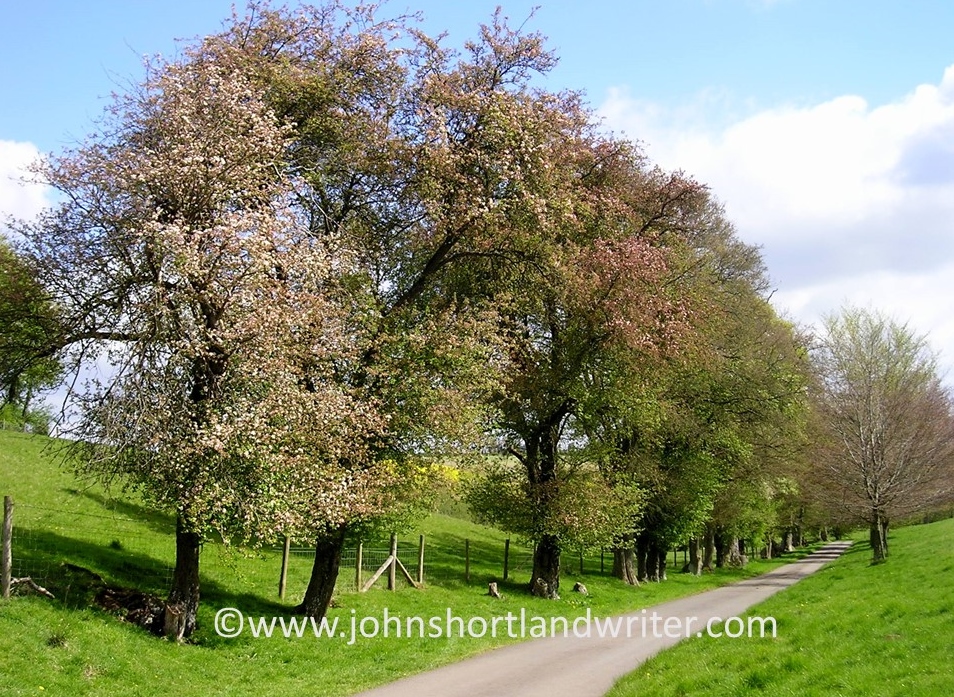
The approach to the secret valley gives little hint of what’s to come. Lined with crab apple trees, the lane gently descends between a fold in the hills where, on the steepest banks, wild thyme, orchids and other wild flowers grow.

secret-valley-2-copyright

A bend in the road conceals the valley’s crowning glory: the most perfect, easily jumpable river (as can be seen in the header image of this blog page). Twisting and turning as it passes through meadows, in its shallows watercress grows where both trout and crayfish hide. By its banks willow pollards, now elderly and bent, wear garlands of wild roses; they grow from the tree crowns courtesy of seed dropped by birds generations ago.

willow-and-wild-rose-copyright

The lane, crossing the river, passes our tiny stone cottage and climbs towards the village – a cluster of nine houses, a farm and little else. Our home sits alone, down by the river bank, with just one other as companion. Here, the lane – barely wide enough for a combine harvester to pass – once was busy with drovers taking their cattle and sheep to the markets in Oxford.

combine-harvester-copyrightcotswold-traffic-jam-copyright

These days the drove road enters and leaves the secret valley by a different route, only its mid-section by our house is still in use. The ‘old road’, as it is known, can still be walked – its path clearly defined by the wild flowers and hedgerows that line it.

old-road-2-copyright

The river, too, has chosen a different route according to the earliest maps. Downstream from our house, it flows past wooded banks to widen into a small lake before passing through fields, these days marshy where the watermill’s sluice gates have decayed with age.

old-sluice-copyright

Further downstream still, where the sheep cannot graze, swathes of scented, moisture loving plants such as wild valerian – looking very different from the one grown in our gardens – provide nectar for insets and a hiding place for deer.

meadowsweet-valerian-copyright

a forest of Valerian & Meadowsweet

On the higher ground of the secret valley, the fields are cultivated with wheat, barley and oilseed rape. Even here, in the favoured places, wild flowers and birds of many types can be found: the diminutive hay rattle, a relic from the old farming days to ravens, buzzards and red kites, all now common again after centuries of persecution.

yellow-rattle-copyright

red-kite-6-copyright

Red Kite

Sounds idyllic? You’re quite right – it is!

rainbow-2-copyright

We Built a Pond – you can too!

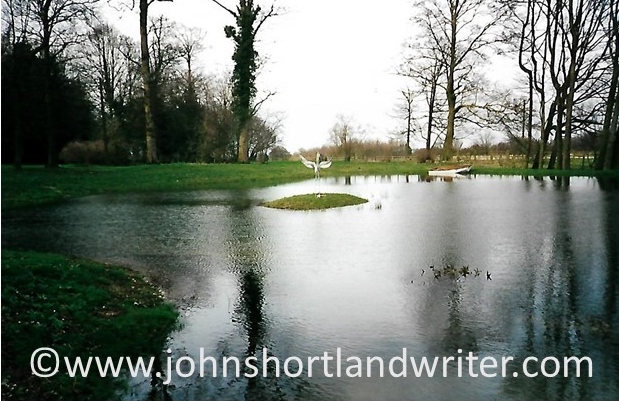
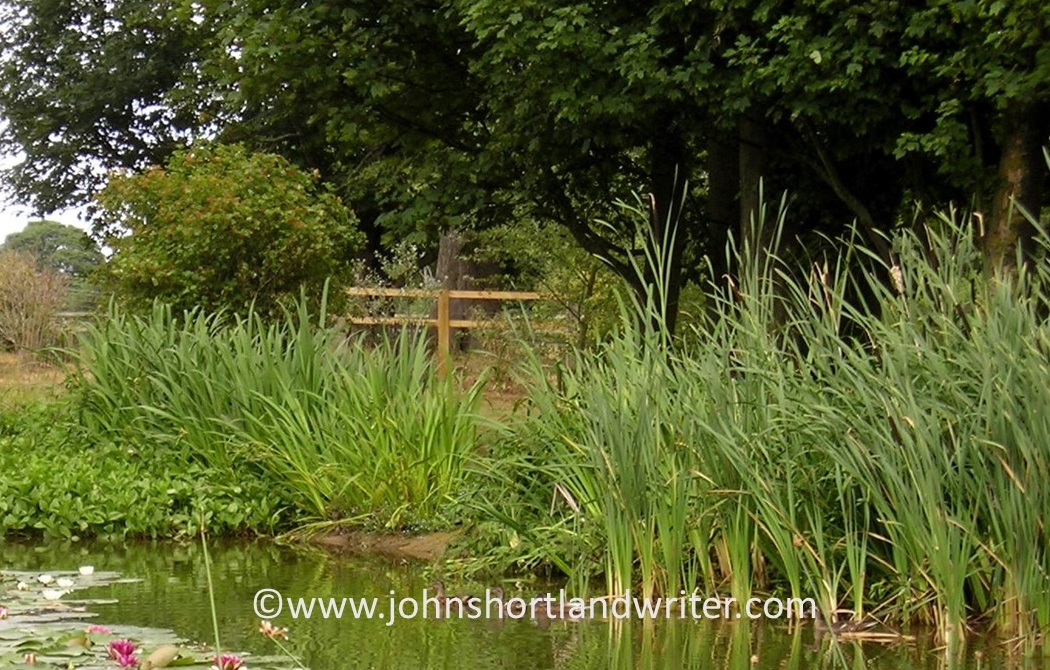
Winter is an ideal time to create a pond and with it fast approaching now is the time to start planning.  Quite probably you have an idea where you want to place it but do think about its position carefully.  Falling leaves from trees is an obvious issue but some others aren’t until it is too late. Water always collects at the given lowest point; a pond perched on top of a mound will look ridiculous so check where the lowest point in your garden is and create the pond there, remodelling other sections of the garden, if need be, to tie in. bulrush-copyright

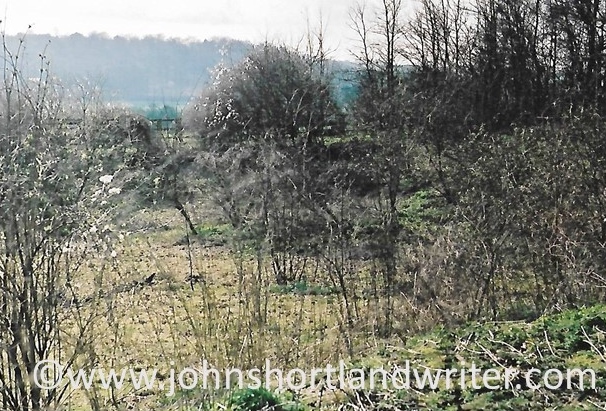
With our proposed pond site, we already had a large depression where garden rubbish and junk had been thrown for years.  Now overgrown with scrub, it needed careful clearing, including roots that may have punctured the lining.  If space is tight, the pond should have a planting shelf set several inches below water level, around at least one third of its edge; if space permits a graduated slope to the pond encourages plants to spread more naturally and, to my mind, is preferable.pond-build-1-copyright

If access allows, it is sensible to hire a digger to create the pond for even a small one involves a lot of digging and moving of soil.  In the past, the mound was often left behind with a few rocks, or even worse, bits of broken concrete, to create a rockery.  This very rarely works well and it looks far better to have lawn leading down to the pond with possibly shrubs or other plants surrounding it.  Whatever the choice, it is important to have a seamless transition from water to garden.  Iris work well for this as there are varieties that will grow in shallow water and on the moist soil surrounding it; some reeds, too, will colonise the bank giving the pond that natural look.pond-build-3-copyright

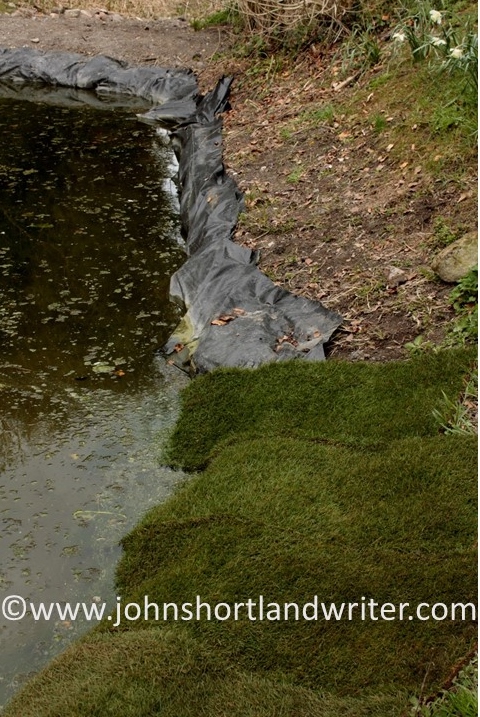
When using a lining it is important to allow a decent overhang onto dry land.  In this photo, the lining has been cut a little on the tight side – the weight of the water pulled the liner down into position; it is better to trim the liner after the pond has filled.  Once that has been done the liner can be disguised by laying turf down the sides to just below water level.  Once grown, it creates a beautifully natural appearance to the pool.pond-lining-2-copyright

pond-build-4-copyright

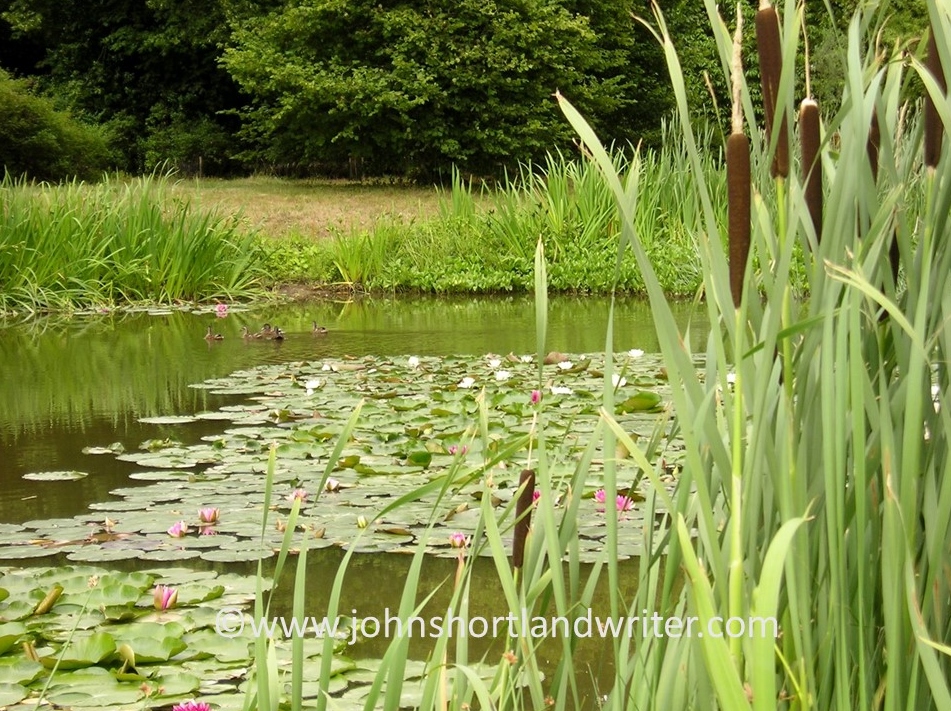
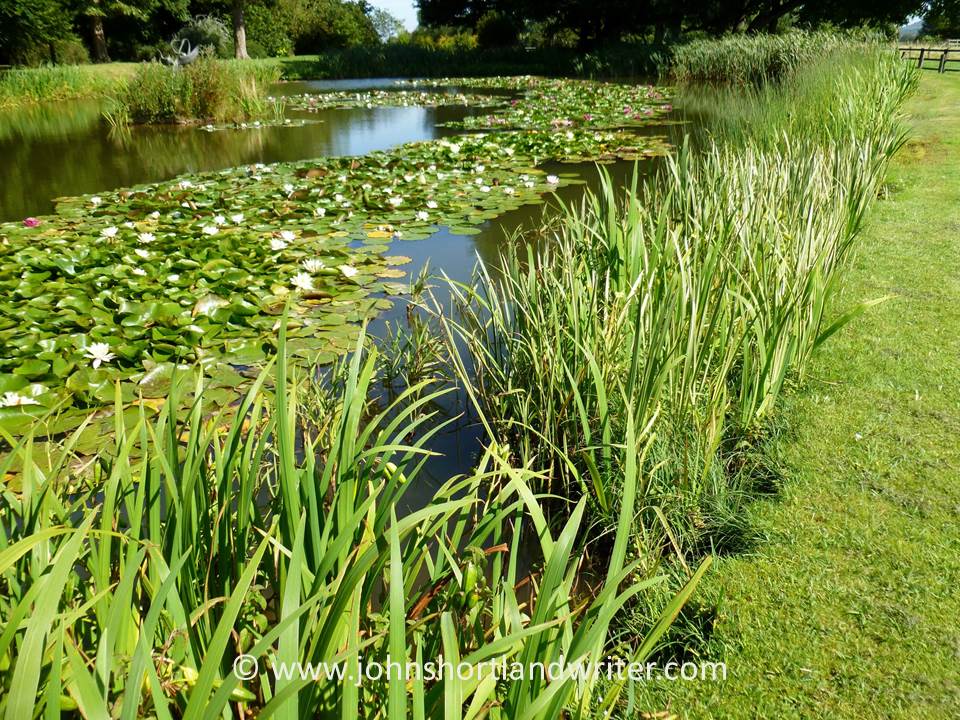
In the spring, aquatic plants can be planted.  Oxygenating plants grow below water level and apart from being essential, make good cover for fish and insects from predators.  Marginal plants grow in shallow water and are used for lining the edges of the pool.  A thick planting of these are a good safety measure if small children are likely to visit, although they should never be allowed to do so unsupervised.  Water lilies grow in different depths of water so do make sure that the variety you choose is suitable for the depth of the pond. pond-5-copyright


Ponds, however large, never need to be exceptionally deep, rarely more than a metre and can be as little as 50cms.  Smaller ponds benefit from a deeper ‘hole’ so that fish can take shelter from the coldest weather.  It is worth remembering that the larger the pond the easier it is to maintain and keep healthy.  Finally, once the plants have established, fish can be added.  For a wildlife pond, ornamental goldfish should be avoided although some of our smaller native fish can be included.

koi-copyright

Koi Carp are best kept by enthusiasts!


It is always a surprise at how quickly new plantings grow in a garden and the pond is no exception.  The scars of our pond had healed within months and even after just a couple of years ponds can look as if they have been there for ever.  Now twenty years later, visitors to our garden find it hard to believe that the pond isn’t natural; it abounds with wildlife and there isn’t an inch of black butyl liner to be seen.pond-2-copyright

The pond featured here was built in the large garden of the house that I claim to be my birthright (joke).  Correspondingly, the pond also had to be large but the principles of pond design and placement are the same whatever their size.

To read about the bizarre coincidences that cause me to ‘claim’ the house click on these links:

The House My Parents Built – 200 Years Ago

Reincarnation – or just Coincidence?


Castleyons – an Irish Gem

The small village of Castlelyons in Co. Cork, Ireland appeared deserted when we drove into it and as we seemed to be the only car on the road there was no fear of being run over when taking the photo below. As if to confirm its silence the main street was dominated by the ruins of an old Carmelite abbey.Castlelyons   copyrightCastlelyons (2)   copyright

Little is known of the origins of the abbey for there are few surviving written records. It is thought that it dates from the beginning of the 14th century although the existing ruins are from a hundred years later.

Castlelyons (5)   copyright

The size of the nave is huge measuring over sixty feet in length and twenty in width. It is separated from the chancel by the tower which although very ruined still has its complete spiral staircase which can be climbed – but not for the faint-hearted. The chancel which is also very large (over fifty feet in length) is where the altar would have been placed. A number of grave slabs survive some of which still have visible markings.Castlelyons (7)   copyright

Castlelyons (9)   copyright

The cloister, where the monks walked and meditated, is less complete but the turf square and parts of columns gives a sense of the place. The monastery was dissolved during the Reformation and passed into private hands. Now it is a national monument.Castlelyons (12)   copyright

A mile or two from the abbey ruins is the Castlelyons Graveyard at Kill-St-Anne. At its centre is a mausoleum built about 1747. The interior is circular with just one marble monument to James Barry, Earl of Barrymore and carved in 1753. External steps lead to a crypt below.

Castlelyons (19)   copyright

Castlelyons (22)   copyright

Close to the first lies a second mausoleum, also built in the eighteenth century, for the Peard family, local landlords. Their earliest grave (dated 1683) lies elsewhere in the churchyard and commemorates Richard Peard, an ensign from Devonshire in England.Castlelyons (20)   copyright

The church – or more accurately churches – lie in ruins for a more recent one was built within the original. They date from the eighteenth and fourteenth centuries respectively. The remains of the bell tower and gothic arches are from the earlier date, the elaborate stone window which are in the later ruins are reputed to have belonged to the original church. Whatever the truth of this tale, the result is beautiful and romantic.Castlelyons (23)   copyright

The churchyard is a haven for wildlife and native flowers flourish beside mown paths. Beside the old cemetery is another, newer one still in use and equally well-maintained as were the old abbey ruins and the village itself. Castlelyons maybe off the beaten track but it is well worth making the effort to visit. It is rural Ireland at its very best.

Castlelyons (24)   copyright

Much information has been gleaned from information boards within the village and also the Castlelyons village website – link here. Apart from details of its history the website shows that despite its small size, the village social life is thriving.